Worm Castings: Nature’s Tiny Footballs of Glory
A nutrient-rich, microbe-packed, all-natural soil upgrade made by your hardest-working employees: worms.
What Are Worm Castings?
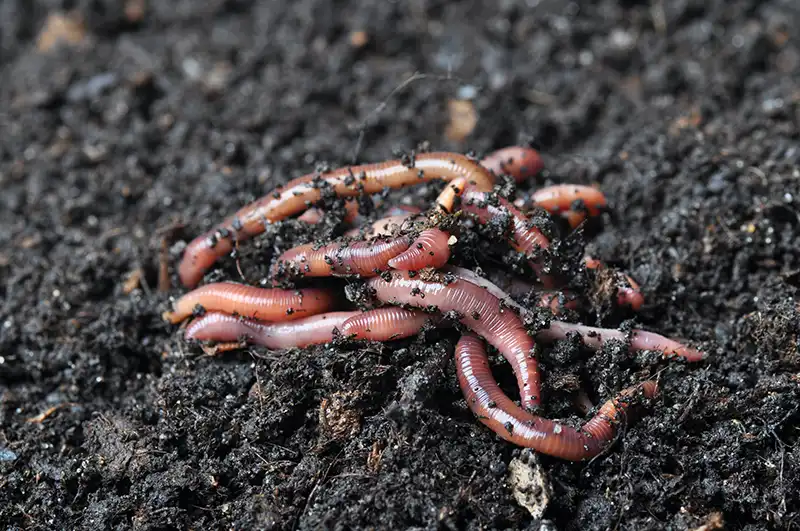
Worm castings are the all-natural byproduct of vermiculture — which is just a fancy way of saying: “We hired worms to do the composting and they work for scraps.” Specifically, hardworking red wigglers (aka the underground MVPs).
And what do they produce?
✨ Nutrient-dense
✨ Mineral-packed
✨ Microbe-loaded
✨ Football-shaped nuggets of soil magic
Yes. It’s worm poop. But the superhero version!
Why They’re So Powerful
Imagine your soil is a sleepy town. Now imagine worm castings show up like: A marching band A food truck festival And a construction crew All at once. That’s what happens underground. Everyone talks about the “big three” nutrients. But you know who quietly runs the underground world? The trace minerals. Worm castings contain over 60 micronutrients and trace elements — and while plants only need them in tiny amounts, without them… everything falls apart. Think of trace minerals like vitamins for your plants. You don’t need a bucket of vitamin C. But try living without it. Let’s meet some of the unsung heroes hiding in those tiny footballs of glory:
More than just basic fertilizer — this is full-spectrum plant nutrition!
Worm Poop: Nature’s Ultimate Plant Superfood!
🧲 Iron (Fe) – The Green Machine
Iron is essential for chlorophyll production.
No iron?
No deep green leaves.
No strong photosynthesis.
No plant flexing in the sunlight.
Iron helps your plant turn sunlight into energy like a leafy solar panel with attitude.
⚙️ Manganese (Mn) – The Enzyme Activator
Manganese supports enzyme systems that help with:
-
Photosynthesis
-
Nitrogen metabolism
-
Root growth
Without it, your plant basically forgets how to do basic plant things.
It’s the behind-the-scenes stage manager of growth.
🛡 Zinc (Zn) – The Growth Regulator
Zinc helps regulate plant hormones like auxins — the hormones responsible for stem elongation and root development.
Low zinc = stunted growth and awkward vibes.
Adequate zinc = balanced growth and “I woke up like this” symmetry.
🧬 Copper (Cu) – The Disease Defender
Copper supports:
-
Lignin production (stronger stems)
-
Disease resistance
-
Reproductive growth
It helps plants build strong internal structure and defend themselves like tiny botanical warriors.
💪 Boron (B) – The Cell Wall Architect
Boron plays a key role in:
-
Cell wall formation
-
Flower development
-
Fruit set
-
Sugar transport
Without boron, plants struggle to move energy where it needs to go.
With boron? Smooth operations. Organized energy. Strong tissues.
⚡ Molybdenum (Mo) – The Nitrogen Translator
Molybdenum helps plants convert nitrogen into usable forms.
It’s the interpreter between “nutrient available” and “nutrient usable.”
Tiny amount. Huge impact.
🧂 Calcium (Ca) – The Stability Specialist
Beyond structure, calcium helps:
-
Root tip development
-
Nutrient transport
-
Cell signaling
It keeps roots actively growing and prevents issues like blossom end rot.
Calcium is the structural engineer of your soil city.
🪱 Why Trace Minerals Matter More Than You Think
Here’s the real magic:
Synthetic fertilizers often focus on N-P-K.
Worm castings?
They deliver the full spectrum.
Because worms digest organic matter, they:
-
Break nutrients into bioavailable forms
-
Chelate minerals (making them easier for plants to absorb)
-
Balance nutrient ratios naturally
-
Package everything with beneficial microbes
So instead of force-feeding plants three nutrients…
You’re giving them a complete nutritional ecosystem.
It’s not fast food.
It’s whole-food soil nutrition.
🌱 The Big Picture
Trace minerals:
-
Improve plant immunity
-
Enhance flavor in vegetables and herbs
-
Support better flowering and fruiting
-
Increase resilience to stress
-
Strengthen root systems
-
Support enzyme and hormone activity
And because worm castings release nutrients slowly, those minerals stay available longer instead of washing away with heavy watering or rain.
Less waste.
Less runoff.
More balanced growth.
In short?
Worm castings aren’t just fertilizer.
They’re a micronutrient multivitamin, probiotic, and soil conditioner wrapped up in tiny worm-made nuggets of excellence.
Small amounts.
Massive impact.
Proof that sometimes the tiniest ingredients run the whole garden. 🌿🐛
🦠 The Microbial Party (This Is Where It Gets Nerdy — In a Fun Way)
Worm castings aren’t just fertilizer.
They’re an ecosystem.
They contain:
-
Beneficial bacteria
-
Helpful fungi
-
Natural enzymes
-
Plant growth hormones
-
Chitinase (a natural compound that helps suppress certain pests and diseases, including root knot nematodes)
Think of it as adding a microscopic army to your soil.
These microbes:
-
Break down organic matter
-
Improve soil structure
-
Help roots absorb nutrients more efficiently
-
Compete with harmful pathogens
-
Boost plant immunity
Basically, worm castings turn your soil into a thriving underground metropolis instead of a dusty wasteland.
💧 Soil Structure: Because Roots Need Real Estate
Let’s talk dirt architecture.
Worm castings improve:
-
Soil aeration (more oxygen for roots)
-
Drainage (less soggy sadness)
-
Water retention (less drought drama)
-
Soil aggregation (crumbly, fluffy texture)
They increase soil porosity, meaning your roots get:
-
Oxygen
-
Water
-
Nutrients
Without suffocating or rotting.
Root rot? We don’t know her.
🌱 Root Development: The Underground Gym Membership
Roots are EVERYTHING.
They:
-
Absorb water
-
Absorb nutrients
-
Anchor the plant
-
Store energy
Without strong roots, your plant is basically trying to run a marathon in flip-flops.
Worm castings help by:
-
Providing bioavailable nutrients
-
Delivering natural growth hormones like auxins and cytokinins
-
Encouraging lateral root branching
-
Reducing transplant shock
-
Supporting stable soil pH
Healthy roots = stronger stems, better blooms, bigger harvests.
No strong roots? No glory.
🪴 How to Use Worm Castings (No Wizard Hat Required)
You can apply them:
-
🌿 As a top dressing (sprinkle around plants and water in)
-
🌿 As a side dressing for vegetables
-
🌿 Mixed into potting soil
-
🌿 In seed-starting mix (gentle enough for seedlings!)
-
🌿 Brewed into compost tea for liquid feeding
And the best part?
You can apply them directly without worrying about burning your plants. It’s one of the safest fertilizers you can use.
Even baby seedlings can handle it. It’s the juice box of fertilizers.
♻️ Environmental Benefits (Because the Worms Are Also Eco-Warriors)
Worm castings are created through sustainable vermiculture.
That means:
-
Food waste gets diverted from landfills
-
Paper waste gets repurposed
-
Methane emissions are reduced
-
Synthetic fertilizer dependency decreases
So when you use worm castings, you’re not just feeding your garden.
You’re fighting climate change with worm poop.
Let that sink in.
🏆 Why Gardeners Love Worm Castings
They:
✔ Improve soil health
✔ Reduce need for chemical fertilizers
✔ Add beneficial microbes
✔ Suppress certain diseases
✔ Improve water management
✔ Reduce transplant shock
✔ Buffer extreme soil pH
✔ Feed plants slowly and safely
And they work for:
-
Seedlings
-
Vegetables
-
Flowers
-
Perennials
-
Herbs
-
Fruit trees
-
Houseplants
-
Lawns
If it has roots, it approves.
🪱 Final Thoughts From the Chaos Goblin Garden Council
Worm castings are:
Nature’s fertilizer.
Nature’s probiotic.
Nature’s slow-release buffet.
Nature’s soil therapy session.
They’re small.
They’re humble.
They’re shaped like tiny footballs.
And they will absolutely transform your soil into a thriving, microbe-filled paradise.
All thanks to some extremely motivated worms.
So the next time someone asks what makes your garden look amazing, you can proudly say:
“It’s the worm poop.”
And mean it. 🌱🐛