🐜 Ants for Kids
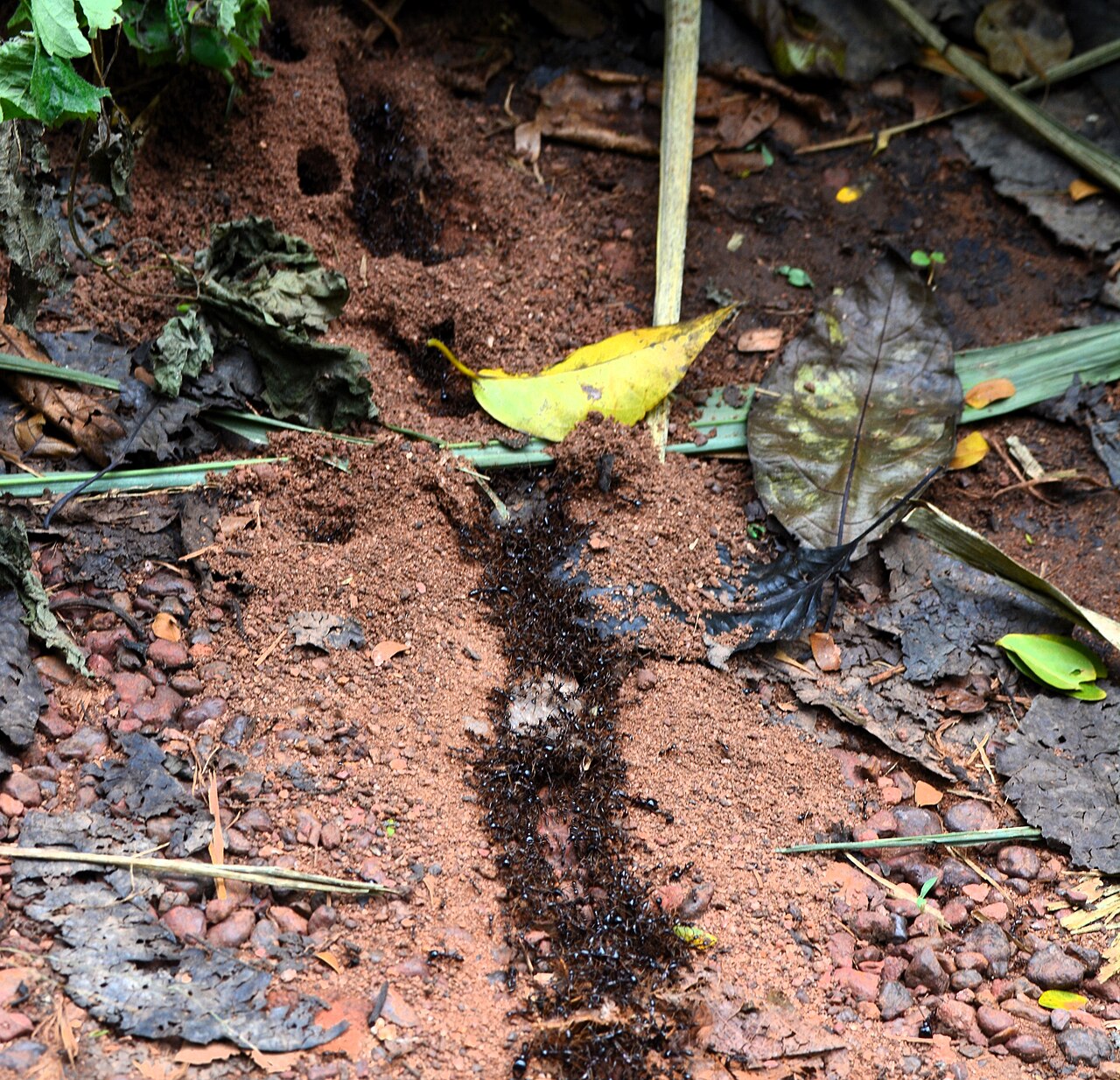
Find a crack in the sidewalk, drop a crumb, and wait. Within minutes, an ant will find it. Within more minutes, a whole line of ants will be marching to it like they got a text message. That is because, in a way, they did: ants talk with smells, and a whole colony runs on messages you can watch with your own eyes.
Ants are everywhere — your yard, your park, your picnic — and they run the tiniest empire on Earth. Thousands of individuals, each with a job, no boss giving orders, all working together. Here is how the empire works.
🐜 Jobs in the Colony
👑 The Queen — The Mother of Everyone
Every colony has a queen (sometimes a few), and her job is laying eggs — thousands of them over her life. She is usually the biggest ant in the colony, and she mostly stays inside, safe in the dark, while everyone else does the running around. Without her, there is no colony. With her, there is a city.
🚶 Workers — The Ones You See
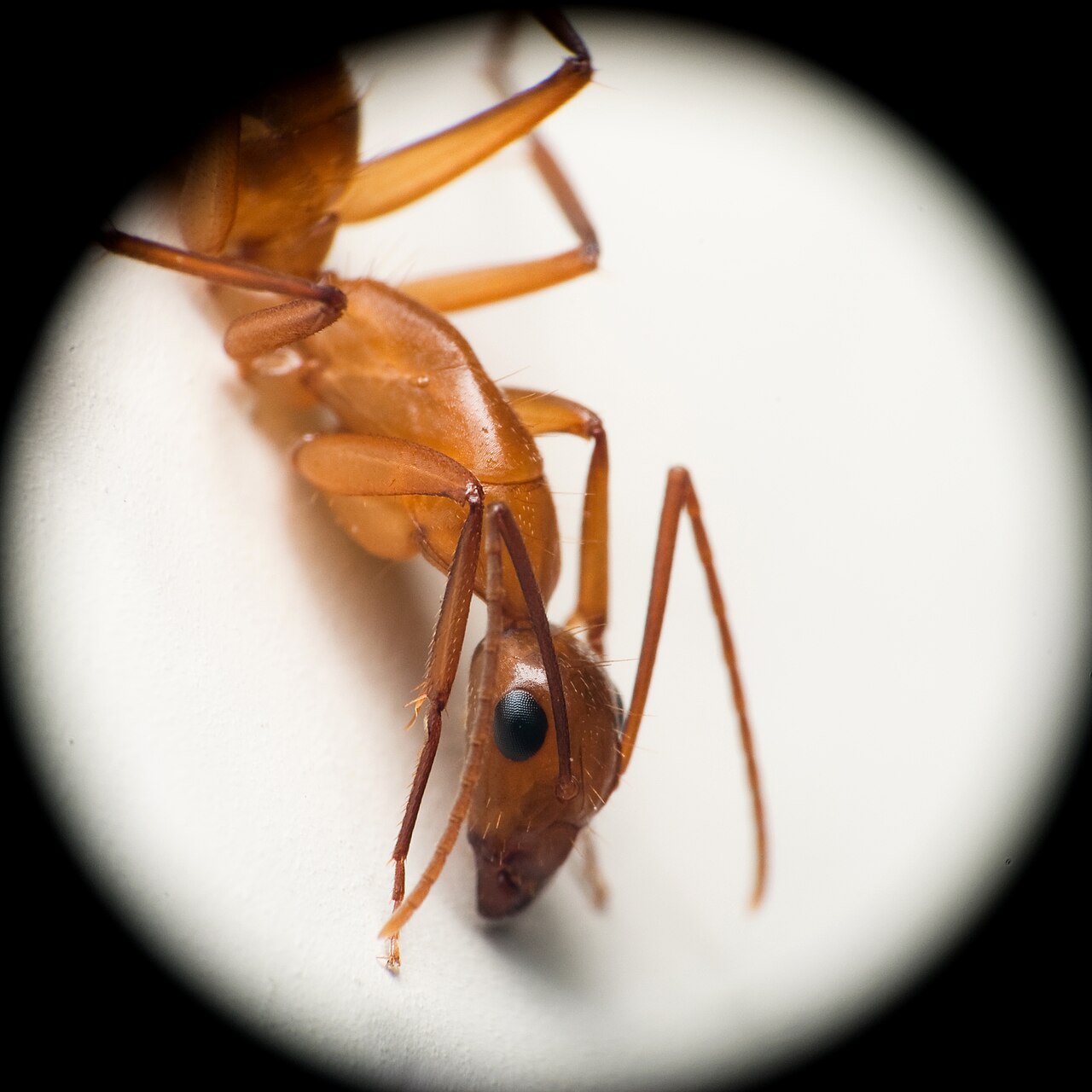
Almost every ant you ever meet is a worker, and workers are all female. They find food, carry it home, feed the babies, dig tunnels, clean the nest, and defend the colony. A worker ant can carry many times her own body weight — like you carrying a car over your head, except the ant actually does it. Watch a worker hauling a crumb bigger than herself and remember: she is not struggling. This is Tuesday for her.
🛡️ Soldiers — The Guards
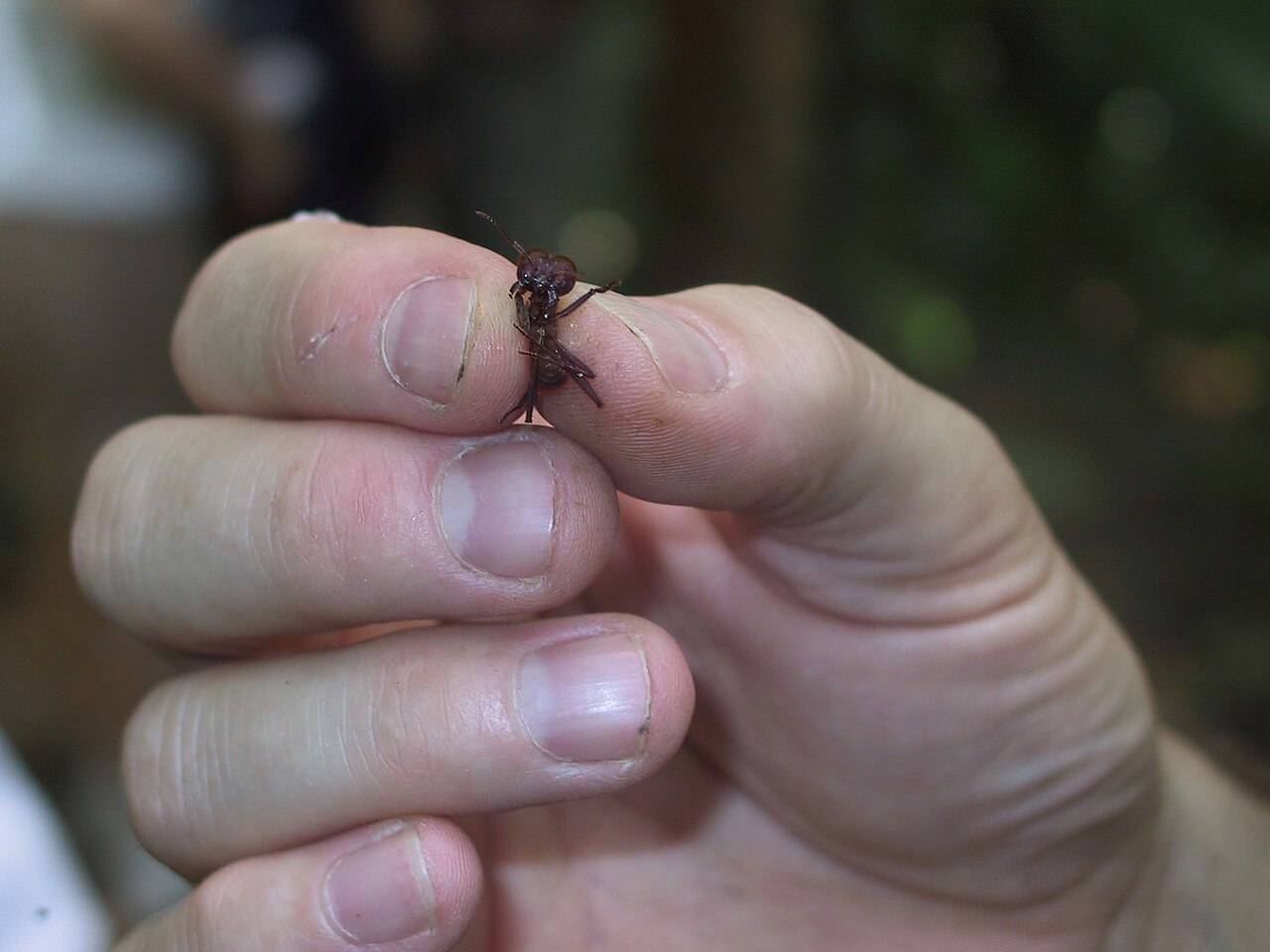
Some colonies have soldiers: bigger workers with huge jaws for defending the nest and cracking tough food. Soldiers guard the entrances and stand between danger and the colony. They are the security team, and they take the job very seriously.
🐄 The Wildest Job: Ant Farmers
Here is the strangest true thing about ants: some of them farm other insects. Aphids — tiny sap-sucking bugs — drink plant sap and drip out a sweet liquid called honeydew. Ants protect aphids from predators, move them to better plants, and "milk" them by stroking them with their antennae until honeydew comes out. The ants get sugar. The aphids get bodyguards. It is farming, invented by insects millions of years before humans tried it.
So when you see ants crawling all over a plant covered in aphids, they are not eating the plant. They are tending their herd. The garden version of a dairy farm, run by six-legged farmers.
🐜 Tap a Colony Job
Every ant has work. Tap a job to see what it does.
Tap a job above!
What it does and one wild fact will show up here.
🔥 Fire Ants: The One to Respect
Florida has fire ants, and fire ants are the exception to every nice thing in this guide. They build dome-shaped dirt mounds in lawns and fields, they sting (not bite — sting, with a stinger on their rear end), and they swarm when their mound is disturbed. A fire ant sting burns and itches, and many stings at once are genuinely dangerous, especially for small kids and pets.
The rule is simple: never poke, kick, or stand on an ant mound. If you see a reddish dirt dome, admire it from far away and tell a grown-up. Fire ants are fascinating from a distance and a bad idea up close. Every other ant in this guide is a friend. Fire ants are a neighbor you respect by keeping your distance.
So next time you see an ant line, stop and watch for a minute. Follow it with your eyes — from crumb to crack to colony. You are watching a smell-based group chat, a farming economy, and a city with no mayor, all happening under your feet. The tiniest empire in the yard, and it never sleeps.