🐝 Bees for Kids
When most people picture a bee, they picture one bee: the honeybee, living in a hive, making honey. That bee is real. But it is not the whole story — not even close. Florida has hundreds of native bee species, and most of them don't live in hives, don't make honey, and don't have a queen. Some live alone in the ground. Some live alone in hollow stems. And all of them pollinate.
The pollinators guide told you why pollination matters. This guide is about the pollinators themselves — the bees.
🐝 Meet the Bees
🍯 Honeybee (Apis mellifera) — The Hive Bee
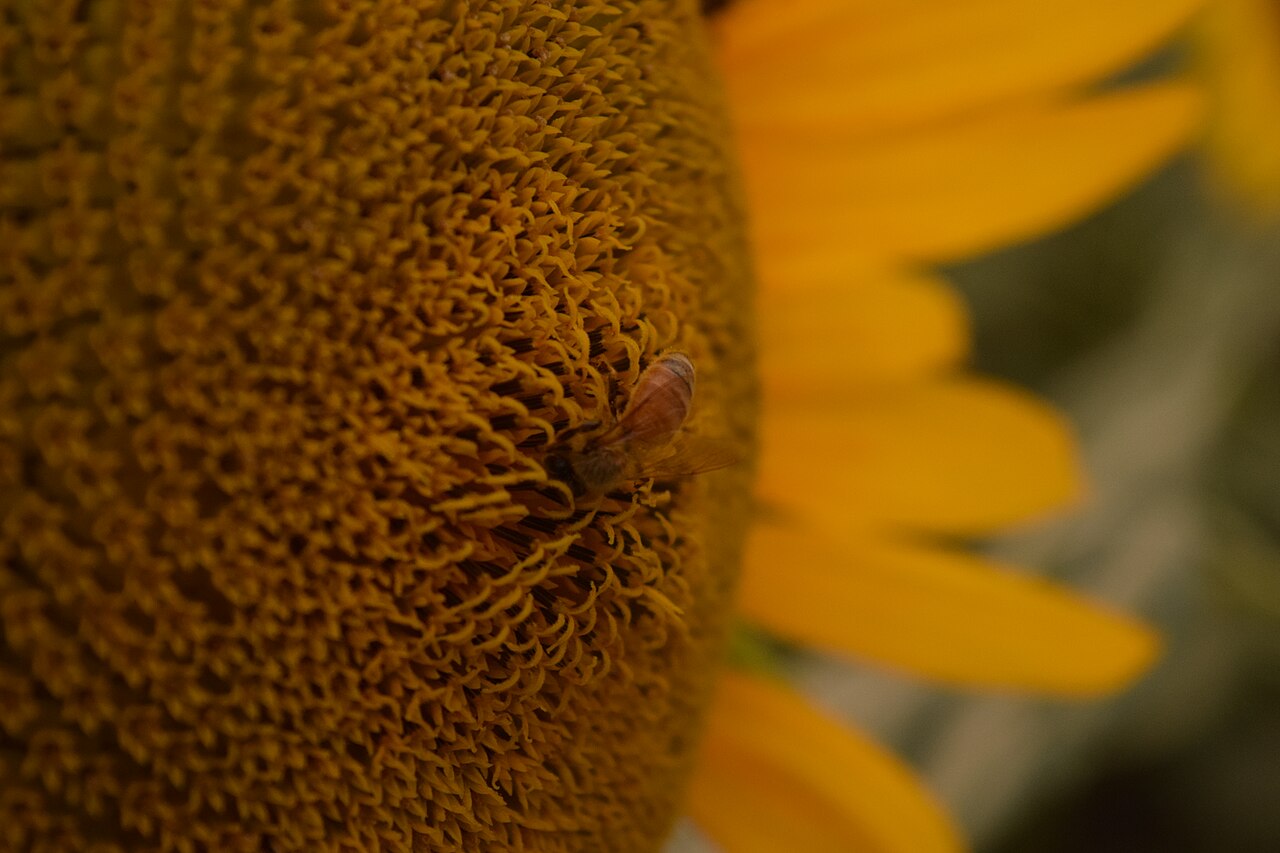
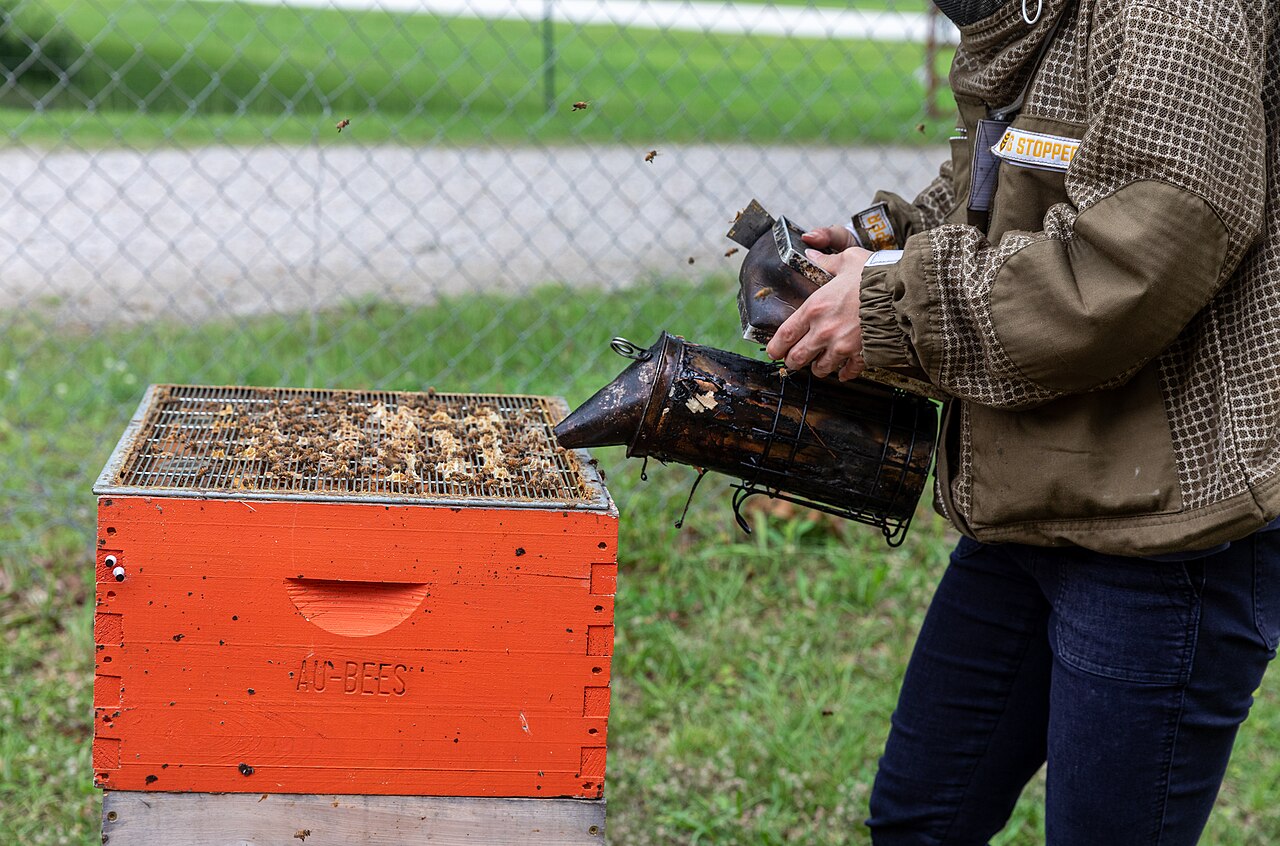
Honeybees live in big colonies with one queen, thousands of female workers, and male drones (who don't sting — no stinger, no worries). Workers do everything: gather nectar and pollen, feed babies, guard the entrance, and fan the hive with their wings to keep it cool. And honeybees talk by dancing: a worker who finds great flowers comes home and does a figure-eight waggle dance that tells the others exactly which direction to fly and how far. Directions, given as a dance. On a vertical wall. In the dark.
🐻 Bumble Bee (Bombus) — The Big Fuzzy One
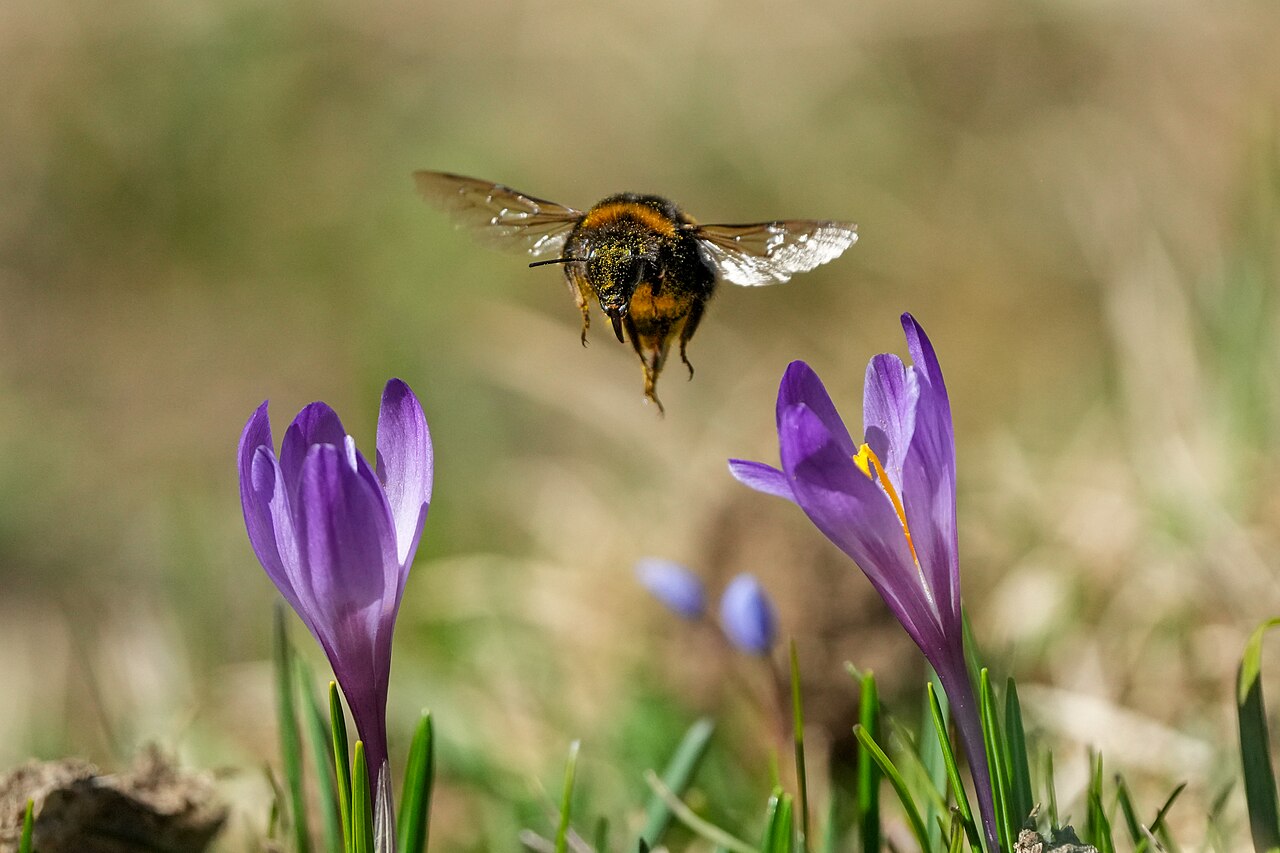
Bumble bees are big, round, loud, and famously clumsy-looking — but they are pollination superstars. They do something honeybees can't: buzz pollination. A bumble bee grabs a flower and vibrates its whole body, shaking pollen loose like salt from a shaker. Tomatoes and blueberries love this. Bumble bees live in small colonies (tens to hundreds, not thousands) often in old mouse nests or grass clumps, and they work in cooler weather than honeybees will tolerate.
🪵 Carpenter Bee (Xylocopa) — The Wood Driller
Carpenter bees drill perfectly round holes in wood — dead trees, fences, eaves — and raise their babies in tunnels inside. The males are the ones hovering and dive-bombing you: all bluff, no stinger. The females can sting but almost never do unless grabbed. Carpenter bees look like bumble bees but with shiny, hairless backsides — a bumble bee wears a fur coat, a carpenter bee wears a leather jacket. Now you can tell them apart.
🏠 Solitary Bee — The Lone Ranger
Most native bees are solitary: one female, one nest, no hive, no queen, no workers. She digs a tunnel in the ground or moves into a hollow stem, stocks each little room with pollen, lays one egg per room, and seals it up. Her babies grow up alone and emerge next season. No colony, no honey, no drama — just one bee doing the whole job herself. The bug hotel from the good-bugs guide is built for bees like her: hollow stems to move into.
🐝 Tap a Bee
Hive bee or lone bee? Tap one to meet it.
Tap a bee above!
Its life and one wild fact will show up here.
🌸 How to Help Bees
Plant flowers — lots of them, different kinds, blooming across the seasons, so bees always have something to eat. Leave some bare ground (solitary bees nest in it) and some hollow stems standing (solitary bees nest in those too). Skip the sprays: what kills garden pests kills bees. And leave a shallow dish of water with pebbles in it — bees drink, but they need landing pads so they don't drown. A bee bath, with pebbles for feet. That is all it takes to be a bee's friend.
So next time a bee visits your flowers, stop and look. Is it a hive bee or a lone bee? Fuzzy all over or shiny-backed? Dancing directions or drilling holes? You now know enough to tell — and enough to know that the most important bee in your yard might be the one you never noticed, living alone in a stem, doing the whole job herself.