🪲 Beetles for Kids
Here is a fact that sounds made up: there are more kinds of beetles than any other animal group on Earth. More than fish. More than birds. More than all the mammals put together, many times over. If you lined up every known animal species, about one in four would be a beetle. The world, it turns out, is mostly beetles — with some other animals sprinkled in.
Beetles are insects with a trick: their front wings turned into hard covers called elytra, like a suit of armor that opens up when they fly. Underneath are the real flying wings, folded away safe. Armor outside, wings inside. That is the beetle design, and it works everywhere — in soil, in wood, in water, in your garden, on every continent except Antarctica.

🪲 Meet the Beetles
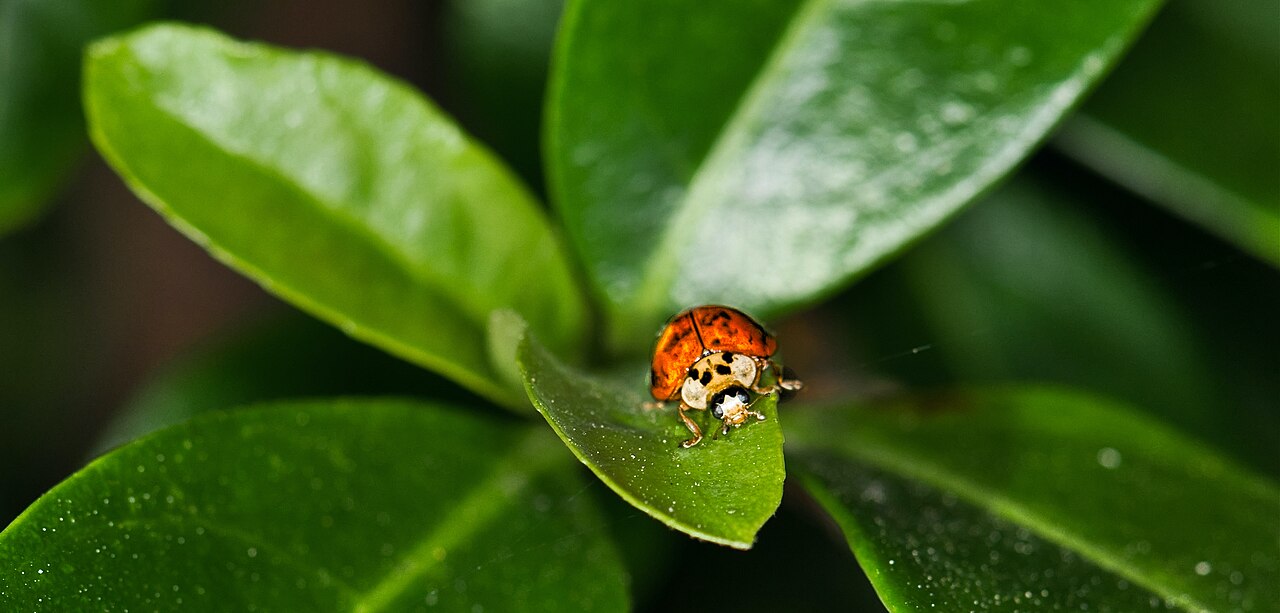
🐞 Ladybug (Coccinellidae) — The Aphid Eater
Ladybugs — properly called lady beetles, because they are beetles — are the garden's most famous allies. One ladybug eats aphids all day, and you already know from the ants guide what aphids are: the little sap-suckers that ants farm. Ladybugs are the reason ant farms have security problems. They are also the reason gardeners cheer when they see spots: red with black spots means pest control has arrived.
✨ Firefly (Lampyridae) — The Beetle That Glows
Surprise: fireflies are beetles, not flies. The night shift guide showed you their lights; this is their family secret. Fireflies make light with chemistry in their abdomens — no heat, just glow — and each species flashes its own pattern, like a name in Morse code. The larvae (baby fireflies, which live in soil and leaf litter) glow too, and they hunt snails and slugs. Yes — the slowpokes from the snails guide have glowing hunters after them.
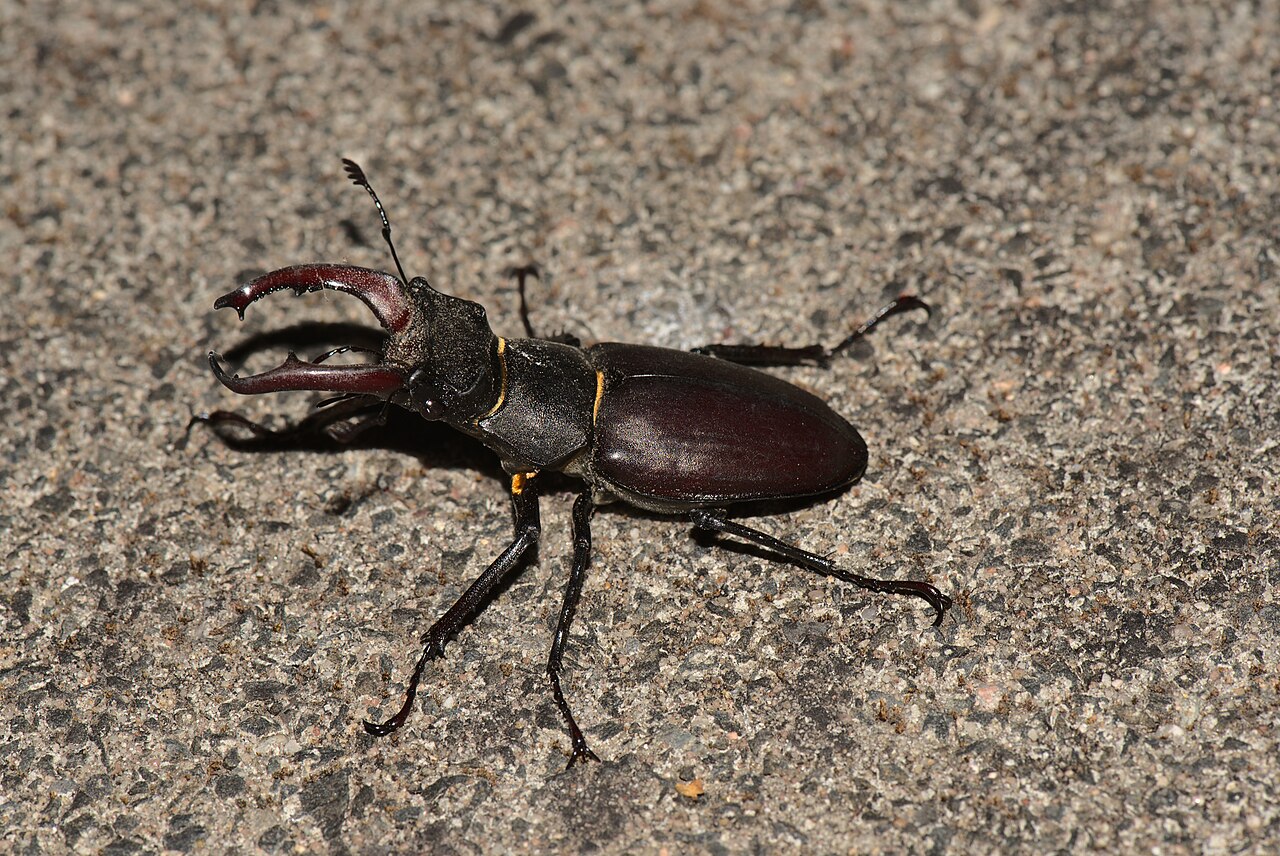
🦌 Stag Beetle (Lucanidae) — The Antlered Wrestler
Male stag beetles grow enormous jaws that look like deer antlers, and they use them the way deer use antlers: wrestling other males for territory and mates. The jaws look terrifying and are mostly for show — a stag beetle would much rather wrestle another stag beetle than bother you. They live in rotting wood as larvae for years, quietly recycling dead trees, before emerging as the armored wrestlers you see in summer.
💩 Dung Beetle (Scarabaeinae) — The Roller
Dung beetles roll balls of animal dung — bigger than themselves — backward, steering with their hind legs, to bury as food for their babies. Some species navigate by the stars, using the Milky Way as a compass on moonless nights. A beetle, rolling a ball of poop backward, navigating by the galaxy. If that is not the coolest job in the garden, nothing is. And the job matters: dung beetles clean pastures and bury nutrients back into soil.
🪲 Tap a Beetle
Armor outside, wings inside. Tap one to meet it.
Tap a beetle above!
Its job and one wild fact will show up here.
🌿 Beetles in Your Garden
Most garden beetles are allies: ladybugs eat aphids, ground beetles eat slugs and cutworms at night, dung beetles recycle waste, and firefly larvae hunt snails. A few are pests (Japanese beetles munch roses, cucumber beetles spread disease), which is why the good-bugs guide says "allies vs troublemakers" instead of "all beetles good." But the balance is clear: a garden with beetles is a garden with pest control, recycling, and pollination, all wearing armor.
Want to find beetles? Look under logs and pots (ground beetles hide there by day), on flowers (ladybugs hunt there), and in the grass at dusk (fireflies signal there). Lift gently, look, and put everything back. Beetles are tough, but they are still wild animals, and their hiding spots are their homes.
So remember: one in four animals is a beetle. The next time you see something small and armored in the garden, it is probably a beetle — and it is probably doing a job your garden needs. The world belongs to beetles. We just garden in it.