🐔 Chickens for Kids
Dogs fetch. Cats nap. Chickens? Chickens work. A backyard chicken is an egg machine, a bug hunter, and a compost helper all wearing feathers — and they are funnier to watch than television.
Chickens are birds, just like the cardinals and wrens from the bird guide — except these birds live with you, follow you around hoping you have snacks, and pay rent in eggs.
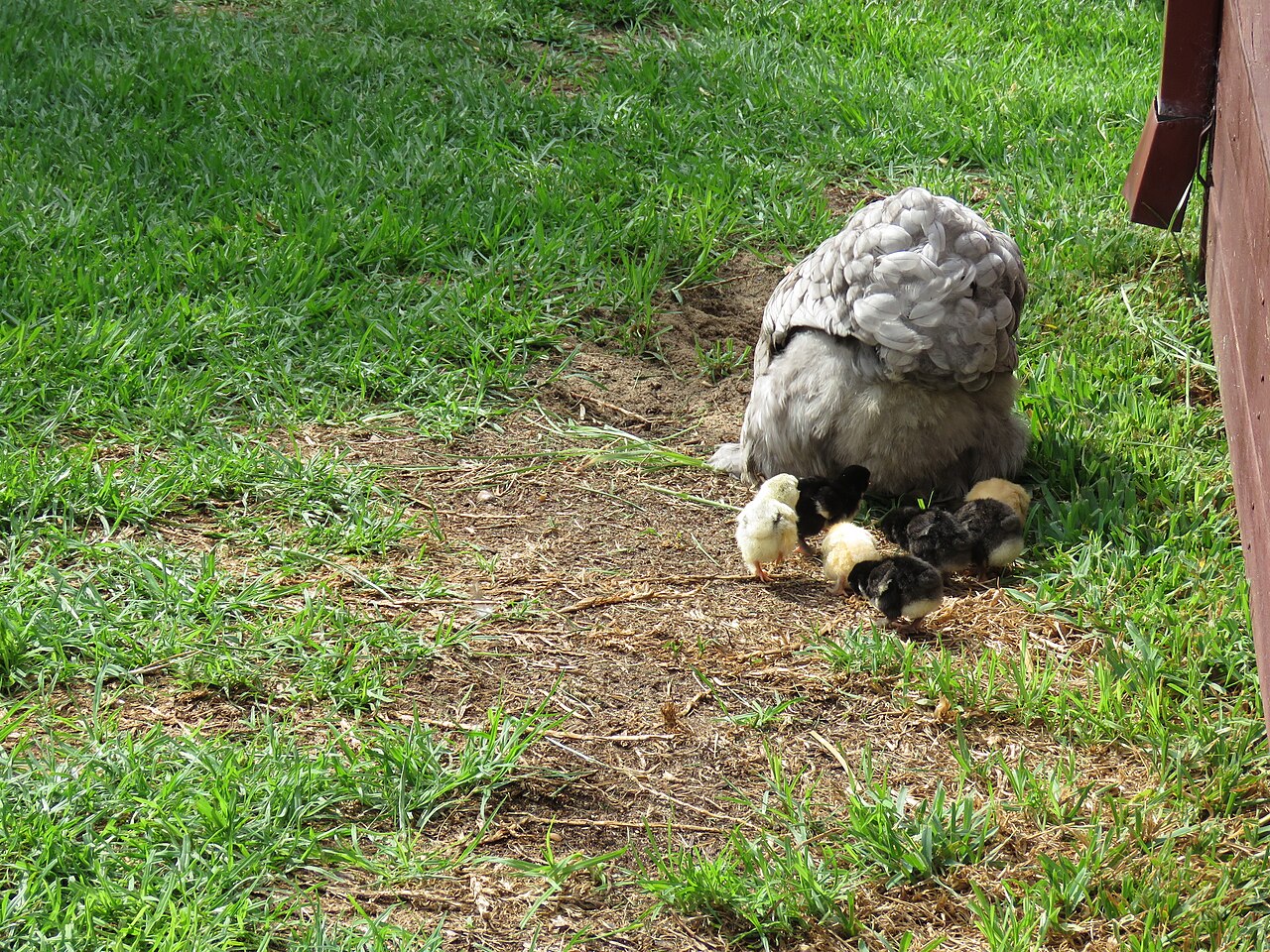
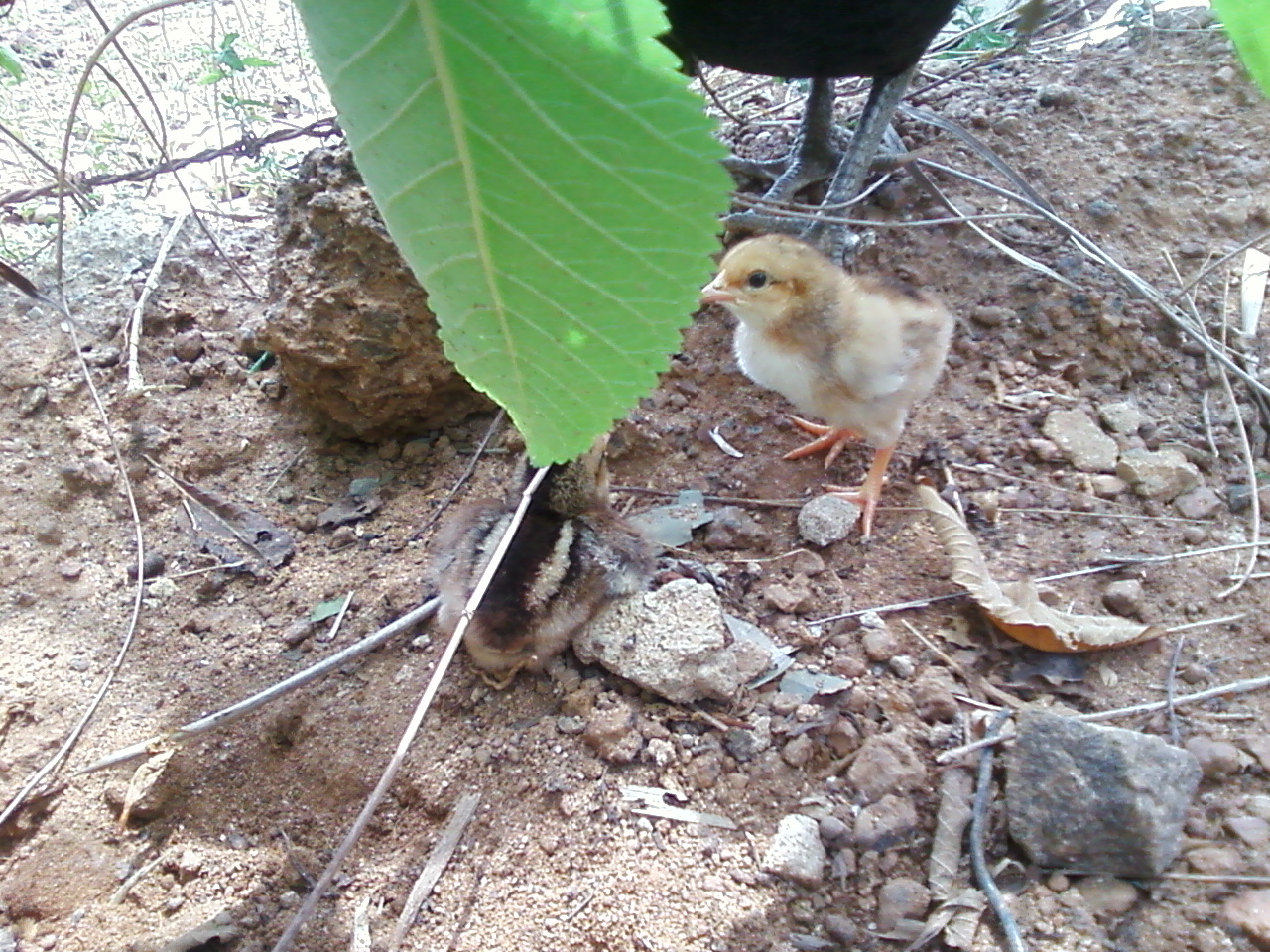
🐔 Chicken Jobs
🥚 Job #1: Egg Maker
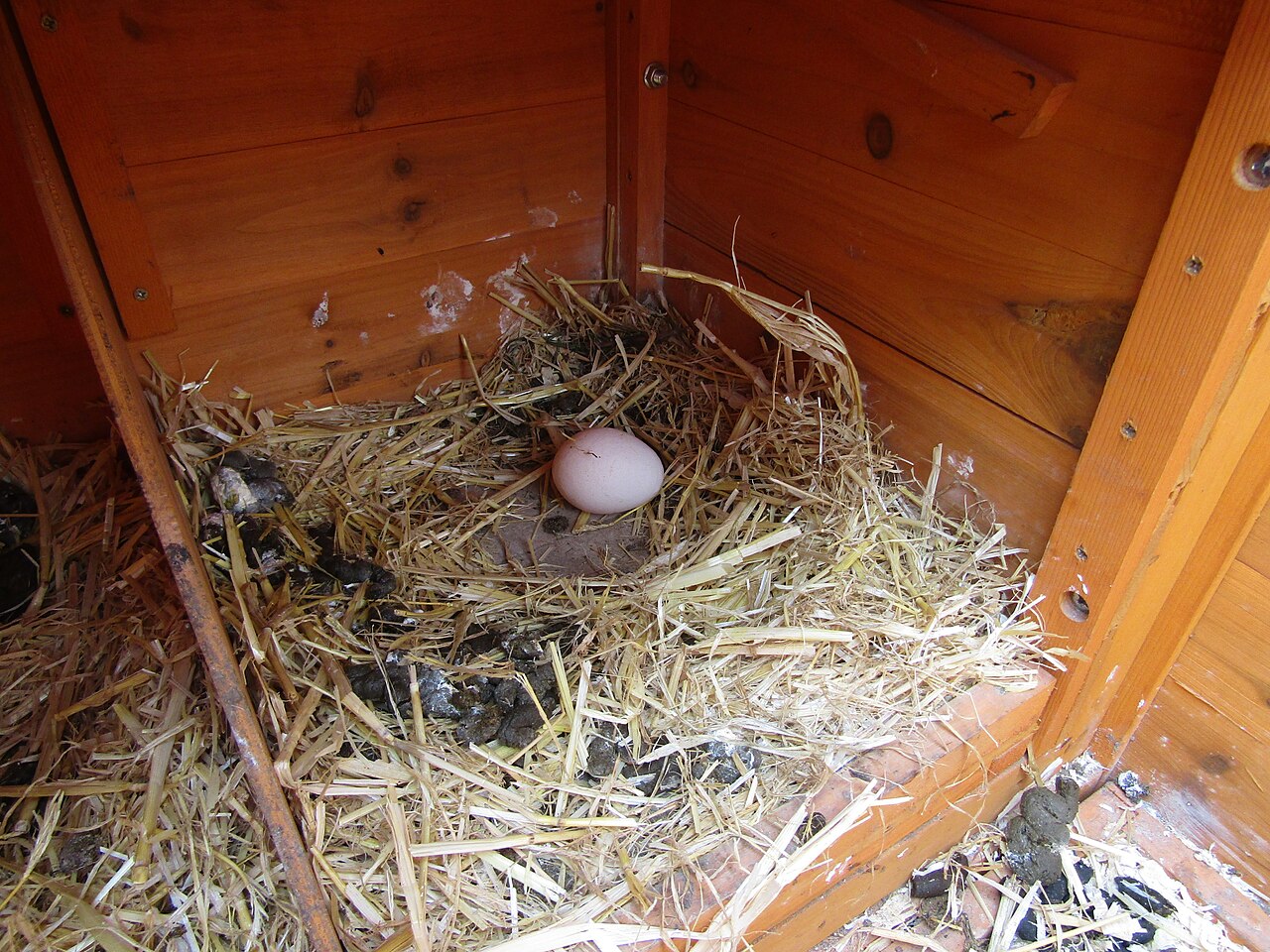
A healthy hen lays almost an egg a day during her best months. The egg starts inside her, gets wrapped in a shell, and pops out ready for breakfast. Brown shells, white shells, blue shells, green shells — the color depends on the breed, not the taste. Inside, they are all the same delicious.
🐛 Job #2: Pest Patrol
Chickens eat bugs. Beetles, grubs, slugs, ticks, grasshoppers — if it crawls and fits in a beak, it is lunch. A flock turned loose in a garden bed (at the right time, with a grown-up's permission) will clean up pests better than any spray, and they fertilize while they work. This is why chickens and gardens are best friends.
♻️ Job #3: Compost Crew
Chickens scratch. It is what they do — all day, every day, scratching the ground with both feet to uncover seeds and bugs. That scratching turns and mixes compost piles and garden beds for free. And their poop? It is powerful fertilizer — so powerful it has to be composted first before it meets plants, or it can burn them. More on that in the grown-up box.
🍉 What Chickens Eat
Chickens eat chicken feed every day — that is their main food, and it has everything they need. But they also love treats from the garden: leafy greens, watermelon rinds (a flock favorite on a hot day), squash guts, bugs they catch themselves, and kitchen scraps like vegetable peels. Think of treats like dessert: a little is great, a lot spoils the main meal.
🔊 Chicken Talk
Chickens talk all day, and once you learn the words, you will understand the whole flock:
Soft clucking means everything is fine. This is the background music of a happy flock.
Fast bok-bok-bok means excitement — food arrived, something interesting happened, or a friend just showed up.
The egg song means an egg just happened and everyone within earshot needs to know about it immediately.
A loud alarm squawk means danger — a hawk overhead, a dog nearby. The whole flock freezes or runs for cover. Chickens look out for each other.
🐔 Tap a Chicken Job
Every chicken has work to do. Tap a job to see what it means.
Tap a job above!
What it means and one wild fact will show up here.
So if you ever get the chance to meet a backyard flock, watch them for ten minutes. You will see the egg song, the scratching, the bug hunting, and at least one chicken stealing another chicken's treat. Hardest workers in the yard — and the funniest.