🗺️ Design Your Own Yard for Kids
Here is a secret about gardens: the pretty ones are not accidents. Somebody looked at a yard, figured out where the sun falls and the water goes, and then put the right plants in the right spots on purpose. That somebody can be you. Designing a yard is not about being fancy. It is about asking three simple questions: what do I want to grow, where does each thing want to live, and how often will I visit it? Answer those on paper first, and the digging part gets easy.
🗺️ Start With a Map, Not a Shovel
Every designer starts the same way: by drawing the yard as it already is. Sketch the house, the fence, the big tree, the sunny corner, the puddle spot — everything you learned by reading the landscape. This map is your base, and it is the most important drawing you will make, because a design that ignores the yard is just a wish list. Measure with footsteps if you do not have a ruler: one big step is about a yard. Count steps along the fence and write the numbers on your map. Congratulations, you just surveyed your property.
📍 Zones — Put Daily Things Close, Weekly Things Far
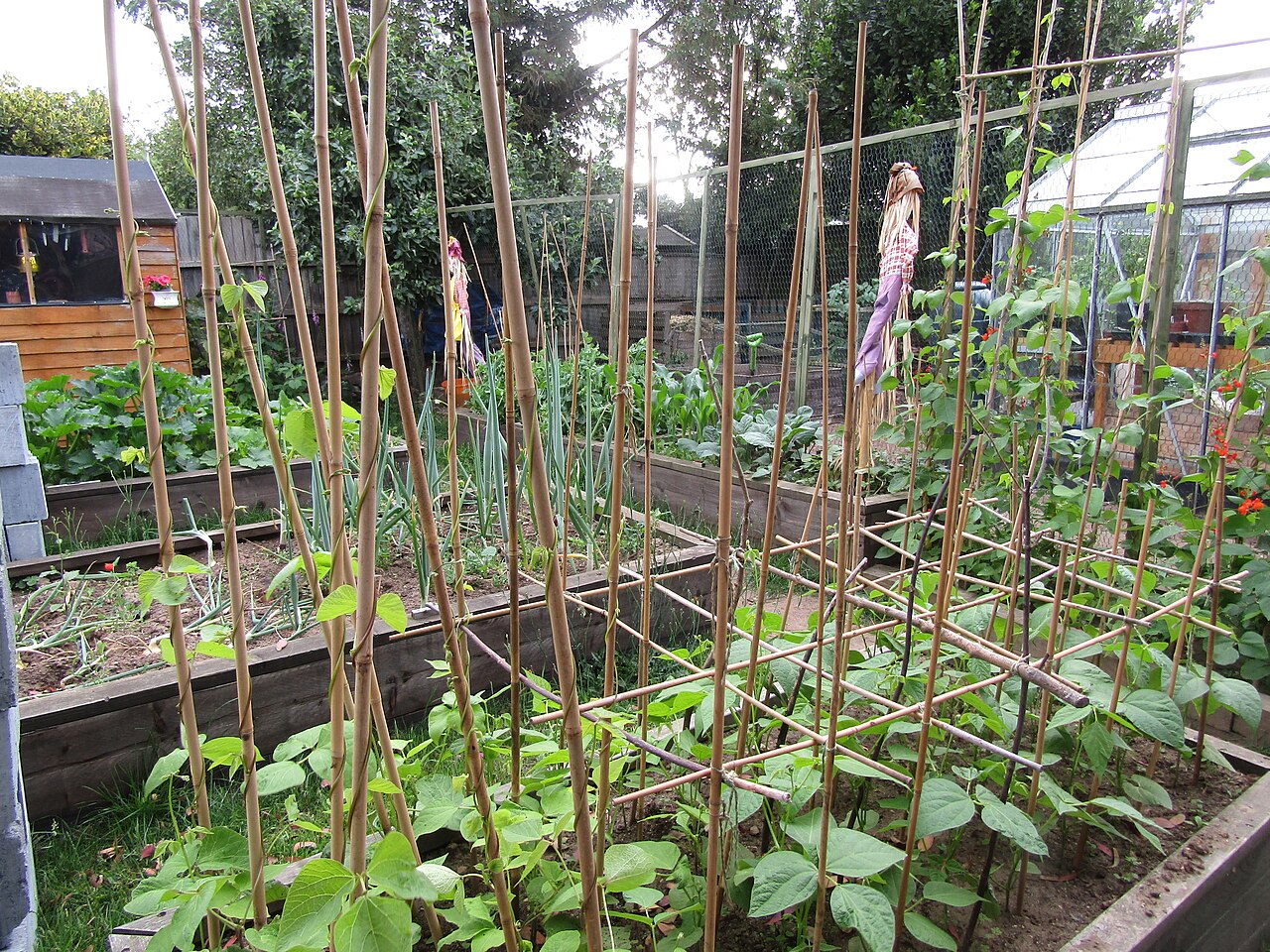
The oldest design trick in the book is zones: things you visit every day go closest to the door, things you visit once a week go farther out. Herbs you snip while cooking? Doorstep. Salad greens you pick daily? A few steps away. Vegetable beds? Close enough to water without a hike. Fruit trees and berry bushes? Farther out, because they mostly look after themselves. And the wild edge — the corner for pollinators and lizards — goes farthest of all, because it wants to be left alone. Zones are just laziness, planned brilliantly: put the needy things close and the independent things far.
🌞 Right Plant, Right Spot
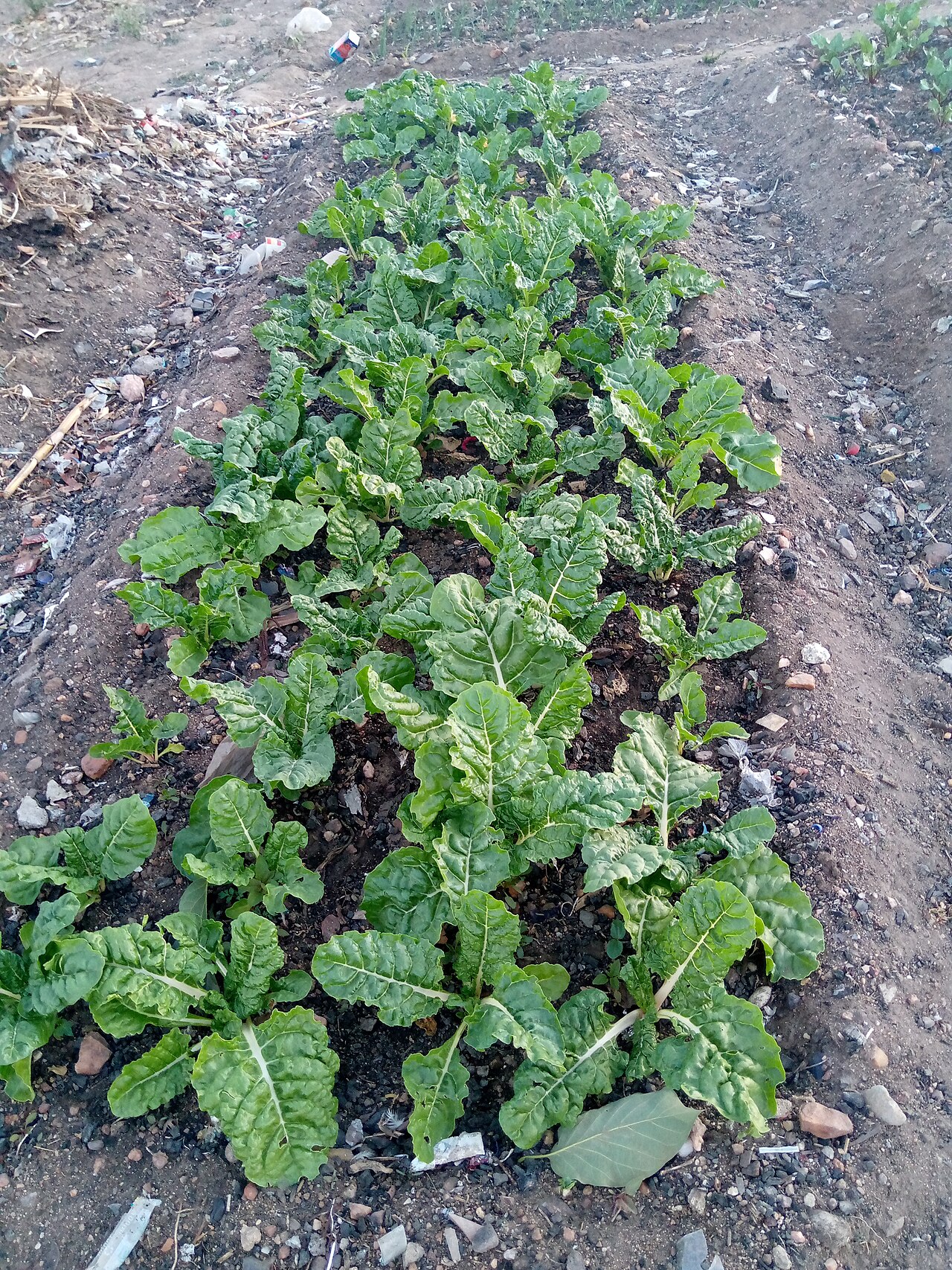
Now match each plant to a spot the way you would match a friend to a seat at lunch. Sun-lovers (tomatoes, peppers, basil) get the all-day sunny corner. Shade-lovers (lettuce in summer, mint) get the afternoon-shade spot. Wet-feet plants get the low damp corner. And everything gets room to grow: that tiny seedling will be a bush by summer, and a bush planted too close to its neighbor becomes a wrestling match. The map lets you see the wrestling match before it happens — cross it out on paper, not in the dirt.
🛤️ Paths — Where Feet Go, Plants Don't
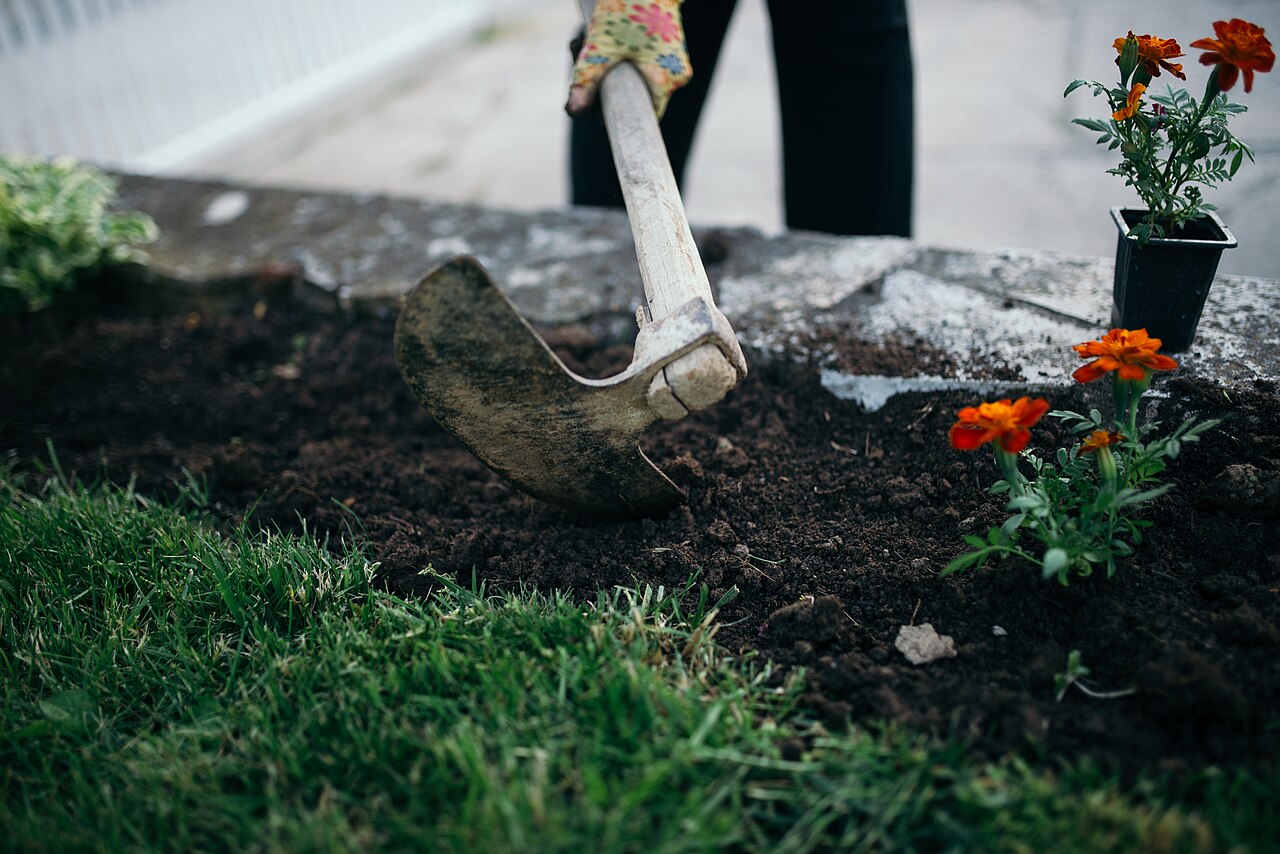
A design is not finished until you draw the paths, because feet go where paths go, and plants do not grow where feet go. A path is a promise: this is where we walk, and everywhere else is for growing. Draw your paths first, then fill in the beds around them. In Florida, a path of mulch or stepping stones also keeps your shoes out of the mud after one of those afternoon thunderstorms, which is a design feature your future self will thank you for.
🗺️ Tap a Zone
A good design puts the things you visit every day closest to the door. Tap a zone to see who lives there.
Tap one above! Its job and one wild fact will show up here.
Look at your map when you are done. That is not just a drawing — that is a plan for a yard that feeds you, shelters lizards, and looks good doing it. And the best part? When the seasons change and you learn new things, you get to redraw it. A garden design is never really finished. It just gets better.
🚀 Your Next Adventure
Design drawn. Now let's get our hands dirty — Florida is flat, so we will shape the land ourselves, a few inches at a time.
🌱 Keep learning
Three related guides worth reading next:
- Grow Your First Garden for Kids — Your first real patch — the design's first test run.
- Pizza Garden for Kids — A whole bed designed around one meal: pizza.
- Trees for Kids — The longest-term design decision in any yard — a tree.