🧺 Keep It for Later for Kids
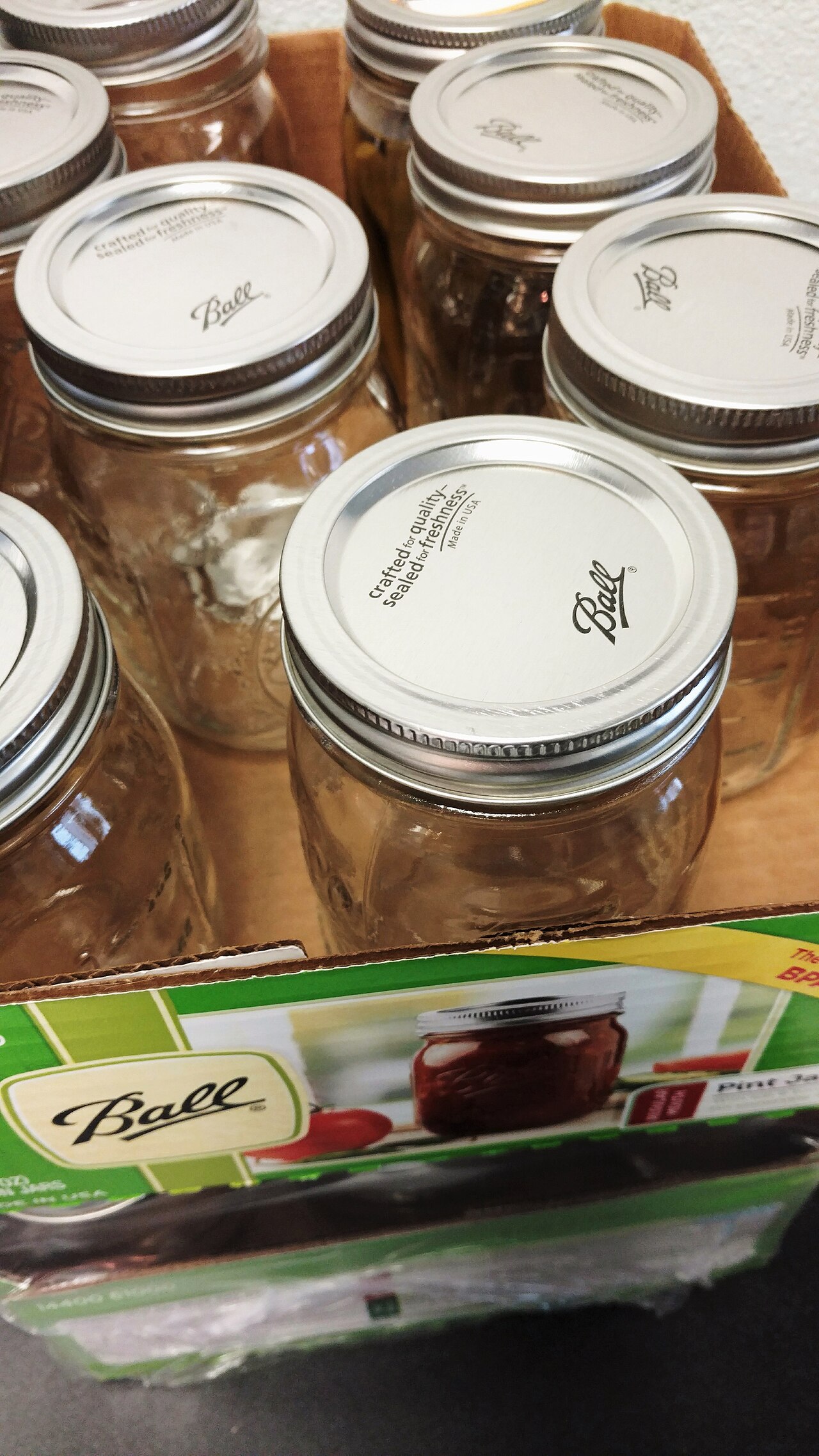
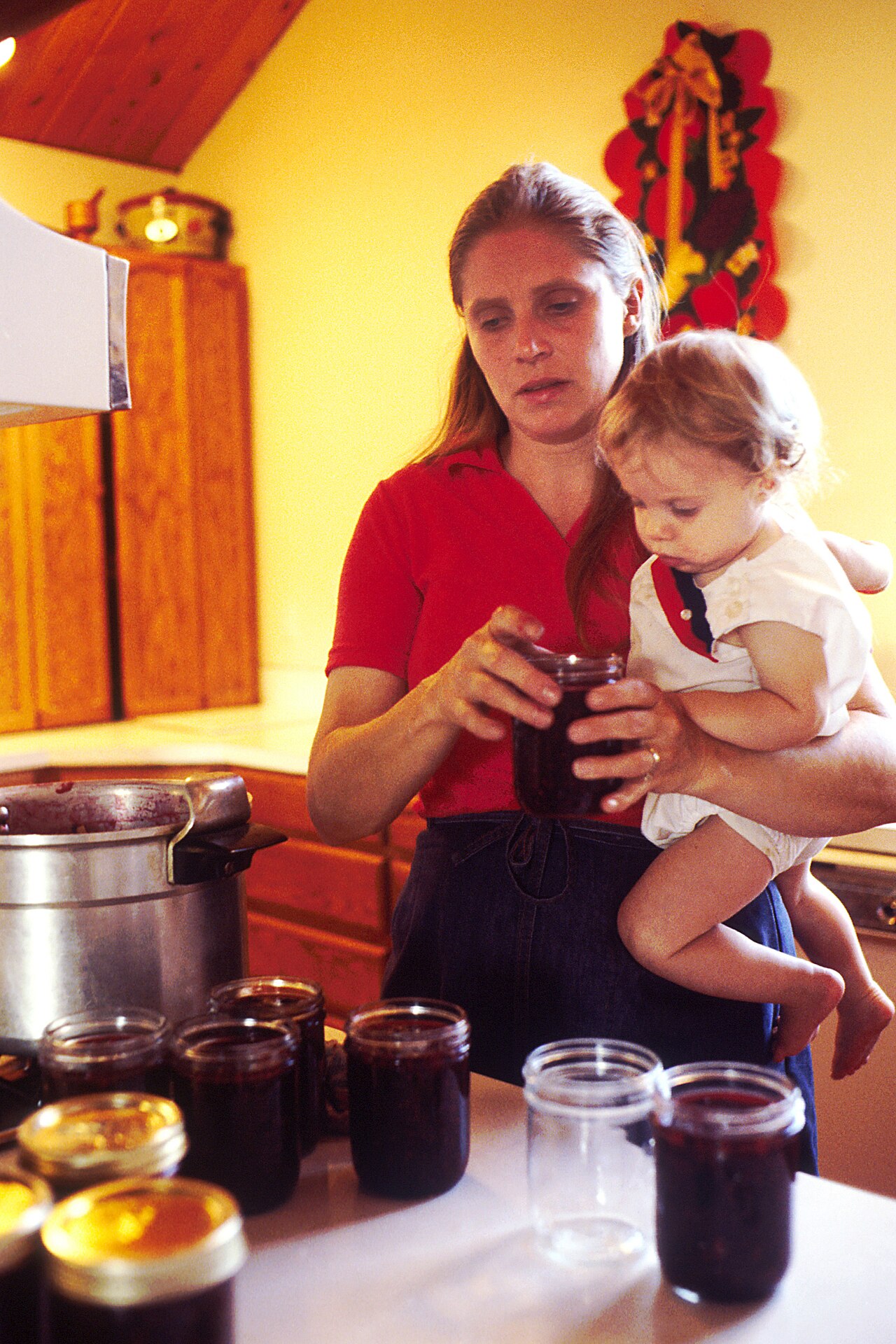
Every gardener knows the same happy problem: one week there are no tomatoes, and the next week there are forty. A garden does not ripen on your schedule — it ripens all at once, like it is showing off. That is why people learned to keep food for later: drying it, freezing it, pickling it, or just storing it somewhere cool and dry. Food preservation is not a chore. It is time travel for dinner — summer's basil on a winter pizza, fall's peppers in a spring stir-fry.
🌿 Drying — The Oldest Trick There Is
Drying is the simplest way to keep something, and people have done it for thousands of years. Herbs are the easiest place to start: tie a small bunch of basil, mint, or oregano with string, hang it upside down in a dry, shady spot, and wait. When the leaves crumble between your fingers, they are done — pour them into a jar, label it, and you have summer in a bottle. The flavor gets stronger as the water leaves, so dried herbs are powerful stuff: use a little, taste, then add more.
🫐 Freezing — Press Pause
Freezing is the easiest method of all, because the freezer does the work. Berries are the classic: spread them on a tray so they freeze one by one (otherwise you get a berry brick), then pour them into a bag. Herbs freeze well too — chop them, tuck them into an ice-cube tray, cover with water or olive oil, and freeze. Pop out a cube whenever a soup or a pan needs one. Frozen food keeps for months, and the only job is labeling the bag so you know what is inside in January.
🥒 Fridge Pickles — Sour Saves the Day
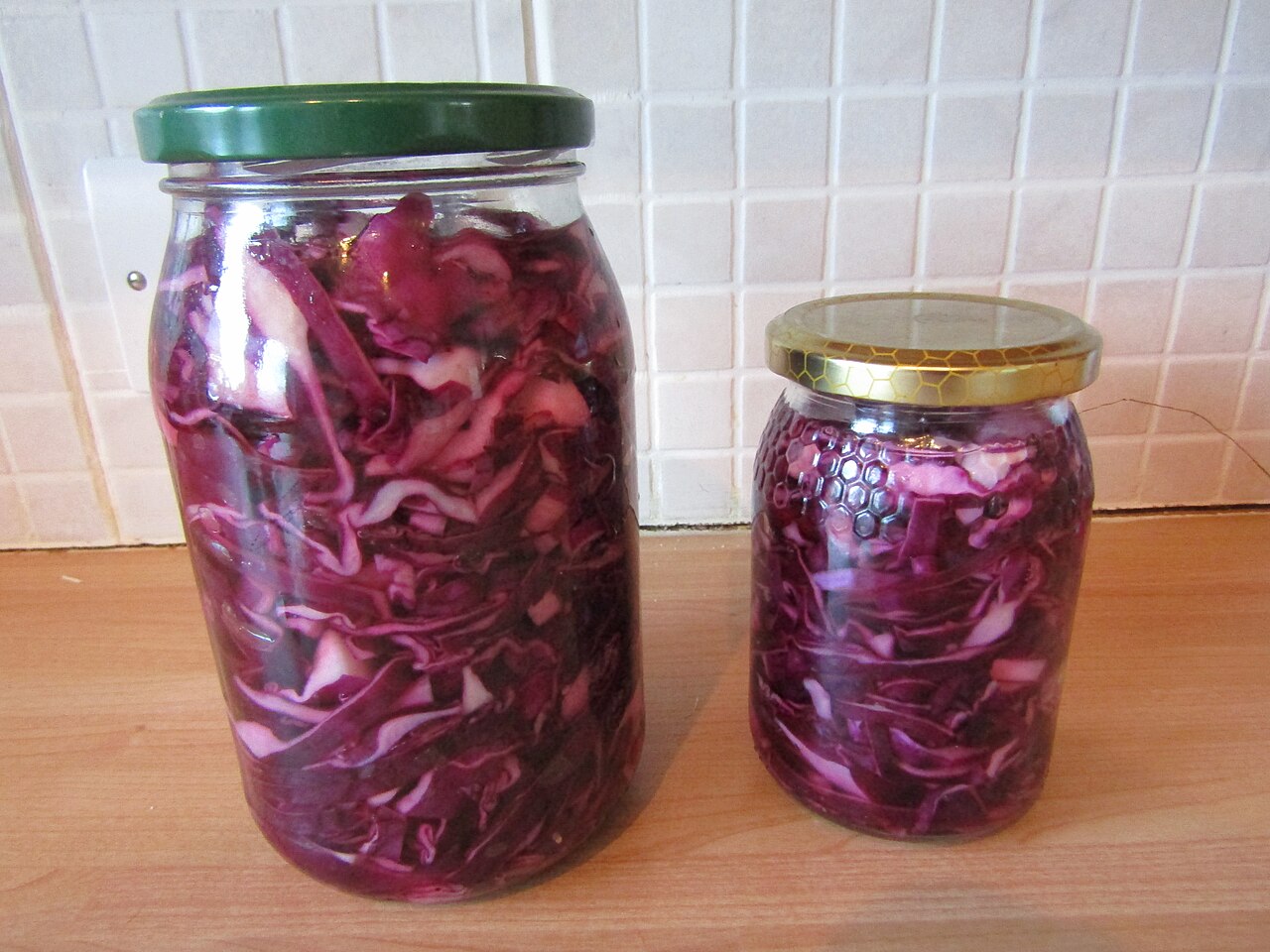
A fridge pickle is a cucumber (or a pepper, or a green bean) that takes a vinegar bath in the fridge. Vinegar is sour, and sour is a place where most spoilage microbes cannot live — so the pickle stays crunchy and safe while the fridge keeps it cold. This one is a team job: kids slice with a butter knife or snap beans by hand, and a grown-up handles the hot vinegar and the pouring. A day later, you have pickles. A week later, you have very good pickles.
🧅 Storing — Cool, Dark & Dry
Some foods do not need drying or freezing at all — they just need the right shelf. Onions, garlic, and sweet potatoes keep for months in a cool, dark, dry spot with air moving around them. A basket in a pantry beats a sealed plastic bag every time, because trapped dampness is what makes them sprout or rot. Cure onions in the sun for a few days first so their skins get papery, then store them like treasure. Because they are.
🧺 Tap a Food
Herbs, berries, peppers, or onions — tap one and find out the best way to keep it.
Tap one above! Its job and one wild fact will show up here.
So the next time the garden gives you forty of something, do not panic. Dry some, freeze some, pickle some, store some. Your future self — the one eating basil in February — says thank you.
🚀 Your Next Adventure
Food saved. Now the best part of all: cooking it. Time to plan a whole meal from the garden.
🌱 Keep learning
Three related guides worth reading next:
- Herbs for Kids — The plants you will be drying — mint, basil, rosemary, and friends.
- Seeds for Kids — Seeds store themselves for later too — same idea, built into nature.
- Grow Your First Garden for Kids — Where the forty tomatoes came from in the first place.