🌙 The Night Shift for Kids
When you go to bed, your garden does not go to sleep. It changes shifts. A whole second crew clocks in — pollinators, hunters, and glowing messengers — and they work all night while you dream.
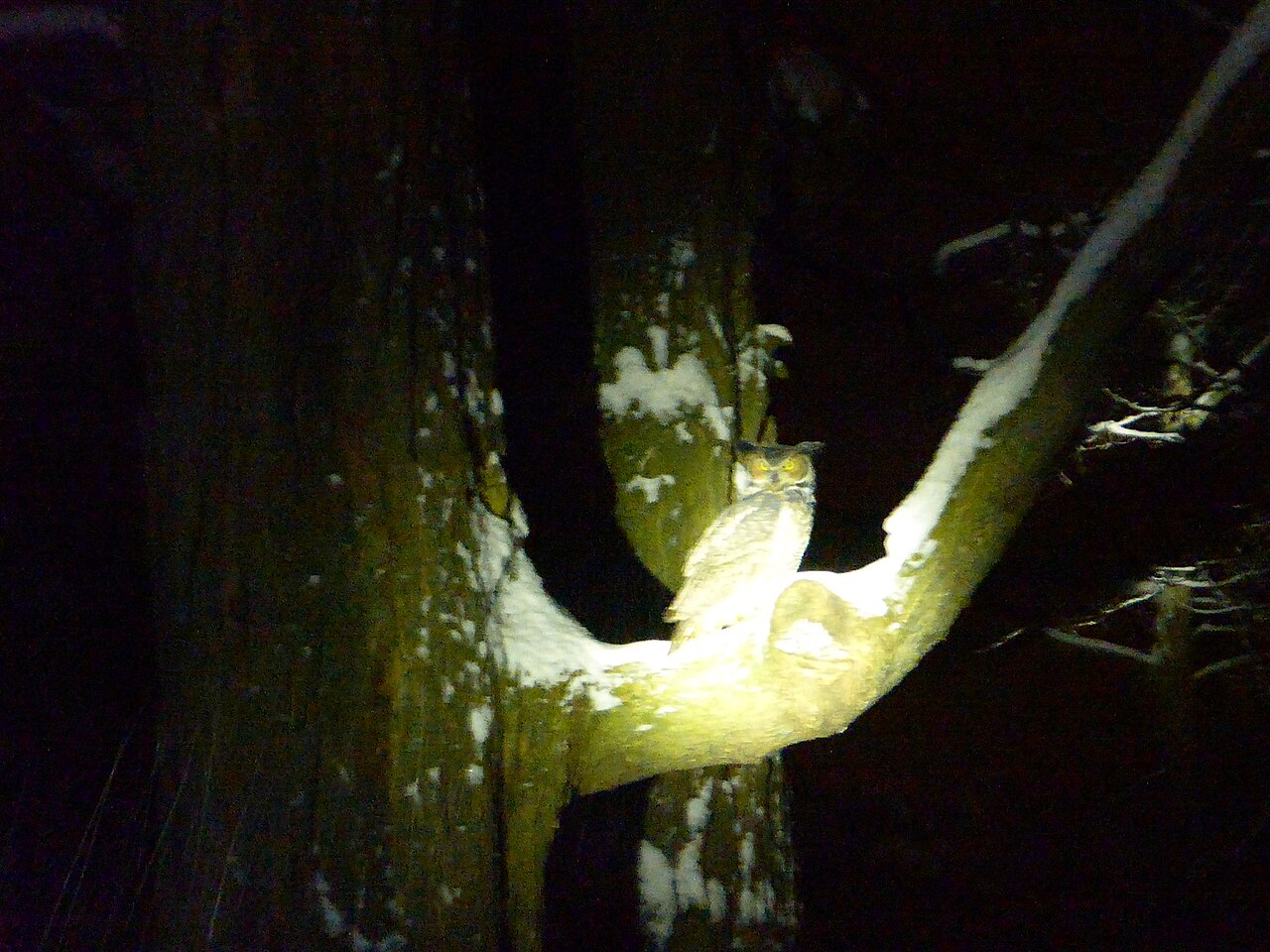
Grab a grown-up, step outside after dark, and meet them. (Bring a flashlight, but use it sparingly — bright lights bother the night crew, and you will read why in a minute.)
🌙 Meet the Night Crew
🦋 Moths — The Night Pollinators
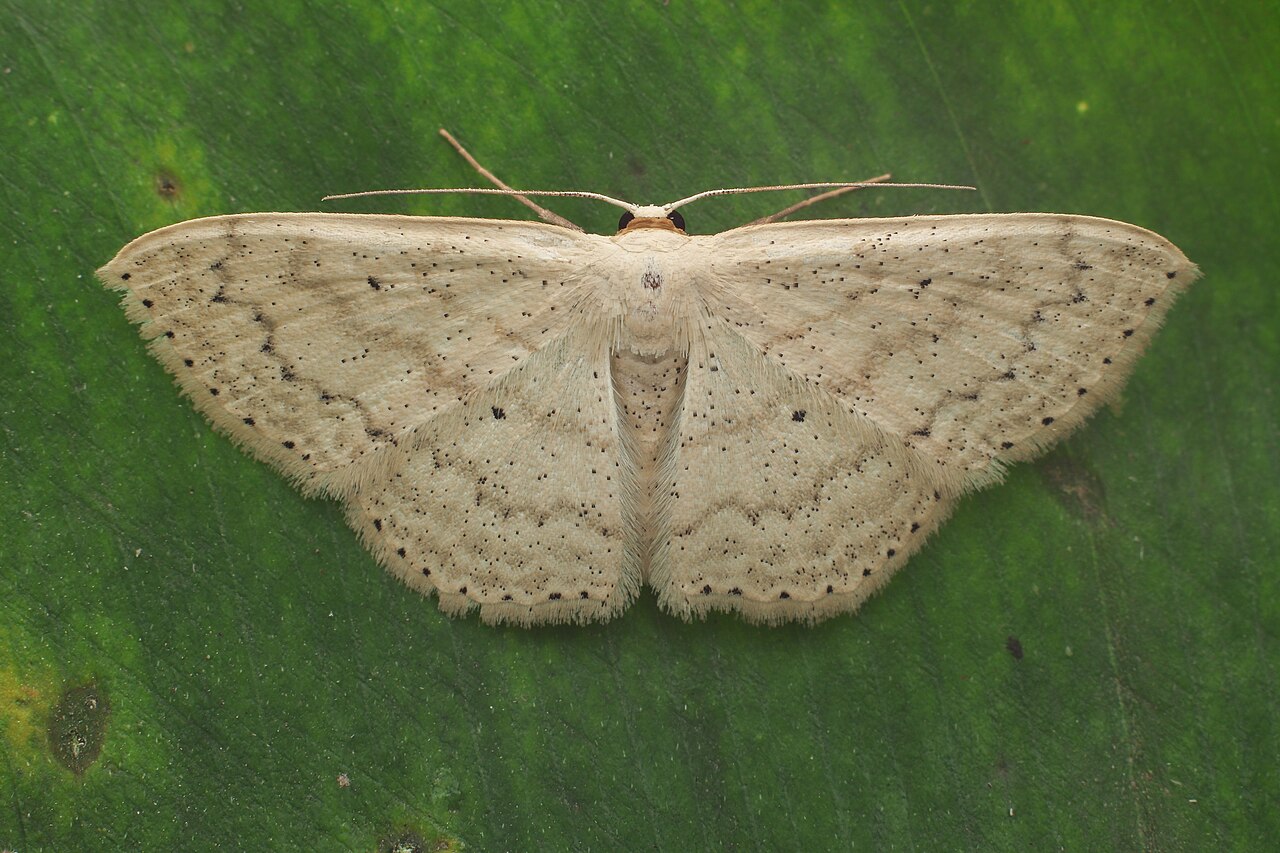
Butterflies get all the glory, but moths do the night half of pollination. While bees sleep, moths visit pale, sweet-smelling flowers that open after dark — white moonflowers, jasmine, and night-blooming cereus. Their fuzzy bodies carry pollen from flower to flower exactly the way bees do by day. There are far more moth species than butterfly species, and most of them work the night shift.
✨ Fireflies — The Living Lanterns
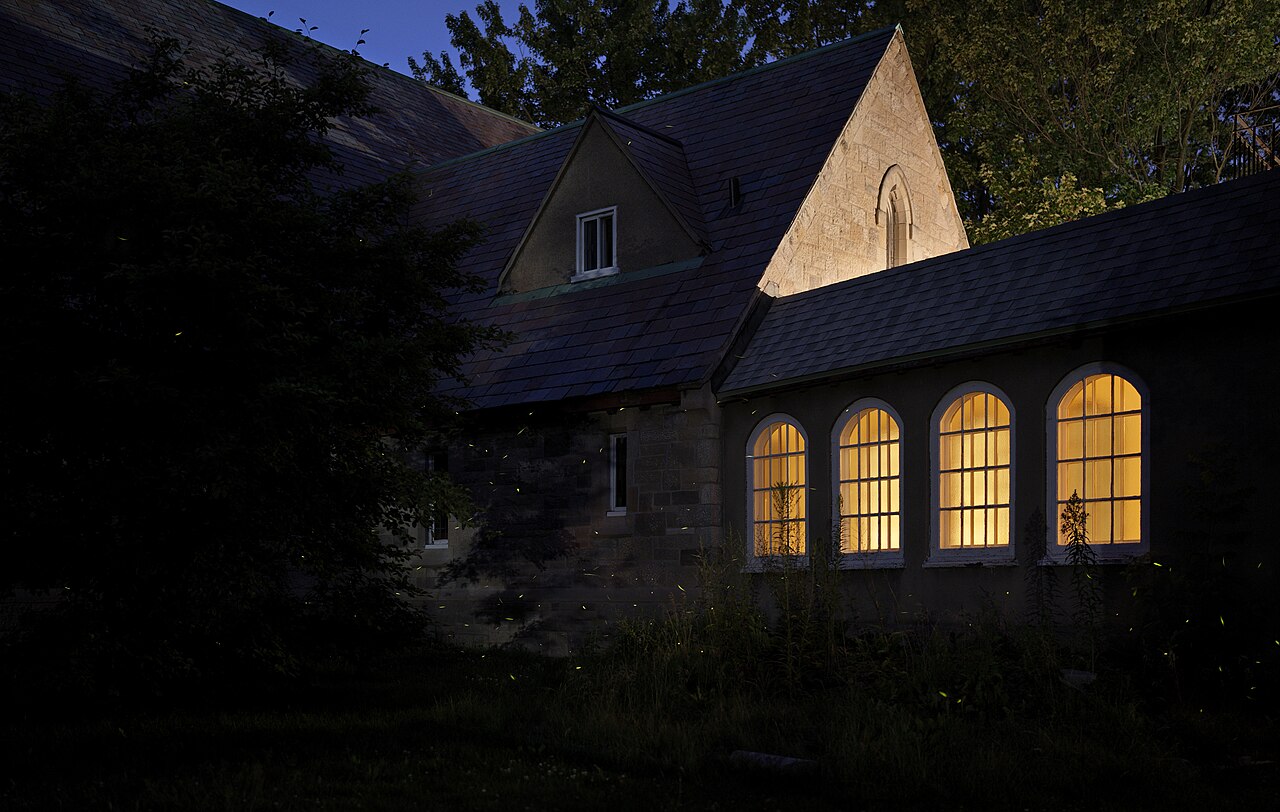
Fireflies (also called lightning bugs) are beetles that make their own light with chemistry. Inside their tails, two chemicals — luciferin and luciferase — mix with oxygen and glow. The light is almost completely cold: no heat wasted, just signal. Each species flashes its own pattern, like a secret code, and the flashes are messages — mostly males advertising and females answering back.
Florida has fireflies, and some of them glow instead of flashing, hovering low over grass and bushes like tiny drifting stars. If you catch one, look close, say wow, and let it go. It has messages to send, and a jar is a dead end for a conversation.
🦇 Bats — The Mammals That Fly
Bats are not birds. They are mammals — they have fur, they give birth to live babies, and they nurse them, just like cats and dogs. What makes them special is that they are the only mammals that truly fly. Florida bats, like the Brazilian free-tailed bat, spend the night eating insects — hundreds in a single night for one bat. That is pest control you never have to pay for.
Bats find their food in the dark with echolocation: they squeak sounds too high for us to hear, then listen for the echoes bouncing off insects. It is like shouting into a cave and hearing the shape of everything around you. Their ears do the seeing.
🌙 Tap a Night Worker
Each member of the night crew has a job. Tap one to see what it does while you sleep.
Tap a night worker above!
Its night job and one wild fact will show up here.
💡 Why Darkness Matters
Here is the part most people never think about: the night crew needs actual darkness to work.
Bright porch lights and streetlights confuse moths, pulling them away from flowers and into endless circling. Light pollution drowns out firefly flashes, so males and females can't find each other — imagine trying to have a conversation while someone shines a spotlight in your face. Even frogs, singing their night songs, get thrown off by too much light and noise.
The fix is beautifully simple: turn off outdoor lights you don't need. Use motion lights instead of all-night lights. Close the curtains. Every dark yard is a bigger, better workplace for the night shift — and you get more stars as a bonus.
So tonight, after bedtime stories, peek out the window. The day crew is asleep. The night crew is just getting started — and now you know their names.