🌀 Patterns in the Garden for Kids
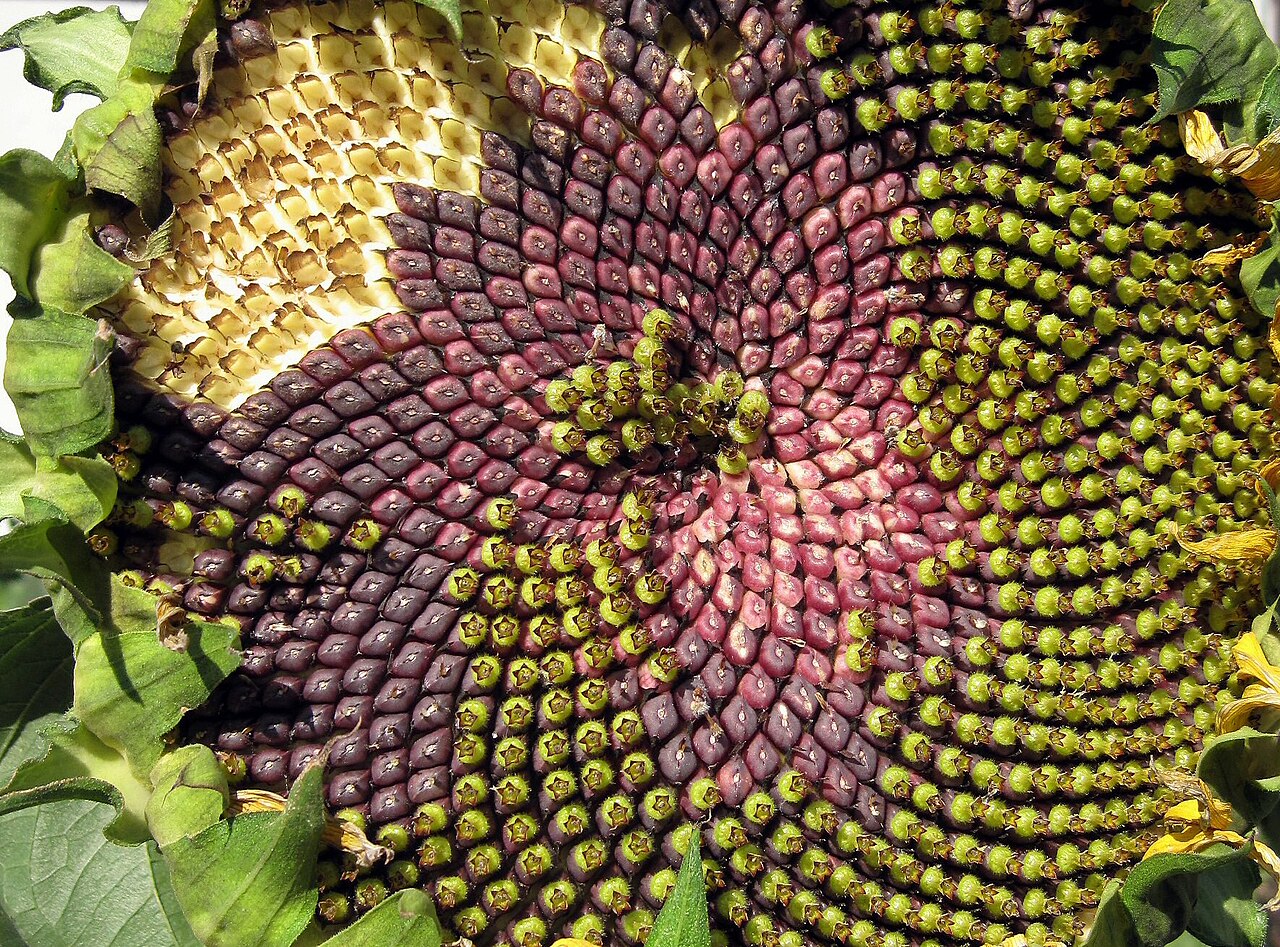
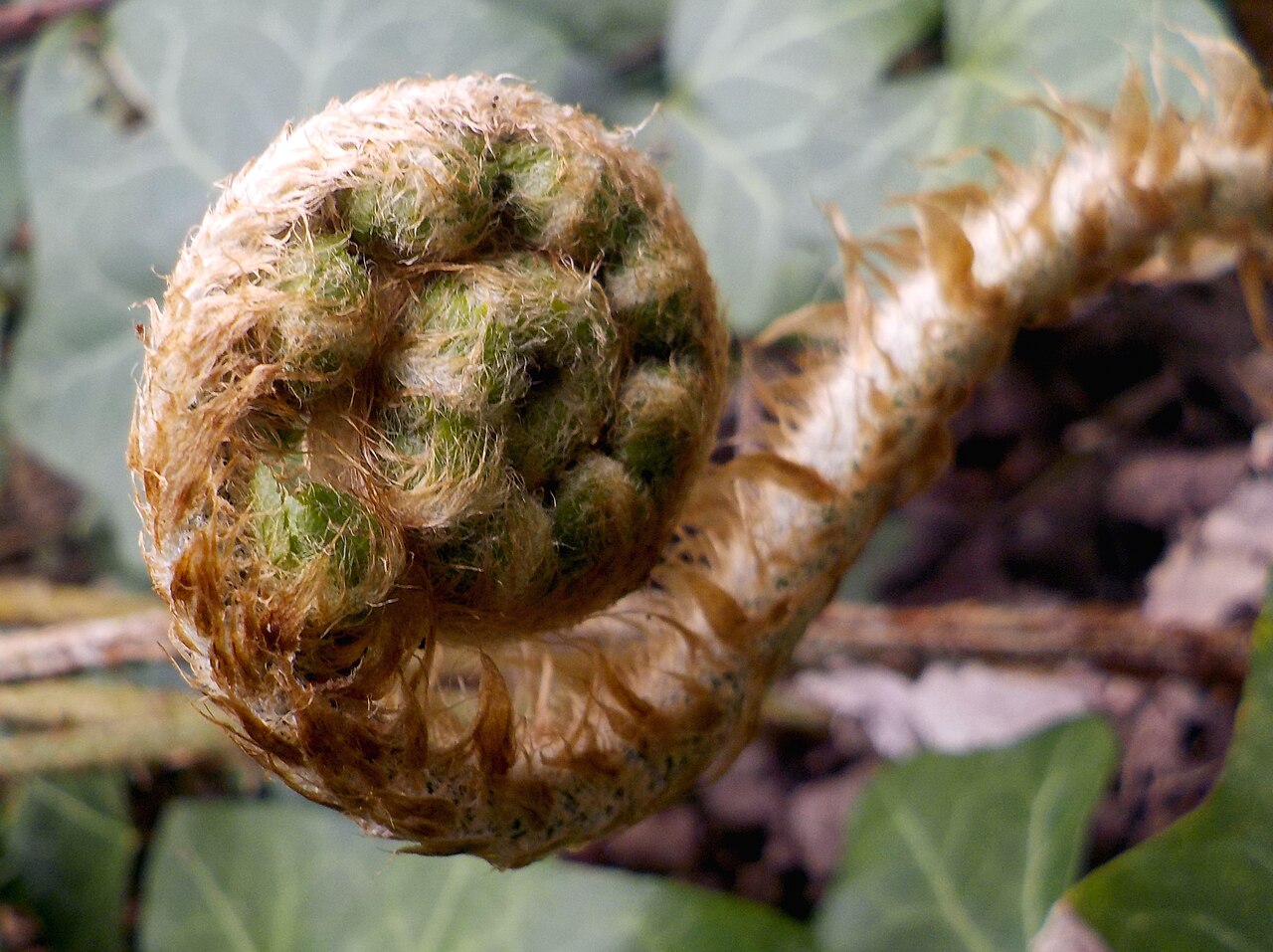
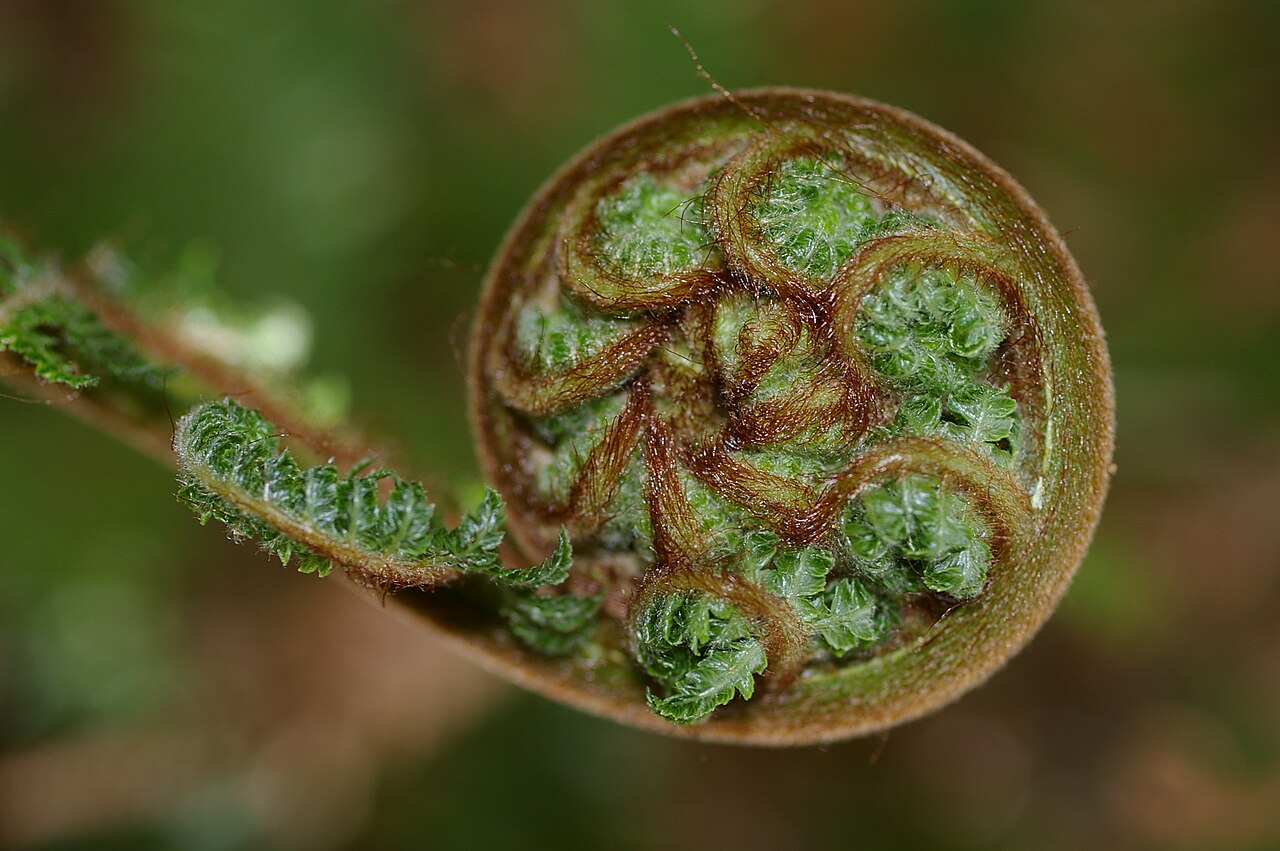
Look at a sunflower. Now look at a snail shell. Now look at a fern that is still unrolling. Three totally different things — and they are all doing the exact same shape: a spiral. Nature is a copycat, in the best way. It reuses a small set of favorite shapes over and over, in flowers and bugs and trees and rivers. Once you learn to spot those shapes, you will see them everywhere. That is pattern literacy: reading the garden the way you read a book, except the letters are spirals and branches and waves.
🌀 Spirals — The Curl That Grows
A spiral starts small and grows bigger as it curls outward, which makes it the perfect shape for packing a lot into a little space. A sunflower crams hundreds of seeds into one flat face by arranging them in spirals. A snail grows its shell in a spiral so its house can get bigger without ever changing shape. A fern frond unrolls like a party blower — botanists call that curl a fiddlehead, and it is a spiral doing its job: staying small and safe until it is ready to open.
🌳 Branching — The Split That Spreads
One thing splits into two, two split into four, four into eight — that is branching, and it is how nature reaches everywhere at once. A tree branches so every leaf gets sunlight. Roots branch so every root tip finds water. The veins in a leaf branch so the whole leaf gets fed. Even rivers branch: little streams join into bigger ones, like a tree lying on its side. If you want to move something to a lot of places at once — sunlight, water, food — you branch.
〰 Waves — The Wiggle That Travels
Waves show up wherever something moves through something else: wind through grass, water across a puddle, a snake across soft dirt. A wave is not a thing, it is a traveling wiggle. That is why the edge of some leaves is wavy — the leaf grew faster at the edge than in the middle, so the extra edge had to wiggle somewhere. And it is why a caterpillar walks in a wave: it grips with its back legs, humps its middle up, then reaches forward. Wiggle, grip, reach. Wiggle, grip, reach.
🔥 Spots & Stripes — The Pattern That Hides or Warns
Spots and stripes are nature's billboards and camouflage at the same time. A ladybug's bright dots shout "don't eat me, I taste terrible," which is why birds leave them alone. A caterpillar's stripes can break up its outline so a hungry bird cannot tell where the caterpillar ends and the leaf begins. And the rings on a tree stump are a pattern too — one ring per year, wide rings for rainy years, narrow rings for dry ones. A tree keeps its own diary, written in circles.
🌀 Tap a Pattern
Spiral, branch, wave, or spot — tap one and find out where it hides in your yard.
Tap one above! Its job and one wild fact will show up here.
So here is your new superpower: everywhere you go, you will see the same four shapes hiding in plain sight. A spiral in a snail, a branch in a leaf, a wave in the grass, spots on a beetle. The garden has been speaking in patterns all along. Now you can read it.
🚀 Your Next Adventure
Patterns found. But a pattern is only half the story — the other half is where each thing lives and why. Time to read the whole yard like a story.
🌱 Keep learning
Three related guides worth reading next:
- Seeds for Kids — Tiny survival pods with a packed lunch — and a spiral or two hiding inside.
- Flowers for Kids — Petals, patterns, and the shapes flowers use to get noticed.
- Trees for Kids — The biggest branchers in the yard — a whole pattern library in one tree.