🐌 Snails & Slugs for Kids
Go out after rain, or early in the morning, and look under a pot, a board, or a big leaf. Chances are something slow, slimy, and wonderful is there. Snails and slugs are the garden's slowpokes — and slowpokes, it turns out, are fascinating.
Here is the first surprise: snails and slugs are basically the same animal. Both are gastropods (say it: GAS-tro-pods), soft-bodied mollusks related to clams and octopuses. The difference is luggage. A snail carries a shell. A slug left its shell at home — evolutionarily speaking — and never went back for it.
🐌 Meet the Slowpokes
🐌 Garden Snail — The One With the House
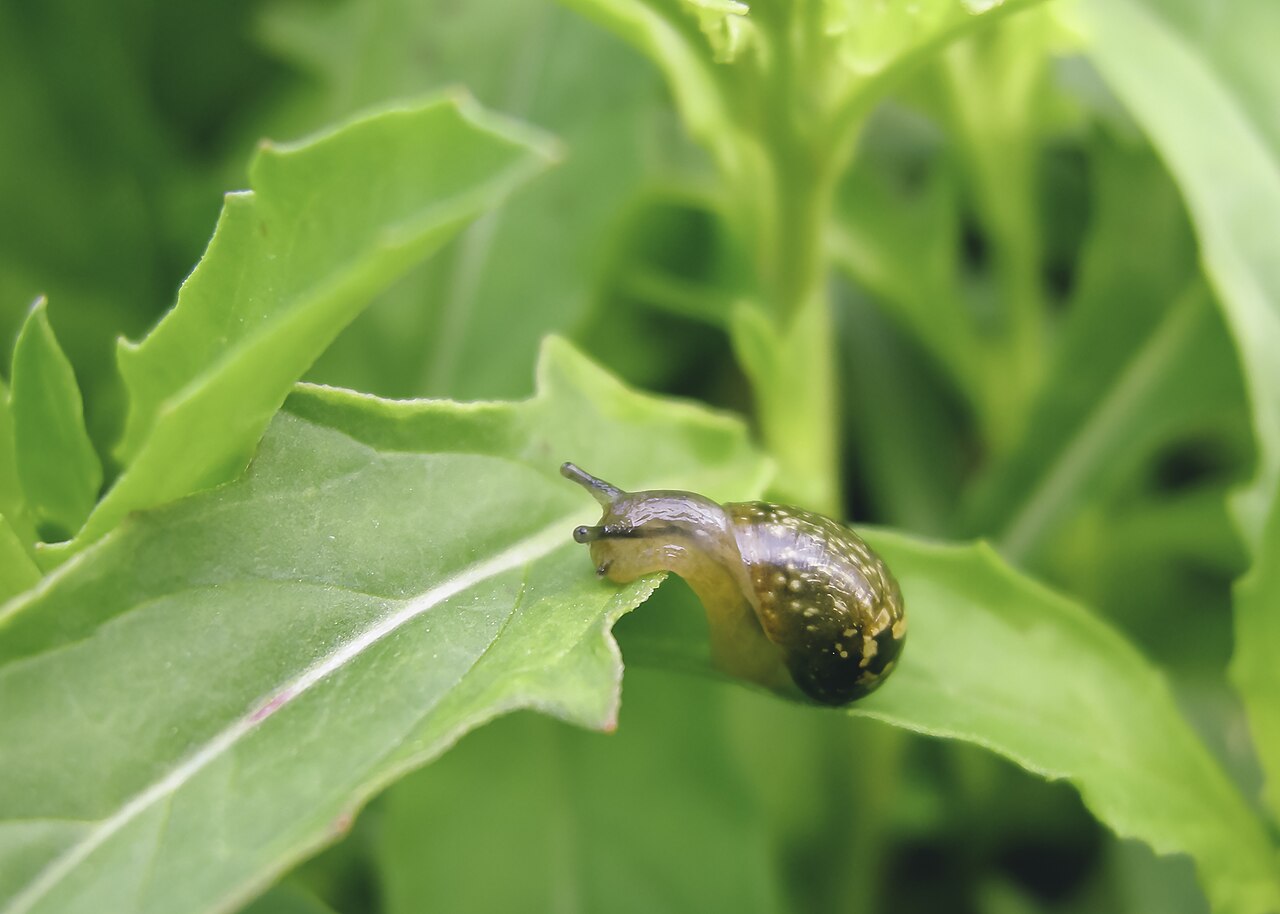
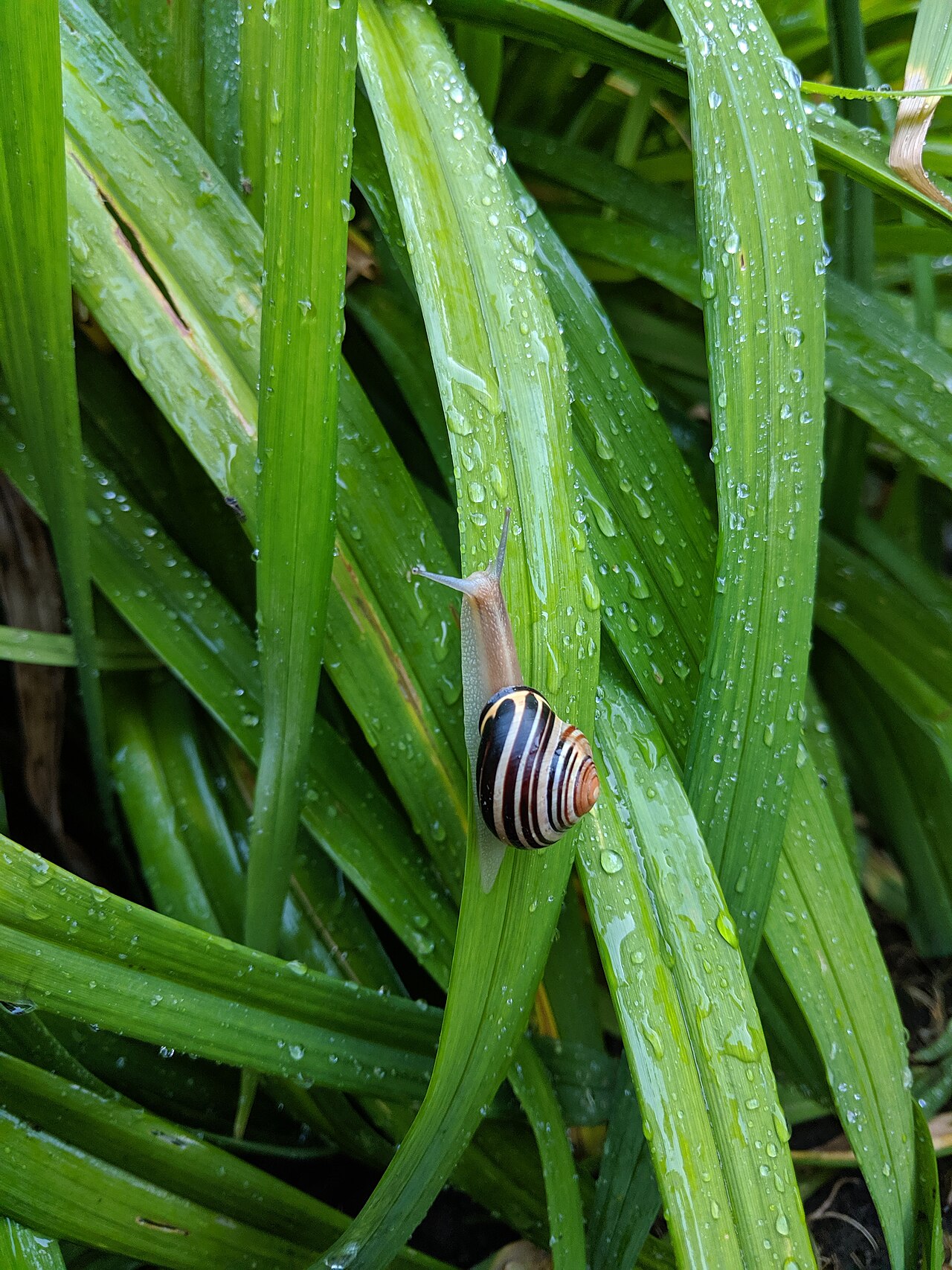
A garden snail's shell is its home, its armor, and its life story all in one. The shell grows with the snail, ring by ring, and it is made of calcium carbonate — the same stuff as chalk and eggshells. When danger comes, the snail pulls its whole soft body inside and waits. The shell is also why snails love gardens with limestone or eggshells around: building a shell takes calcium, and a snail has to eat its building materials.
🪱 Slug — The One Without
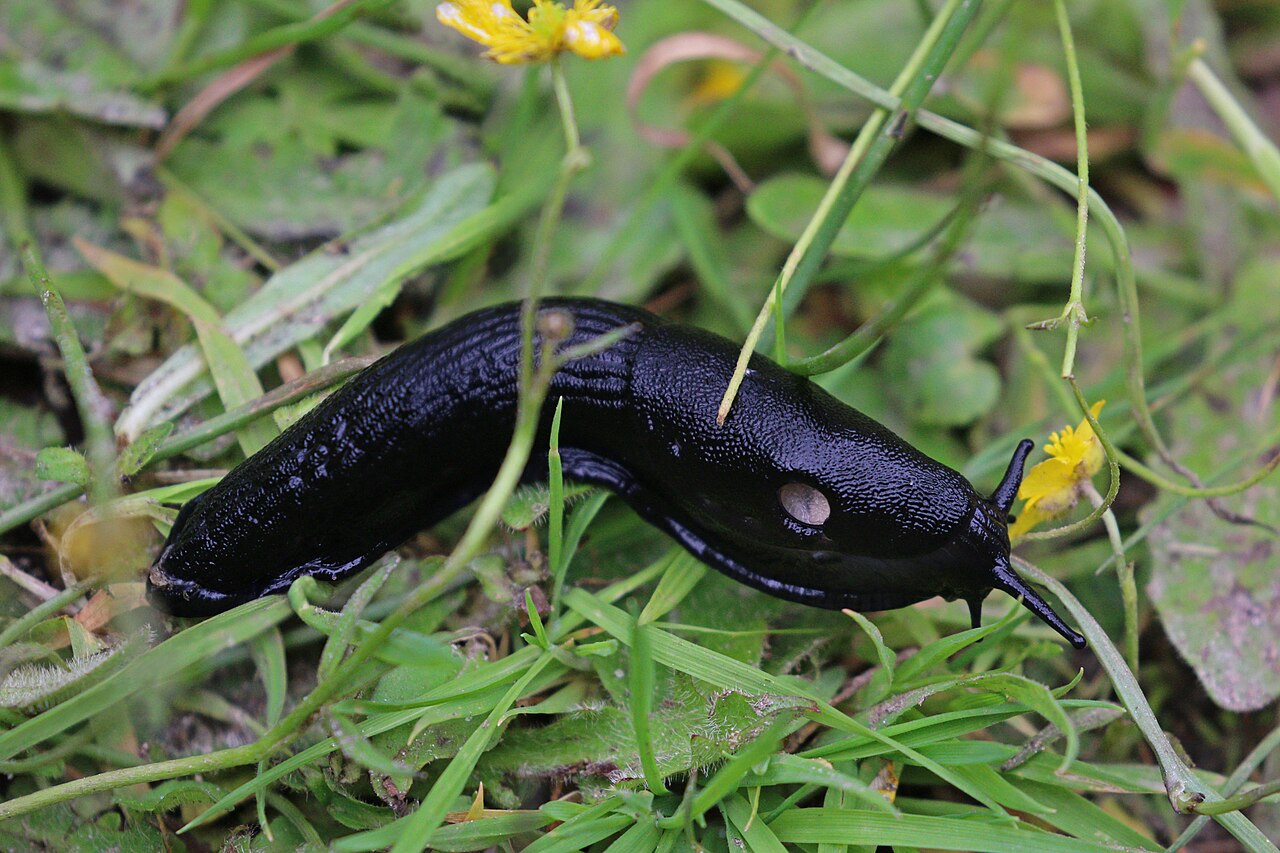
Slugs do everything snails do, just without the house. That makes them faster (for a slowpoke) and more flexible — they can squeeze into tighter hiding spots. It also makes them more vulnerable to drying out, which is why slugs are creatures of damp and dark: night, rain, shade, and the undersides of things. A slug in the sun is a slug in trouble, so they hide by day and cruise by night.
🦁 Decollate Snail (Rumina decollata) — The Hunter
Here is the plot twist: some snails hunt other snails. Decollate snails — long, pointy-shelled snails found in Florida gardens — eat garden snails and slugs. Gardeners in citrus country actually welcome them, because a snail that eats pest snails is a snail on your side. Snail-eat-snail world out there.
💎 Florida Tree Snail (Liguus fasciatus) — The Jewel
Florida tree snails live in the trees of South Florida and wear shells painted in bands of pink, yellow, green, and white — like tiny jewels hanging in the canopy. They are protected and precious, which means the rule is extra firm: look, photograph, admire, never collect. A jewel stays in the tree.
🐌 Tap a Slowpoke
Shell or no shell? Tap one to meet it.
Tap a slowpoke above!
Its story and one wild fact will show up here.
🌿 Pests, Prey, and the Food Web
Snails and slugs eat seedlings, lettuce, and soft leaves — which is why gardeners grumble about them. But they are also food for birds, toads, beetles, and decollate snails, which is why the birds guide and the frogs guide both matter here: take away the slowpokes and you take away dinner for half the yard. A garden with zero slugs is a garden with hungry birds.
Want to find them? Look in the morning, after rain, under pots and boards and big leaves — their daytime hiding spots. Count what you find, notice shell patterns, and put everything back where you found it. You are a scientist doing a survey, and the slowpokes are your data.
So slow down — literally — and meet the slowpokes. One foot, one slime wave, and a whole life lived at a pace the rest of the garden never bothers to try. There is something to admire in that.