🕷️ Spiders for Kids
First, the most important spider fact of all: spiders are not insects. Insects have six legs. Spiders have eight. That alone makes them a whole different kind of animal — arachnids, cousins of scorpions and ticks, running around on eight legs and doing just fine, thank you.
Second most important fact: spiders are your garden's friends. A single spider eats flies, mosquitoes, and garden pests all day long, for free, without spraying anything. If you like your garden, you like spiders — even if they make you jump a little. Especially then. That jump means they are doing their job where you can see them.
🕷️ Meet the Spiders
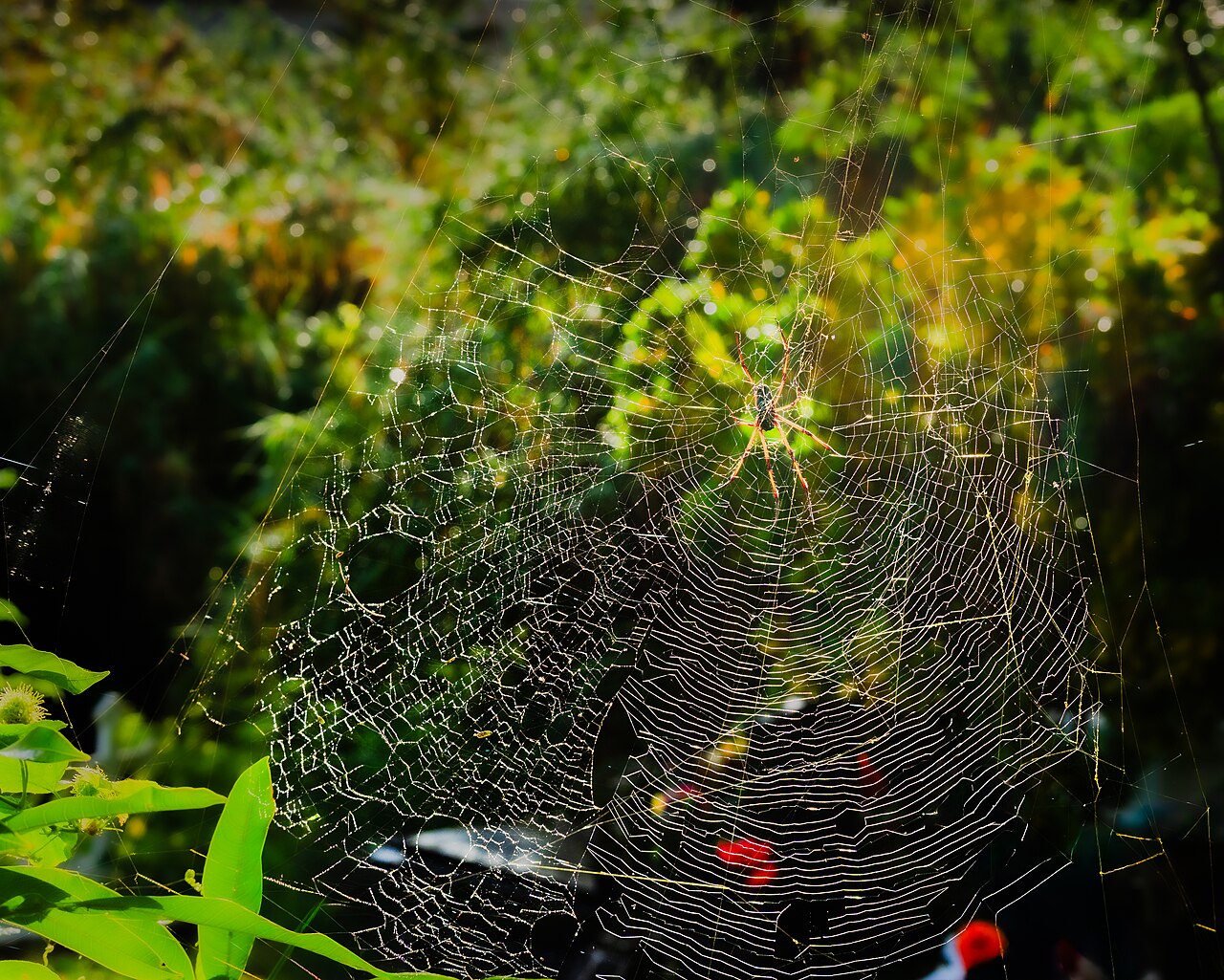
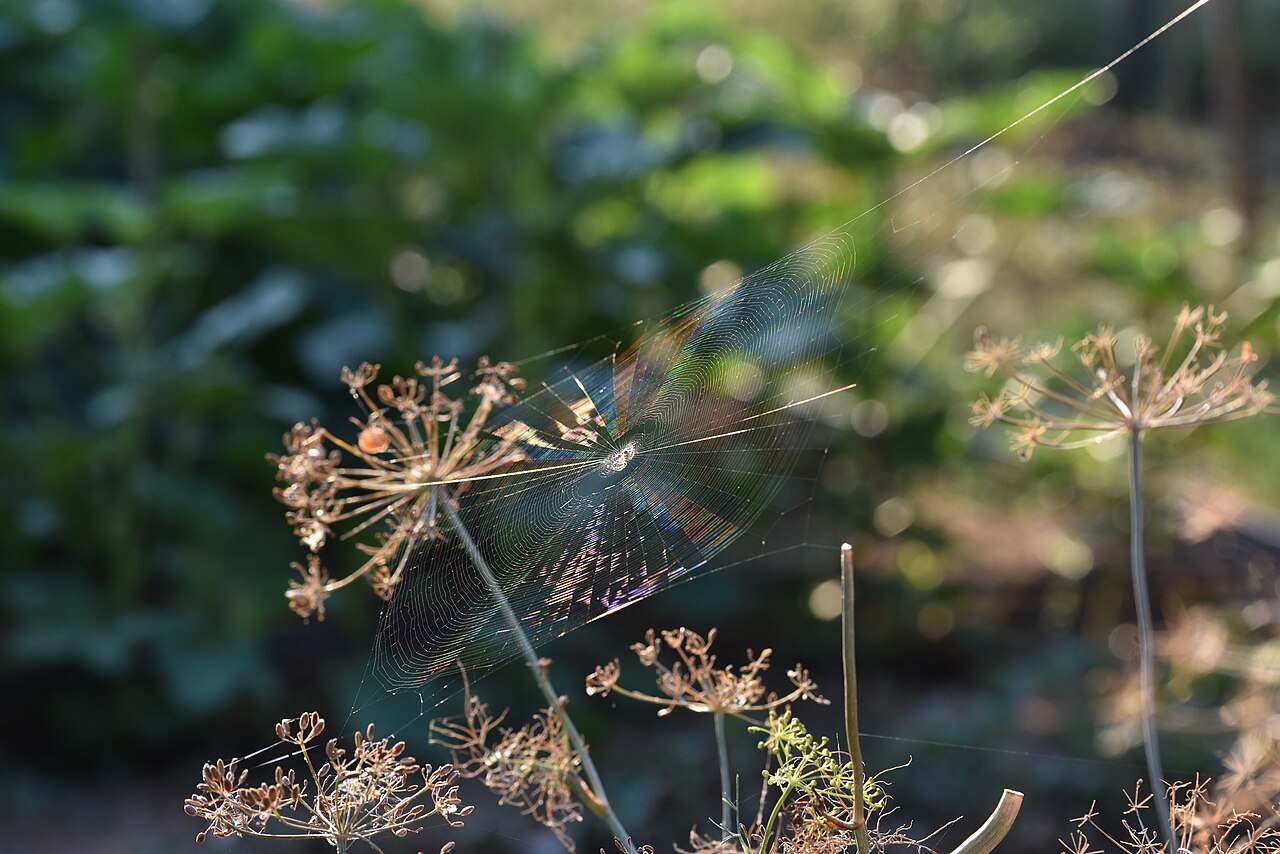
🕸️ Orb Weaver — The Engineer
Orb weavers build the classic spiral webs — the round, wagon-wheel webs you picture when someone says "spiderweb." Many orb weavers rebuild their web every single night, eating the old silk to recycle it and spinning fresh. That is like demolishing your house every evening and rebuilding it before bed, using the same bricks. They sit in the middle (or hide nearby with one foot on a signal thread) and wait for dinner to fly in.
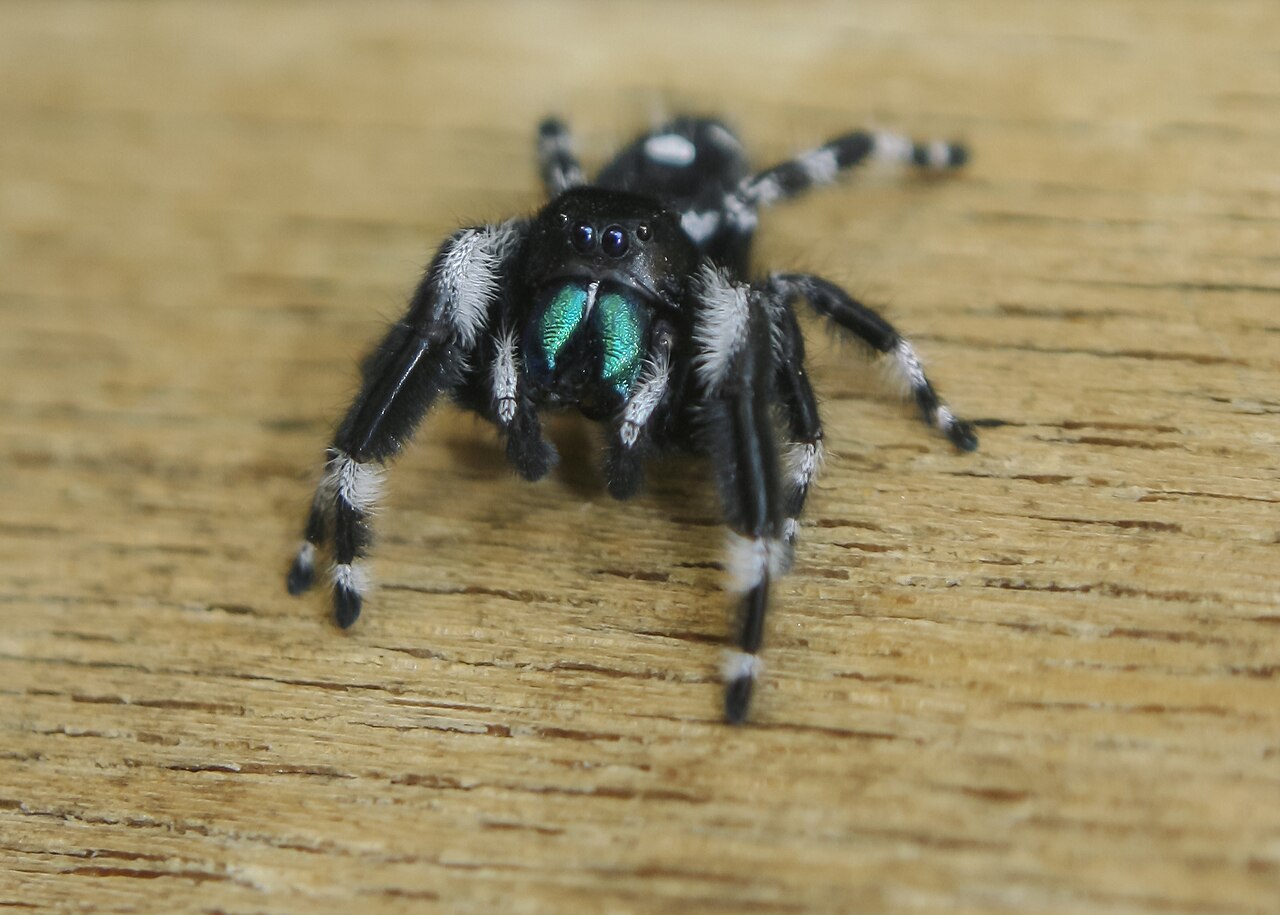
🦘 Jumping Spider — The Cute One
Jumping spiders are tiny, fuzzy, and famously adorable — big front eyes that look right at you, little waving front legs, and jumps many times their own body length. They do not build webs to catch food. They hunt on foot, stalking like tiny cats and then pouncing. If a spider ever looks curious about you, it is probably a jumping spider. Say hi. (From a distance. They are still wild animals.)
🐺 Wolf Spider — The Hunter on Foot
Wolf spiders do not build webs at all. They run down their prey on the ground, fast and low. Mother wolf spiders carry their babies on their backs — dozens of tiny spiderlings riding around like passengers on a bus. If you ever see a big spider covered in tiny dots, that is a mom giving her kids a lift. Admire, do not disturb.
🌸 Crab Spider — The Ambush Artist
Crab spiders hide in flowers, often white or yellow ones, and wait. They can even change color slowly to match the flower they are sitting on. When a bee or fly lands for nectar, the crab spider grabs it. It is not mean — it is a predator doing predator things, and it keeps pollinator populations balanced. Flowers are not just for bees. Sometimes they are also a spider's office.
🕷️ Tap a Spider
Every spider hunts differently. Tap one to see its style.
Tap a spider above!
Its hunting style and one wild fact will show up here.
🌿 Why Gardens Need Spiders
Spiders eat the insects that eat your plants — aphids, flies, mosquitoes, moths, and more. A garden with spiders is a garden with fewer pests and zero sprays. That is why the good-bugs guide counts spiders as allies: they are pest control with eight legs and no invoice.
Want more spiders in your yard? Leave a few undisturbed corners — a brush pile, tall grass at the edge, bushes that don't get pruned into boxes. Spiders need places to build and hide. A too-tidy yard is a spider desert. A slightly wild edge is spider paradise.
So next time you see a web sparkling in the morning light, stop and look. An engineer built that overnight, out of her own body, stronger than steel — and she is about to spend the whole day catching your garden's pests for free. That deserves a little respect. And maybe a little awe.