🌼 Wildflowers for Kids
A lawn is a desert with good PR. It is green, it is neat, and almost nothing lives in it. A wildflower patch is the opposite: messy, colorful, buzzing, and full of life. Wildflowers are flowers that grow on their own in Florida — no planting, no watering, no gardener — and they feed more pollinators than a whole neighborhood of lawns ever will.
The flowers guide taught you flower parts and how to grow garden flowers. This guide is about the flowers that plant themselves — Florida's natives, doing fine without any help from us, and feeding everybody while they are at it.
🌼 Meet the Wildflowers
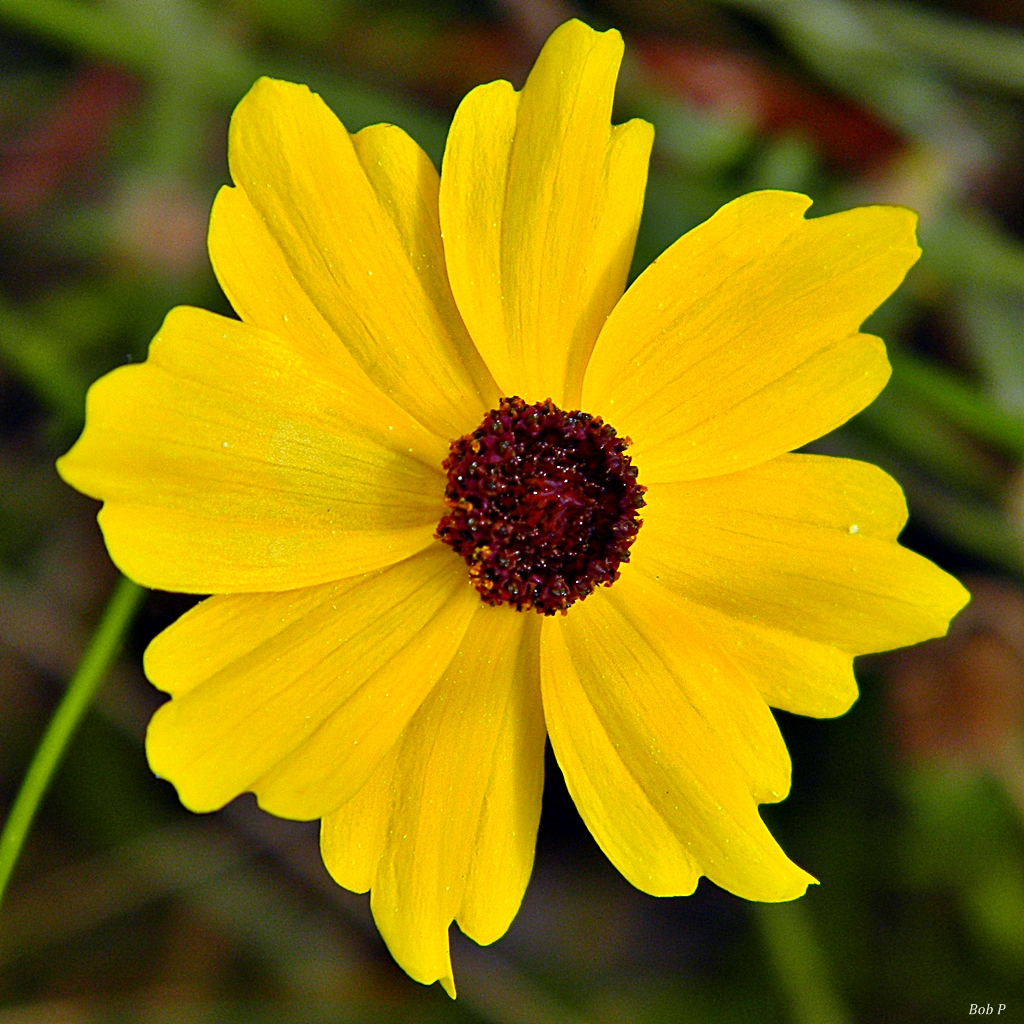
🌼 Coreopsis (Coreopsis) — The State Wildflower
Coreopsis is Florida's state wildflower — golden-yellow, daisy-shaped, and everywhere once you start looking: roadsides, meadows, open fields, all over the state. It blooms for months, feeds bees and butterflies the whole time, and reseeds itself so next year's patch plants itself. A flower so Floridian the state picked it as its own. When you see a roadside blazing yellow in spring, you are probably looking at coreopsis.
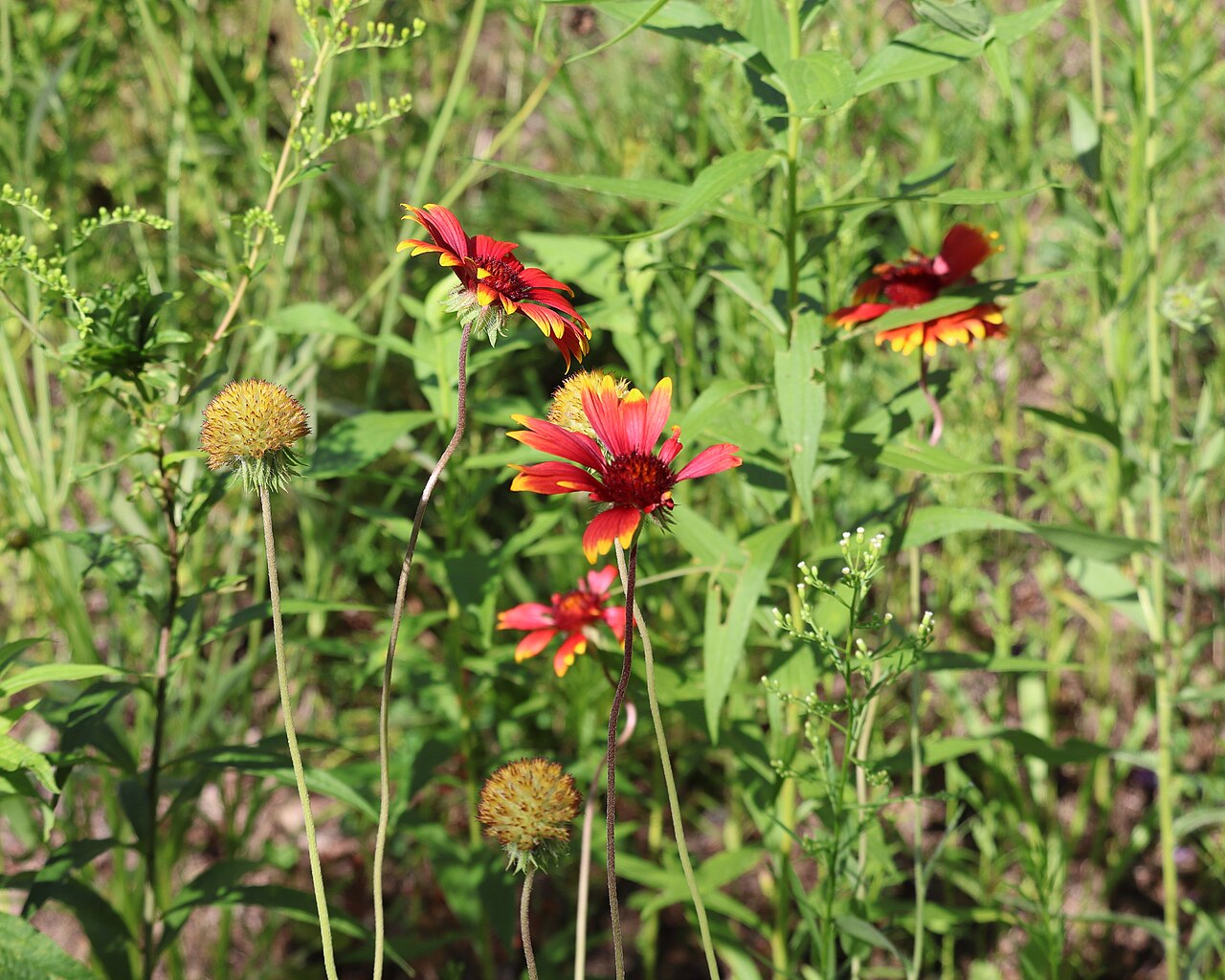
🌺 Blanketflower (Gaillardia pulchella) — The Sunset Flower
Blanketflower looks like a sunset decided to be a flower: red centers bleeding into yellow tips, on plants that love sun, sand, and neglect. It is a Florida native that thrives in the poor sandy soil other flowers sulk in — the same sandy soil the whole site keeps talking about. Blanketflower doesn't just tolerate Florida. It prefers Florida.
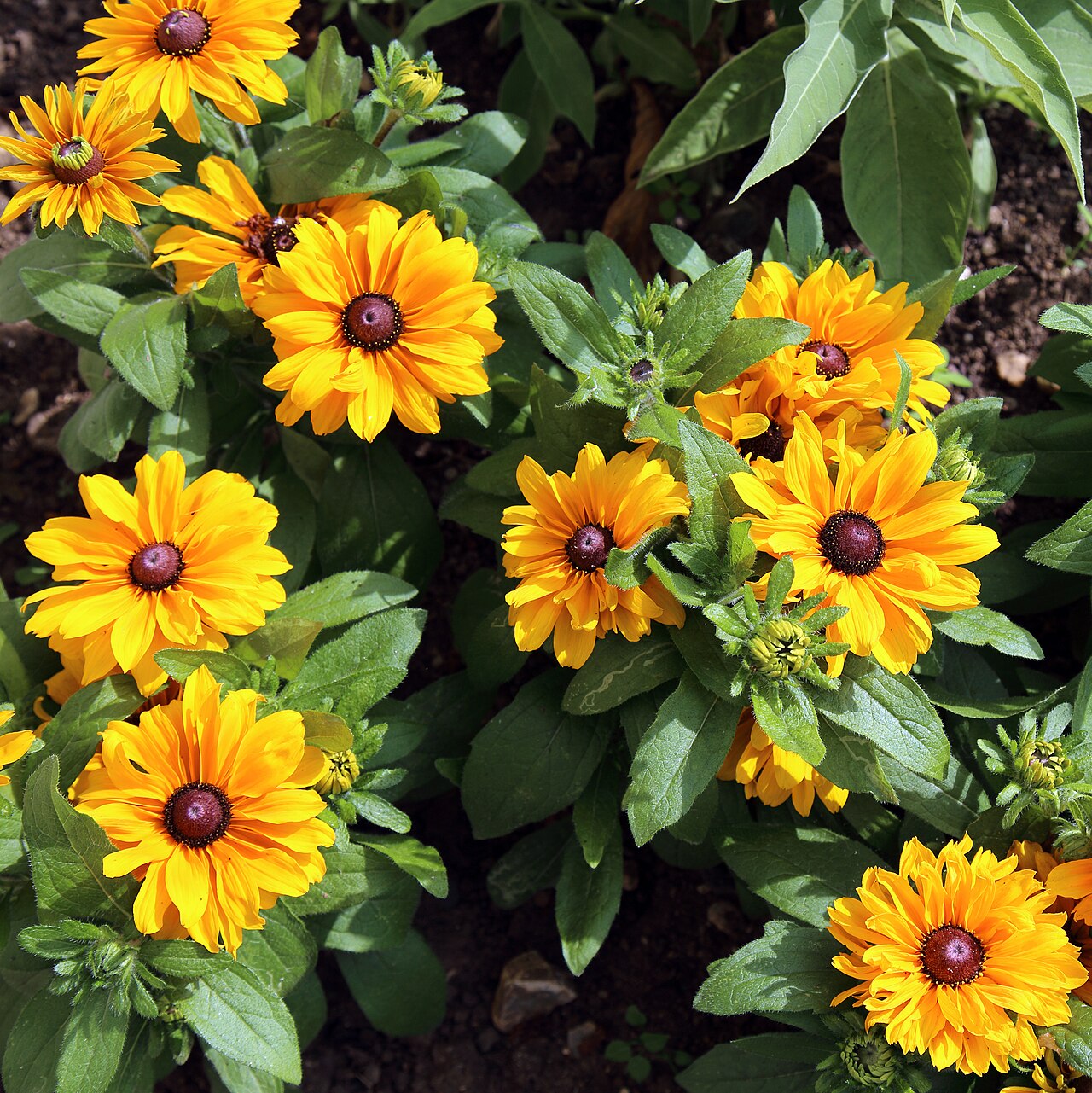
🌻 Black-Eyed Susan (Rudbeckia) — The Cheerful Classic
Black-eyed Susans are golden petals around a dark brown center — the flower emoji, basically, growing wild. They bloom big, they bloom long, and they bring bees, butterflies, and beetles (you met all three) to whatever patch they are in. Plant them once, in a sunny spot, and they come back and spread, like they are grateful.
🌸 Sunshine Mimosa (Mimosa strigillosa) — The Shy One
Sunshine mimosa is a groundcover with pink powder-puff flowers — and leaves that fold up when you touch them. Touch a leaf, watch it fold, wait, watch it open again. It is not scared. It is a plant trick: folding makes the leaf less tasty-looking and less easy to grab, and it costs the plant almost nothing. A flower that plays peekaboo with you, on purpose, for science.
🌼 Tap a Wildflower
State flower, sunset flower, classic, or shy one? Tap one.
Tap a wildflower above!
Its story and one wild fact will show up here.
🌿 Why Meadows Beat Lawns
A lawn needs mowing, watering, and feeding, and gives back almost nothing to wildlife. A wildflower patch needs almost nothing and gives back everything: nectar for bees (you met them), host plants for butterflies (you met them), seeds for birds (you met them), and cover for beetles and lizards (you met them too). The whole adventure trail eats at the wildflower patch. Leave a corner of your yard wild — unmowed, unsprayed, sunny — and watch who moves in. The answer will be: everybody.
Want a wildflower patch? Start small: one sunny corner, nursery-grown native plants or seeds (not dug-up wild ones — see the grownup box), no sprays, and patience. Year one looks scraggly. Year two looks like a meadow. Year three, you will wonder why the whole yard isn't one.
So let a corner go wild. Watch the yellow roadsides in spring and name them coreopsis. Touch a mimosa leaf and watch it fold. A lawn is a desert with good PR — but a wildflower patch is a party, and the whole trail is invited.