
🌿 Melomelo Kava
What it looks like
Why this variety
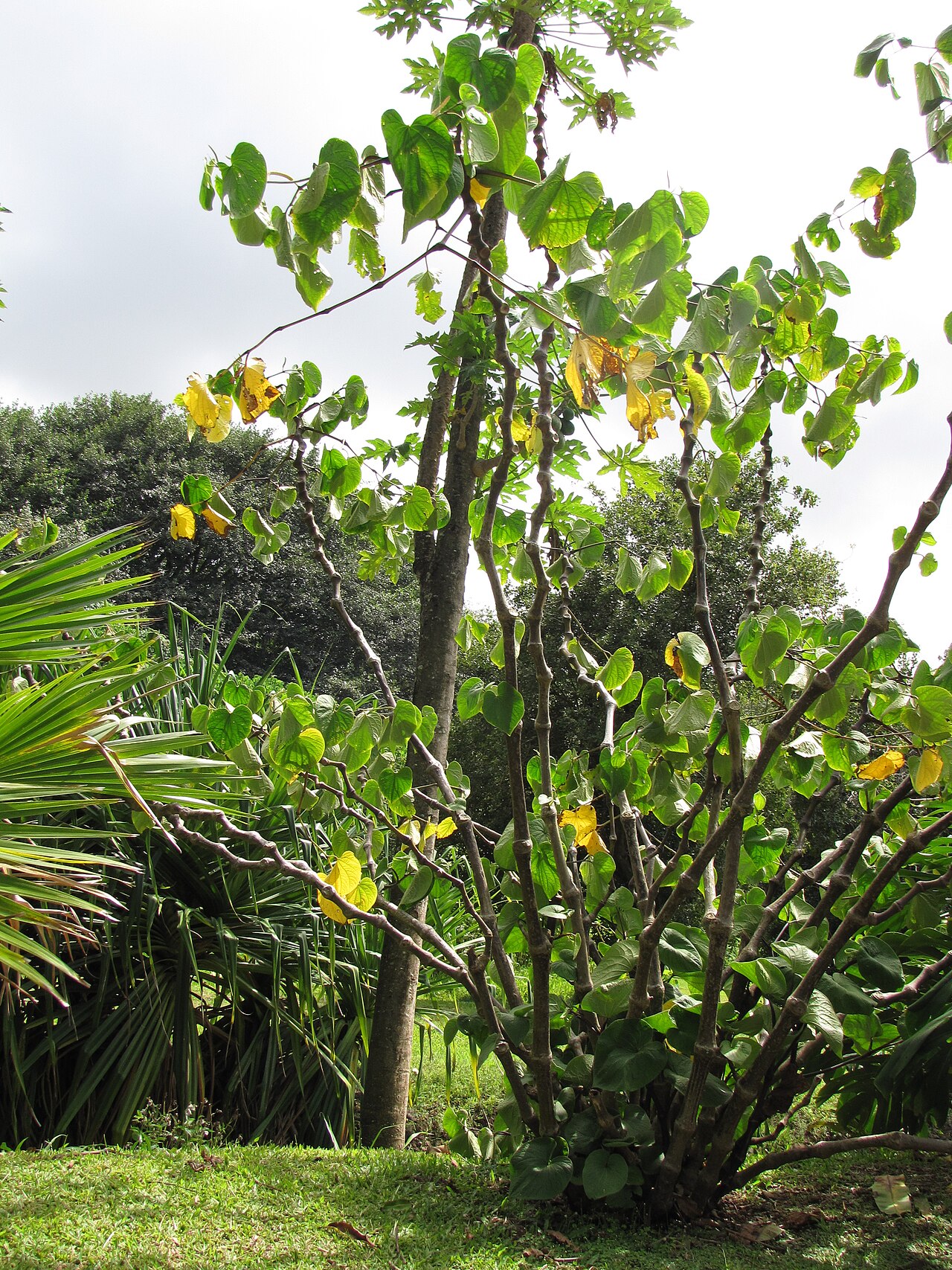
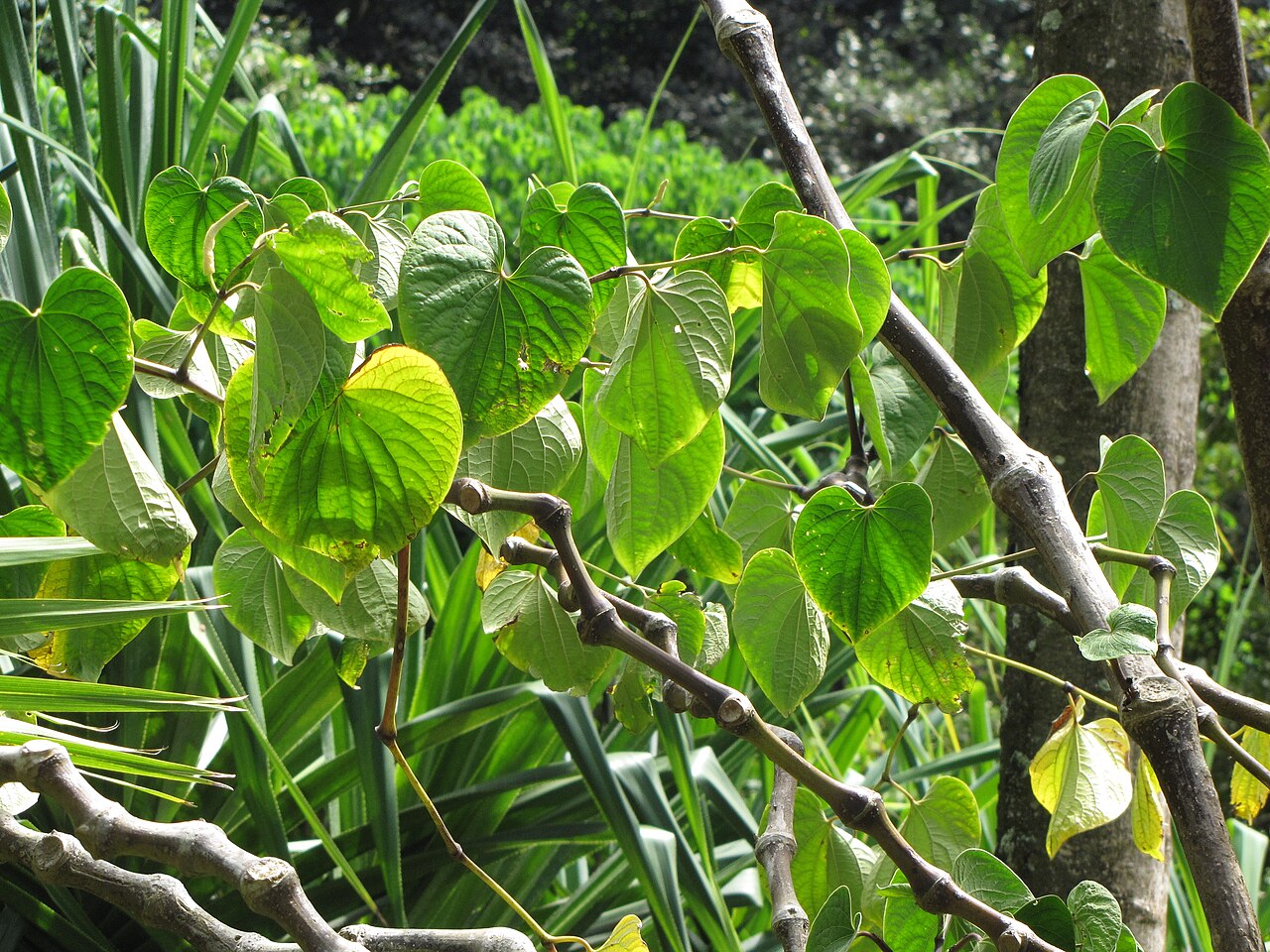
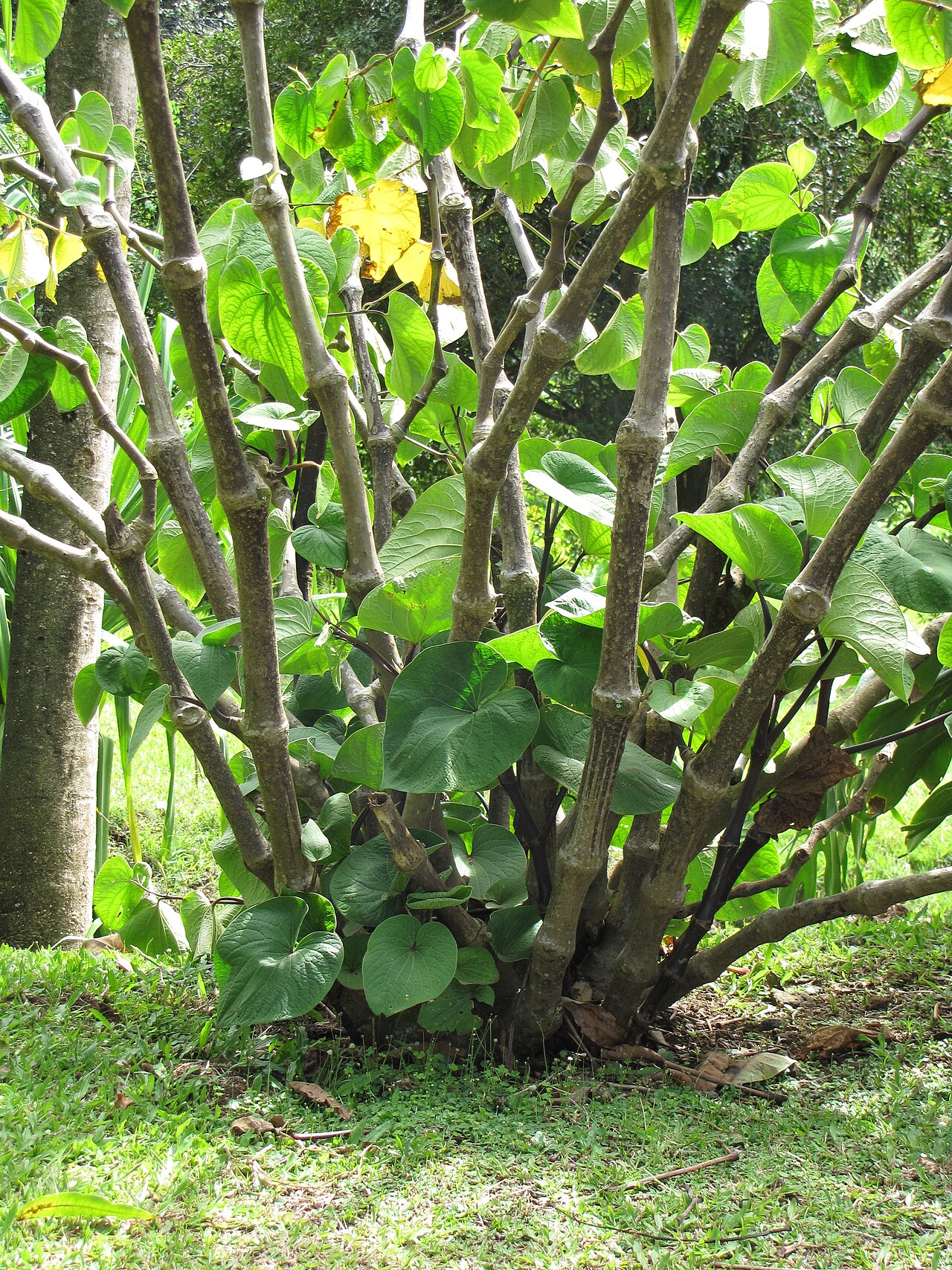
Melomelo is the gentle noble kava: a cultivar from Ambae Island, Vanuatu (called sese in north Pentecost), known for a mild, balanced, sweetly relaxing character that makes it one of the most approachable noble kavas for the traditional drink. Where some kavas are heady or heavy, Melomelo is described as mellow — the kava equivalent of a soft-spoken guest — and it is one of the three Vanuatu noble varieties most widely sold and documented, alongside Borogu and Borongoru. Like all kavas, it is grown for its lateral roots, harvested after years, and its appeal is in the root’s kavalactone profile: the mix of compounds that gives each cultivar its character, with Melomelo’s leaning toward calm rather than intensity.
The trade-off is the same kava trio: years to harvest, frost tenderness, and caution. Melomelo needs three to five years before its roots mature, dies at frost, and wants a humid, shaded, frost-free spot — South Florida outdoors at best, a greenhouse elsewhere in the state. It is propagated from cuttings, not seed, because kava cultivars are sterile clones. And the safety note stands: kava has been linked to liver concerns, noble kavas are preferred because their chemistry is better understood, and this guide describes a plant and a tradition, not a recommendation to consume it. Research current safety guidance before considering kava in any form.
If you are new to choosing between cultivars, the Varieties Matter guide explains why the name after the plant matters as much as the plant itself. Melomelo is a perfect example: it is not just a kava in the abstract, it is a kava with a specific job, a specific history, and specific strengths.
Florida honesty: kava is a South Florida trial at best, not a statewide crop, and Melomelo follows the same map as Borogu — frost-free warmth, humidity, part shade, rich moist soil, and a sheltered microclimate, or a container that moves under cover. In Central and North Florida it is a greenhouse curiosity, and this guide says so plainly. If you grow Melomelo in Florida, grow it as a conversation and a botanical interest — a Pacific Island pepper relative thriving, briefly and carefully, far from home — not as a production crop.
How to grow
Plant stem cuttings in spring in part shade and rich, moist, mulched soil, in the most sheltered, humid, frost-free microclimate you own — kava wants shade, warmth, humidity, and moisture, not sun, frost, or drought. Work worm castings and compost into the bed at planting, water consistently, and mulch deeply to hold moisture and keep roots cool. Stake young plants if needed, protect from wind, and be patient: kava takes three to five years before its roots are worth harvesting, and it is propagated from cuttings, not seed, because its cultivars are sterile clones. In Central and North Florida, grow kava in a greenhouse or large container that moves under cover.
Set plants 6-10 feet apart in soil with a pH around 5.5-6.5. Work worm castings into the bed at planting and mulch to hold moisture. A well-fed kava plant rewards that care directly: steadier growth, better bloom, and a show that actually shows up.
Water & feeding
Keep soil evenly moist and mulched — kava wants tropical moisture, humidity, and cool roots, and it wilts fast in dry soil and sulks in wind. Water at the soil line, mulch deeply to hold moisture and keep roots cool, and feed lightly: castings and compost at planting plus a spring top-dress. Do not let a kava dry out, especially while young, because a dried-out kava stalls for a season, and do not waterlog it either: kava wants moist soil, not standing water, and its roots rot in a swamp. In a greenhouse, humidity matters as much as water — mist or group plants to keep the air damp.
Common problems
- Frost death outside the tropics — kava dies at frost; in Florida it is a South Florida trial or a greenhouse plant, full stop.
- Years to harvest — roots take three to five years to mature; a kava planted this year is not a crop, it is a commitment.
- Liver-safety concerns — kava has been linked to liver issues; this guide describes a plant and a tradition, not a recommendation to consume it, and research current safety guidance first.
- Root rot in waterlogged soil — kava wants moist soil, not standing water; improve drainage and do not plant where rain ponds.
- Wind shredding and drying — kava wants shelter and humidity; site it protected, mulch deeply, and group plants for humidity in greenhouses.
Harvest
Harvest roots only from mature plants, three to five years old, digging lateral roots in the dormant season and leaving the main crown to regrow if you want the plant to continue — kava is a roots crop, and its harvest is an event, not a weekly picking. Wash roots thoroughly, and note the caution that belongs with any kava harvest: this guide describes a plant and a Pacific Island tradition, not a recommendation to consume it, and anyone considering kava should research current safety guidance first. In Florida, most kava plants will never be harvested at all — they are trial plants, grown for the conversation, and that is a legitimate harvest too.
Browse all plant & pest guides
Saving seeds
Melomelo is the gentle noble kava: a cultivar from Ambae Island, Vanuatu, known for a mild, balanced, sweetly relaxing character that makes it one of the most approachable noble kavas for the traditional drink, and one of the three Vanuatu noble varieties most widely sold and documented, alongside Borogu and Borongoru. Like all kavas, it is grown for its lateral roots, harvested after three to five years — and it is propagated from cuttings, not seed, because its cultivars are sterile clones. Plant stem cuttings in spring in part shade and rich, moist, mulched soil, in the most sheltered, humid, frost-free microclimate you own. The full method is in the Propagation section of the Kava guide.