
🌸 Texas Pink Skullcap
What it looks like
Why this variety
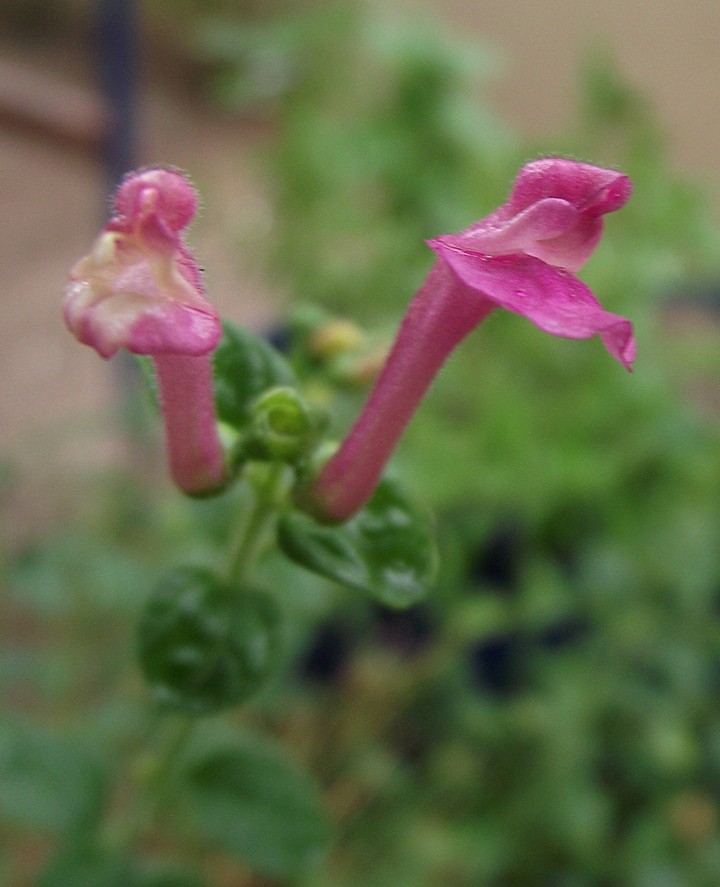
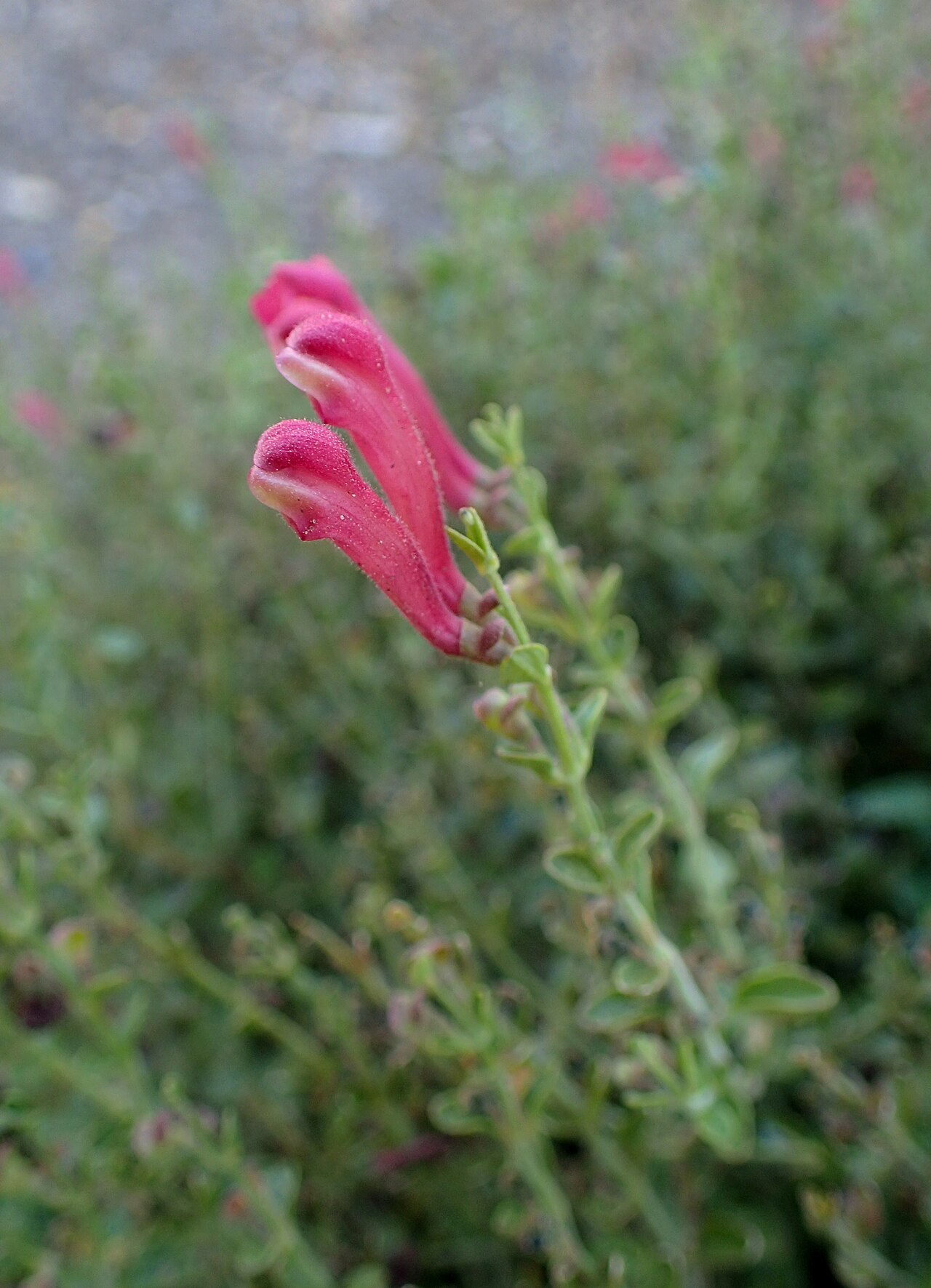
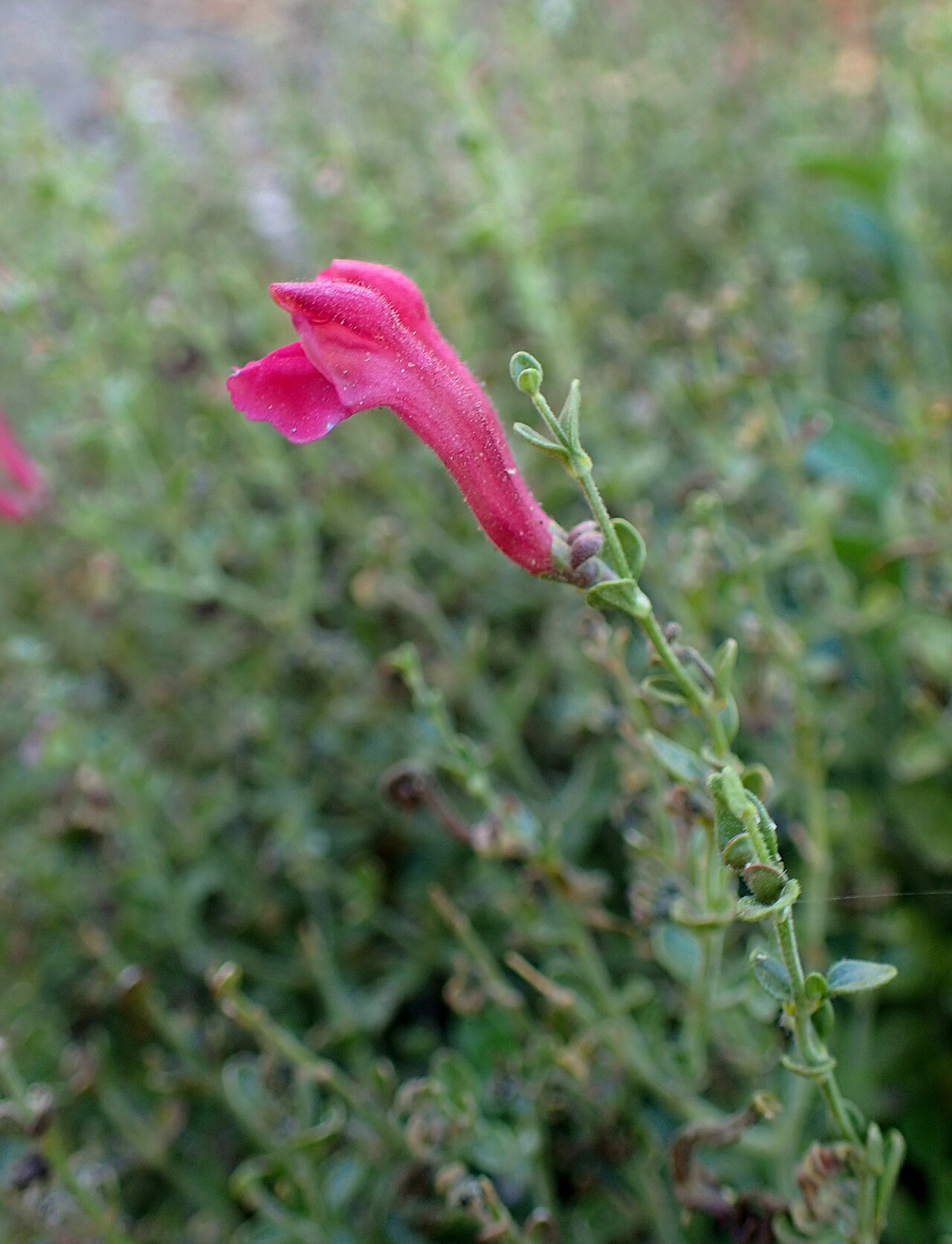
Texas Pink is the skullcap for gardeners who want pink, not blue: a selection of Scutellaria suffrutescens, the Texas or cherry skullcap, a low, mounding, evergreen subshrub with small, thyme-like leaves and bright rosy-pink flowers that appear after Memorial Day and do not quit for months. It is happy in full sun but also blooms in shade, it is a cheerful border and edging plant, and its long season — pink from late spring into fall — is longer than most skullcaps manage. If you want skullcap as a pink groundcover rather than a blue spike, Texas Pink is the selection to plant.
The trade-off is that Texas Pink is a subshrub, not a herbaceous perennial that disappears in winter: it keeps its foliage in mild winters, it wants sun to part shade and drainage, and it can get woody and leggy if never pruned. Give it drainage, shear lightly after each flush to keep it mounding, and cut back woody stems in spring. It is drought-tolerant once established, so water only to establish and through long dry spells, and do not overfeed it — rich soil makes lush leaves and fewer flowers. Texas Pink is a long-season pink for dry, sunny gardens, and it earns its place by blooming when other pinks have finished.
If you are new to choosing between cultivars, the Varieties Matter guide explains why the name after the plant matters as much as the plant itself. Texas Pink is a perfect example: it is not just a skullcap in the abstract, it is a skullcap with a specific job, a specific history, and specific strengths.
Florida honesty: Texas skullcap is a genuine Florida plant — it wants sun, drainage, and warmth, and it grows statewide, perennial where frost-free, with a long pink season. Give Texas Pink sun to part shade, sharp drainage, and a raised bed in heavy soil, and water only to establish. In North Florida, mulch the crown for winter; in Central and South Florida, it is evergreen and blooms for months. It is a Florida-friendly skullcap, not a trial, and its pink season in Florida heat is the proof — plant it at a border edge and let it run pink all summer.
How to grow
Plant in spring, after frost danger, in full sun to part shade and well-drained, lean to moderately rich soil — skullcap wants sun, drainage, and room for air, and different species want different moisture, so match the species to the spot: prairie types want dry sun, Texas types want sun to part shade with drainage, and wetland types want moisture. Work a little worm castings into the bed at planting, space 12 to 18 inches apart, mulch lightly, and do not overfeed, because rich soil makes lush leaves and fewer flowers. Prune lightly after bloom to keep plants mounding, and divide congested clumps in spring.
Set plants 12-18 inches apart in soil with a pH around 6.0-7.5. Work worm castings into the bed at planting and mulch to hold moisture. A well-fed skullcap plant rewards that care directly: steadier growth, better bloom, and a show that actually shows up.
Water & feeding
Water to establish, then water according to species — prairie and Texas skullcaps tolerate drought once established and want drainage, while wetland skullcaps want consistent moisture. Water at the soil line, do not mulch heavily against crowns, and feed lightly: castings at planting is usually enough. In a dry spell, water prairie types only if they wilt; in a wet spell, drainage is the care program for dry types, because crown rot in stagnant water kills them outright. Match water to species, and skullcap will reward you with months of bloom.
Common problems
- Crown rot in waterlogged soil — dry-type skullcaps want drainage; do not plant them where rain ponds, and use a raised bed in heavy soil.
- Leggy growth in shade or rich soil — give skullcap sun and lean soil, not shade and fertilizer, for compact, floriferous plants.
- Confusion between species — medicinal skullcap (S. lateriflora) is a different species from ornamental skullcaps; do not use ornamental types medicinally, and do not assume one species’ uses apply to another.
- Woody, leggy subshrubs if never pruned — shear lightly after each flush and cut back woody stems in spring to keep plants mounding.
- Self-seeding — skullcap seeds freely; deadhead before seed ripens if you do not want volunteers, or edit seedlings in spring.
Harvest
Cut a few flowering stems for small bouquets in summer, when flowers are fully open — skullcap lasts a few days in water and suits wildflower-style arrangements, though it is best admired in the garden, where pollinators work its two-lipped flowers all day. Deadhead or shear lightly after each flush to prolong bloom, leave the last flush standing for pollinators in fall, and cut back woody stems in spring. Do not harvest ornamental skullcap for medicine — medicinal skullcap is a different species, and ornamental types are for looking at, not for tinctures.
Browse all plant & pest guides
Saving seeds
Texas Pink is the skullcap for gardeners who want pink, not blue: a selection of Scutellaria suffrutescens, the Texas or cherry skullcap, a low, mounding, evergreen subshrub with small, thyme-like leaves and bright rosy-pink flowers that appear after Memorial Day and do not quit for months. It is happy in full sun but also blooms in shade, it is a cheerful border and edging plant, and its long season — pink from late spring into fall — is longer than most skullcaps manage. If you want skullcap as a pink groundcover rather than a blue spike, Texas Pink is the selection to plant. As a named skullcap selection it is kept true vegetatively, not by seed — propagate it by cuttings or division, because seed from a Texas Pink plant will not give you the same rosy-pink flowers. The trade-off is that Texas Pink is a subshrub, not a herbaceous perennial that disappears in winter: it keeps its foliage in mild winters, it wants sun to part shade and drainage, and it can get woody and leggy if never pruned. Give it drainage, shear lightly after each flush to keep it mounding, and cut back woody stems in spring. It is drought-tolerant once established, so water only to establish and through long dry spells, and do not overfeed it — rich soil makes lush leaves and fewer flowers. Texas Pink is a long-season pink for dry, sunny gardens, and it earns its place by blooming when other pinks have finished. The full method is in the Saving seeds section of the Skullcap guide.