
🏛️ Digitata Oriental Plane
What it looks like
Why this variety
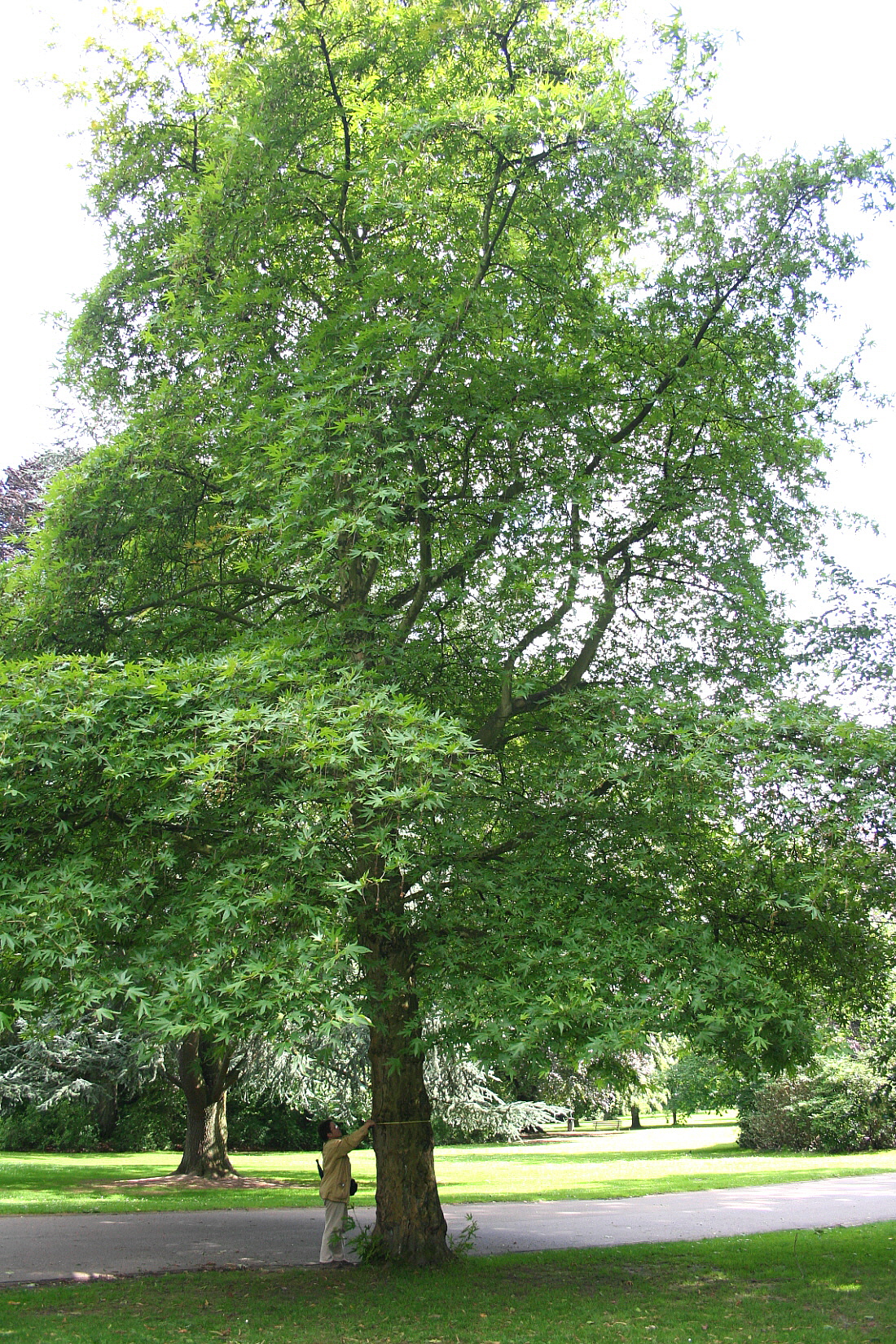
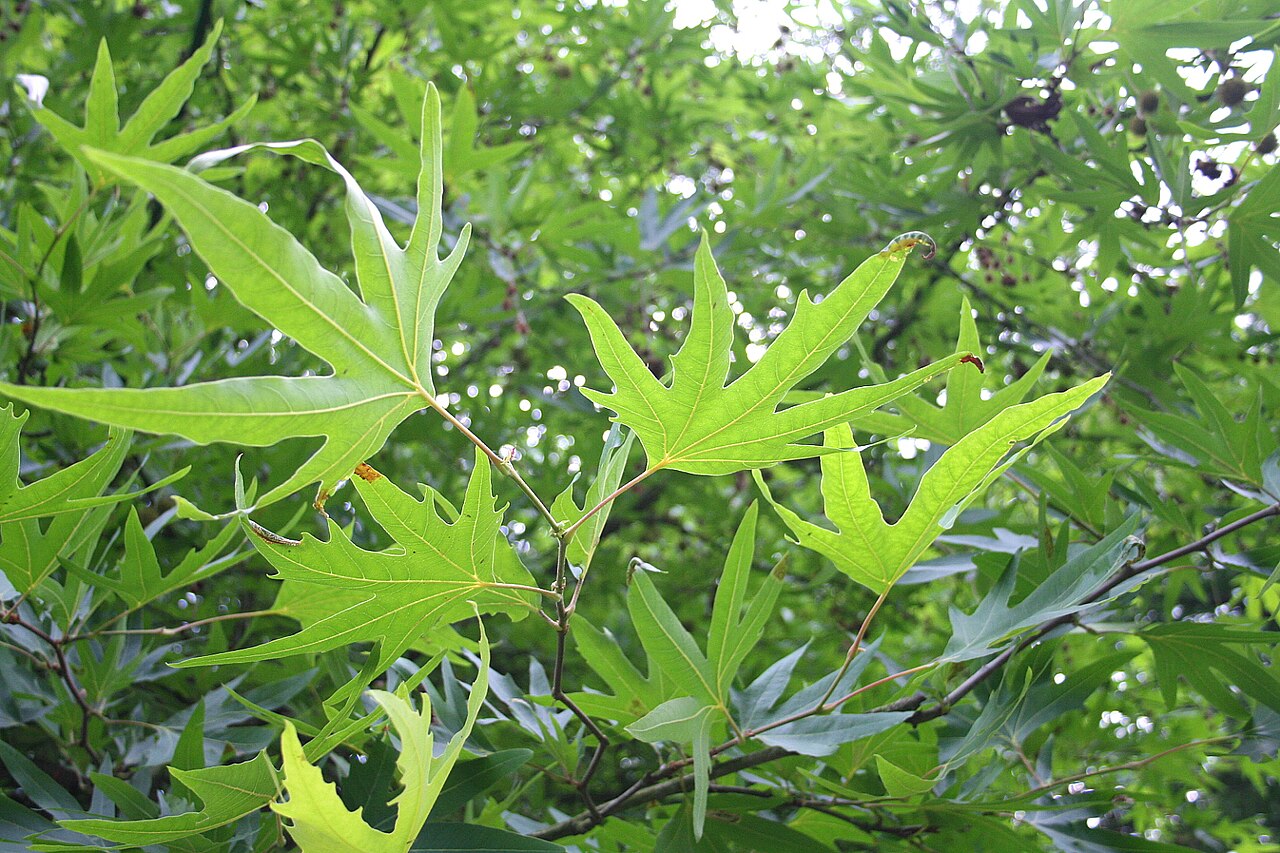
Digitata is the Oriental plane you can identify from across a park: a large tree with a wide, oval crown that rounds with age, mottled bark flaking in small pieces, and leaves cut into 3 to 5 finger-shaped lobes with sharply serrated edges — palmatifid to palmate leaves, glossy green, 10 to 20 centimeters long, utterly unlike the broader lobes of London planetree. It is an old selection, possibly in commerce since around 1840, and it has earned the Royal Horticultural Society’s Award of Garden Merit, which is the plant world’s equivalent of a lifetime achievement award for looking good and behaving well.
Two honest naming notes belong here, because plane trees are a taxonomic hall of mirrors: Digitata is sometimes listed under London planetree as Platanus × acerifolia ‘Digitata’, and some writers suggest it may be a form of the London plane rather than a pure Oriental plane — but nurseries and plane specialists continue to sell and describe it as an Oriental plane cultivar, and the deeply fingered leaf is the field mark either way. And the Florida verdict is the species’ verdict in full: a Eurasian temperate tree, unsuited to hot, humid lowland Florida, grown here as a reference and an education, not as a planting recommendation.
If you have not met the species yet, start with the Oriental Plane guide for the whole tree, then come back here for Digitata in detail.
How to grow
In a temperate climate, plant Digitata in the dormant season in full sun in deep, moist, well-drained soil, with 50 to 70 feet of clearance for a crown as wide as the tree is tall. Water through dry spells, mulch widely, and prune in dormancy; Oriental plane tolerates pruning well, including pollarding, the traditional treatment that keeps a huge tree at a human scale. Do not plant it where its roots will meet pavement, pipes, or foundations — a tree that can reach 30 meters does not negotiate with infrastructure.
Water & feeding
Water deeply until established and through dry spells; Oriental plane is a river-valley tree that expects its roots within reach of water, and it grows best where moisture is reliable. Compost at planting and mulch help, but the real water program is site selection: deep soil near water beats any irrigation schedule.
Common problems
- Anthracnose — Oriental plane is little affected compared with American sycamore, but humid climates still test it; this is one more reason it stays a northern reference.
- Size — a 30-meter tree with a crown to match is a park tree, not a yard tree, in any climate.
- Confusion with London plane — check the leaf: Digitata’s finger lobes are the giveaway, and nursery labels mix the two names freely.
- Florida climate — heat, humidity, and summer disease pressure rule it out as a planting, however beautiful the leaf.
Harvest
The harvest, in its proper climate, is monumental shade: finger-leaved canopy, speckled bark, fruit balls hanging into winter, and a tree that can outlive the buildings beside it. In Florida, the harvest is knowledge — knowing this leaf, this bark, and this history when you meet the tree on a trip, under a village square, where it belongs.
Saving seeds
Digitata is an old Oriental plane selection, possibly in commerce since around 1840, so seedlings won’t hold its finger-lobed leaves — buy a nursery tree from a reputable source. The Saving seeds section of the Oriental Plane guide covers seed for the straight species.