
🎨 Illumination Joseph’s Coat
What it looks like
Why this variety
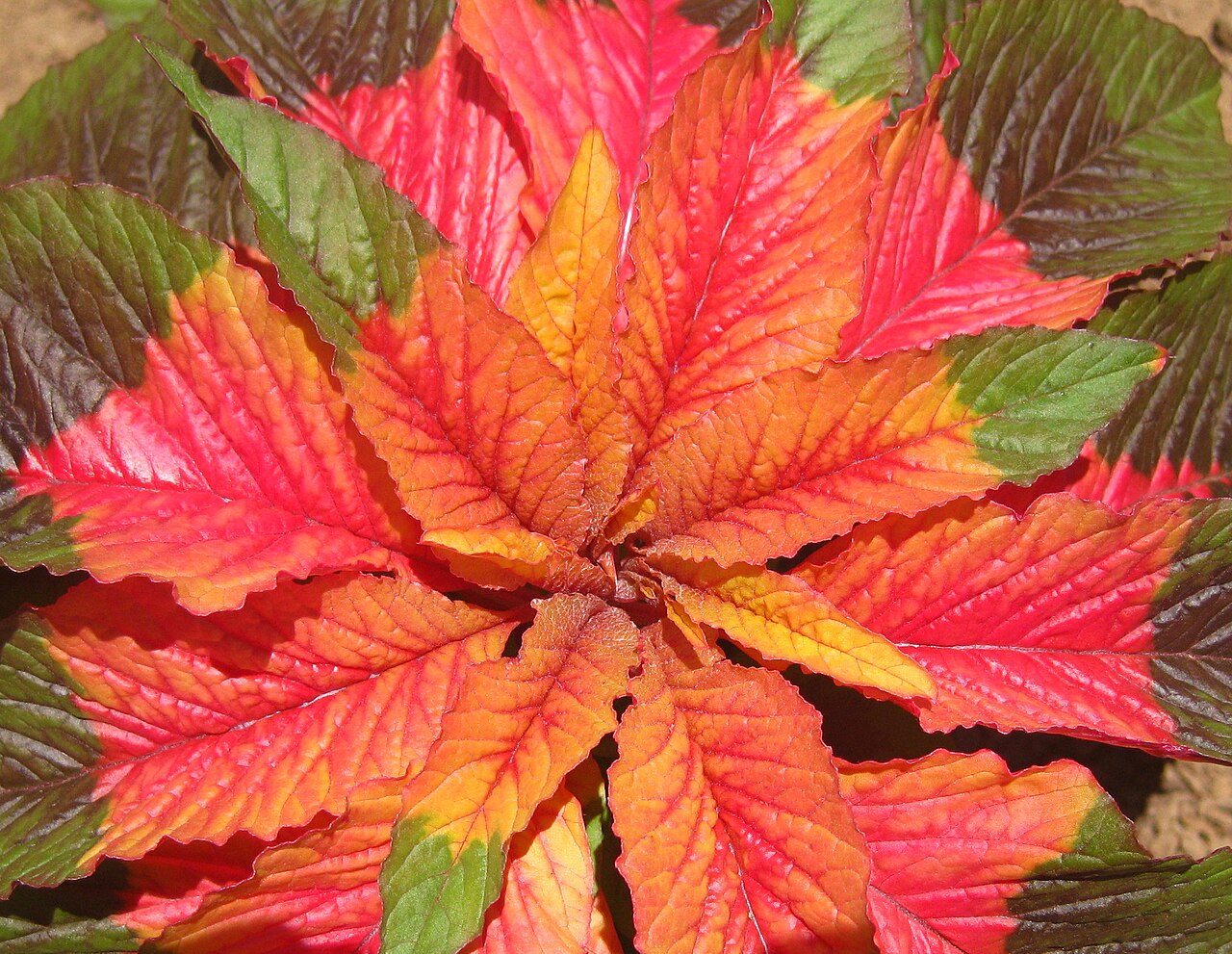
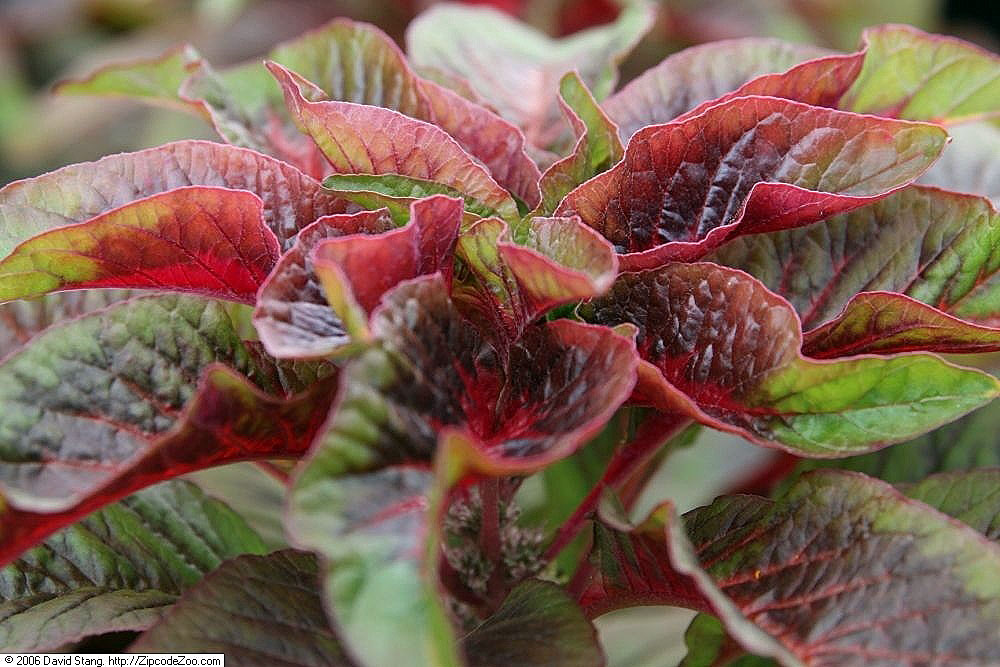
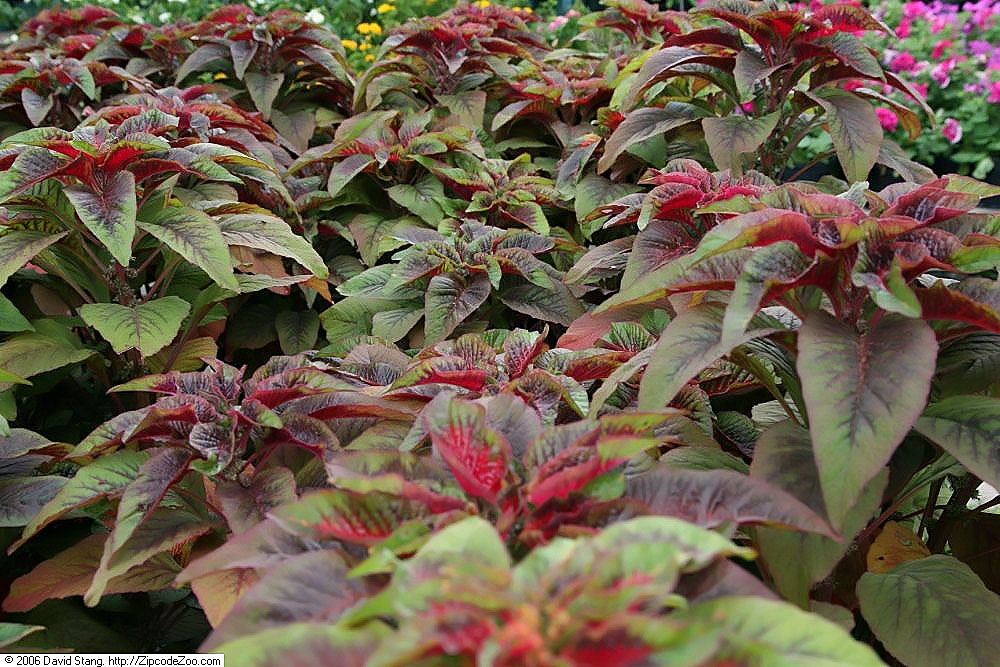
Illumination is the Joseph’s coat that looks like a sunset in progress: the newest growth comes out yellow, quickly ages to coppery orange, becomes hot reddish-pink, and ends as dark purple-green on the oldest leaves — so a single plant carries the whole gradient at once, top to bottom. Extension writers call it nothing short of outstanding, a bit larger and more robust than the species, and note that no two plants are exactly alike, which is either a feature or a warning depending on how much you like surprises. At 4 to 5 feet, it is the tallest of the common Joseph’s coat selections, a back-of-border plant rather than an edging plant.
Heat brings out the best coloration — the hotter the summer, the better the performance — which makes Illumination a Florida natural: a warm-season annual that thrives in heat and humidity and colors up best in full sun. The trade-off is size and self-seeding: a 4- to 5-foot plant that seeds freely needs room and a deadheading plan, and rich soil grows bigger plants at the cost of some color contrast. Give it sun, drainage, and space, and it will be the plant visitors ask about first.
If you are new to choosing between cultivars, the Varieties Matter guide explains why the name after the plant matters as much as the plant itself. Illumination is a perfect example: it is not just a Joseph’s coat in the abstract, it is a Joseph’s coat with a specific job, a specific history, and specific strengths. And if you want the eating side of this species, see the Vegetable Amaranth guide — same species, different job.
How to grow
Start seed indoors a few weeks before the last frost in North Florida, or sow directly after frost danger in warm soil — tiny seed, sown shallowly and barely covered, germinates fast once the heat arrives. In Central and South Florida, sow in spring for a long summer show and again in late summer for a fall round. Set plants 12 to 18 inches apart in full sun and average, well-drained soil, work worm castings into the bed at planting, and pinch young plants once to encourage branching — a 4- to 5-foot plant that is not pinched will be a single sunset-colored pole, which is dramatic but not bushy.
Water & feeding
Water to establish, then water moderately — amaranth tolerates heat and drought once established and sulks in waterlogged soil. Water at the soil line, mulch to hold moisture, and feed lightly: castings at planting and a light midseason side-dressing are plenty, because heavy nitrogen pushes leafy growth at the expense of the color gradient. Drought-stressed plants color up but stay small, and the goal here is big and colorful, so water through dry spells.
Common problems
- Enthusiastic self-seeding — volunteers appear freely; deadhead if you do not want them, or edit seedlings in spring.
- Leggy growth in shade or rich soil — lean soil and full sun make sturdier, brighter plants.
- Wilting in dry soil — amaranth wilts fast in drought; water deeply in dry spells.
- Flea beetles and caterpillars on foliage — row cover early, hand-pick, and let the plant outgrow minor damage.
- Lodging in wind — tall, top-heavy plants flop in storms; plant in drifts for mutual support, and stake in exposed sites.
Harvest
The harvest is a gradient you can cut: stems for bouquets from summer to frost, each one carrying yellow, orange, pink, and purple-green at once, plus a garden plant that anchors a bed like a sunset. Leave a few plants for seed if you want next year’s surprises — no two seedlings will match their parents exactly, which is the point — and pull annual plants after frost.
Saving seeds
Illumination is the Joseph’s coat that looks like a sunset in progress, the newest growth yellow, aging to coppery orange, then hot reddish-pink, then dark purple-green, so saved seed comes true — start seed indoors a few weeks before the last frost, or sow directly after frost danger, and pinch young plants once to encourage branching. The full method is in the Saving seeds section of the Vegetable Amaranth guide.