
🌸 Akebono Yoshino Cherry
What it looks like
Why this variety
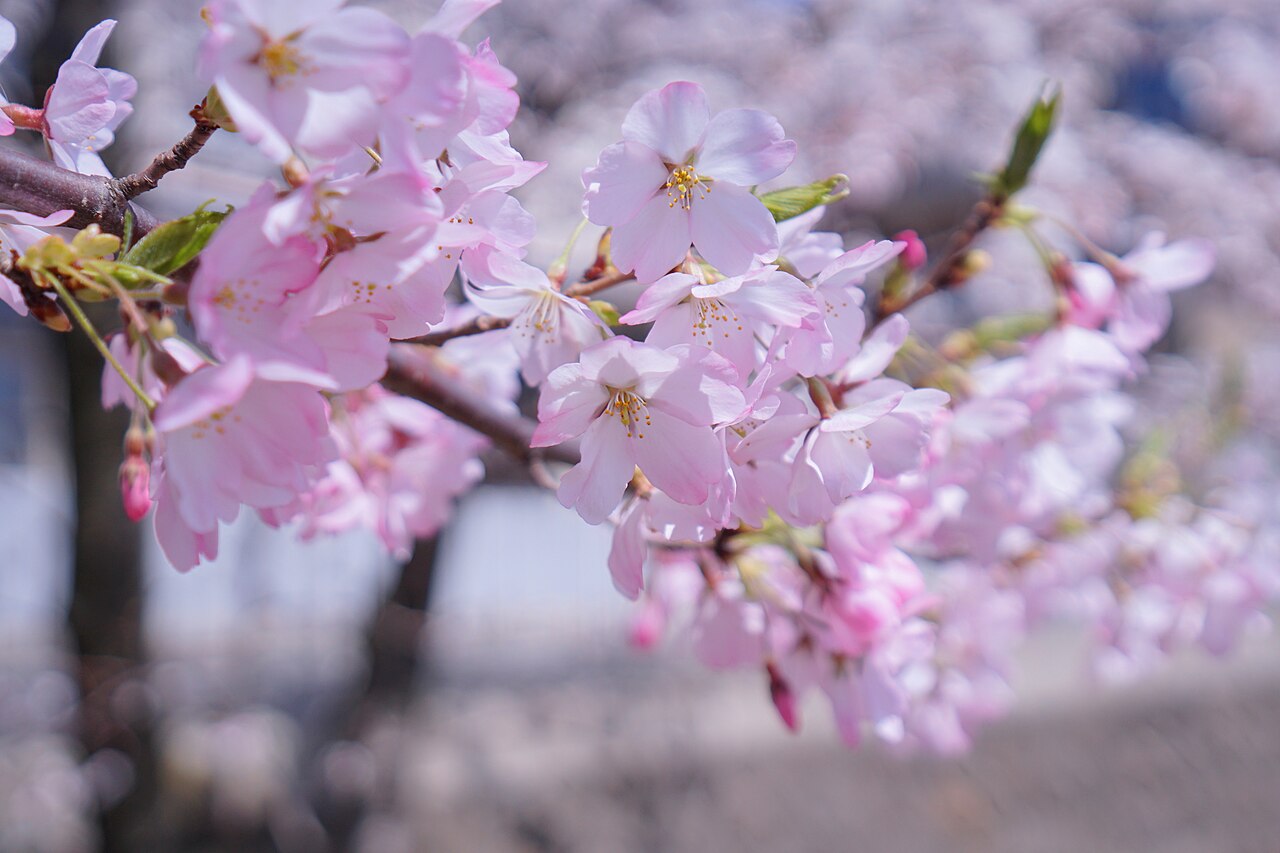
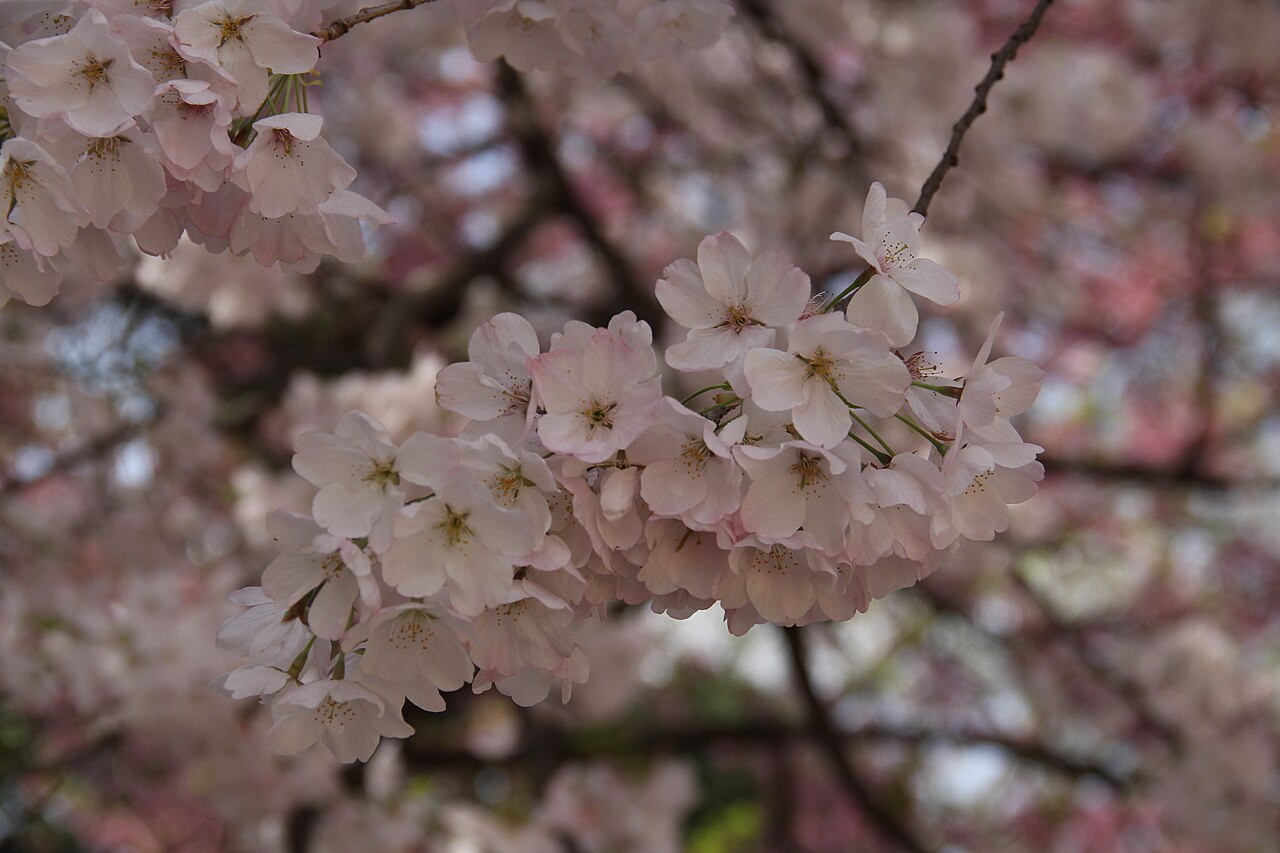
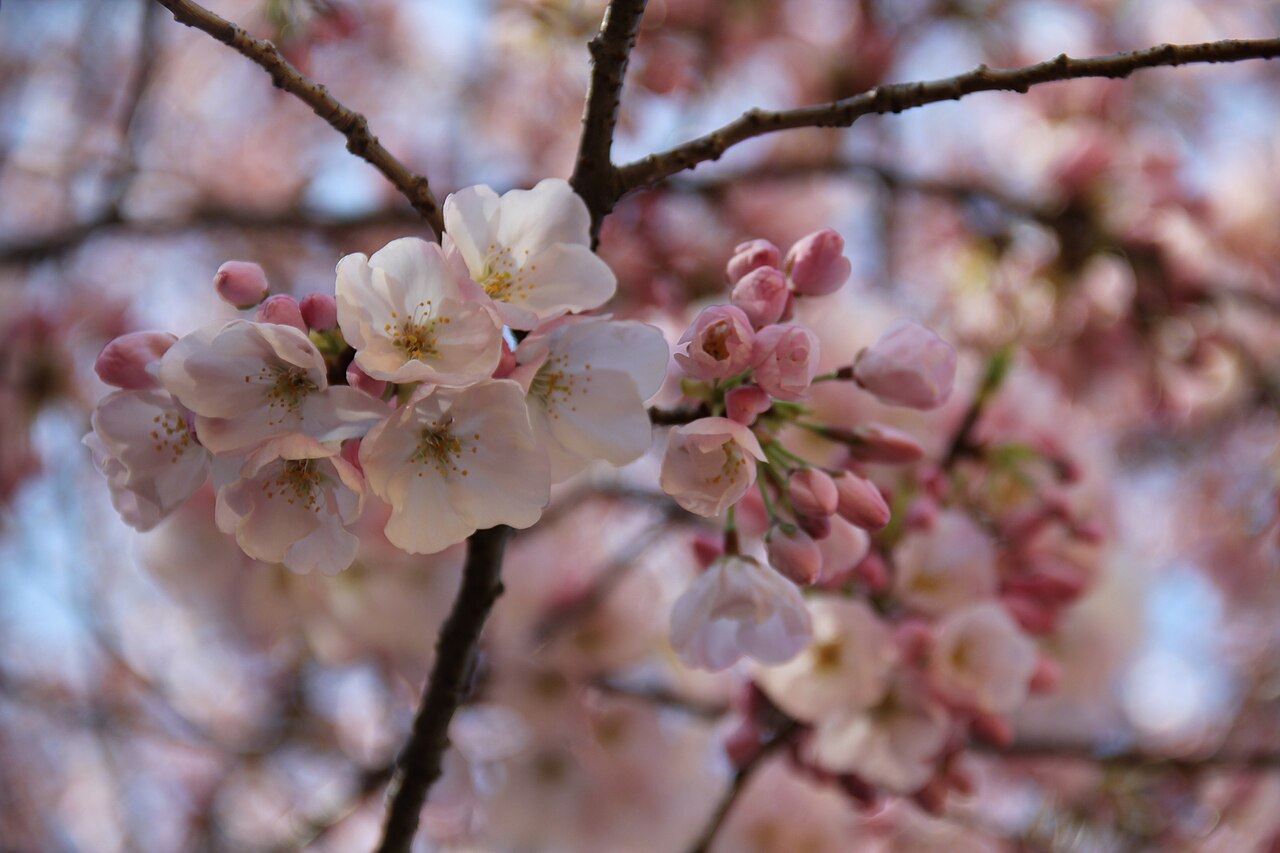
Akebono — also sold as Daybreak, and as ‘America’ in Japan — is the Yoshino cherry for gardeners who find the classic Yoshino a touch too pale. Connecticut describes it as a selection with light-pink blooms that fade to white, on a tree growing to about 25 feet tall and wide, slightly smaller than the straight species. The semi-double flowers read richer pink than Somei-yoshino’s single pale blossoms, and the tree blooms a little later, which stretches the season and dodges some late frosts.
It is, at heart, a Yoshino: fast-growing when young, graceful, vase-shaped to rounded, with bark marked by prominent horizontal lenticels and a relatively short lifespan by tree standards. The pink is the difference, not the care — same sun, same drainage, same summer pruning, same honesty about disease and longevity.
Florida honesty: flowering cherries are zone 5–8 trees, so this is a north-Florida trial at best, never a statewide promise. They need winter chill, suffer in heat and humidity, and are famously short-lived and disease-prone even in their happy zone. In most of Florida, enjoy the blossom pictures and plant something that actually wants to live there; in the far north of the state, a trial in sun, airflow, and well-drained soil is an experiment, not a guarantee.
If you are new to choosing between cultivars, the Varieties Matter guide explains why the name after the plant matters as much as the plant itself. The species guide for Yoshino Cherry covers the species as a whole; this guide is about what makes this one selection different.
How to grow
Plant in autumn or early spring, in full sun, in fertile, moist but well-drained soil — flowering cherries hate wet feet and love airflow. Dig wide, plant at the same depth as the pot, water deeply, and mulch without touching the trunk. Most cultivars are grafted, so watch for suckers from below the graft and remove them promptly, or the rootstock will quietly take over the tree you thought you bought.
Plant Akebono where its pink can be seen against sky, not against a pink wall: a lawn specimen or a street-side tree (where wires allow) lets the 25-foot crown read as a cloud. Water to establish, mulch, and keep the graft union above soil level.
Water & feeding
Water deeply to establish and in dry spells; a flowering cherry in drought drops flowers early and invites disease. Feed lightly in spring — worm castings around the drip line is plenty — because heavy nitrogen grows soft, disease-prone wood. Do not feed after midsummer: late growth does not harden before winter.
Common problems
- Bacterial canker and silver leaf — prune only in summer when wounds heal fast, sterilise tools, and remove infected wood promptly.
- Aphids, caterpillars, and scale on stressed trees — encourage predators, hose off light infestations, and keep the tree vigorous rather than spraying on a schedule.
- Short lifespan and graft failure — flowering cherries are sprinters, not oaks; a 20–30-year tree that flowered gloriously is a success, not a failure.
- Poor flowering in shade or after drought — sun, water, and patience; a cherry in shade is a leafy tree with regrets.
Pruning & enjoying it
Prune in summer to remove dead or crossing wood and to keep the crown open; do not shear a Yoshino into a ball — the vase shape is the tree. Akebono’s slightly later bloom is a gift in frost-prone springs: when early cherries get nipped, Akebono is often still in bud, waiting its turn like a polite guest.
Browse all plant & pest guides
Saving seeds
Akebono is a grafted cultivar, so seed saved from it won’t come true — buy a grafted tree, and remove suckers from below the graft. The Saving seeds section of the Yoshino Cherry guide covers seed for the straight species.