
🍂 Prolifica Autumn Fern
What it looks like
Why this variety
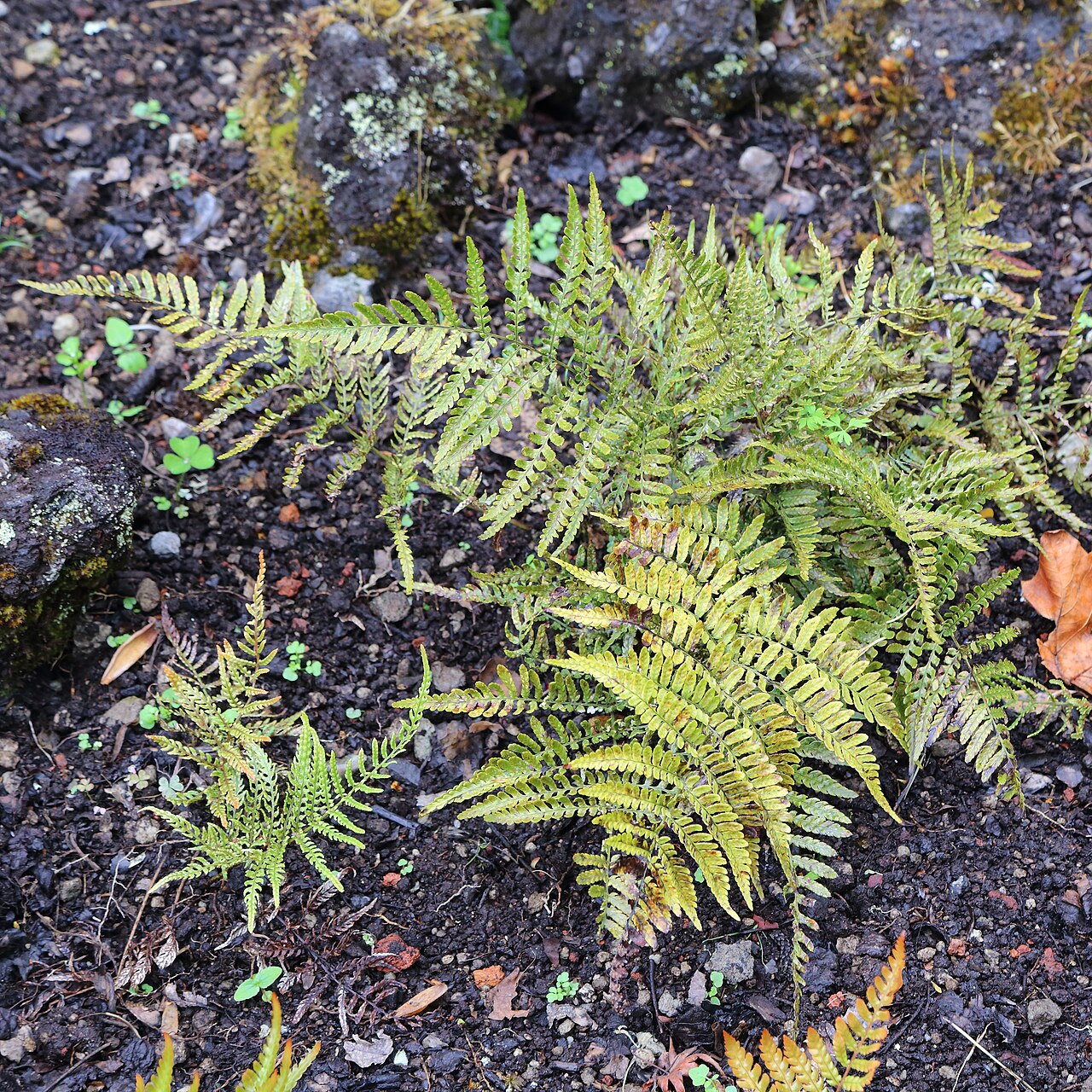
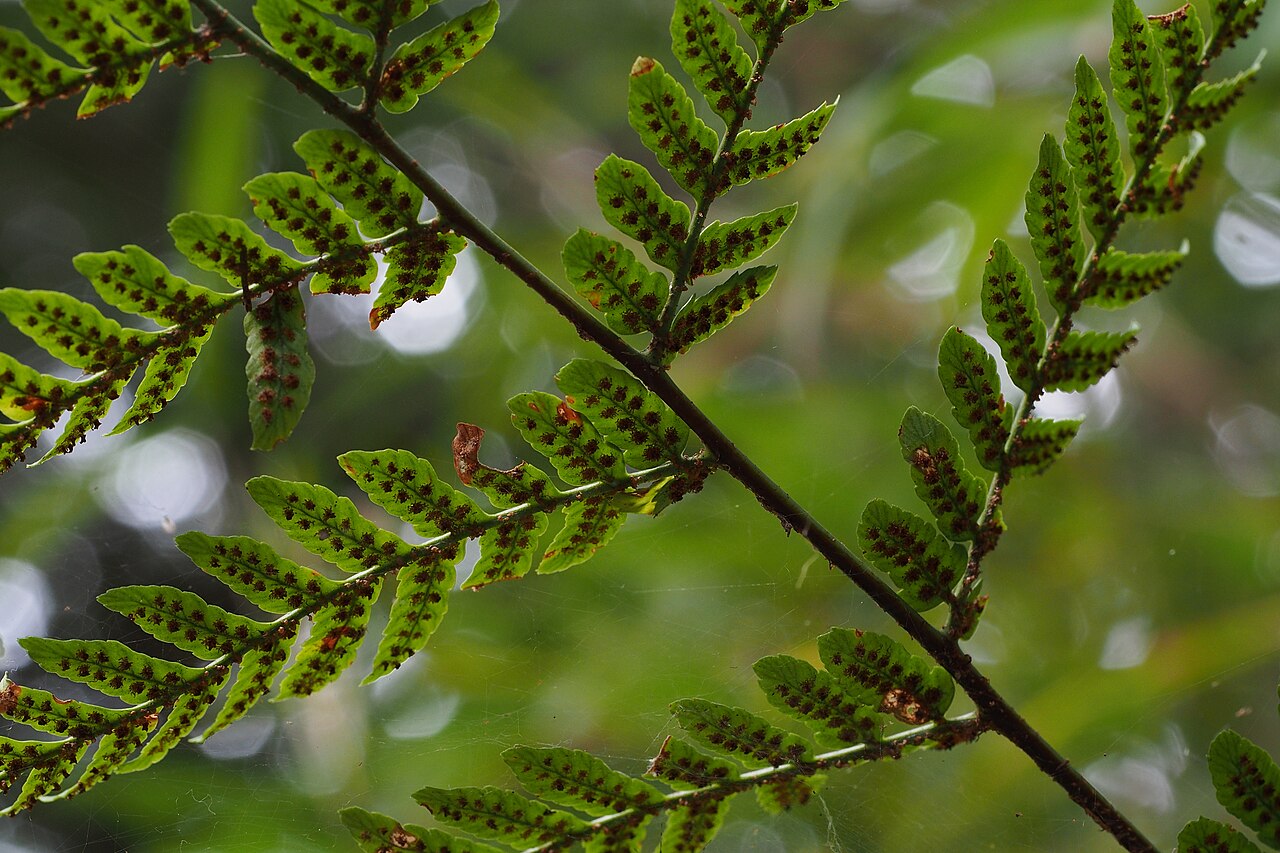
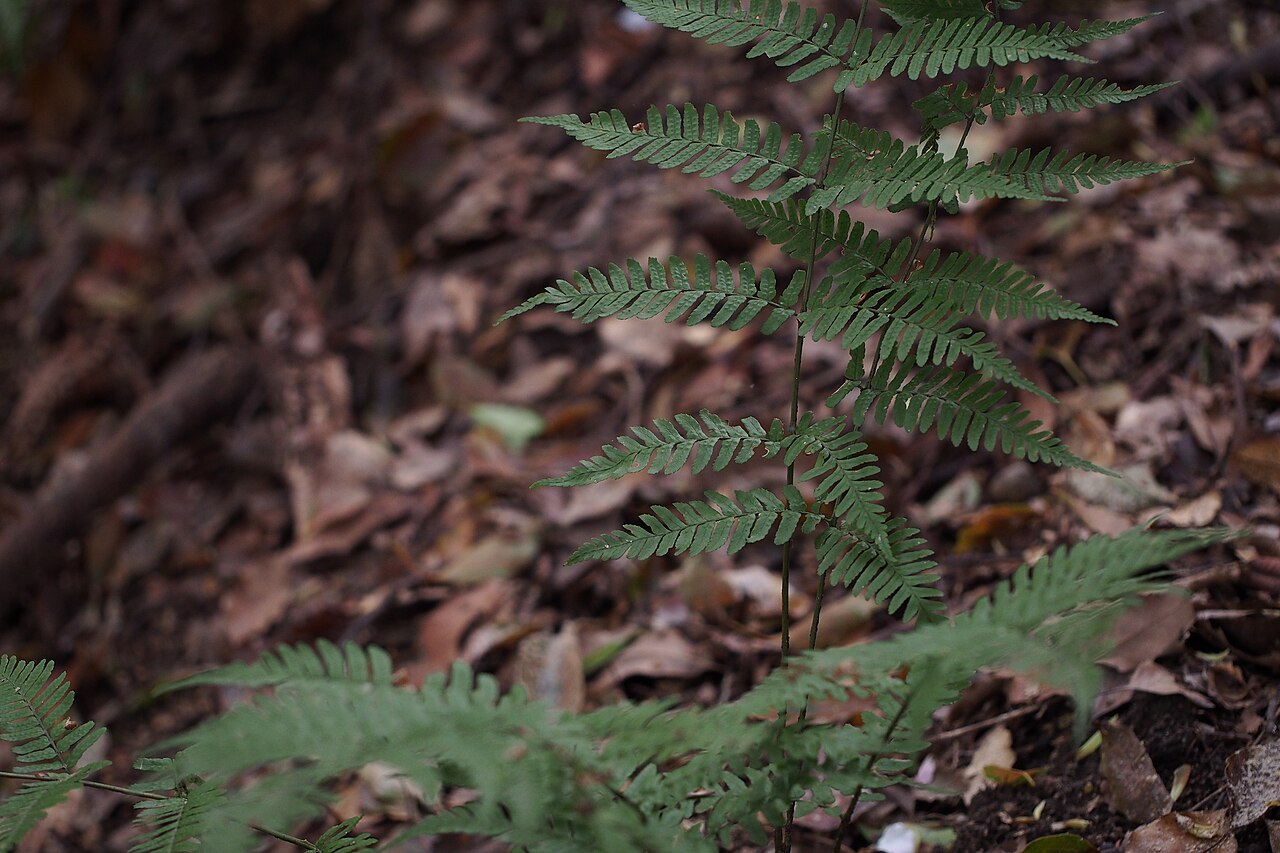
Prolifica is autumn fern for fern nerds — and it earns that label honestly. It is a botanical variety (var. prolifica) rather than a garden cultivar, with very narrow, finely divided fronds that look lacier and more delicate than the species, and a looser, somewhat floppy habit. Young fronds are often pink-tinged, and the plant sometimes bears bulbils — tiny baby ferns — on the edges of its fronds, which is the kind of thing that makes a fern gardener gasp and reach for a pot.
Those bulbils are Prolifica’s superpower and its charm: where most autumn ferns propagate by division or spores, Prolifica can also propagate vegetatively, right on the frond. Pin a bulbil-bearing frond tip to moist soil, or pot up the bulbils, and you get new plants with almost no effort. The trade-off is habit: Prolifica is floppier and less tidy than Brilliance, and it can grow a little taller and looser than the species. Plant it where a lacy, informal fern is welcome — a woodland corner, a shaded bank — and let it do its prolific thing.
If you are new to choosing between cultivars, the Varieties Matter guide explains why the name after the plant matters as much as the plant itself.
Florida honesty: like the species, Prolifica is a good Florida fern in shade with steady moisture — one of the few plants in this batch that genuinely suits Florida gardens rather than merely tolerating north Florida. Give it deep shade, humus-rich soil, and regular water while establishing. Its lacy fronds dry out faster than the species’ broader fronds in wind and sun, so shelter and moisture matter even more for this variety.
How to grow
Plant in shade to part shade in rich, humus-heavy, moist but well-drained soil, with compost worked in generously. Space 18–24 inches apart, or give a single specimen room to flop gracefully. Water deeply and regularly during the first growing season. Remove tattered old fronds in late winter or early spring before new growth emerges. To propagate, divide clumps in spring, or pot up bulbils from frond edges when they form — press them lightly into moist compost and keep humid until rooted.
Water & feeding
Water deeply and regularly during establishment, then during dry spells; Prolifica’s finely divided fronds lose moisture faster than broader fronds, so do not let it dry out in wind or heat. Mulch with bark or compost to hold moisture and keep roots cool. Feed lightly in spring; overfeeding makes floppy growth floppier. Shade, shelter from drying wind, and steady moisture are the three things this variety asks for, and it repays them with lace.
Common problems
- Floppy habit — looser than the species; site it where informality is welcome, not in a formal edge.
- Drying wind — finely divided fronds desiccate faster; shelter and moisture help.
- Sun scorch — shade is essential; midday sun burns lacy fronds quickly.
- Soggy soil — moist, not waterlogged; drainage still matters.
- Bulbils are a bonus, not a guarantee — not every frond makes them; division in spring is the reliable method.
Care through the seasons
Use Prolifica as a woodland fern, a shaded-bank plant, or a collector’s fern in a pot where its bulbils can be watched and potted up. It pairs well with broader-leaved shade plants (hostas, brunnera) whose solidity contrasts with its lace. Divide in spring for more plants, pot up bulbils when they appear, and cut back tattered fronds in late winter before the pink-tinged new growth unfurls. It is the autumn fern for gardeners who like their plants to do something interesting — and making babies on its own fronds definitely counts.
Browse all plant & pest guides
Saving seeds
Prolifica is autumn fern for fern nerds — and it earns that label honestly. It is a botanical variety (var. prolifica) rather than a garden cultivar, with very narrow, finely divided fronds that look lacier and more delicate than the species, and a looser, somewhat floppy habit. Young fronds are often pink-tinged, and the plant sometimes bears bulbils — tiny baby ferns — on the edges of its fronds, which is the kind of thing that makes a fern gardener gasp and reach for a pot. As a named autumn fern variety it is kept true by division and bulbils, not by spores — spores would not hold the narrow, lacy fronds. To propagate, divide clumps in spring, or pot up bulbils from frond edges when they form — press them lightly into moist compost and keep humid until rooted. The full method is in the Propagation section of the Autumn Fern guide.