
🍋 Kusaie Lime
What it looks like
Why this variety
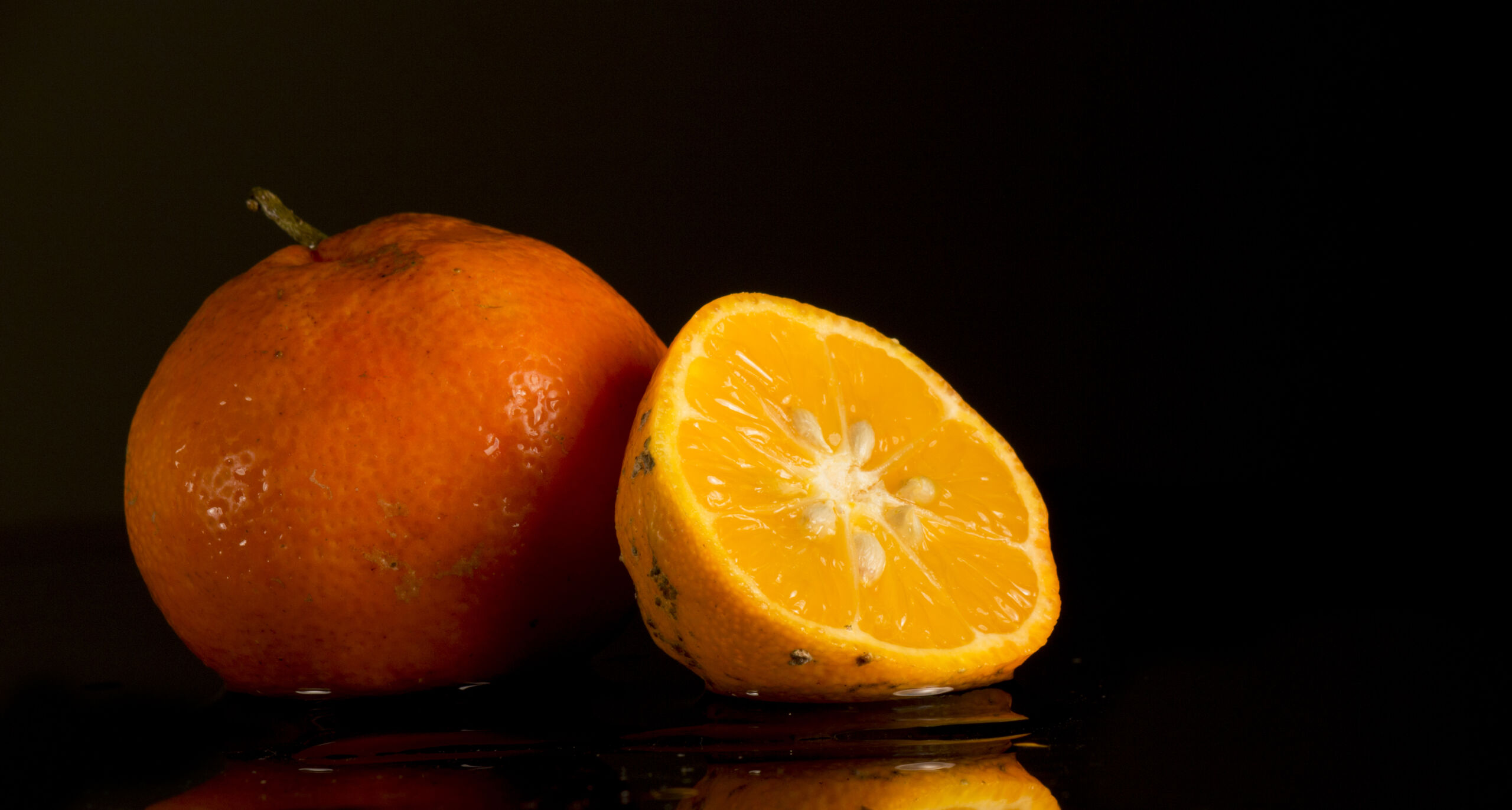
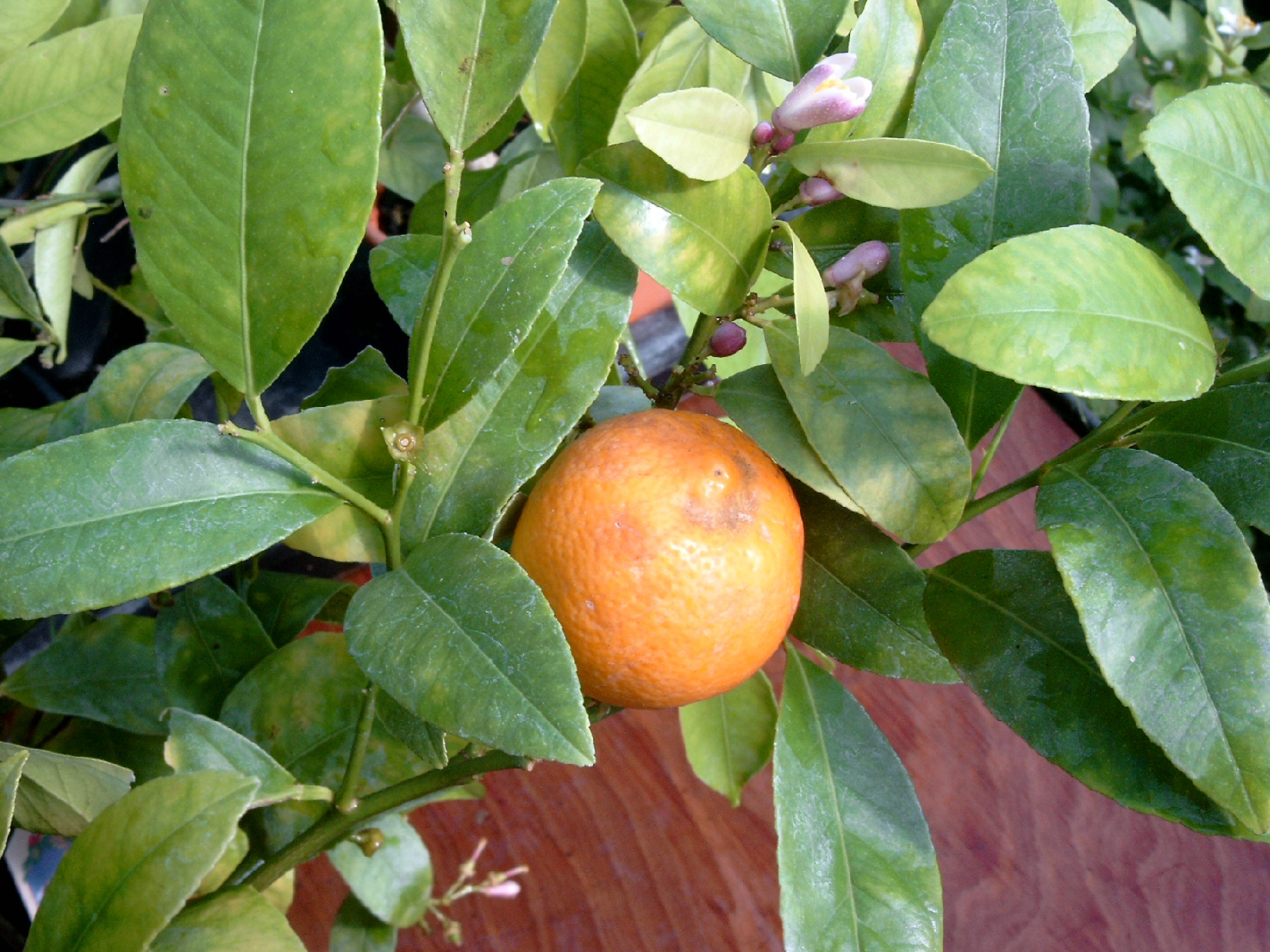
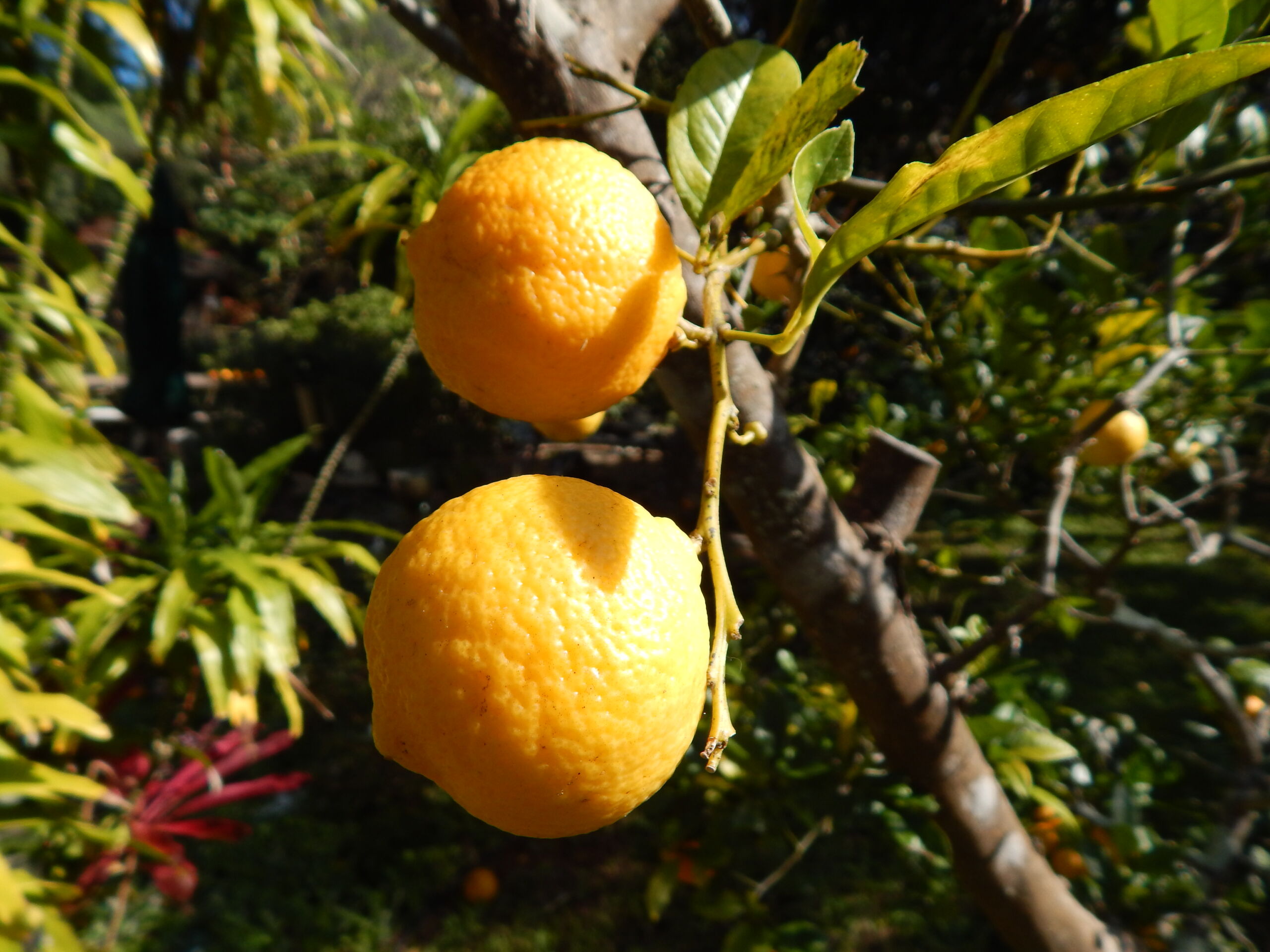
Kusaie lime is Rangpur lime wearing yellow. The tree is, for most purposes, indistinguishable from other Rangpurs — same vigorous, small-tree habit, same mandarin-loose rind, same intensely sour lime-like juice — and the fruit differs mainly in color: yellow where Rangpur runs orange. Described by the Sub-Tropical Fruit Club of Queensland as a yellow-fruited variant of Rangpur that can be assessed with Rangpur for most purposes, it is a named form of Rangpur itself, not a separate lime type.
Its history is a travelogue: introduced to Hawaii from Kusaie Island in 1885, and to the United States in 1914, on the back of Rangpur’s long Florida history, which reaches back to the late 1800s. If you want Rangpur’s toughness with a sunnier-looking fruit, this is the form — provided you can find one, which is the honest catch below.
How to grow
Florida verdict: Kusaie lime grows well in Florida. Rangpur types are very cold tolerant unlike true limes, and that toughness carries to this variant — it is a zones 9–11 tree that handles more cold than a Key or Persian lime ever will. Buy a grafted tree on appropriate rootstock, plant in the warmest, sunniest, best-drained spot with the graft union above the soil, and start with certified disease-free stock.
The catch is sourcing, not climate: US availability is thin, so do not expect it on every nursery bench — this is a specialist search, and a guide that implied otherwise would be lying to you. Buy only from reputable sellers, and in quarantine states, only from approved in-state sources.
Citrus greening (HLB) is Florida’s defining citrus challenge: scout for psyllids on new flush and keep the tree vigorous. Rangpur vigor is a feature and a warning — prune to keep it at picking height, or it will outgrow a small space fast. Container growing works for marginal zones, and a pot wheels inside for freezes.
Water & feeding
Water deeply when the top few inches dry, and mulch to hold moisture — citrus hates soggy roots even more than it hates a dry spell, so drainage is not optional. Young trees need water more often through their first dry season, and container trees need it far more often: a pot in the sun dries out with impressive speed.
Feed with a citrus fertilizer split across spring and summer, including micronutrients — yellowing between leaf veins often means zinc or manganese, and sandy, high-pH pockets lock those up. Skip fertilizer in late fall, when tender new growth would walk straight into a freeze.
Common problems
- Citrus greening (HLB) — blotchy leaves, lopsided fruit, slow decline, spread by the Asian citrus psyllid. There is no cure: buy certified disease-free trees, scout for psyllids, and keep trees vigorous.
- Asian citrus psyllid — watch new flush for the insects that spread greening.
- Citrus leafminer, scale, and aphids — inspect and treat with horticultural oil.
- Root rot in poorly drained soil — plant high and drain well.
- Vigorous growth — prune to keep size manageable, or it will outgrow a small space fast.
- Thin availability — sourcing is the limiting factor; verify the seller is actually selling ‘Kusaie’, not generic Rangpur.
Harvest
Pick when fruit turns fully yellow and feels heavy, with the rind loosening like a mandarin when ripe — and taste-test, because color misleads in citrus and taste is the test. Fruit holds on the tree for a while, so pick as needed. Juice for drinks and cooking, or use the zest; the yellow fruit looks gentler than Rangpur’s orange, but the juice is still properly, bracingly sour.
Browse all plant & pest guides
Saving seeds
Kusaie lime is Rangpur lime wearing yellow, a yellow-fruited variant of Rangpur, and it is planted grafted — buy a grafted tree on appropriate rootstock, plant in the warmest, sunniest, best-drained spot with the graft union above the soil, and start with certified disease-free stock. The Saving seeds section of the Lime guide covers seed for the species generally.