
🍊 Thornton Tangelo
What it looks like

Why this variety
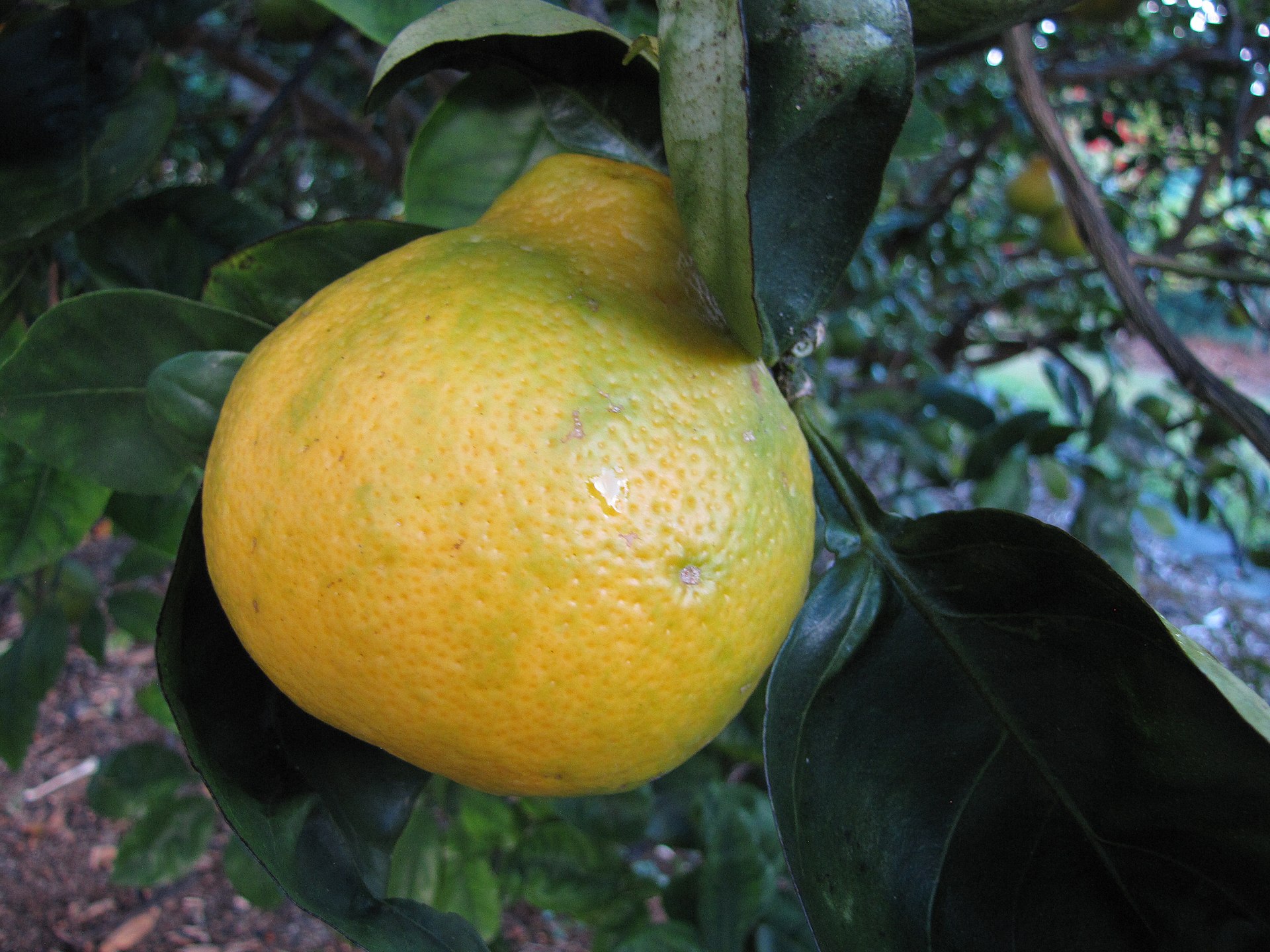
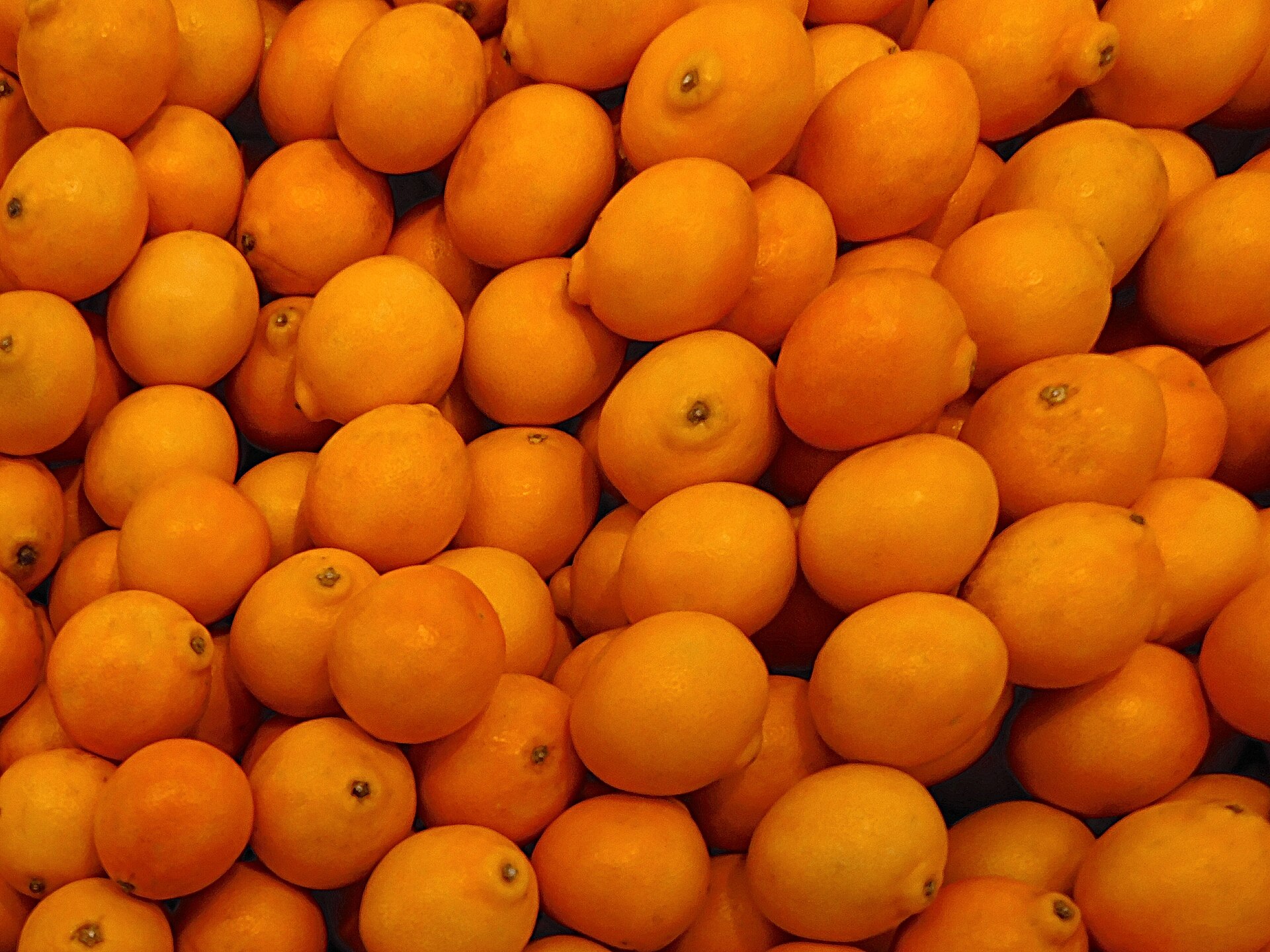
Thornton is a piece of citrus history you can still grow: a tangerine-grapefruit hybrid created by Swingle in 1899, described by Morton as medium-large with light-orange peel, pale- to deep-orange pulp, 10–12 segments, rich subacid to sweet flavor, and 10–25 seeds, maturing December–March on a vigorous, high-yielding tree. It is listed among the principal cultivated tangelos in a mandarin and tangelo survey — and then, like many good 19th-century fruits, it quietly failed to become a grocery item, because it is a poor shipper.
Poor shipper is a compliment in disguise: it means the fruit was bred for eating, not for trucking. A home garden does not need a fruit to survive a cross-country ride in a box; it needs a fruit to taste rich and sweet in December, and Thornton does exactly that. Well adapted to hot, dry regions of California in Morton’s account, it is a vigorous tree for a sunny, warm spot.
Honest note, stated plainly: no Florida-specific trial and no Florida retail source for Thornton was found in this research pass. Morton notes tangelos generally are produced in Florida home gardens, but Thornton itself is documented for hot, dry California, not as a Florida commercial variety. Build your expectations accordingly: this is a historical tangelo for the collector and the curious, grown in Florida as a home-garden experiment in a warm spot, not a proven Florida performer.
How to grow
Buy a grafted tree on appropriate rootstock — trifoliate orange for cold hardiness, sour orange where it thrives — and always from certified disease-free stock. In Florida, citrus greening (HLB), spread by the Asian citrus psyllid, is the defining challenge of growing citrus: start clean, scout for psyllids on new flush, and keep the tree vigorous, because a stressed tree declines faster. Plant in the warmest, sunniest, best-drained spot you have, ideally with a south or southwest exposure and some reflected warmth from a wall or patio, with the graft union above the soil. Citrus roots drown in standing water faster than almost any other fruit tree’s. Container growing works for marginal zones — wheel the tree inside for freezes — and young trees need more frequent water than established ones.
Grow it like a vigorous tangelo: full sun, warm microclimate, room for a high-yielding tree, and steady water through the long December–March ripening window. Thin young crops so branches do not overload, prune lightly, and keep the standard Florida citrus discipline — certified disease-free stock and psyllid scouting — even for a historical variety.
Water & feeding
Water deeply and infrequently, letting the top few inches dry between waterings; shallow daily sprinkles build shallow roots and invite root rot. New trees need water weekly through their first dry season, and container trees need it far more often — a pot in Florida sun dries out with impressive speed.
Feed citrus several times a year with a citrus fertilizer, split across spring and summer rather than dumped in one dose, and watch for micronutrient deficiencies — yellowing between leaf veins often means zinc or manganese, and Florida’s sandy, high-pH pockets lock those up. Castings help soil life, but they do not replace the citrus feed; use both, and skip fertilizer in late fall, when tender new growth would walk straight into a freeze.
Common problems
- Citrus greening (HLB) — yellowing, blotchy mottled leaves, lopsided bitter fruit, and slow decline, spread by the Asian citrus psyllid. There is no cure: buy certified disease-free trees, scout for psyllids, keep trees vigorous, and remove confirmed trees so they do not infect neighbors.
- Asian citrus psyllid — tiny insects on new flush that spread greening. Watch new growth, encourage beneficial insects, and treat flush carefully if psyllids appear.
- Citrus canker — raised, corky lesions on leaves and fruit in wet weather. Avoid overhead watering, do not work wet trees, and buy clean nursery stock.
- Root rot (Phytophthora) — follows poor drainage and overwatering. Plant high, drain well, and water deeply but infrequently.
- Freeze damage — the northern Florida citrus killer. Cover young trees, water before freezes, and plant cold-hardy varieties at the edge of their range rather than tender ones.
- Poor shipping quality — irrelevant for home eating, fatal for commercial planting; do not judge it by grocery standards.
- Unproven in Florida — warm-spot home-garden trial only, with frost protection ready.
Harvest
Pick December through March, when fruit is fully colored and a taste-test segment is rich, subacid to sweet. Eat fresh at home — that is what this fruit was made for — and refrigerate extras for a couple of weeks.
Browse all plant & pest guides
Saving seeds
Thornton is a piece of citrus history you can still grow: a tangerine-grapefruit hybrid created by Swingle in 1899, described by Morton as medium-large with light-orange peel, pale- to deep-orange pulp, 10–12 segments, rich subacid to sweet flavor, and 10–25 seeds, maturing December–March on a vigorous, high-yielding tree. It is listed among the principal cultivated tangelos — and then, like many good 19th-century fruits, it quietly failed to become a grocery item, because it is a poor shipper. Poor shipper is a compliment in disguise: it means the fruit was bred for eating, not for trucking. But it is a named hybrid cultivar, not a seed strain: a seedling of Thornton is a tangelo, not Thornton. To keep this exact tree, buy a grafted tree on appropriate rootstock from certified disease-free stock. The full method is in the Saving seeds section of the Tangelo guide.