
🍊 K-Early Tangelo
What it looks like
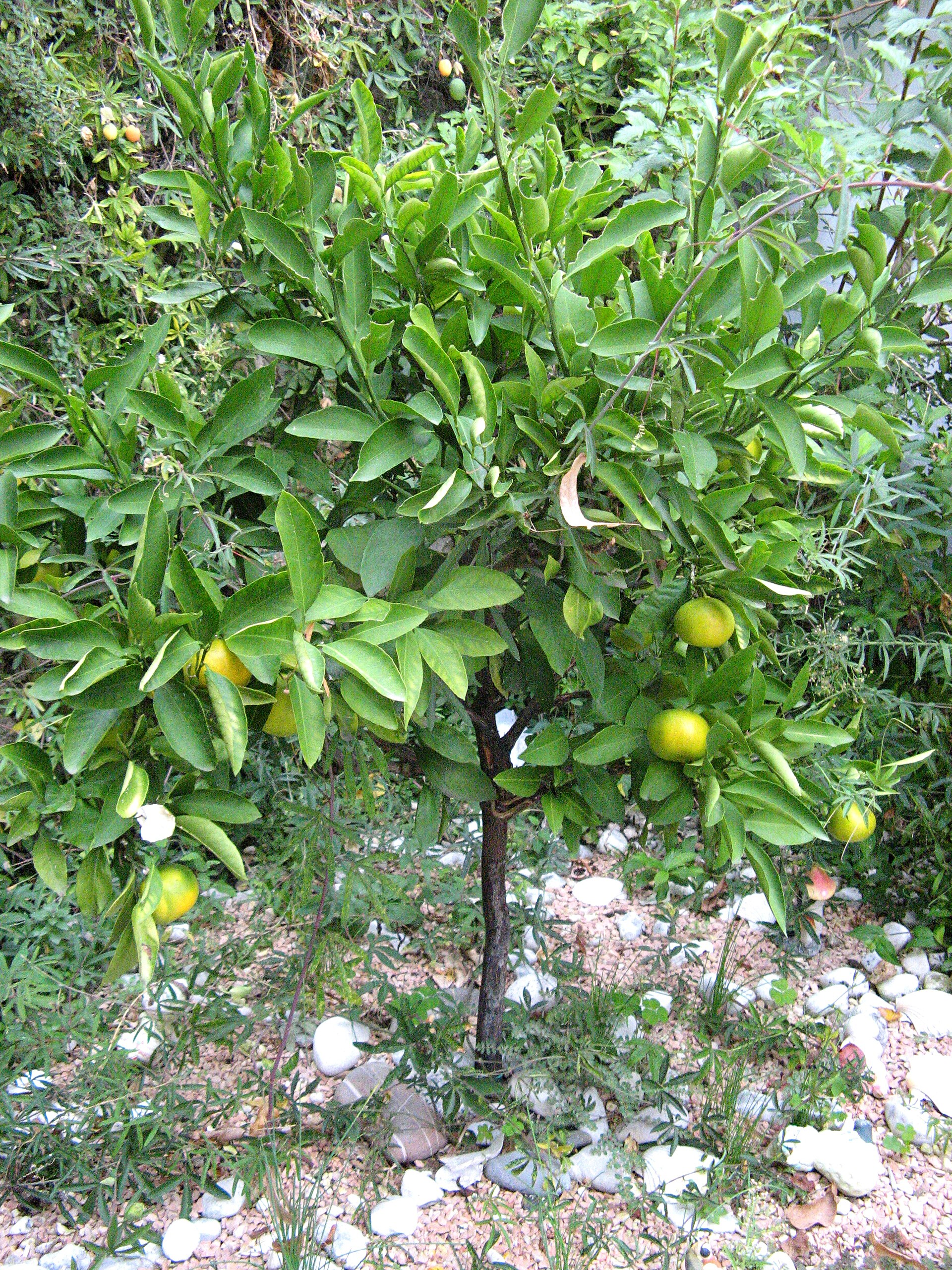
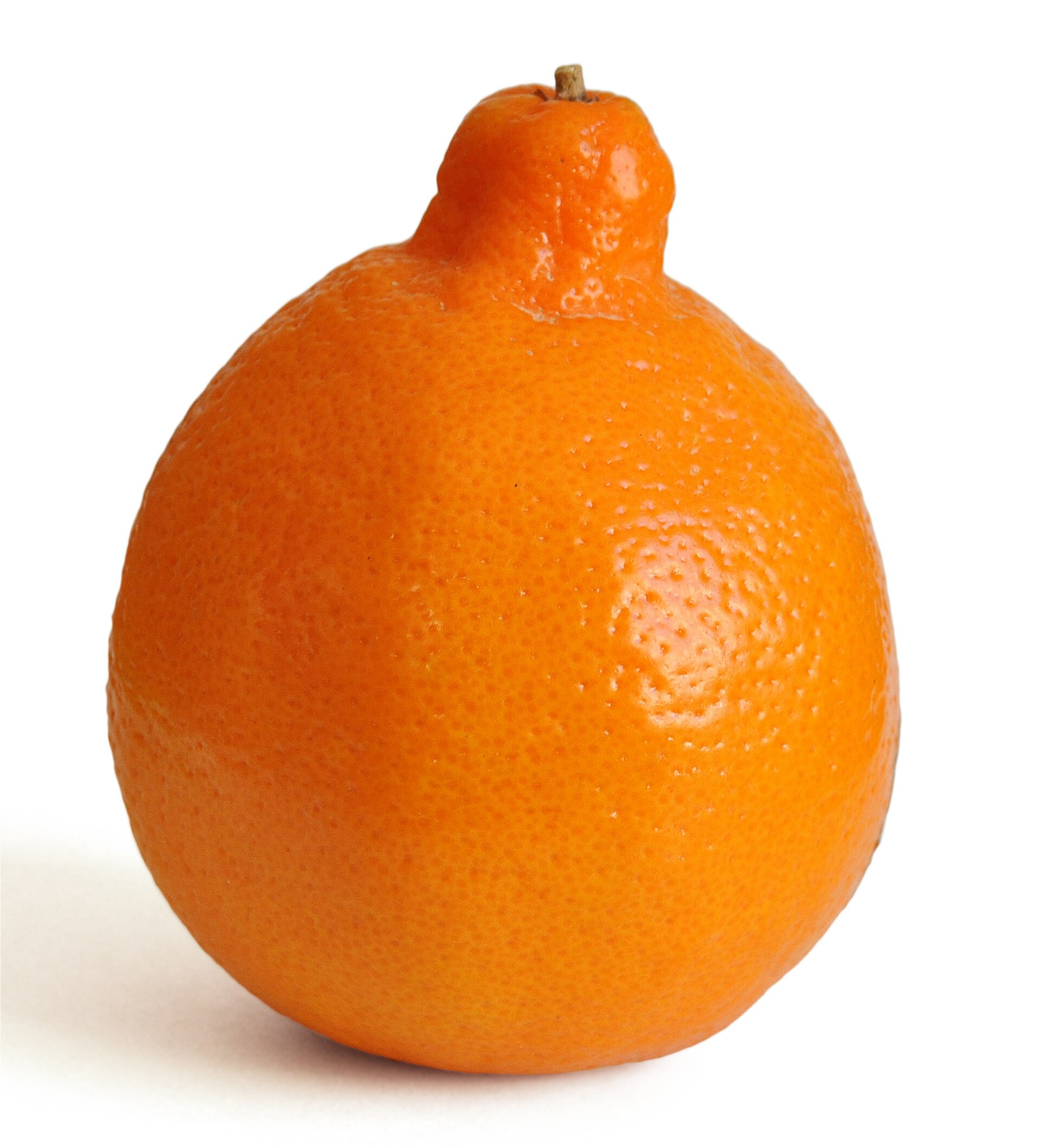
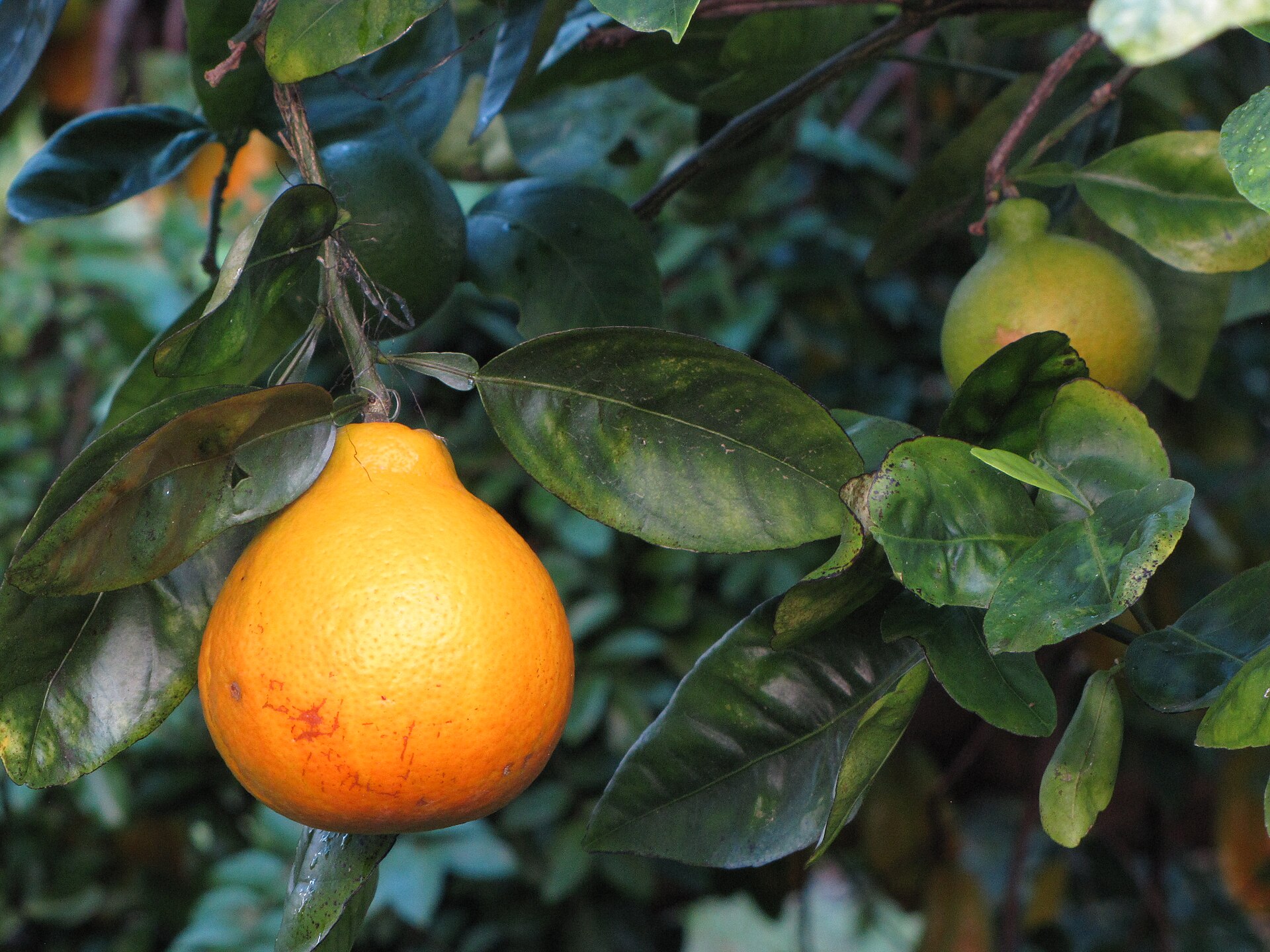
Why this variety
⚠️ Florida quality and sale-name warning — read this before you buy or sell K-Early. Morton records that K-Early is a hybrid propagated by growers, early-maturing, and of such poor quality it gave tangelos a bad reputation — and Florida’s Official Rules require it be sold only as ‘K-Early Citrus Fruit’, not as a tangelo and not under a fancier name. If anyone sells you this fruit under another citrus name, or sells it to you as a premium tangelo, that is not marketing flair; it is against the rule that exists because this fruit disappointed so many people. This guide is a history and identification guide, not a sales pitch, and it will not pretend K-Early is something it is not.
What K-Early genuinely offers is earliness. It is the early bird of tangelos, first to ripen, from the earliest Florida tangelo work of Swingle and Webber in 1897–1898 — the pioneering generation of American citrus breeding, when hybridizing tangerines and grapefruits was brand-new science. Some growers loved it for that earliness alone. Many more found the quality famously uneven, and the variety’s reputation never recovered.
Naming confusion, flagged honestly: Morton calls K-Early the ‘Sunrise Tangelo’, but Wikipedia notes Sunrise is also used for a different older cultivar, and some datasets list Sunrise separately from K-Early. This guide treats K-Early as one entry with the Sunrise confusion flagged — there is no separate Sunrise guide here, and you should not merge K-Early with any other ‘Sunrise’ citrus without checking which Sunrise is meant.
How to grow
Buy a grafted tree on appropriate rootstock — trifoliate orange for cold hardiness, sour orange where it thrives — and always from certified disease-free stock. In Florida, citrus greening (HLB), spread by the Asian citrus psyllid, is the defining challenge of growing citrus: start clean, scout for psyllids on new flush, and keep the tree vigorous, because a stressed tree declines faster. Plant in the warmest, sunniest, best-drained spot you have, ideally with a south or southwest exposure and some reflected warmth from a wall or patio, with the graft union above the soil. Citrus roots drown in standing water faster than almost any other fruit tree’s. Container growing works for marginal zones — wheel the tree inside for freezes — and young trees need more frequent water than established ones.
If you grow K-Early, grow it as an experiment with your eyes open: full sun, warm spot, certified disease-free stock, and a taste-test before you commit any more space to it. Plant it for the history and the earliness, not for a premium crop, and keep the sale-name rule in mind if fruit ever leaves your yard: ‘K-Early Citrus Fruit’, full stop.
Water & feeding
Water deeply and infrequently, letting the top few inches dry between waterings; shallow daily sprinkles build shallow roots and invite root rot. New trees need water weekly through their first dry season, and container trees need it far more often — a pot in Florida sun dries out with impressive speed.
Feed citrus several times a year with a citrus fertilizer, split across spring and summer rather than dumped in one dose, and watch for micronutrient deficiencies — yellowing between leaf veins often means zinc or manganese, and Florida’s sandy, high-pH pockets lock those up. Castings help soil life, but they do not replace the citrus feed; use both, and skip fertilizer in late fall, when tender new growth would walk straight into a freeze.
Common problems
- Citrus greening (HLB) — yellowing, blotchy mottled leaves, lopsided bitter fruit, and slow decline, spread by the Asian citrus psyllid. There is no cure: buy certified disease-free trees, scout for psyllids, keep trees vigorous, and remove confirmed trees so they do not infect neighbors.
- Asian citrus psyllid — tiny insects on new flush that spread greening. Watch new growth, encourage beneficial insects, and treat flush carefully if psyllids appear.
- Citrus canker — raised, corky lesions on leaves and fruit in wet weather. Avoid overhead watering, do not work wet trees, and buy clean nursery stock.
- Root rot (Phytophthora) — follows poor drainage and overwatering. Plant high, drain well, and water deeply but infrequently.
- Freeze damage — the northern Florida citrus killer. Cover young trees, water before freezes, and plant cold-hardy varieties at the edge of their range rather than tender ones.
- Poor and uneven fruit quality — the historical reason for Florida’s sale-name rule; taste-test before expanding.
- Sale-name restriction — Florida rules require sale only as ‘K-Early Citrus Fruit’.
Harvest
Pick early, when fruit is fully colored — and taste-test ruthlessly, since early does not mean good and tangelos do not sweeten off the tree. Eat fresh only if your tree’s fruit pleases you; otherwise, K-Early’s best use is as a story about how Florida learned to regulate a disappointing tangelo.
Browse all plant & pest guides
Saving seeds
K-Early is the early bird of tangelos, first to ripen, from the earliest Florida tangelo work of Swingle and Webber in 1897–1898, and it is a hybrid propagated by growers — buy a grafted tree on appropriate rootstock, always from certified disease-free stock, and note that Florida’s Official Rules require it be sold only as ‘K-Early Citrus Fruit,’ not as a tangelo. The Saving seeds section of the Tangelo guide covers seed for the species generally.