
⚠️ Dogbane
What it looks like
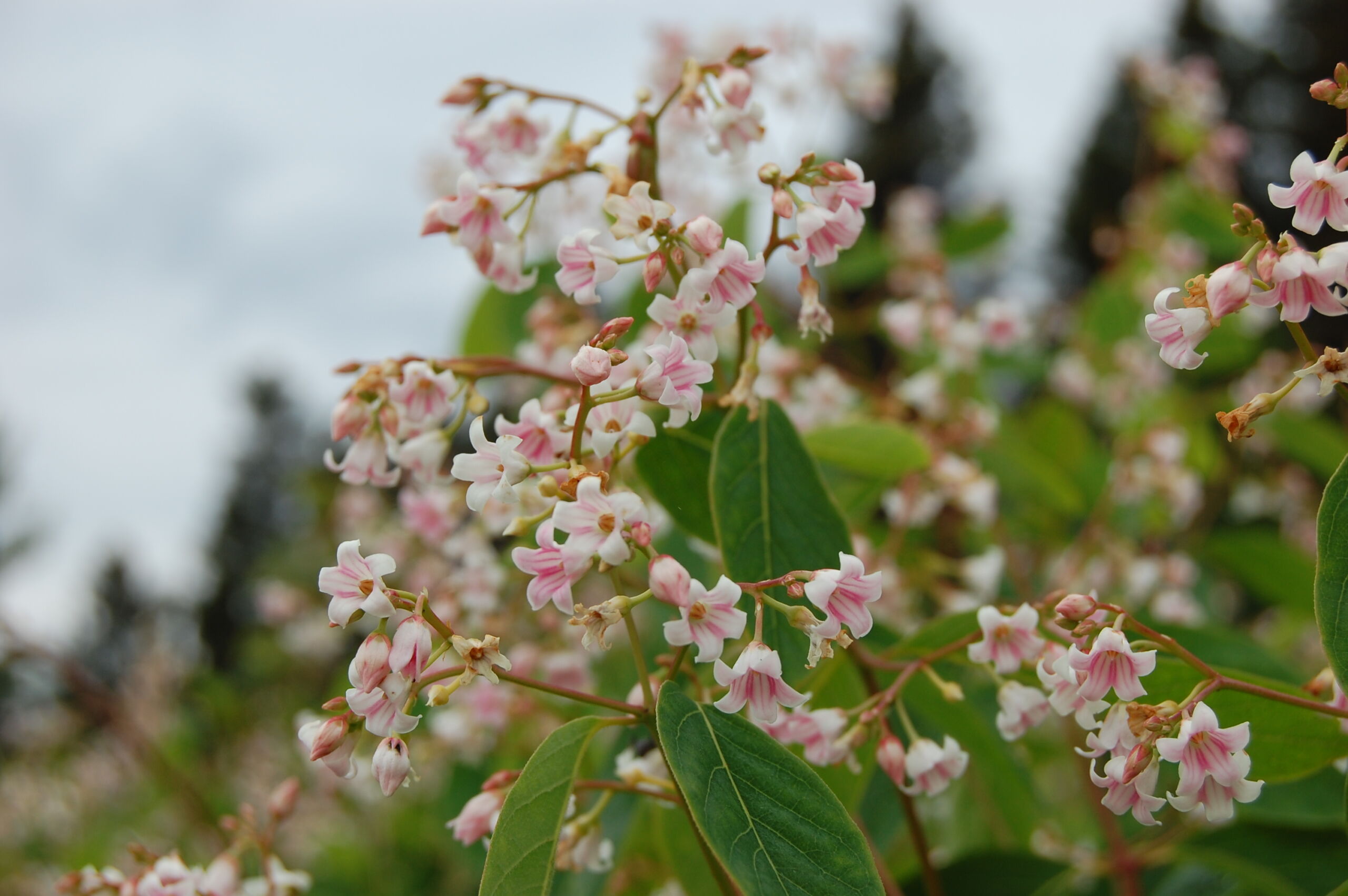
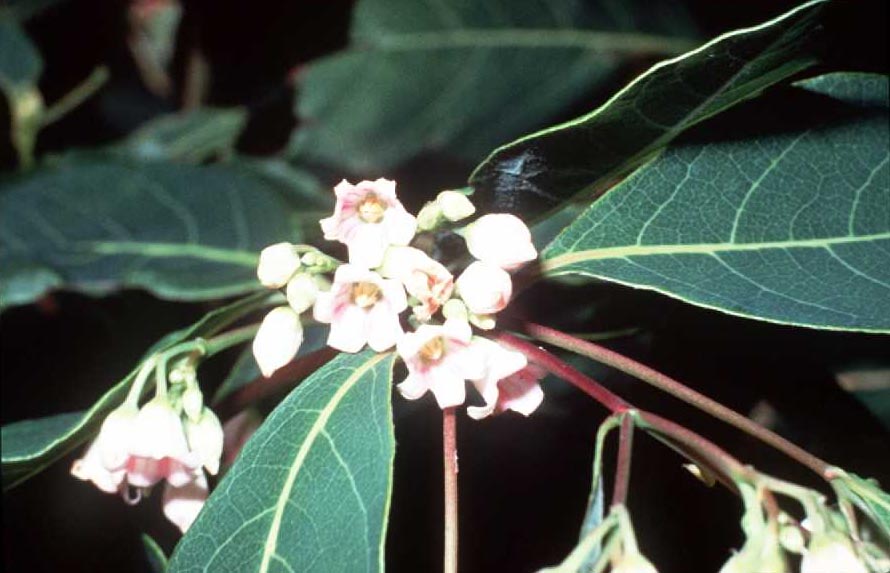
Dogbane is a native North American perennial herb with a split personality: a pretty wildflower with small, bell-shaped, white to pinkish flowers in flat-topped clusters, and a plant with a serious toxic reputation. Plants are typically 1 to 4 feet tall (hemp dogbane can reach 6 feet), with smooth, often reddish stems that branch toward the top, opposite leaves, and a milky white sap that oozes from any broken stem or leaf. After flowering, it produces long, narrow, sickle-shaped pods — 4 to 8 inches long in hemp dogbane — that hang in pairs and split open to release seeds tufted with silky hairs, ready to ride the wind.
Here is the most important identification point in this whole guide, so let us put it in bold in spirit: dogbane is NOT milkweed. The two are related — both in the dogbane family, Apocynaceae — and they share milky sap, opposite leaves, and paired pods, which is exactly why gardeners confuse them. But they are different genera, and the difference matters enormously for butterflies: monarch caterpillars eat milkweed (Asclepias species) and cannot use dogbane as a host plant. A garden planted with dogbane in the belief that it will feed monarch caterpillars will feed precisely zero monarch caterpillars. Dogbane’s flowers do offer nectar to adult butterflies, bees, and other pollinators, and it hosts some moths — the dogbane tiger moth and the snowberry clearwing moth among them — but it is not a monarch host, and no amount of wishful thinking changes that.
Toxicity warning, stated plainly: all parts of dogbane contain toxic cardiac glycosides, principally cymarin, which act on the heart. The plant is reported toxic to livestock, pets, and people, and dried plants and hay contaminated with dogbane retain their toxicity. Animals generally avoid it because it is bitter, but poisoning happens when it is mixed into hay where animals cannot sort it out. Do not eat dogbane, do not make tea or medicine from it, and do not let children or pets chew on it. Wear gloves when handling it, because the milky sap is an irritant and you do not want it on mucous membranes. This is not medical advice — it is a “do not put this plant in your mouth” sign, and it is the most useful thing this guide can tell you.
How to grow
Let us be honest about the framing here: most gardeners do not plant dogbane on purpose. It usually arrives on its own, colonizing roadsides, field edges, disturbed ground, and poor soils where other plants struggle, and then the gardener has to decide whether to keep it or remove it. If you are keeping it — for its pollinator nectar, its native-plant value, or its genuinely attractive flowers and reddish stems — the care is minimal, because this plant is built for neglect. Give it full sun to part shade and almost any soil, including poor, sandy, or gravelly ground, and it will grow. It spreads two ways: by wind-blown seed and, more aggressively, by underground rhizomes that send up new shoots to form colonies. That rhizome habit is why a single plant becomes a patch, and a patch becomes a thicket, if you let it.
If you are growing it deliberately in a native or pollinator planting, give it room and a boundary. Plant it where its spreading habit is an asset — a wild corner, a meadow edge, a hedgerow — not in a tidy perennial border where it will muscle in on its neighbors. A mowed edge, a root barrier, or simply a willingness to pull wandering shoots in spring will keep it in bounds. It needs no pampering: no rich soil, no coddling, no winter protection in its range. In fact, the surest way to make dogbane unhappy is to plant it in a wet, heavily fertilized, constantly fussed-over bed, which is the opposite of what it evolved for.
If you decide you do not want it, removal takes persistence, not chemicals, in most garden settings. Pull or dig plants, getting as much of the rhizome system as you can, and repeat — rhizome fragments resprout, so one pass is rarely enough. Do not compost the pulled plants if you are unsure about toxin persistence; bag and discard them instead. And above all, learn to tell it from milkweed before you pull anything: check the stems (dogbane stems are smooth and often reddish; milkweed stems are usually hairier and greener), the flowers (dogbane’s are small bells in flat clusters; milkweed’s form rounded, umbrella-like clusters), and the leaves (dogbane’s are smooth on top and narrower). When in doubt, leave it standing until you can identify it — pulling the wrong plant costs a monarch nursery.
Florida note: dogbane species occur across much of the United States, and hemp dogbane is widespread in the eastern states. Florida gardeners are more likely to meet it as a roadside or field-edge wildflower than as a garden plant, and the same rules apply: admire the flowers, respect the sap, and do not confuse it with the milkweeds that Florida monarchs actually need.
Water & feeding
Dogbane needs almost nothing from you in the water and feeding department, and that is part of its character. It grows in dry to moist soils, tolerates poor, low-fertility ground, and survives drought once established. In a garden setting, rainfall is usually enough; supplemental watering is only needed in an extended drought if you are trying to keep a deliberate planting looking its best, and even then, a deep soak now and then beats frequent sprinkling. Overwatering and rich, wet soil are more likely to cause problems than drought is.
Feeding: skip it. Fertilizer will not improve dogbane in any way you want — it will mainly encourage lusher, faster-spreading growth, which is the opposite of control. This is a plant that thrives on neglect, and the kindest thing you can do for it (and for your other plants) is to leave the fertilizer bag in the shed. If you are managing a meadow or native planting, the annual rhythm is simple: let it grow through summer, let the pods ripen and release their silky seeds in fall, and cut back dead stems in late winter or early spring before new shoots emerge.
Common problems
- It spreads too well. Rhizomes plus wind-blown seed equals colonies. Contain it with edging, mowing around the patch, and regular pulling of wanderers, or accept that it will roam.
- Confusion with milkweed. The classic problem, and the one with real consequences for butterflies. Learn the stem, flower, and leaf differences before you plant, pull, or promise anyone a monarch garden.
- Toxicity risk to livestock and pets. Animals usually avoid it, but hay contamination is the real danger — dogbane mixed into cut hay cannot be sorted out by the animal eating it. Keep it out of hayfields and pastures where possible.
- Sap exposure. The milky latex is irritating. Wear gloves, wash hands after handling, and keep broken stems away from eyes and mouth.
- Very few other problems. Dogbane is notably tough and pest-free in most settings. If it looks bad, the usual cause is too much water or too rich a soil, not disease.
Harvest
There is no edible harvest from dogbane, and this guide will not pretend otherwise. Historically, the one real harvest was fiber: Native peoples used the tough bast fibers of hemp dogbane stems to make cordage, nets, and textiles — which is where the name “Indian hemp” comes from, even though the plant is not related to cannabis at all. That fiber use is a historical fact, not a modern recommendation, and processing the plant means handling the sap, so it is not a casual craft project. For the modern gardener, the honest “harvest” is ecological: nectar for adult butterflies and pollinators through the summer, seeds for the wind in fall, and a tough native plant holding ground on poor soil where little else will grow. If you want a plant to eat, brew, or feed to caterpillars, plant something else — dogbane’s job is to be admired from a respectful distance, with gloves on.
Browse all plant & pest guides
Saving seeds
Stop here and read the warning first, because it changes everything else in this section: dogbane is toxic if ingested, all parts of it, and that includes the seed. The plant’s cardiac glycosides, including cymarin, interfere with the sodium-potassium pump in heart muscle — the same general mechanism as foxglove and oleander — and the milky sap can irritate mucous membranes. This is not a plant to taste, to brew, to feed to anything, or to dose yourself with on the strength of old folklore. Historical mentions of dogbane seed ground into meal belong in a history book, not in your kitchen, and they are repeated here only so you know to ignore them. Wear gloves whenever you handle the pods, keep children and pets away from the work, wash your hands afterwards, and never save or share this seed without a label that says TOXIC in letters nobody can miss. If you are not comfortable with that responsibility, the correct amount of dogbane seed to save is none.
With that said, here is how the plant itself does it. Dogbane flowers in summer, and by late summer into fall it carries paired, narrow, sickle-shaped pods, four to eight inches long, that split open to release seeds tufted with silky white hairs — a miniature version of milkweed’s parachute system, built for wind travel. To collect, slip a paper bag over a pod that is browning but has not yet split, tie it loosely, and wait for the split to happen inside the bag; otherwise the first good breeze will do your collecting for you, all over the neighbourhood. Snip the pod with gloves on, and do the fluffy work outdoors. That coma of silk goes everywhere, it clings to everything, and you do not want to be breathing it in over a kitchen table.
Cleaning is simple and mostly a matter of separating seed from silk: rub the fluff gently, pick out the seed, and accept that a little silk in the packet is normal. Store the seed in a labelled paper envelope in a cool, dry place — a sealed jar with a desiccant packet is wise in Florida humidity, where a paper envelope in a damp shed can go mouldy before spring. Do not bank on a precise shelf life, because sources agree dogbane spreads by seed and by rhizome but offer no tidy home-storage viability figure worth quoting; sow it fresh and treat older seed as an experiment, not a plan.
The honest sowing method is also the simplest: sow fresh seed outdoors in fall, shallowly, where you actually want the plant, and let winter do whatever chilling it needs. Sources do not hand home gardeners a firm stratification recipe for Apocynum seed, so this section will not invent one — fall sowing sidesteps the argument. Be aware, though, that seed is not even dogbane’s main trick. Its extensive rhizome system sends up new shoots and forms colonies, so a patch that looks like a dozen separate plants may be one plant wearing a disguise. That matters for two reasons: first, seedlings grown from seed will be genetically variable, while rhizome shoots are clones; and second, a patch you start from seed can become a patch you cannot easily contain, so never plant it near pasture, hay ground, or anywhere livestock might graze it, fresh or dried. Dogbane’s job, as this guide already says, is to be admired from a respectful distance. Save its seed in that same spirit: carefully, labelled, gloved, and only if you have a place it belongs.
Species in this group
Hemp dogbane (Apocynum cannabinum) — the widespread one: 3 to 6 feet tall, smooth reddish stems, small white to greenish-white bell flowers in July and August, narrow sickle-shaped pods 4 to 8 inches long; the fiber plant of history and the most common dogbane in fields and roadsides.
Spreading dogbane (Apocynum androsaemifolium) — the prettier one: 1 to 4 feet tall, pinkish bell-shaped flowers with recurved lobes, drooping oval leaves on short stalks; often confused with hemp dogbane, but the pink-striped bells give it away.
Apocynum sibiricum — the northern dogbane: a cold-climate relative with a similar habit and similarly toxic sap; garden details are less commonly documented than for the two species above, so treat its height, spread, and hardiness as variable rather than pinned down.