
🌼 Winter Cress
What it looks like
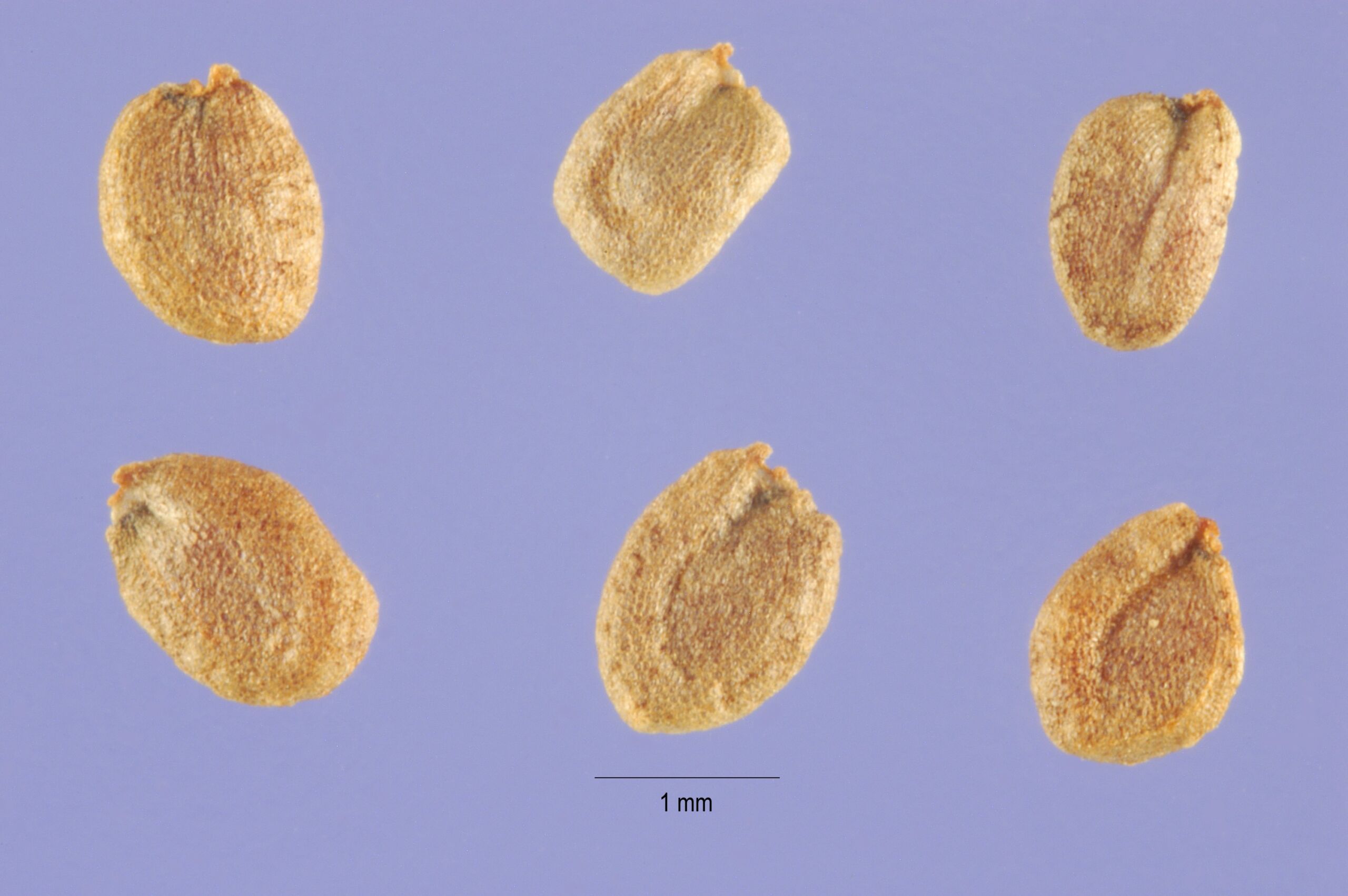
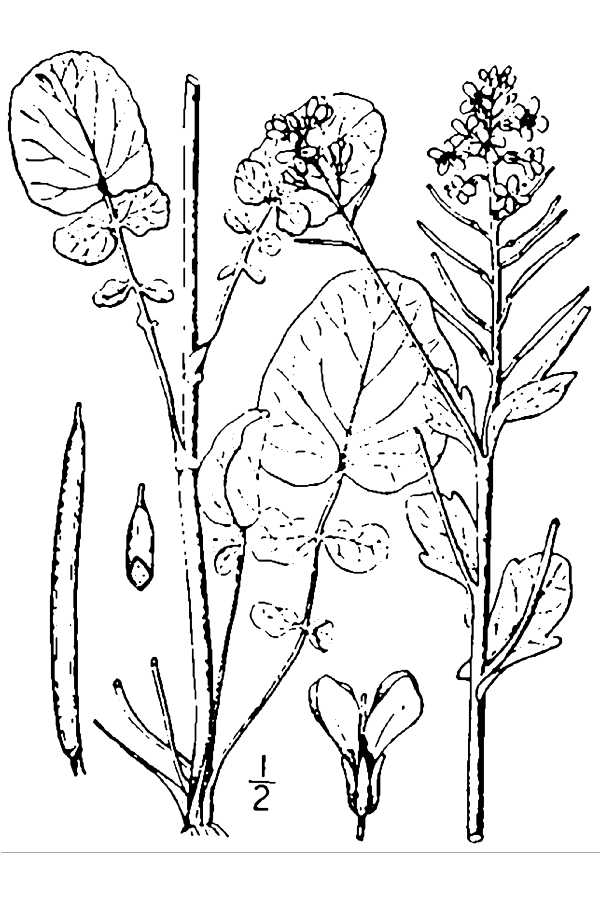
Barbarea is a small genus of mustards — family Brassicaceae, the same family as broccoli, kale, and radish — and if you know what a mustard flower looks like, you already know half of this guide. Four yellow petals in a cross shape (the old family name, Cruciferae, means “cross-bearing”), glossy green leaves, and a peppery bite that announces the family connection before you have even swallowed.
The typical wintercress life story goes like this: in its first year it forms a low basal rosette of glossy, dark green, deeply lobed leaves, each with one large rounded terminal lobe and smaller lateral lobes — a shape that is worth learning, because it is how you tell wintercress from the many other yellow-flowered mustards. The rosette sits through winter, often staying green under snow in mild spells, which is exactly how the plant earned its name. In its second year the rosette bolts, sending up one or more flowering stalks 8–24 inches tall (some sources report up to about 3 feet), topped with dense clusters of bright golden-yellow flowers from spring into summer. After flowering come slender seed pods, called siliques, about an inch long.
Wintercress is one of the earliest nectar and pollen sources of spring for bees and butterflies, and it is a host plant for several butterfly species — which is why it earns a genus guide here rather than a footnote. It is also, frankly, a weed in many places: it naturalised across North America from Eurasia, loves moist, disturbed ground, and reseeds with enthusiasm. Whether you call it a crop or a weed mostly depends on whether you planted it on purpose.
The genus name honours St. Barbara — the plants were once used to treat wounds, and Barbara is the patron saint of artillerymen and miners, people who got wounded by explosions. The species name vulgaris just means “common.” Botany is rarely subtle.
How to grow
Wintercress is easy to grow, and in many gardens it grows itself. Sow seed in late summer or early autumn for rosettes that overwinter, or in early spring for a later crop. It prefers full sun and moist, rich soil, and it tolerates sandy or loamy ground as long as it does not dry out completely. It does well in soil from mildly acid to mildly alkaline, with sources suggesting it does best around pH 6.0–6.5. It tolerates partial shade and cool temperatures — it prefers cool weather, roughly 15–20°C during the growing season — and it is hardy in USDA zones roughly 3–9 for the common species, with individual species varying (see below).
The classic use is as a cool-season green: sow in autumn, let the rosettes establish before hard frost, and pick through winter and early spring in mild climates. In colder regions the rosette overwinters under snow and is one of the first greens to show in spring. To keep a plant productive, pick the outer leaves as it regrows, and remove flowering stems as they appear if you want leaves rather than flowers — though the flowering stems themselves are edible before the buds open, cooked like broccoli.
Do not be fooled by how easy it is: the same vigour that makes it a good green makes it a persistent self-seeder. If you let it flower and set seed, expect wintercress volunteers. Deadhead or pull plants after harvest if you want to keep it contained, and check with your local extension service before planting it in a region where it is listed as a noxious weed — it is a noxious weed in some states.
Florida note: wintercress is a cool-season plant of temperate regions, and it is not a natural Florida garden staple — Florida’s heat ends its season fast, and it will bolt and turn bitter quickly once warm weather arrives. In north Florida it can work as a winter green, sown in autumn and picked through the cool months; in central and south Florida, treat it as a short-season experiment rather than a reliable crop. It is not a Florida native.
Water & feeding
Wintercress likes consistent moisture. It prefers moist soil and does poorly in soils that are too dry, though it also needs good drainage — soggy, waterlogged ground is not its friend either. Think of the damp edge of a garden bed, a spot that stays moist after rain but does not puddle. Mulch helps hold that moisture through dry spells and keeps the rosette leaves clean for picking.
Feeding is modest: a soil rich in organic matter is ideal, and a dressing of compost at planting is usually all it needs. As a mustard, it is not a heavy feeder by vegetable standards, and excess nitrogen tends to produce lush, soft growth that bolts faster. If you are growing it in a vegetable rotation, the bed’s normal compost is plenty.
Common problems
- It turns bitter. This is not a disease, it is the plant’s calendar. Young leaves in early spring are peppery but pleasant; once the plant blossoms, the leaves become strongly bitter. Pick young, pick early, and cook older leaves in one or two changes of water if you still want to use them.
- It self-seeds everywhere. A single plant can scatter seed widely. Deadhead before pods ripen if you do not want a wintercress lawn next year.
- Mustard-family pests. Flea beetles, cabbageworms, and other brassica pests will nibble it, just as they nibble kale and broccoli. The same defences work: row cover, hand-picking, and accepting a few holes in a plant you are growing partly for wildlife anyway.
- Look-alikes. Other yellow-flowered mustards (wild mustard, hedge mustard, and friends) look similar, and some are less pleasant eating. Learn the rosette: glossy, hairless leaves with one large terminal lobe and few lateral lobes. When in doubt, do not eat a wild mustard you cannot positively identify — and never harvest from roadsides or ground treated with herbicides.
- Eating too much raw. Sources note that eating large amounts of raw wintercress can upset the stomach, and one source mentions kidney concerns from excessive raw consumption. Use young leaves in small amounts raw, as an herb-like addition to salads, and cook larger quantities. This is a potherb, not a salad mountain.
Harvest
Harvest young leaves before the plant blooms on second-year plants, or after the first fall frosts on first-year plants — those are the sweet spots, literally. Young leaves can be chopped finely into salads, where their hot, cress-like flavour works like rocket (arugula), a close flavour cousin. Older leaves are best cooked as a potherb, like spinach, and are at their best blanched or boiled briefly, then sautéed with fat and acid — olive oil or butter plus lemon or vinegar tames the bite beautifully.
Young flowering stems, harvested before the flowers open, cook like broccoli. The flowers themselves are edible as a garnish. The seeds are peppery and edible, though fiddly to collect in quantity. Leaves are available nearly all year in mild climates, even in winter, which is the whole point of a plant called wintercress: when the rest of the garden is asleep, this one is still offering greens.
A word of framing, kept honest: wintercress is a bitter green, not a sweet one. If you love rocket, mustard greens, and broccoli raab, you will love it. If your idea of a salad leaf is butterhead lettuce, wintercress will stage a small rebellion in your mouth. No health claims are made here — it is a traditional spring green with a long history as a potherb, and that is enough.
Browse all plant & pest guides
Saving seeds
Winter cress is a brassica, and its seed playbook is the brassica playbook. Let a few plants bolt and flower in spring, and do not pick from them; the seed plants are working, not feeding you. The seed pods ripen over several weeks, so harvest the whole plant when most of the pods are dry and brown, and finish drying it in a paper bag.
Winter cress is a biennial, which means it needs a cold winter to flower — in Florida, that means a fall sowing that bolts in spring. Isolation matters: it crosses with other Barbarea and with related mustards, so grow only one type for seed at a time if you want it pure. Dry the seed thoroughly before storing; it keeps four to five years in a cool, dry jar.
Sow in fall in Florida, in moist soil, about a quarter inch deep; germination comes in one to two weeks in cool soil. Save from the best plants — the mildest, least bitter leaves — and let the bitter, bolt-prone ones go to the compost instead of to seed.
In Florida, winter cress is a fall-through-spring green, happiest in north and central Florida with rich, moist soil and part shade. It bolts fast in the heat, so sow in fall for the longest harvest, and let the spring bolters go to seed — that is the crop paying you back.
Species in this group
Common wintercress — Barbarea vulgaris, also called yellow rocket. The classic wintercress of this guide: biennial to short-lived perennial, glossy lobed rosette, bright yellow flowers May to August, about 8–24 inches tall (up to about 3 feet in rich ground), hardy roughly zones 3–9. Edible as described above; locally weedy in damp, disturbed soils.
Upland cress — Barbarea verna. A close relative with more finely divided leaves, often grown as a garden cress. Existing upland cress growing guides cover this species in detail, so it is mentioned here as a relative only, not duplicated.
American wintercress — Barbarea orthoceras, also called American yellowrocket. The native North American wintercress: a biennial or perennial of moist meadows, streambanks, and mountain meadows, with erect stems roughly 20–60 cm tall, pale to bright yellow flowers in spring to early summer, and straight, narrow seed pods. It is the wild, native cousin of the introduced common wintercress, and it is mainly a forager’s spring potherb rather than a garden crop — harvest young rosette leaves and tight buds, cooked, as with its relatives.