
🫐 Ribes
What it looks like
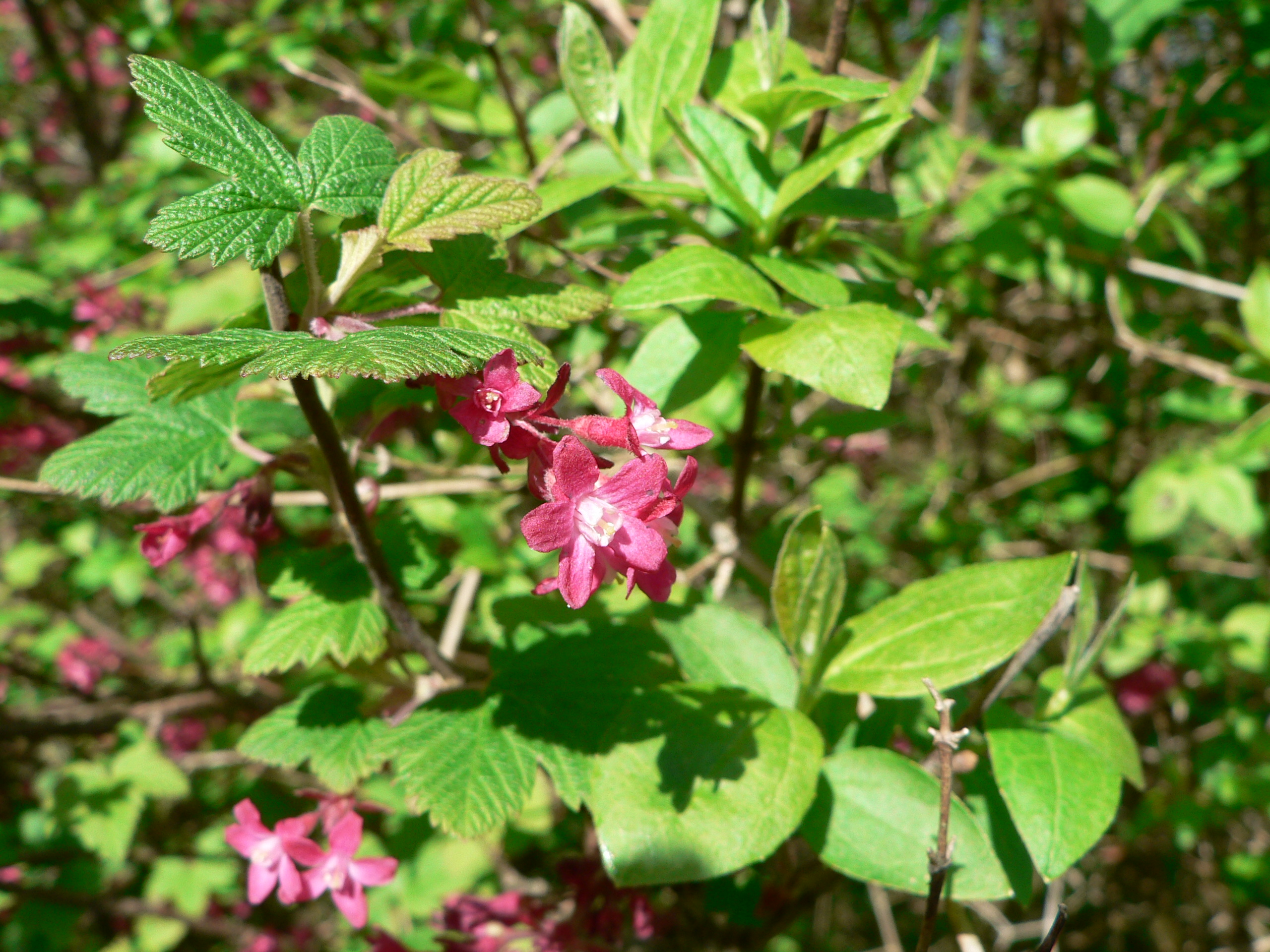
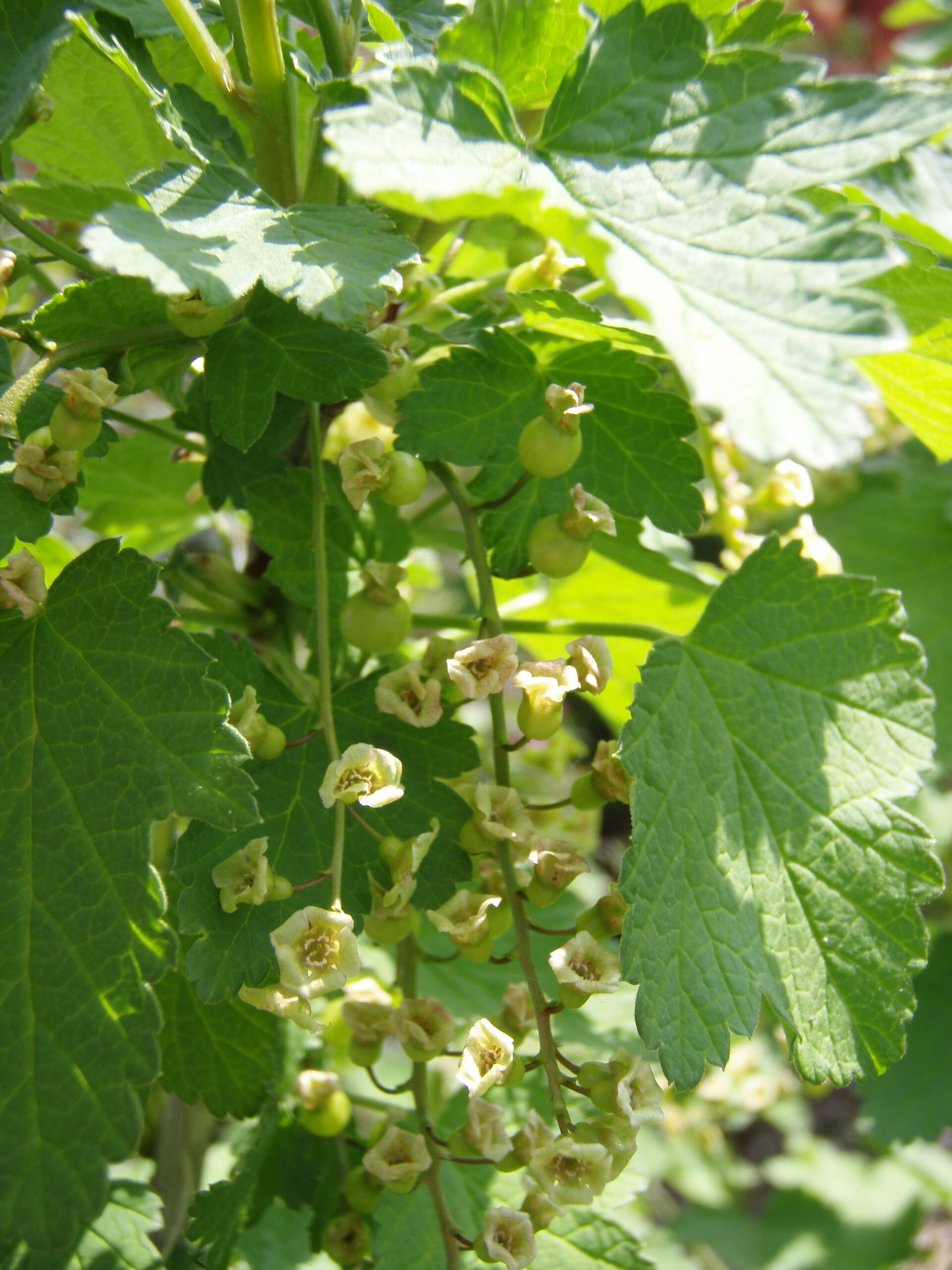
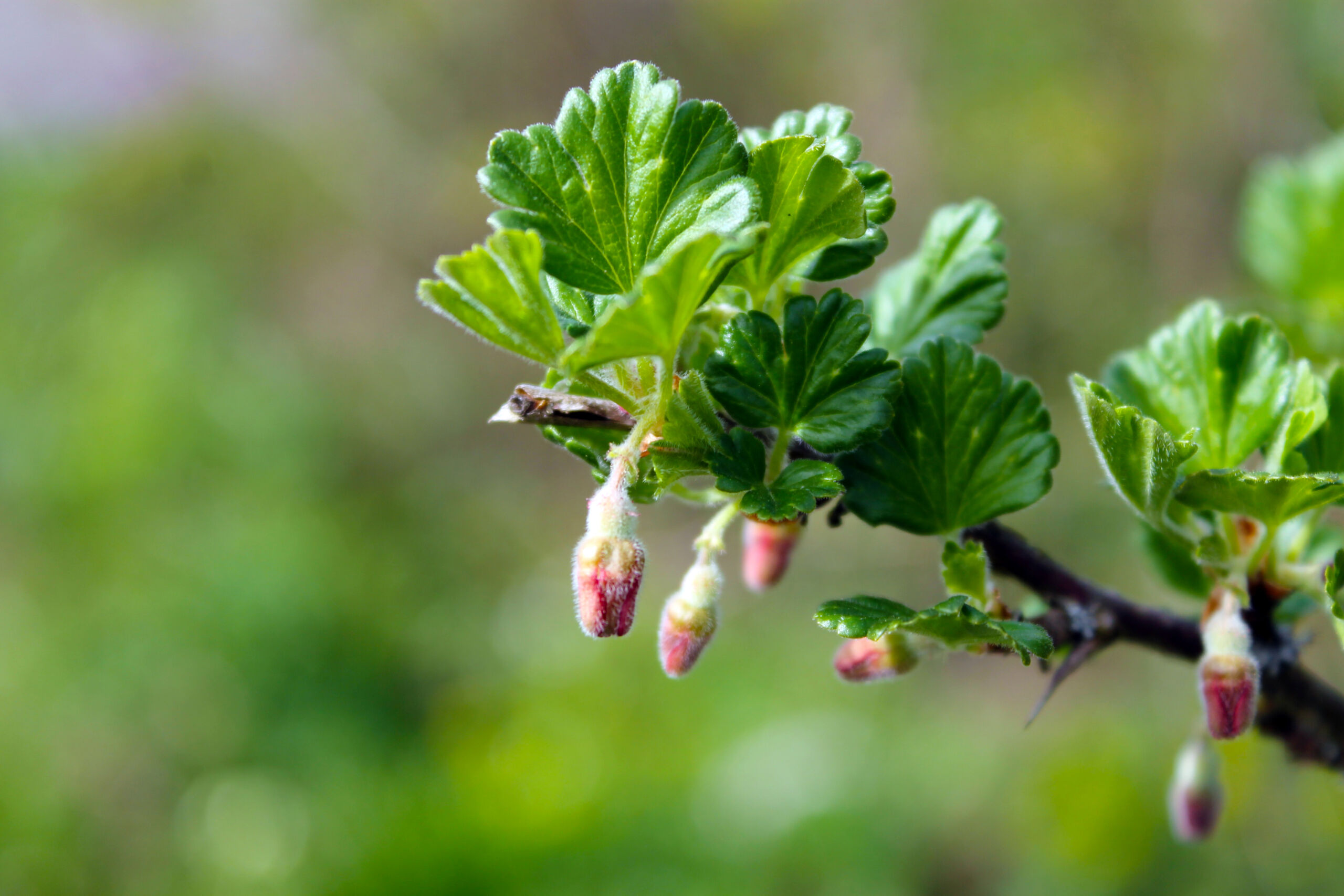
Ribes is a genus of roughly 200 species, and it is the only genus in its family, the Grossulariaceae — a whole plant family with one surname, which is either tidy or lonely depending on your view of taxonomy. Every member is a woody, deciduous shrub (with a few evergreen exceptions in warm places), and the family business is berries: currants on one side of the clan, gooseberries on the other. If you have ever wondered why currants and gooseberries taste like cousins, it is because they are. Same genus, different habits, and a long history of humans picking favourites.
The quick field test between the two halves goes like this. Currants — red, white and black — carry their berries in dangling clusters called strigs, like tiny grape bunches, and their stems are mostly thornless, which makes picking them a pleasure rather than a negotiation. Gooseberries carry larger berries, usually singly or in small groups, and their stems are armed with spines, which makes picking them a negotiation. That spikiness is not a flaw; it is the plant’s security system, and it works. Ornamental members of the genus, like the flowering currant in the first photo above, were selected for showy flowers rather than fruit, and they prove the genus can do spectacle as well as jam.
Leaves are the other giveaway. Ribes leaves are usually lobed, a bit like a small maple leaf that has been simplified, and they sit alternately along arching, multi-stemmed canes. In spring the shrubs leaf out early and flower early — often before the last frost has quite finished — which is both their charm and their vulnerability. A late frost can nip the flowers, and since the flowers are the fruit, a cold snap in April can cost you the summer’s harvest. Planting on a north-facing slope, where flowering is delayed a little, is an old trick for exactly this reason, and it is one of those pieces of advice that sounds fussy until the year it saves your crop.
Size is manageable, which is part of the genus’s appeal. Most currants reach 3 to 5 feet tall, gooseberries 2 to 5 feet, and a vigorous clove currant can stretch to 6 to 8 feet if it likes you. These are not trees and they are not groundcovers; they are honest, waist-to-shoulder shrubs that fit along a fence, at the back of a vegetable bed, or in that awkward semi-shady strip where little else wants to fruit. A single bush can live and produce for decades — some sources cite productive lives of 40 years — so choosing the planting spot is worth more thought than choosing the variety, because you will be living with the decision for a long time.
How to grow
Start with climate honesty, because Ribes will be honest with you in return. This is a cool-climate genus. The standard hardiness range given for currants and gooseberries is zones 3 to 8, with currants happiest in zones 3 to 7 and gooseberries holding on to zone 8, and the plants need a real winter: roughly 800 to 1,500 chill hours for currants, about 1,000 for gooseberries. That chill requirement is the genus’s way of saying it evolved where winters are winters. In hot, humid summers the plants sulk, mildew moves in, and fruit quality drops. Gardeners in Florida and the deep South should read this guide as background, not as a planting recommendation — Ribes is a poor fit for most of Florida, and no amount of enthusiasm changes a chill-hour requirement.
Where the climate suits, give Ribes sun with a caveat. Full sun in cool regions, afternoon shade where summers run hot. About five and a half hours of direct sun is the figure one grower guide cites, and the spirit of it is right: these shrubs want light for fruiting but not a frying pan. A spot sheltered from wind, with good air circulation, helps in two ways — it reduces mildew pressure and it protects those early flowers from frost pockets. Avoid low spots where cold air pools, and avoid planting where water stands after rain.
Soil is where Ribes gets particular, so get it right at planting time rather than apologising later. The genus wants rich, well-drained soil with plenty of organic matter, at pH 6.0 to 6.5, tolerating roughly 5.5 to 7.0. Heavy, poorly drained clay is the enemy: it invites root rot, and a Ribes with rotted roots withers from the top down, which looks like drought and tempts you to water more, which makes it worse. Light, sandy soil that dries out in summer is nearly as bad, because Ribes roots are shallow and the plants wilt fast. Dig in compost generously, plant at the same depth the shrub grew in its pot, and mulch thickly to hold moisture and keep the root zone cool. Space bushes 3 to 5 feet apart, in rows 8 to 10 feet apart, so air moves and you can actually get in to pick.
Plant bare-root stock in early spring or fall, and potted plants in spring after the last frost or in fall. Cut back the tops to 6 to 10 inches at planting if the nursery advises it — it looks brutal and it is correct, because it forces strong new canes from the base. Most currants and gooseberries are self-fruitful, so one bush will fruit alone, though some black currants do better with a pollination partner, and a second variety rarely hurts. Do not expect a bumper crop in year one. Ribes fruits best on wood that is one to three years old, which means the plant has to grow up a little before it can show off, and your job in the early years is mostly to keep it watered, mulched and unmolested.
One more check before you order, and it is a legal one, not a horticultural one. Ribes species are alternate hosts for white pine blister rust, a disease of five-needled pines, and a patchwork of state and local rules still restricts planting or shipment of some Ribes in some places. The history here is dramatic: a federal ban in 1911 made growing all Ribes illegal in the United States, and although that ban is long gone, state rules vary to this day. Check your state’s current rules before ordering, and buy certified, virus-free stock from a reputable nursery. It is the least romantic part of growing currants, and the most important to get right.
Water & feeding
Water is the make-or-break routine for Ribes, because those shallow roots dry out faster than you expect and the plants show stress quickly — wilting, scorched leaf edges, dropped flowers. Water deeply and consistently through the growing season, especially while fruit is swelling, and mulch heavily to keep moisture in the root zone. A Ribes that dries out during fruiting will punish you with small, tart berries and a sulk that lasts into next year. Container-grown plants dry out faster still and need checking in hot weather, not on a calendar schedule.
Feeding follows the same steady-as-she-goes logic. These are hungry shrubs by berry standards, and growers who fertilise twice a year — once as growth starts in spring, once after fruiting — tend to get the best crops. Use a balanced fertiliser or well-rotted compost, and do a soil test before you start throwing amendments around, because Ribes dislikes both strongly acidic and strongly alkaline soil and will show it as yellowing leaves, poor fruit set and general misery. A spring mulch of compost feeds slowly, holds moisture and improves the soil structure all at once, which is three jobs for the price of one, and that is the kind of efficiency a gardener should appreciate.
Pruning is the annual conversation you have with the bush, and it is best held while the plant is dormant, in late winter. The rule is simple once you know the fruiting habit: fruit comes best on one- to three-year-old wood, so each year you remove wood older than three years right at the base, and you thin the crowded centre for airflow and light. Aim to keep roughly eight to ten productive canes on a mature bush, with a spread of ages among them. For red currants, growers traditionally keep only two or three new shoots per year; for gooseberries, around six. Do not shear a Ribes like a hedge. You are curating a set of canes, not sculpting a topiary, and a bush pruned this way will out-produce a neglected one for decades.
Common problems
- Late frost nips the flowers. Site on a north-facing slope or in a sheltered spot where bloom is delayed, and cover with fleece on frost nights if a hard freeze threatens open flowers.
- Powdery mildew and leaf spot. The classic Ribes complaints in humid air. Space for airflow, prune for an open centre, water at the base rather than overhead, and choose resistant varieties where they are offered.
- Root rot from wet soil. Withering from the top down in heavy clay is usually rot, not drought. Plant on a slight mound or in a raised bed, improve drainage before planting, and resist the urge to water more.
- Wilting in summer heat. Shallow roots plus hot sun equals a thirsty shrub. Mulch thickly, water deeply, and give afternoon shade at the warm end of the range.
- Birds eat the crop. The honest truth: birds love currants and gooseberries as much as you do, possibly more. Net the bushes as berries colour, or accept a bird tax and plant an extra bush.
- Gooseberry sawfly and currant fruit fly. Sawfly caterpillars can strip a bush fast; hand-pick them or treat promptly, and clear fallen fruit, which harbours the fruit fly.
- It will not fruit. Check the chill hours first — too warm a winter means poor bloom — then check the pruning: a bush full of old wood fruits poorly, and a bush pruned to stubs has no fruiting wood at all.
Harvest
Harvest is the reward, and Ribes is generous about it. Currants ripen in their strigs — pick the whole cluster when the berries are fully coloured and come away easily, and strip them from the stem with a fork afterwards if you are making jelly. Gooseberries are ready when they give slightly under gentle pressure; pick them a little underripe and tart for cooking, or fully ripe and sweet for eating fresh, which are two different harvests from the same bush and both worth doing. Expect a mature bush to give several pounds of fruit a year, and expect the flavour to be sharp, bright and unmistakably northern — the taste of a summer that had a proper winter first.
In the kitchen, currants and gooseberries are famously high in vitamin C, and they are at their best cooked into jams, jellies, pies, sauces and cordials, where their tartness becomes a virtue. Black currants in particular are the backbone of cordials and preserves, and their deep colour stains everything it touches, including the cook. Freeze surplus berries on trays before bagging them, and they will keep for winter baking without turning to mush. And leave a few berries for the birds on purpose, if you can bear it — a garden that feeds only its gardener is missing half the point, and the comma caterpillars that ate the leaves earlier in the season have already made their case for sharing.
Browse all plant & pest guides
Saving seeds
Ribes seed — currants and gooseberries — needs winter before it will sprout, and it needs the pulp cleaned off first. Eat the berries, save the seeds from the ripest ones, and clean them: mash the berries in a little water, let the pulp float off, and save the small hard seeds that sink. Rinse them and let them dry for a day. A single currant cluster makes a generous handful of seed.
The seed needs a cold, moist stretch: mix it with damp sand or vermiculite in a bag and store it in the fridge for two to three months, or sow fresh outdoors in fall and let winter do the work. After stratification, sow about a quarter inch deep in a moist, well-draining mix and keep it cool and moist. Germination is slow and uneven — some seed sprouts in a few weeks, some takes a couple of months — so do not give up on a pot at four weeks. Seedlings grow steadily once they are up, but they will take a couple of years to fruit, and they will not taste like the parent.
That is the honesty part: a Ribes seedling is a genetic gamble. Named varieties — the sweet red currants, the big gooseberries — are propagated by hardwood cuttings for a reason. Take a pencil-thick stem in late winter, stick it in moist soil, and you get a true copy of the plant you loved. Seed is for the experiment and for the breeder, not for a guaranteed copy of the berry you ate. And save seed from several plants, not just one, since currants and gooseberries benefit from cross-pollination between plants to set good seed.
Save seed from berries that were fully ripe, sweet, and true to type, from a healthy bush, and sow more than you need. And a Florida note, because it matters: currants and gooseberries are cold-climate berries that need real winter chill, and they are marginal in most of Florida. They do best in north Florida with afternoon shade and steady moisture, and they will struggle in the heat further south. Treat the seed as a fun experiment rather than a plan for a fruiting bush.
Species in this group
Redcurrant — Ribes rubrum — The classic red currant of jellies and strigs; thornless canes, bright red berries in dangling clusters, happiest in cool climates.
Whitecurrant — Ribes rubrum (white-fruited forms) — The same species as redcurrant in a paler, sweeter dress; often sold as a separate garden type, botanically the same plant.
Blackcurrant — Ribes nigrum — The darkest, most strongly flavoured currant, backbone of cordials and preserves; some varieties benefit from a pollination partner.
European gooseberry — Ribes uva-crispa — The classic gooseberry, spiny stems, large berries green, yellow, red or purple when ripe; the species behind most garden gooseberries.
Flowering currant — Ribes sanguineum — Grown for its spring flowers in pink and red rather than its fruit; the ornamental show-off of the genus, and a magnet for early pollinators.
Golden currant / clove currant — Ribes aureum — A vigorous native of central and western North America with cascades of yellow, spice-scented flowers in spring and black berries later; can reach 6 to 8 feet.
Buffalo currant — Ribes odoratum — Closely allied to golden currant, and the two names have been tangled in the trade for years; fragrant yellow flowers, arching habit, and a reminder to check the Latin name on the label, not just the common one.
Catalina currant — Ribes viburnifolium — An evergreen, trailing currant from the California coast with glossy, citrus-scented leaves and deep red star-shaped flowers; the exception that proves the deciduous rule.
Fuchsia-flowered gooseberry — Ribes speciosum — A western North American gooseberry with dangling fuchsia-red flowers; ornamental first, fruit second.
Spreading gooseberry — Ribes divaricatum — A Pacific Northwest native gooseberry with small, dark berries; one of the wild species behind the garden gooseberry story.
Note: this site already has its own growing guides for currant and for gooseberry as garden crops; this genus guide covers the whole Ribes clan, including the ornamental and wild species those crop guides do not.