
🍈 Annona
What it looks like
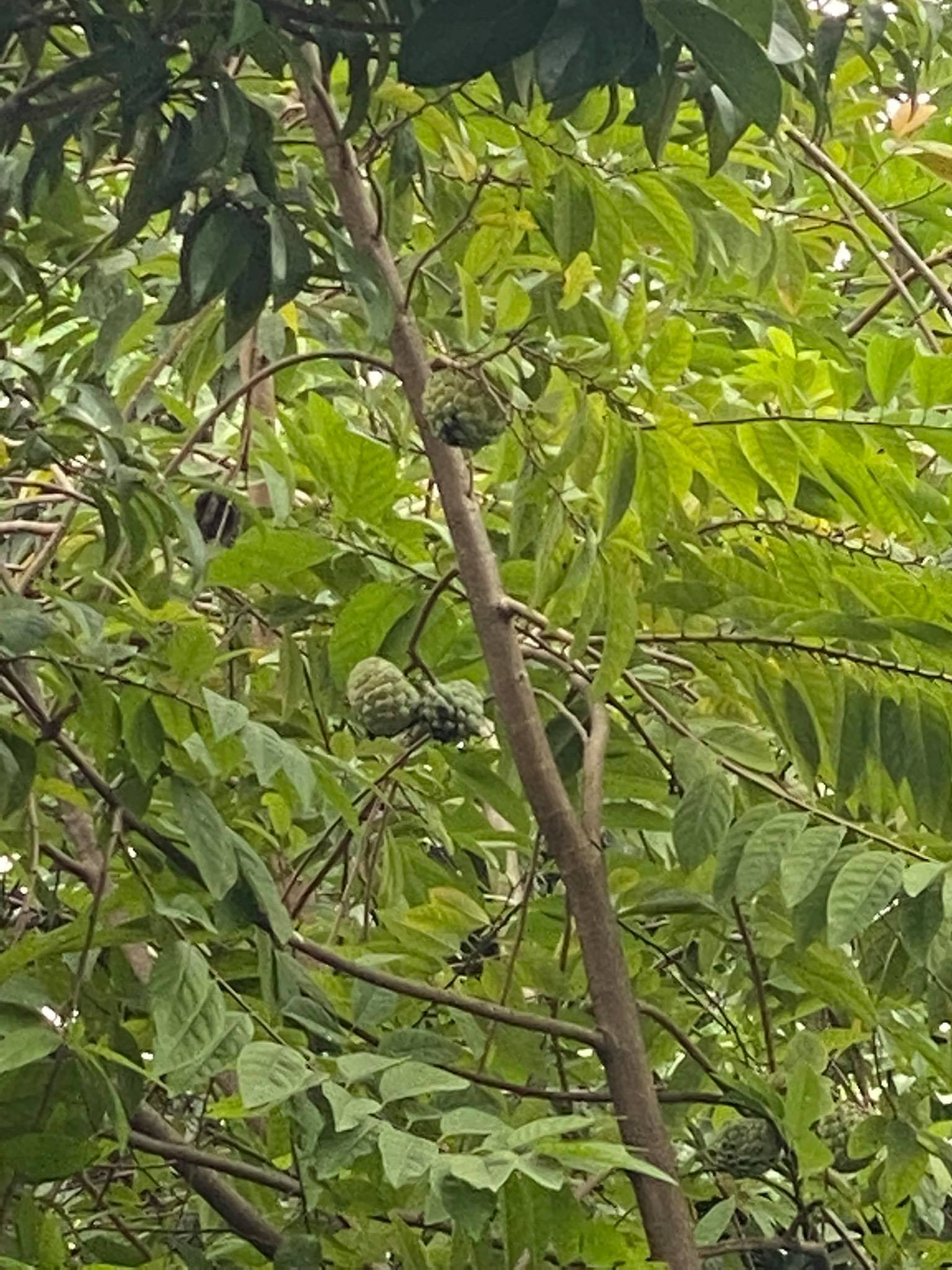
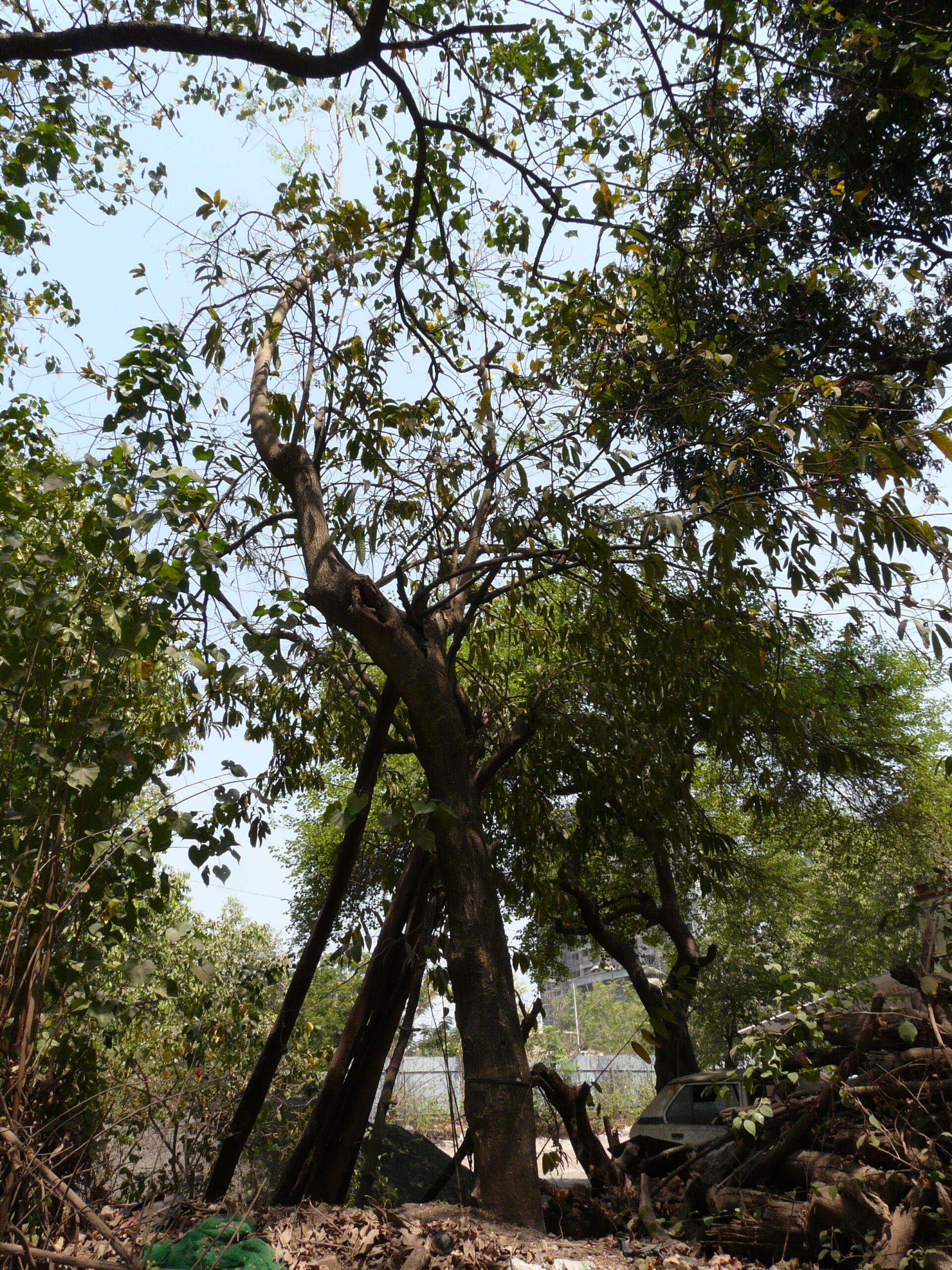
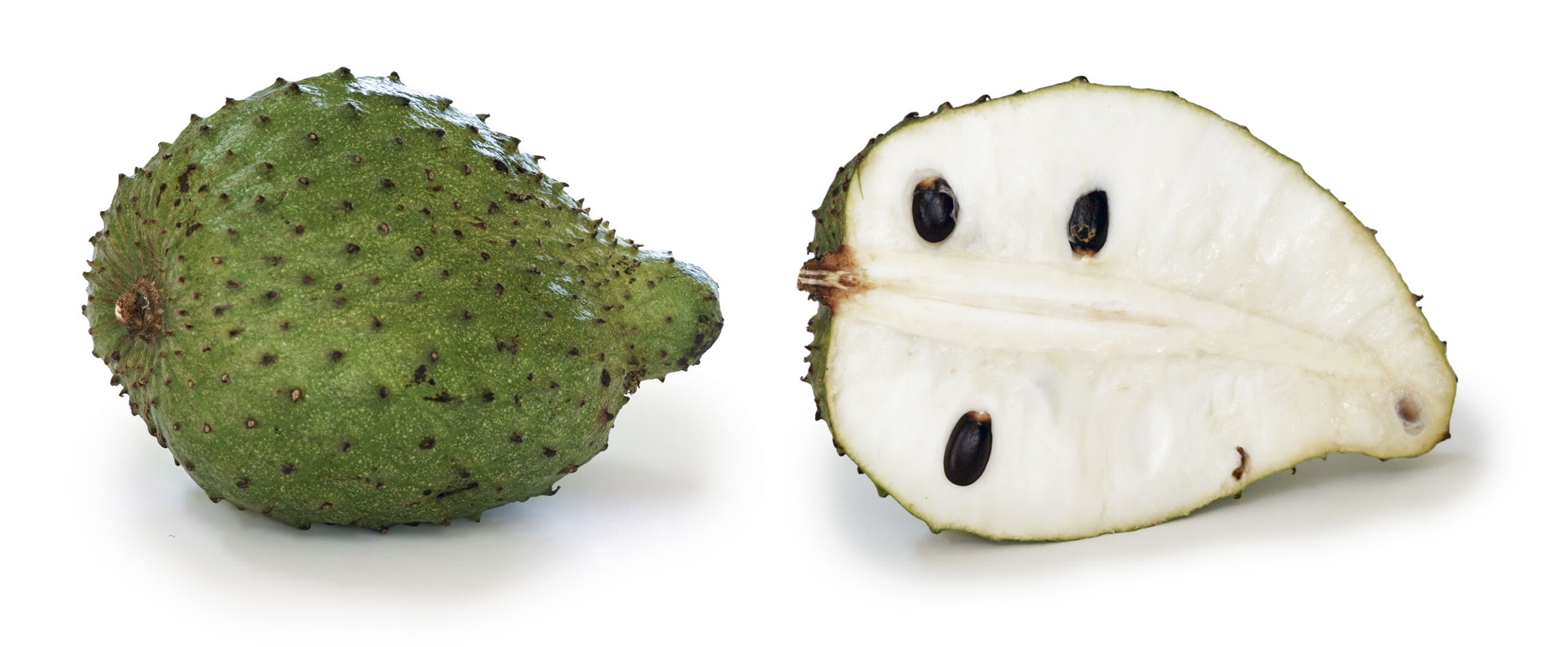
Annona is a large genus of flowering trees and shrubs in the custard-apple family (Annonaceae) — about 169 accepted species, mostly native to the tropical Americas, with a secondary presence in Africa — and it is the genus that turns a backyard in the tropics into a dessert menu. The name comes from the Taíno word anón, the Hispaniolan name for the fruit, which tells you how long people have been eating these: before European botanists arrived with Latin, Caribbean islanders already had a word for them. Seven species and one hybrid are commercially cultivated for edible fruit, and those are the ones most gardeners meet, but the genus as a whole is much bigger, wilder, and more interesting than the fruit aisle suggests.
Annonas are tropical or subtropical evergreen or semi-deciduous trees and shrubs, usually small as fruit trees go — sugar apple is a small, well-branched tree or shrub reaching about 20 to 26 feet unpruned, cherimoya a small tree 10 to 20 feet tall and wide, and most garden trees are pruned far smaller. The leaves are simple, alternate, and oblong to lance-shaped, dull pale green, sometimes hairy when young and smooth at maturity. The flowers are the genus’s quiet weirdness: produced in small clusters, each about 1 to 2 inches across, with six fleshy petals, yellow-green and often spotted purple at the base, and they do not look like much — until you realize those odd, fleshy flowers are the reason the fruit exists at all. The fruit is the point, and it is gloriously strange: a compound fruit formed from many fused carpels, so the skin can be knobby and segmented (sugar apple), smooth and spiky (soursop), netted and heart-shaped (custard apple, the bullock’s heart), or softly scaly (cherimoya). Cut one open and you find the same promise every time: sweet, creamy, custard-like pulp, white to light yellow, wrapped around numerous hard, dark brown to black seeds. Sugar apple fruit runs about 2 to 4 inches across and weighs roughly 3 to 8 ounces; soursop is the big one, much larger and spikier, with a sweet-tart pulp that tastes like custard with a squeeze of lime. The common names are a glorious mess — sugar apple, sweetsop, custard apple, soursop, guanabana, cherimoya — and the same name can mean different species in different countries, which is why this guide insists on Latin names. In Florida, old-timers call pond apple “custard apple,” in Cuba cherimoya is sometimes called custard apple, and in India sugar apple is called custard apple. Latin is the only language in which everyone agrees.
For butterflies, Annona is a host genus, not a nectar genus. In butterfly guides it appears as a host plant for the dark kite-swallowtail and the red-sided swallowtail, whose caterpillars eat the leaves. That is a useful reminder that a fruit tree is also a wildlife tree: the same leaves that will one day shade your custard apples are, right now, baby food for swallowtails. Annonas are also cousins of pawpaw — the temperate North American fruit tree is in the same family, Annonaceae — which makes the genus a bridge between tropical fruit growing and the native pawpaw patch. If you have ever wondered what a tropical pawpaw would taste like, an annona is the answer, and the answer is custard.
How to grow
Annonas grow best where it is warm, sunny, and never very cold, and the first rule of growing them is to respect that. Plant in full sun — the genus does not tolerate shade — in rich, well-drained soil, ideally sandy loam with a pH of 5.5 to 6.5. They are adaptable to sandy, loamy, or clay soils as long as drainage is good, but waterlogged soil is fatal, except for pond apple, which is the wet-soil specialist of the family and is used as a rootstock for wet ground. Annual daytime temperatures of roughly 75 to 82 degrees Fahrenheit suit most species, with tolerance from about 54 to 90 degrees, and hardiness zones 8 to 12 depending on species, though most fruit species are realistically zones 9 to 11 outdoors. That zone disagreement is worth stating plainly: one reference gives the genus 8 to 12, another gives garden trees 9 to 11 outdoors, and the truth is species-by-species — cherimoya tolerates cooler highland conditions, soursop is extremely cold-sensitive and sulks below about 50 degrees, and sugar apple sits in between. Pick your species for your winter, not for your summer dreams.
Space trees 15 to 20 feet apart if you let them grow naturally, and prune annually to keep them at 8 to 10 feet, which is the size UF/IFAS recommends for sugar apple in the home landscape. Sugar apple takes very well to pruning, and a pruned tree is easier to pick, easier to protect, and easier to love. Plant in spring after the last frost, water regularly during active growth and fruit development, and mulch to hold moisture — but keep mulch away from the trunk and never let the root zone sit wet. Young plants are the most frost-sensitive, so protect them from cold or grow them in containers that can be moved to shelter. In a marginal climate, a container annona that spends winter in a greenhouse or a bright, frost-free room is a perfectly respectable way to grow custard apples, and it is how gardeners outside zones 9 to 11 get to taste them at all.
Propagation is by seed or air-layering, and nursery trees grown from seed or air-layering can fruit in 2 to 5 years. Seed-grown trees vary — the fruit of a seedling may not match its parent — while grafted or air-layered trees are true to type, which is why named varieties exist and why they matter. Sugar apple varieties like Lessard Thai and Kampong Mauve, recommended by UF/IFAS for Miami-Dade, are selections for fruit quality, not just pretty names. The main fruit season for sugar apple in Florida is July through September, and the trees are semi-deciduous in cooler temperatures, dropping leaves below about 40 degrees and staying evergreen in the deep tropics. That leaf drop is normal, not a disease, and it is the tree’s way of waiting out a cool snap.
Florida note: Florida is annona country, but only the warm parts of it. UF/IFAS is specific: sugar apple production in Florida is restricted to warm locations along the lower southeast and southwest coasts, with home landscape trees also found along the southeastern shore of Lake Okeechobee and in warm, protected locations along the lower east and west coasts. In other words, South Florida is home, Central Florida is a gamble that needs a protected microclimate, and North Florida is container-and-greenhouse territory. If you garden in Keystone Heights, grow your annona in a pot you can shelter, or admire the South Florida trees and plant a pawpaw instead — the family’s temperate cousin that actually likes a chill.
Water & feeding
Water regularly during active growth and fruit development, and ease off when the tree is dormant or semi-deciduous. Annonas want consistent moisture — the soil should be moist but never waterlogged — and drought stress during fruit development produces smaller, poorer fruit. A deep soak that wets the root zone, followed by a drying interval, beats daily sprinkles. Mulch with organic material to hold moisture and feed the soil biology, and water young trees more often than established ones until their roots have explored.
Feeding: annonas are moderate feeders, not heavy ones. A balanced fertilizer program through the growing season, with extra potassium as fruit develops, suits most species, but the honest genus-level advice is to feed lightly and watch the tree: deep green leaves and steady growth mean the program is working, while yellow leaves and weak growth mean something is missing — often iron or magnesium on alkaline soils, since annonas prefer slightly acidic ground. Do not fertilize heavily in winter or when the tree is leafless, and do not lime the soil unless a test shows it is needed. The soil science is the usual tropical-fruit story: rich, well-drained, slightly acidic soil, full of organic matter and microbial life, grows a tree that can make custard from sunlight. Poor, compacted, alkaline soil grows a sulking tree that drops its fruit.
Common problems
- Frost. The big one. Annonas are sensitive to frost, soursop extremely so, and a single hard freeze can kill a young tree outright. Plant in the warmest microclimate you have, protect young plants, and keep a container option in marginal zones.
- Annona seed borer. UF/IFAS flags this pest for sugar apple: the borer lays eggs in the seeds of the fruit, causing a fungus that mummifies the fruit and turns it black. Pick off and destroy affected fruit promptly, and do not leave mummified fruit on the tree or the ground.
- Waterlogging. Most annonas rot in wet soil. Good drainage is non-negotiable, except for pond apple, which tolerates wet ground and is used as a rootstock for it. If your site is wet, graft onto pond apple or choose a different tree.
- Name confusion. Custard apple means A. reticulata in one country, A. squamosa in another, and pond apple in old Florida usage. Buy by Latin name, and check the variety name against the species, or you may wait years for a fruit that is not the one you wanted.
- Leaf drop in cool weather. Semi-deciduous behavior below about 40 degrees is normal. Do not panic, do not overwater a leafless tree, and wait for warm weather to bring the leaves back.
- Variable seedlings. Seed-grown trees may not match their parent’s fruit. For reliable fruit quality, buy a named, grafted or air-layered variety.
Harvest
Harvest annonas when they yield slightly to gentle pressure and the skin begins to change — sugar apple segments separate slightly and the fruit breaks open readily when ripe, soursop softens and its spines soften, cherimoya yields like a ripe avocado. Pick slightly underripe and let the fruit finish ripening indoors if birds or borers are a problem, and eat ripe fruit quickly: custard pulp waits for no one, and a ripe annona goes from perfect to overripe in a day or two. Eat the pulp fresh, scoop it like custard, or blend it into juices, ice creams, and beverages, which is how soursop is most often used across Latin America and the Caribbean. Do not eat the seeds — they are hard, bitter, and not food — and do not let the sweet pulp fool you into thinking the tree is only a dessert. It is also a swallowtail host, a shade tree, and, in the right climate, one of the most rewarding fruit trees a home gardener can grow. That is the crop, and it tastes like custard.
Browse all plant & pest guides
Saving seeds
Saving seed from an Annona starts with the best possible excuse: you have to eat the fruit first. Every segment of a sugar apple, cherimoya, custard apple, or soursop hides its own seed, because the fruit is a syncarp — many fused carpels, each with a seed inside — so one good fruit gives you a whole nursery. But genus-level honesty comes first: the annonas share a method, not identical behavior, and the differences matter.
Take seed only from fully ripe fruit. Scoop the seeds out, wash off every trace of pulp — pulp left on the seed ferments, invites mold, and can inhibit germination — and dry the clean seed in the shade, never in hot sun. Sow fresh whenever you can. Annona seed loses vigor in storage, and while cherimoya seed kept cool and dry may stay viable for months, fresh seed is the best seed across the whole genus. If you must store it, dry it thoroughly first and keep it airtight with a desiccant packet in a cool, dark place; in Florida humidity, seed that goes into a jar even slightly damp will not survive to planting day.
Sowing is where the species differences show up. Give the seed a soak in clean water for about twenty-four hours before sowing — this softens the coat and helps the slower species, sugar apple and custard apple, in particular. Cherimoya needs no scarification and no cold stratification; none of the annonas do, since they are tropical and subtropical plants and cold treatment does not help them. What they want is warmth: warm, moist, well-drained mix, a bright spot out of harsh direct sun, and soil temperatures in the warm range, roughly around 30°C or 86°F for cherimoya, where germination is strongest. Sow about an inch deep in deep pots or bags, because annonas make a taproot early and resent being cramped. Then be patient on a genus scale: cherimoya often emerges in two to four weeks, while sugar apple and custard apple can take several weeks to two months, unevenly. Do not throw the pots out because one seedling is up and the rest are thinking about it.
Now the two things every annona seed saver must hear. First, safety: annona seeds are toxic — they contain alkaloids that are harmful if eaten — so never eat the seeds, never grind them into home remedies, and keep saved seed away from children and pets. Wash your hands after handling them. The pulp is the food; the seed is the future tree, and only the future tree. Second, truth in labeling: seedlings do not reproduce a named cultivar. Grafted trees exist because a named cherimoya or atemoya is worth copying exactly, and seed will not do that — seedlings vary in fruit size, flavor, and vigor, and seed from a hybrid like atemoya varies the most. Pure species seedlings often fruit perfectly well and are a fine adventure, but if you want a known variety, grow your seedlings on as rootstock and graft a scion of the named variety onto them once they are sturdy, usually a year or more after sowing. The standing rule holds in its fruit-tree form: open-pollinated species seed grows broadly true to the species, never to the cultivar. Save the seed, enjoy the lottery, and graft the winners.
Species in this group
Sugar apple, or sweetsop (Annona squamosa) — the most widely grown Annona species, a small tree of the warm tropics; knobby, segmented fruit with sweet, custard-like pulp; main Florida season July through September; varieties include Lessard Thai and Kampong Mauve.
Soursop, or guanabana (Annona muricata) — the big, spiky one: large fruit with sweet-tart, custard-like pulp, widely eaten fresh and in juices and ice creams across Latin America and the Caribbean; extremely cold-sensitive.
Cherimoya (Annona cherimola) — the highland species from Peru, Ecuador, and Colombia, a small tree 10 to 20 feet tall; smooth-skinned, custard-sweet fruit; the coolest-tolerant of the major fruit species.
Custard apple, or bullock’s heart (Annona reticulata) — the netted, heart-shaped fruit of the West Indies and tropical America; the species the name custard apple most properly belongs to, whatever other countries call it.
Pond apple (Annona glabra) — the Florida native of the genus, a wet-soil specialist used as a rootstock for other annonas on wet ground; fruit is less prized for eating than its cousins, but the tree is the toughest of the group where water stands.
Ilama (Annona diversifolia) — the Central American species from Mexico, El Salvador, and Guatemala, grown in warm areas; slower to produce than sugar apple, but prized where it thrives.
Atemoya (Annona × atemoya) — the hybrid of cherimoya and sugar apple, combining the two parents’ fruit qualities; widely grown in Florida and the subtropics, and the reason hybrid names show up in nursery lists.