
🌿 Chenopodium
What it looks like
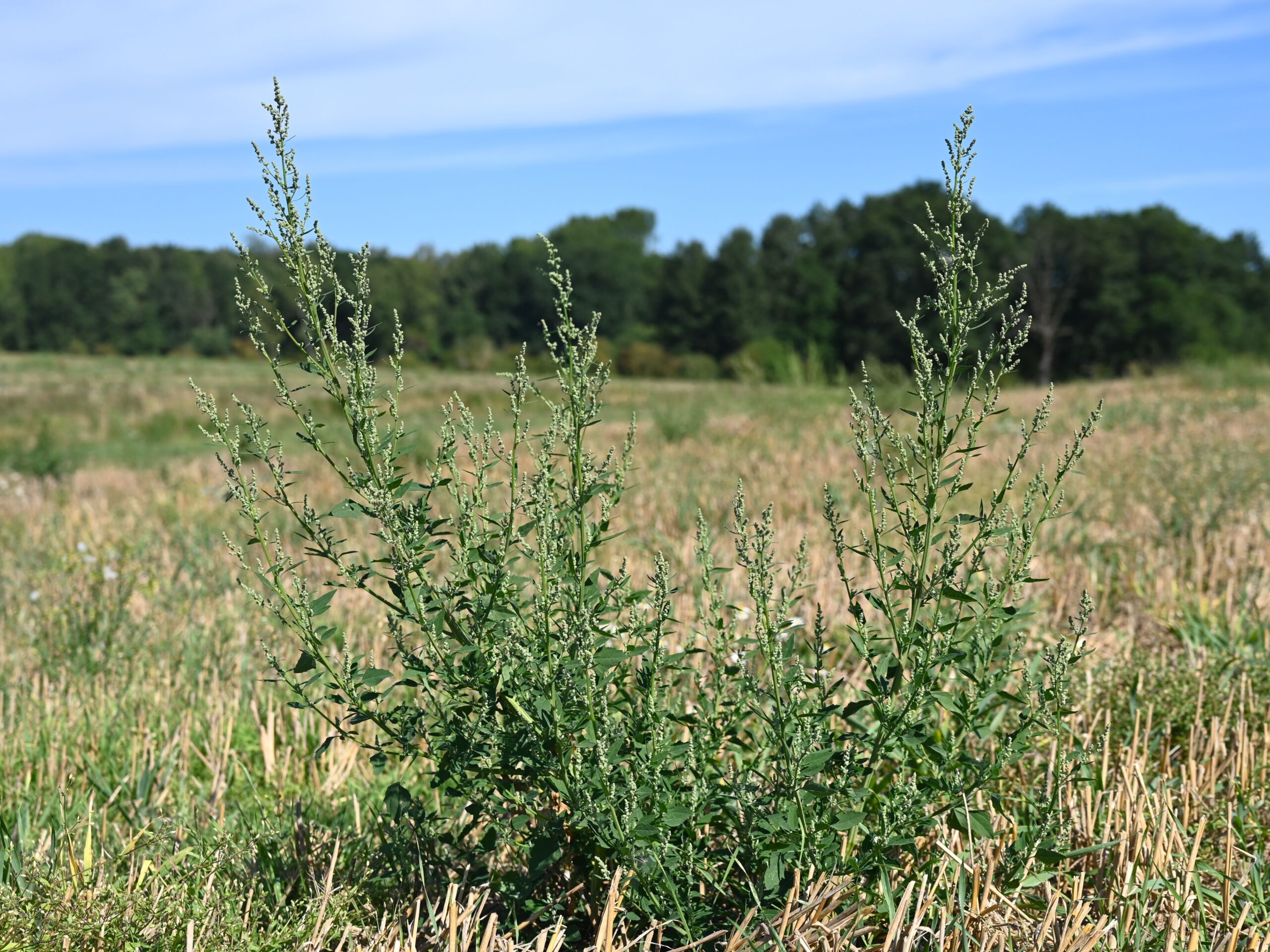
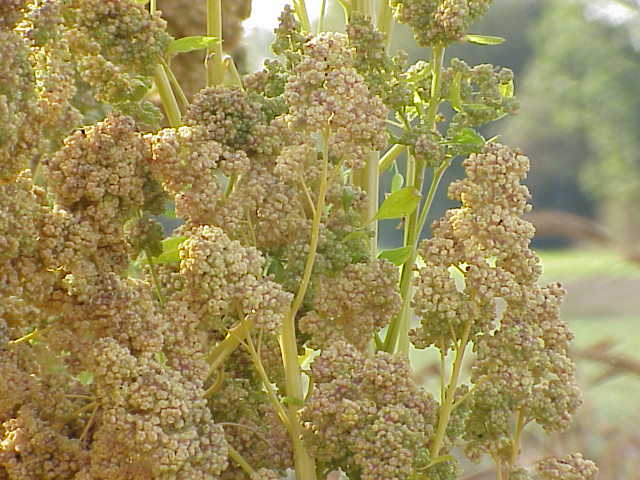
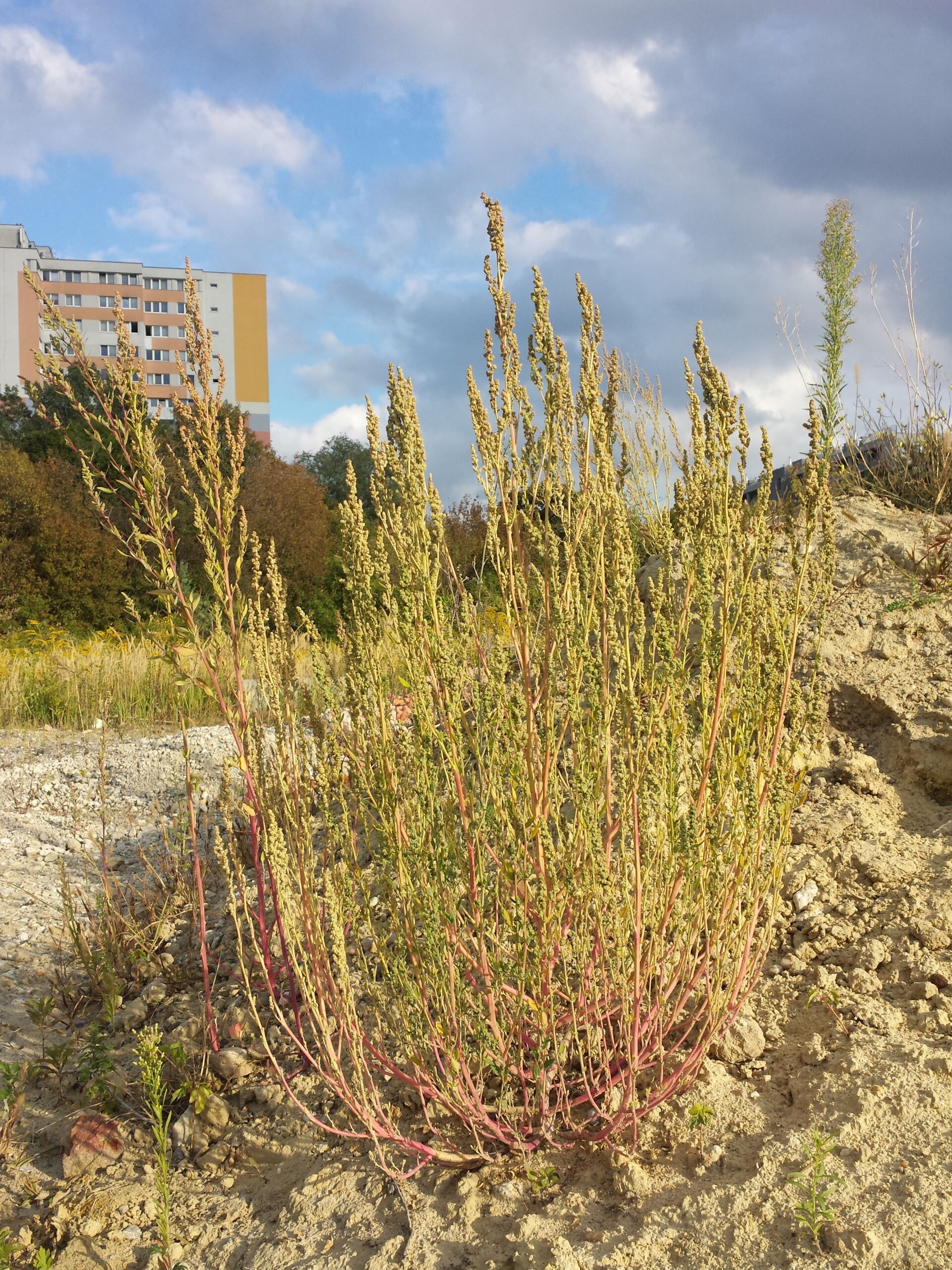
Chenopodium is a genus of herbaceous flowering plants in the amaranth family, Amaranthaceae, known in everyday language as the goosefoots, and it is one of the most useful and most confusing genera a gardener can meet. The name goosefoot comes from the shape of the leaves, which in many species are triangular or diamond-shaped with toothed edges, said to resemble a goose’s foot, and the family placement is a recent story: the genus was formerly placed in its own family, Chenopodiaceae, the goosefoot family, and modern classifications fold it into Amaranthaceae, alongside spinach, beets, chard, and amaranth, which explains why so many goosefoots taste like spinach’s wild cousins. If you learned Chenopodiaceae in school, you were not wrong; the family just moved house.
The genus is large, and counts disagree in a way worth stating plainly. One southwestern flora account cites about 150 accepted species worldwide, with 43 species in North America, while other references give roughly 130 to 170 species, and the difference is taxonomy, not arithmetic: Chenopodium is a genus where species boundaries are notoriously hard to draw, where hybridization is common, and where molecular studies keep moving species in and out, including some familiar ones. The honest statement is that the genus holds well over a hundred species, found in temperate regions around the world, mostly annual or perennial herbs, and that any exact number you see is a snapshot of one authority’s opinion on one date.
The field marks are consistent even when the species are not. Most goosefoots are upright, branching herbs, from a few inches to several feet tall, with alternate leaves that are often coated in a mealy, floury white powder, especially on the undersides and on young growth. That coating is made of tiny bladder hairs, called farina, and it gives the plants a grayish, dusty look that is the fastest way to recognize the genus in the field. The flowers are tiny, greenish, and inconspicuous, clustered in dense spikes and panicles, and they are wind-pollinated, which is why a goosefoot in flower looks like nothing much and then produces tens of thousands of seeds per plant. A plant that flowers modestly and seeds extravagantly is a plant built to be a weed, a crop, or both, and Chenopodium is all three at once.
One plain-text clarification, because the site’s existing guides invite confusion: this genus guide does not replace the site’s species guides. The site already has a Lambsquarters guide, but that guide covers Chenopodium album, a single species, not the genus, and it has a Good King Henry guide covering the perennial vegetable formerly called Chenopodium bonus-henricus, now often placed in Blitum as Blitum bonus-henricus. A species guide does not cover its genus, and this genus guide does not replace any species guide; it is the map of the whole family, and the species guides are the individual portraits. The same caution applies to epazote, formerly Chenopodium ambrosioides, now usually placed in Dysphania: it is a goosefoot relative by history, not a Chenopodium by current classification, and it is not claimed as one here.
How to grow
Grow Chenopodium the way a vegetable garden grows it: in full sun, in fertile, well-drained soil, with regular water, and with the understanding that many species will grow whether you invite them or not. Most goosefoots are annuals that germinate in spring, grow fast through summer, and set seed by fall, and they are among the first annual weeds to emerge in spring, which is why a gardener who has never planted a goosefoot has almost certainly weeded one. For intentional growing, sow seed directly in spring after the last frost, barely covered, in rows or blocks, and thin seedlings to 12 to 24 inches apart for the larger species, closer for small leafy types. Quinoa is the exception that needs planning: it is a cool-season grain that dislikes heat at flowering, and it is grown as a summer crop only in cool climates or at altitude, which is why Andean farmers grew it in the high mountains and why a Florida gardener should grow lambsquarters for greens instead of quinoa for grain.
Water and fertility decide whether a goosefoot is a lush vegetable or a scraggly weed. In rich, moist soil with regular water, lambsquarters grows 3 to 5 feet tall with broad, tender leaves, and quinoa grows taller still; in poor, dry soil, the same species stays small, tough, and early to seed. That plasticity is the genus’s survival strategy, and it is also the gardener’s lever: feed and water a goosefoot patch like a spinach bed, and it will behave like a spinach bed, producing tender greens for months. Do not, however, fertilize a patch you intend to let go to seed for grain, since excess nitrogen late in the season produces leafy growth at the expense of seed fill.
Hardiness is a genus non-issue, because most goosefoots are annuals grown from seed each year, and the hero stats say so plainly rather than inventing a zone range. Individual species span an enormous range, with lambsquarters reported hardy from zone 2 or 3 to zone 10 or 11 as a self-seeding annual, and quinoa grown as a warm-season annual in cool climates and a cool-season annual in warm ones. The perennial exceptions, notably Good King Henry, are hardy to about zone 4, and they are the species to plant if you want a goosefoot that comes back on its own. In Florida, lambsquarters and other annual goosefoots grow readily as cool-season greens, and they are a better fit for a Florida vegetable garden than quinoa, which struggles with Florida heat and humidity at flowering.
Harvest greens by picking young leaves and shoot tips, which keeps the plant branching and producing, and let a few plants go to seed if you want a self-seeding patch next year, because a goosefoot patch that goes to seed will never need replanting, which is a promise and a warning in the same sentence. For grain species, cut the seed heads when the seeds are hard and the plants are drying, dry them fully under cover, and thresh by rubbing the heads over a screen. The seeds of most species carry a coating of bitter saponins, and the grain must be rinsed and soaked thoroughly before cooking, which is covered properly in the problems section, because a goosefoot grain that is not rinsed is a goosefoot grain that tastes like soap.
Water & feeding
Water a goosefoot patch like a vegetable bed, not like a wildflower meadow. Regular, even moisture produces tender leaves and full seed heads, while drought stress produces small, tough leaves and early seeding, which is the plant’s way of cutting its losses. Mulch to hold moisture, and water at the base rather than overhead where possible, since wet foliage in humid air invites the leaf-spot fungi that goosefoots share with their beet and spinach relatives. For grain quinoa, the critical watering window is flowering and seed fill: drought at that stage means empty seeds, and a cool, moist flowering period is worth more than any fertilizer.
Feed moderately. Goosefoots grow well in average to fertile soil, and a yearly dressing of compost or a balanced organic fertilizer in spring is plenty for a greens patch. Heavy nitrogen pushes soft, sappy growth that aphids love and that lodges in wind, and it increases the oxalate content of the leaves, which is a reason to cook goosefoot greens rather than eat them raw by the handful. The best feeding advice for this genus is the simplest: compost in spring, mulch in summer, and let the plants tell you if they need more, because a goosefoot that is pale and stunted is usually thirsty, not hungry.
Common problems
- Self-seeding beyond control. The number one Chenopodium problem, and it is a feature that becomes a bug. A single lambsquarters plant can produce tens of thousands of seeds, and seeds can remain viable in soil for decades, with one Alaska account citing viability up to 40 years. If you do not want a goosefoot patch forever, deadhead before seed ripens, and do not compost seed heads.
- Saponins and oxalates in food use. The headline food-safety note. Goosefoot seeds carry saponins, bitter, soapy compounds that must be rinsed and soaked away before cooking, and the leaves contain oxalates, which are reduced by cooking. Eat goosefoot greens cooked, like spinach, not raw in large quantities, and rinse grain thoroughly, changing the water until it runs clear. People with kidney-stone histories should treat goosefoot greens the way they treat spinach: an occasional cooked vegetable, not a daily raw salad.
- Confusion with look-alikes. Young goosefoots resemble young pigweeds (Amaranthus species), but pigweed seedlings lack the mealy, grainy coating on young leaves that goosefoots have, and mature goosefoot leaves are generally toothed while pigweed leaves are untoothed. Strong-scented Dysphania species, formerly in Chenopodium, can also confuse foragers, and the rule is simple: if it smells strongly medicinal or turpentine-like, it is not a dinner goosefoot.
- Aphids, leaf miners, and leaf spot. Goosefoots host aphids, beet leaf miners, and fungal leaf spots, all shared with beets and spinach. The practical response is to pick young, clean leaves, remove badly affected foliage, rotate the patch away from beets and spinach, and accept some damage on a plant that produces far more leaves than any household can eat.
- Weed status and regulation. Lambsquarters is listed as a weed in most agricultural settings and is considered invasive in parts of its introduced range, and it is one of the most competitive annual broadleaf weeds in field crops. Growing it as a vegetable does not change its weed behavior, and a gardener who grows it should manage it like a crop, with boundaries, deadheading, and a plan for volunteers.
- Poisoning reports in livestock. Lambsquarters has been reported as poisonous to sheep and pigs in some accounts, likely related to nitrate or oxalate accumulation under stress, and it should not be fed to livestock in large quantities, especially wilted or stressed plants. Gardeners without livestock can ignore this, but farmers growing goosefoots near pastures should not.
Harvest
The harvest is the reason this genus has fed people for thousands of years, and it comes in two forms: leaves and seeds. Lambsquarters leaves are cooked like spinach, mild and tender when young, and they are cultivated as a food crop in parts of India and Nepal, where they are a staple green. Quinoa seeds are the most economically significant goosefoot crop in the world, grown commercially for their nutritious, complete-protein seeds, and pitseed goosefoot was a key seed crop for numerous Indigenous peoples of North America and a major component of the ancient Eastern Agricultural Complex, with seeds nutritionally comparable to quinoa. Good King Henry leaves are cooked like spinach and its young shoots like asparagus, and strawberry blite, Chenopodium capitatum, produces small red, berry-like fruit clusters that are edible as well as ornamental. A genus that gives you spinach, asparagus, grain, and berries from different species is a genus worth knowing by name.
Butterfly guides list Chenopodium as a host plant in two butterfly guides, and that is the per-guide record, stated accurately. Hayhurst’s scallopwing lists it as a host plant under the common name Goosefoot with the Latin name Chenopodium, and the Mexican sootywing lists it as a host plant under the common name lambsquarters with the Latin name Chenopodium at genus level. That second entry is worth a plain note: the butterfly guide’s common name is a species name, lambsquarters, but its Latin name is the genus, Chenopodium, so this genus guide, not a species guide, is the honest destination for that mention, and the site’s Lambsquarters species guide remains the destination for species-level lambsquarters mentions elsewhere. Goosefoot foliage feeds caterpillars, beetles, and mammals as well as butterflies, and a patch left for wildlife will be eaten by someone, which is the point of planting it.
Propagation is almost embarrassingly easy. Sow seed in spring, thin, water, and harvest, and then manage the volunteers. Seed saved from a garden patch should be dried fully and stored cool and dry, and it will remain viable for years, which is why a single seed packet can become a lifetime supply. If you want a goosefoot that does not self-seed everywhere, grow the perennial Good King Henry, which spreads by crown division rather than by seed rain, and divide it in spring or fall every few years to keep it vigorous.
Saving seeds
First, the warning that doubles as the selling point: this is a genus-level method, because this guide covers the whole Chenopodium clan rather than one species, and goosefoots are champion self-seeders. A single lambsquarters plant can shed tens of thousands of seeds, and those seeds can linger in soil for decades waiting for their moment, so a patch you let go to seed is a patch you have adopted for life. That is wonderful if you want a permanent greens bed and a minor gardening incident if you wanted a tidy row. Decide which garden you are running before you let the seed heads stand, and pull or deadhead any plant you do not want breeding in your beds.
To save seed on purpose, choose your best plants, not your weediest ones, and let them finish properly. For leaf types, that means sacrificing a few plants to flowering while you keep harvesting the rest, because a plant pouring energy into seed is done making tender leaves. For grain types like quinoa, wait until the seed heads are dry and the seeds are hard and no longer milky when bitten, then cut whole heads before they shatter in wind or rain. Slip each head into a paper bag, dry it further under cover out of direct sun, and thresh by rubbing the heads over a screen or between your hands. Winnow out the light chaff, and pick out any green or soft seeds, which were not ready and will only invite mold.
One kitchen rule belongs in a seed-saving section because it causes the most confusion: seed for eating and seed for planting are handled differently. Grain goosefoots wear a bitter saponin coating that must be rinsed and soaked away before cooking, or dinner tastes like a soap dish, but planting seed should simply be clean and dry, not washed to within an inch of its life. Dry saved seed thoroughly before it ever meets a jar. In Florida humidity, that means drying indoors in moving air, then storing in a small airtight jar with a desiccant packet, in a cool, dark place, labelled with species, variety if you know it, and year. A damp jar in a Florida garage is not storage, it is a mold experiment.
Will the seedlings grow true? Mostly, with a goosefoot asterisk. Quinoa is largely self-pollinating, but cross-pollination does happen, at rates reported up to roughly one in ten flowers, and wind carries that pollen between plants. If lambsquarters or another goosefoot is flowering nearby, some of your saved seed may be a hybrid, and the next generation may lean weedier, grainier, or stranger than the parent. There is no tidy isolation distance that guarantees purity for wind-pollinated goosefoots in an ordinary garden, so be honest about your goal. If you want a pure variety, grow one goosefoot kind for seed and rogue out volunteers that do not match it. If you are growing a mixed patch for greens, accept the mingling and select the plants you like best each year, which is how landraces were made in the first place. Stored dry and cool, goosefoot seed stays usable for several years, which means one good harvest can stock a lifetime of spring sowings, and one careless harvest can stock a lifetime of volunteers. Sow saved seed in spring, thin ruthlessly, and remember that the perennial Good King Henry offers an escape hatch from all this: divide its crown in spring or fall every few years instead of relying on seed at all.
Notable species
The Chenopodium genus is best learned species by species, and the notable species below are listed in plain text, without links, because this guide’s only link is the browse link at the bottom.
- Chenopodium album (lambsquarters, white goosefoot, fat hen): The common weedy goosefoot, an annual 3 to 5 feet tall, found in all 50 states, with mealy young leaves and diamond-shaped mature leaves. The site’s Lambsquarters guide covers this species, not the genus.
- Chenopodium quinoa (quinoa): The Andean grain goosefoot, an annual up to about 5 feet tall, grown commercially for its seeds, which must be rinsed and soaked to remove saponins before cooking. Young leaves are also cooked like spinach.
- Chenopodium berlandieri (pitseed goosefoot, huauzontle): A North American native annual, historically a key seed crop for Indigenous peoples, grown for its seeds, its mild spinach-like leaves, and its broccoli-like flowering shoots, sold under the names huauzontle, chia, and quelite in some seed lists.
- Chenopodium bonus-henricus (Good King Henry, now often Blitum bonus-henricus): A deep-rooted perennial vegetable from Europe, with spinach-like leaves and asparagus-like young shoots. The site’s Good King Henry guide covers this plant under its traditional name.
- Chenopodium giganteum (tree spinach, purple goosefoot, magenta spreen): A tall annual, nearly 10 feet in some gardens, with young leaves tinted pink and magenta, grown for both its edible leaves and its ornamental color.
- Chenopodium murale (nettle-leaf goosefoot): A widespread annual with nettle-like, toothed leaves, common in disturbed ground and gardens, and a good forager’s green when young.
- Chenopodium capitatum (strawberry blite): An annual with small red, berry-like fruit clusters, grown as much for ornament as for food, and a reminder that not every goosefoot looks like a weed.
- Chenopodium fremontii (Fremont’s goosefoot): A western North American annual with bright green, untoothed leaves, similar to lambsquarters but greener and less mealy, common in the Rocky Mountains and the West.
Species formerly placed in Chenopodium but now usually placed elsewhere, including epazote (now Dysphania ambrosioides) and Jerusalem oak goosefoot (now Dysphania botrys), are not listed above as Chenopodium species, because current classification puts them in a different genus, and this guide follows that classification rather than the older one.