
🌺 Abutilon
What it looks like
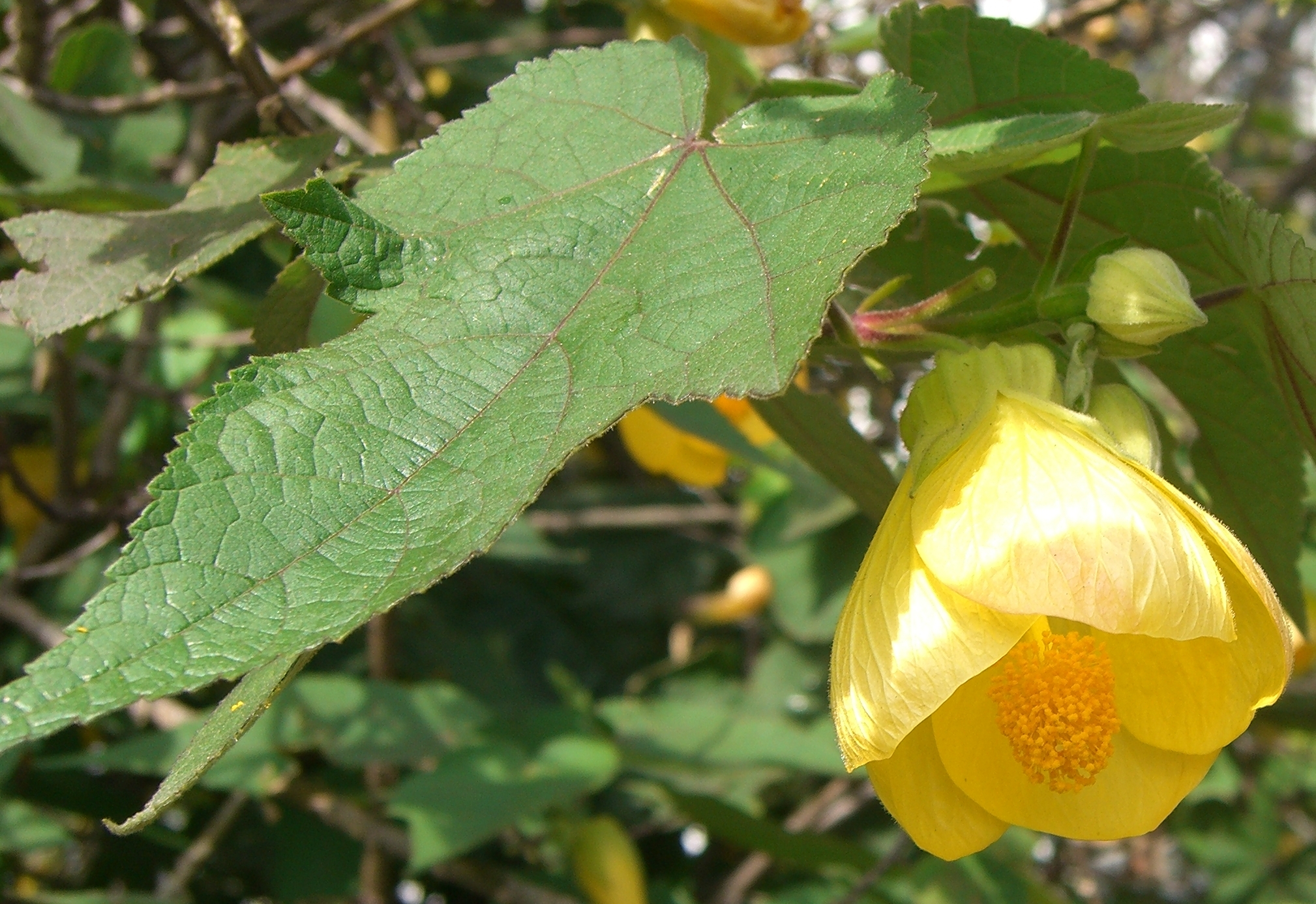
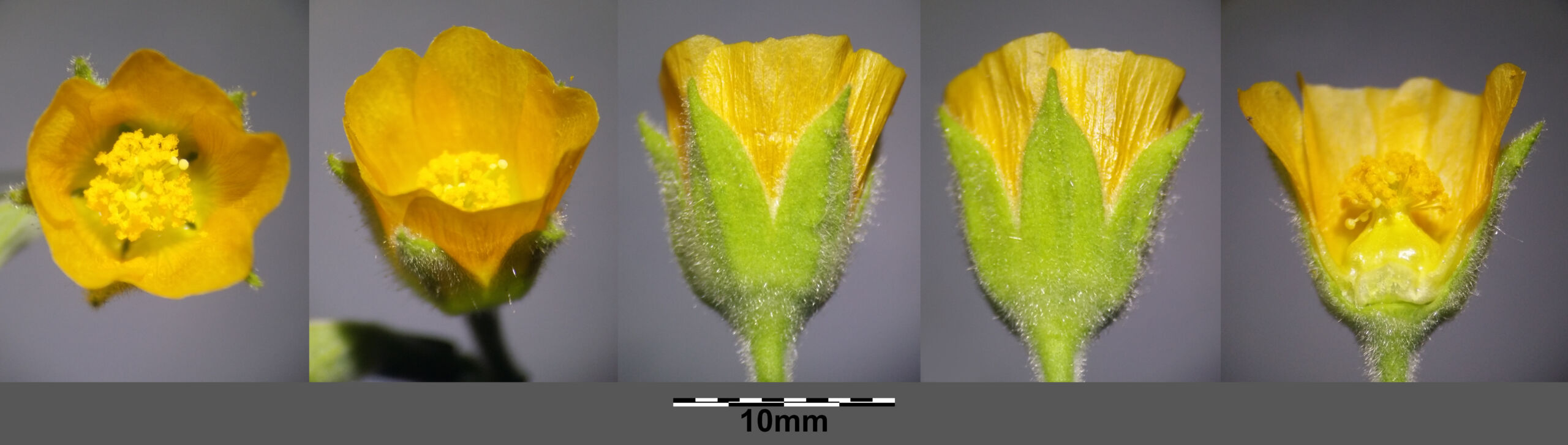
First, the name is a prank, and it is worth getting it out of the way: a flowering maple is not a maple. It is not even a maple cousin. Abutilon is a genus in the mallow family (Malvaceae), the same family as hibiscus, okra, cotton, and hollyhock, and the “maple” in the common name comes only from the leaves, which are lobed and vaguely maple-shaped. The flowers give the whole game away. Where a maple offers small, wind-pollinated clusters you would walk past without noticing, an abutilon hangs out pendulous, bell-shaped lanterns in yellow, orange, red, and pink, often veined in a contrasting color like someone drew on them with a fine pen. The genus name itself comes from an Arabic word for a mallow-like plant, which is honest in a way “flowering maple” is not: this is a mallow wearing a maple-leaf costume, and it is pulling it off beautifully.
Abutilon is a large, mostly tropical and subtropical genus of shrubs, small trees, and herbs, with species scattered across the Americas, Africa, Asia, and Australia. Garden abutilons are usually soft-wooded, fast-growing shrubs with alternate, palmately lobed leaves that feel soft or slightly velvety, and five-petalled flowers that dangle below the branches like little paper lanterns. The flower structure is pure mallow: five overlapping petals, a central column of fused stamens, and a calyx that in some species is as showy as the petals themselves — the trailing abutilon (A. megapotamicum) pairs a red calyx with yellow petals so the whole flower reads as a red-and-gold lantern. Flowering is famously long: in warm climates many abutilons bloom nearly year-round, and even in temperate gardens they flower from spring until frost stops them. That is the whole sales pitch in one sentence — a shrub that flowers like an annual and behaves like a shrub.
The genus also contains one of the great Jekyll-and-Hyde stories in gardening. On one side are the ornamental flowering maples, bred and selected for flower color and a tidy habit, grown in containers, against sheltered walls, and in frost-free borders around the world. On the other side is velvetleaf (A. theophrasti), a coarse annual weed of fields and roadsides, once grown in China as a fiber crop, now a notorious agricultural weed in North America whose seeds can survive in soil for decades. Same genus, same mallow family manners, opposite reputations. Knowing both sides matters, because the vigor that makes a garden abutilon flower for months is the same vigor that lets its weedy cousin take over a field edge. Grow the ornamentals on purpose, and do not let the weedy ones set seed near your beds.
For butterflies, the genus earns its place in this guide series through the Mimic butterfly, whose caterpillars feed on Abutilon among a spread of low tropical plants. The Mimic is a rare stray in the United States, not a garden regular, so planting abutilon is not a recipe for attracting it — but the host record is real, and it is a good reminder that the mallow family is butterfly food across the tropics. Abutilon flowers themselves are also visited by hummingbirds and bees, and in warm gardens a flowering maple in bloom is a small, dangling nectar bar that keeps working long after flashier annuals have given up.
How to grow
Grow abutilon as a tender perennial shrub where winters are mild, and as a container plant or warm-season annual where they are not. The basic recipe is simple: sun, warmth, and soil that stays moist but never soggy. Give it full sun for the best flowering, but in hot climates give it part shade in the afternoon — the leaves scorch in blazing, reflected heat, and a sheltered south- or west-facing wall is the classic spot, because the wall stores warmth and blocks wind. Plant after the last frost, in fertile soil improved with compost, and water in well. In containers, use a good potting mix and a pot big enough that it does not dry out by noon; abutilons are thirsty plants in pots and will sulk, drop buds, and look generally offended if they dry out repeatedly.
Pruning is where you earn your keep, and it is forgiving work. Pinch the shoot tips of young plants to make them bushy rather than leggy, and cut older plants back hard in late winter or early spring, just as growth restarts — garden abutilons flower on new growth, so a hard spring cutback is rewarded with a flush of fresh, flowering stems rather than punished. Deadhead spent flowers if you like tidiness, though many gardeners let the seed capsules form for their own papery charm. Trailing types can be trained up a trellis, along a wall, or left to spill from a hanging basket, where the lantern flowers dangle at eye level and look their best. Upright types make good specimen shrubs in a sheltered border, or a hedge in frost-free climates, where they can be clipped lightly after each flush of bloom.
Propagation is easy, which is part of the fun. Softwood cuttings taken in summer root readily in moist mix, and seed sown in spring under cover germinates in warm conditions — though seed-grown plants may not match a named cultivar, so take cuttings if you want an exact copy of a plant you love. Overwinter container plants indoors in a bright, cool spot, watering sparingly, and move them out again after frost. Abutilons kept as houseplants or in a greenhouse can flower through winter, which is a genuine morale boost in February: a lantern flower glowing on a windowsill while the garden outside is asleep is one of gardening’s small, justifiable luxuries.
Florida note: Florida is good abutilon country, with a caveat. The heat and long season suit the ornamental species, which flower for months and thrive in sheltered, part-shade spots with regular water — north and central Florida gardeners can grow them outdoors with frost protection on cold nights, and south Florida gardeners can grow them as year-round shrubs. The caveat is the weedy side of the family: velvetleaf is an agricultural weed, and any abutilon allowed to seed freely can become a nuisance. Deadhead the ornamentals you do not want reseeding, and never plant velvetleaf itself. In Florida’s humidity, give plants air circulation and avoid overhead watering late in the day, which invites the leaf-spot fungi that love warm, wet foliage.
Water & feeding
Water needs are regular and even. Abutilons like soil that stays moist — not wet, not dry, but steadily damp, like a wrung-out sponge. Water when the top inch of soil dries, more often in containers and in hot weather, and mulch around garden plants to hold moisture and keep roots cool. Drought stress shows up fast: buds drop, leaves yellow at the edges, and flowering stalls. A plant that has dried out will usually recover with watering, but repeated drought cycles make it leggy and sparse, so consistency matters more than volume. Good drainage is non-negotiable alongside all that water — soggy, waterlogged soil rots the roots, and a drowned abutilon does not come back.
Feeding: feed lightly and often through the growing season. A balanced liquid fertilizer every two to four weeks, or a slow-release granular feed in spring, keeps the long flowering season going; plants that are flowering for months are working hard and need the fuel. Do not overfeed with high-nitrogen fertilizer, which produces soft, leafy growth at the expense of flowers and invites aphids. In containers, where nutrients wash out with every watering, regular dilute feeding matters even more. Stop feeding in fall as growth slows, and do not feed overwintering indoor plants until they start growing again in spring.
Common problems
- Frost damage. The big one. Most garden abutilons are frost-tender, and a hard freeze kills top growth or the whole plant. Grow in containers where winters freeze, or site against a warm wall and cover on frost nights.
- Whiteflies, aphids, and scale. The classic abutilon pest trio, especially indoors and in greenhouses. Check leaf undersides, wash off light infestations, and use insecticidal soap or horticultural oil for heavier ones. Sticky yellow traps help monitor whiteflies.
- Bud drop. Usually drought, a sudden cold snap, or a move from indoors to outdoors without hardening off. Keep watering even and harden container plants off gradually in spring.
- Leggy growth. Old plants get sparse and woody. Cut back hard in late winter or early spring; abutilons flower on new growth and respond with a bushy flush.
- Leaf spot and rust in humidity. Warm, wet foliage invites fungal spots. Improve air circulation, water at the base, and remove affected leaves.
- Self-seeding. Ornamental abutilons can seed around, and velvetleaf is a serious weed. Deadhead plants you do not want spreading, and never let velvetleaf set seed in your garden.
- Spider mites indoors. Dry indoor air in winter invites mites, which stipple the leaves. Raise humidity, mist occasionally, and wash leaves if mites appear.
Harvest
There is no food harvest to speak of for most garden abutilons — this is an ornamental genus, and the harvest is flowers, not fruit. Cut lantern flowers for arrangements, where they last well in water and look like small, glowing bells in a vase. The real harvest is cuttings: take softwood cuttings in summer from a plant you love, root them, and you have next year’s plants for free, plus gifts for gardening friends. If you grow a species for seed, let a few capsules ripen and dry on the plant, then collect the seed before the capsules split and scatter it — abutilon seed is the genus’s way of planting itself, and it is enthusiastic about it. And the simplest harvest of all: leave a flowering plant standing through the warm season and let the hummingbirds and bees take their share. That is the crop, and it is the point.
Browse all plant & pest guides
Saving seeds
For the Abutilon genus — the flowering maples — seed saving comes with a fork in the road, and which fork you take depends entirely on what kind of abutilon you are growing. True species will give you seed worth saving. Named hybrids and cultivars mostly will not, and many hybrids rarely set seed at all. Know which plant you have before you reach for an envelope.
For species abutilons, the process is straightforward. After the bell-shaped flowers fade, the plant forms distinctive rounded pods called schizocarps, like little segmented lanterns. Let them dry on the plant until they turn brown and papery, then pick them, break them apart, and shake out the seeds. Sow in spring under cover in a light seed-starting mix, barely covering the seed — these are not seeds that appreciate being buried deep — and keep them warm, roughly in the mid-60s to low-70s Fahrenheit. Germination usually follows within days to a few weeks. Pot seedlings on once they are big enough to handle, and grow them on under cover for their first winter before planting out after the last frost. Species seedlings may take a full year before they bloom, so this is a project for the patient.
For hybrids and named cultivars — which is most of what sits in garden centers, including the familiar Abutilon × hybridum group — seed is the wrong tool. Seedlings from hybrids will not grow true to the parent, so that exact flower color or leaf shape you fell for will come back scrambled, if it comes back at all. Cuttings are the answer: take softwood tip cuttings at almost any time of year the plant is actively growing, dip in rooting hormone, and root them in moist mix with a little bottom heat if you can manage it. Tip cuttings taken in late summer are also the classic way to overwinter a favorite plant instead of nursing the whole shrub through winter.
One nerdy wrinkle worth knowing: the famous variegated abutilon leaves — the gold-splashed foliage that looks hand-painted — are often the signature of abutilon mosaic virus, a pattern the plant carries rather than a stable genetic trait. Seed will not reliably reproduce that variegation, and cuttings carry the pattern along with the plant, virus and all, which is part of why the variegated forms persist in cultivation. Florida growers should add the usual discipline: dry saved seed thoroughly before storage, since our humidity will mold half-dried seed in a sealed jar, then store it airtight with a desiccant, cool and dark. And the standard hybrid rule applies in reverse here too: if your plant is an F1 or a complex hybrid, enjoy its flowers, propagate it by cuttings, and leave seed saving to the species.
Species in this group
Redvein abutilon (Abutilon pictum, also sold as Callianthe picta) — the classic flowering maple: an evergreen shrub with yellow to orange-red bell flowers veined in dark red, grown for its long bloom and maple-like leaves; the species behind the redvein Chinese lantern of nursery catalogs.
Trailing abutilon (Abutilon megapotamicum, also sold as Callianthe megapotamica) — the arching, lax shrub with red calyces and yellow petals, the truest “Chinese lantern” of the genus; excellent trained on a wall or spilling from a basket.
Garden flowering maple hybrids (Abutilon × hybridum) — the nursery hybrids bred from several species for flower color and compact habit, sold under cultivar names in yellow, orange, pink, red, and white; the abutilons most gardeners actually grow.
Velvetleaf (Abutilon theophrasti) — the weedy annual of fields and roadsides, once a fiber crop in China, now an agricultural weed whose seeds persist in soil for decades; know it so you can keep it out of your beds, not so you can plant it.
Hulse’s abutilon (Abutilon hulseanum) — a Florida native species of the genus, covered on this site as a native plant profile rather than a garden guide; a reminder that the genus has wild American members as well as garden imports.