
🌿 Alternanthera
What it looks like
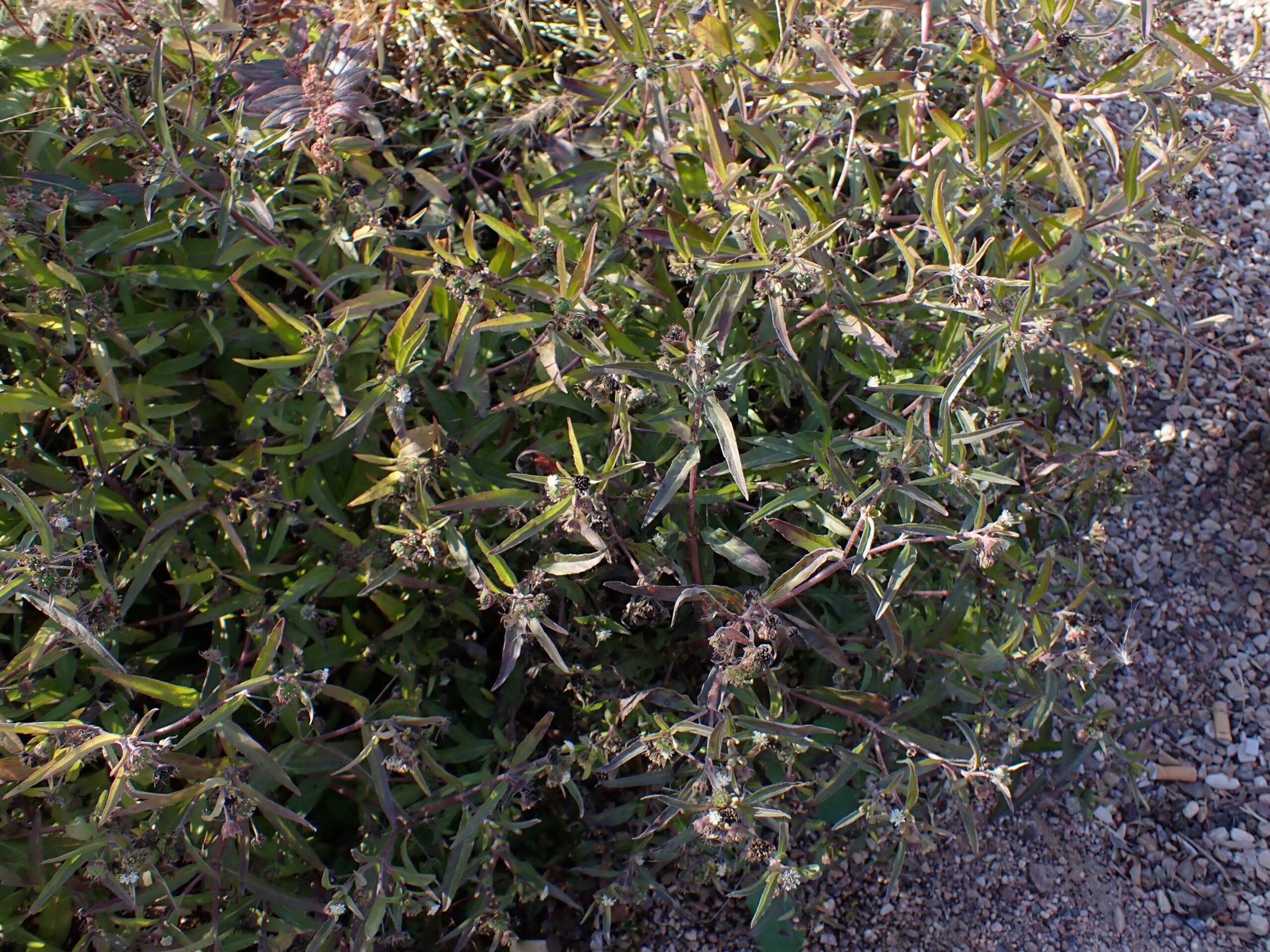
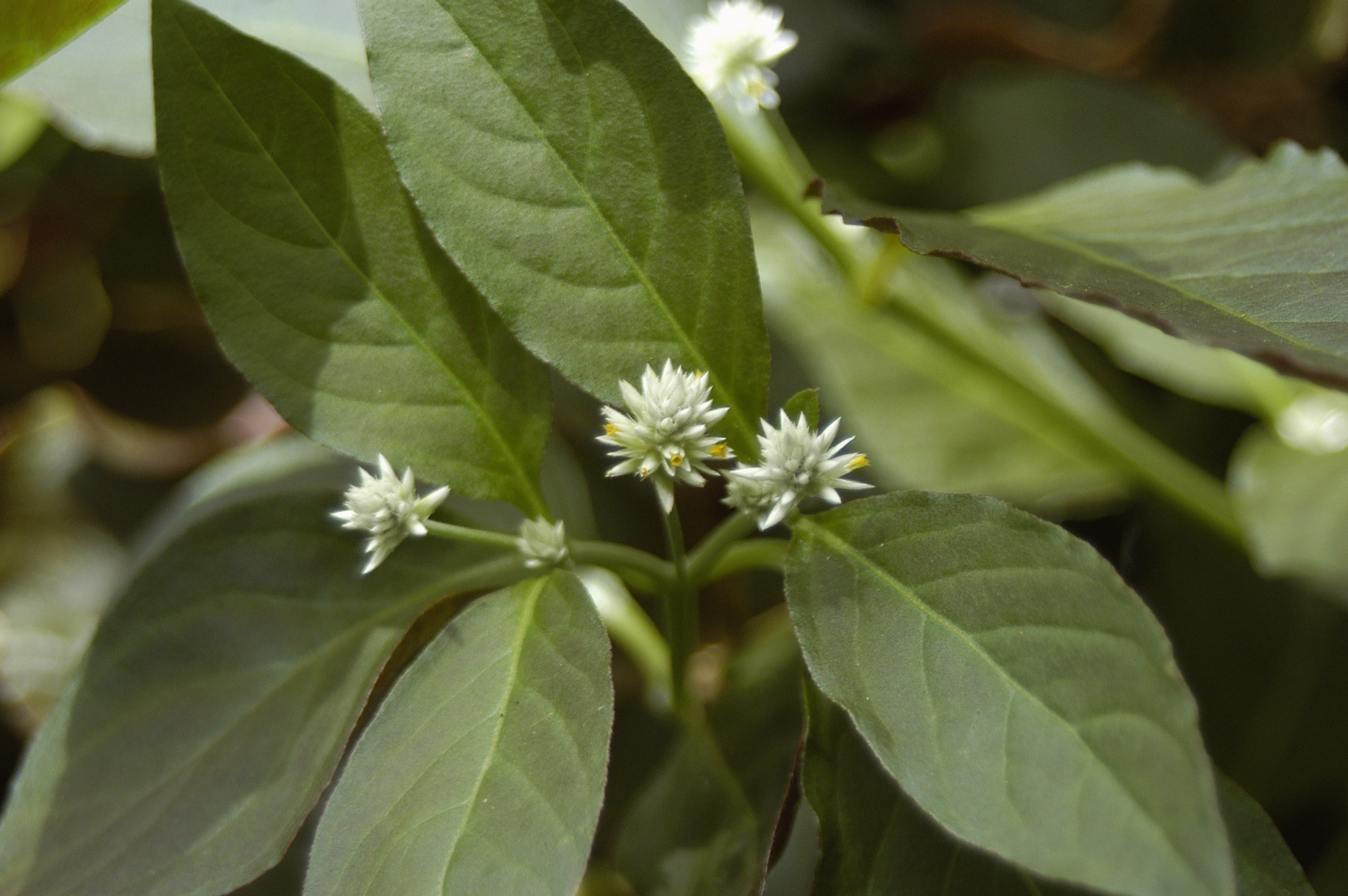
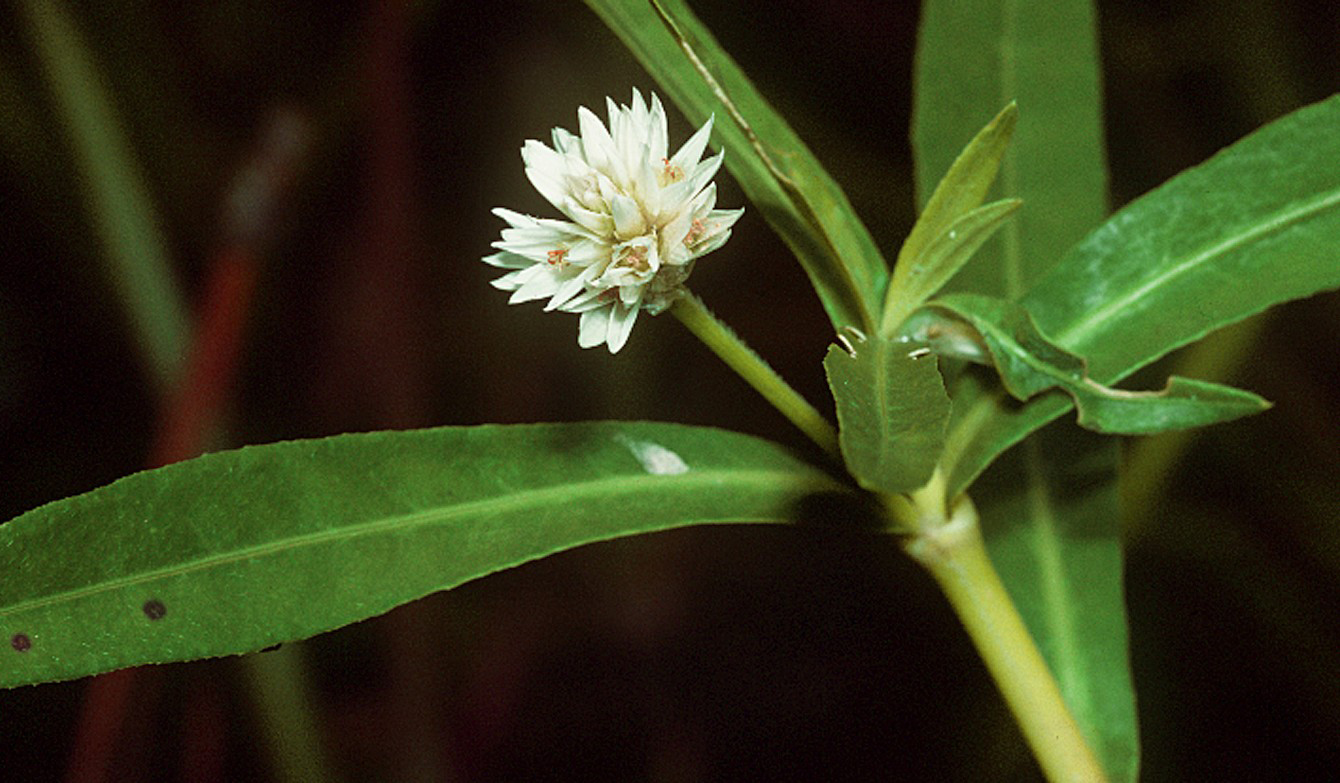
If you have ever admired a carpet of burgundy, chartreuse, or copper foliage in a public bedding display and wondered what it was, there is a good chance the answer was an Alternanthera. The genus Alternanthera, in the amaranth family (Amaranthaceae — the same family as beets, spinach, celosia, and gomphrena), is a widespread tropical and subtropical group centered in the Americas, with members in Asia, Africa, and Australia as well. Plants of the genus are generally known as joyweeds or Joseph’s coat, the second name nodding to the multicolored foliage of the ornamental kinds. Botanists do not agree on exactly how many species belong here: estimates run from about 80 to 200, and Plants of the World Online accepts around 106. That disagreement is your first clue that this is a genus to approach species by species, not as a single plant with a single personality.
The family resemblance is real, though. Alternanthera species are mostly herbs or subshrubs with opposite leaves — two leaves per node, facing each other across the stem — and small, papery flowers clustered in heads or spikes. The name itself is a piece of flower anatomy: it comes from Latin alternans, alternating, and anthera, anther, for the way fertile stamens alternate with sterile pseudostaminodes in the tiny flowers. The flowers are not the point; the foliage is. Ornamental joyweeds are grown for leaves in green, yellow, orange, red, burgundy, pink, and variegated combinations, and they were especially fashionable in Victorian formal bedding, when gardeners wanted plants that could be sheared flat and still look deliberate. Size varies enormously across the genus: compact bedding types may stay under a foot tall, upright Joseph’s coat types reach two or three feet, and the aquatic members sprawl into floating mats that can cover a waterway.
For butterflies, this guide exists because of one careful sentence in the Hayhurst’s Scallopwing guide: goosefoot is the main caterpillar food, and Alternanthera species are used occasionally. That is an honest, modest host record — an occasional host, not a headline one — and this guide keeps it in proportion. Planting joyweed does not summon scallopwings the way planting milkweed summons monarchs. But a genus that feeds a skipper caterpillar even occasionally, while also feeding people and choking rivers, deserves a guide that tells those three stories apart, because confusing them is how a garden mistake becomes a waterway problem.
How to grow
Start with the only rule that matters for this genus: know which Alternanthera you are holding. The ornamental bedding types — Joseph’s coat and its relatives — are easy, cheerful, tender plants. The weedy types are, in Florida, regulated problems. Everything else in this section is about the garden kinds, and the weedy kinds get their own warning below, in bold, because that distinction is the whole guide.
Garden joyweeds want warmth, sun, and moisture. Plant them after frost danger has passed, in full sun for the strongest leaf color (part shade is tolerated, but the reds and purples wash out), in soil that holds some moisture without staying soggy. They are tender perennials in zones 10 and 11 and are grown as warm-season annuals everywhere colder, which is how most of the country grows them: buy them as bedding plants in spring, enjoy the color all summer, and let frost finish the job. They root readily from cuttings, which is the practical way to carry a favorite cultivar through winter indoors — snip stems, root them in water or potting mix, and keep them as houseplants until spring. Pinch the growing tips to keep plants bushy, and shear them back if they get leggy; Victorian gardeners sheared them practically to the ground, and the plants forgave them. In containers they are excellent fillers and edging plants, and their color holds up in the heat that makes many bedding plants give up in July.
Florida note: Florida gardeners, this genus is a split decision for you, and the split runs right through the state. The ornamental Joseph’s coat types grow beautifully in Florida as warm-season bedding and container plants, and they are a legitimate way to get season-long foliage color without flowers. But two of the genus’s weedy members are already in Florida and regulated there, and the worst of them is a genuine ecological disaster. Read the warning in Common problems before you buy any plant labeled only “Alternanthera” — and if a plant is offered to you as an aquarium plant or a pond plant under this genus name, assume it is trouble until a species name proves otherwise.
Water & feeding
Water garden joyweeds steadily. They like consistently moist soil and will sulk, wilt, and lose lower leaves if they dry out repeatedly, though established plants bounce back quickly once watered. Mulch helps hold the moisture they want, and container plants in Florida summer may need watering daily in small pots. This is not a drought plant; the genus’s talent for wet places is real, and the garden kinds inherit a version of it. Do not, however, solve a dry bed by planting a joyweed in a pond — that is how the weedy species got loose, and the garden kinds do not need standing water either.
Feeding is light work. A balanced, slow-release fertilizer at planting, or a monthly liquid feed through the growing season, keeps the foliage dense and colorful. Overfeeding produces soft, leggy growth that flops and needs shearing, which defeats the point of a tidy bedding plant. The soil science is straightforward: these are fast-growing, leafy plants, and leaves are mostly nitrogen and water, so a steady, modest supply of both beats feast-and-famine feeding. If the color fades, the usual culprit is too much shade, not too little fertilizer — move the plant into more sun before you reach for the feed bag.
Common problems
- ALLIGATORWEED — do not plant it. Alternanthera philoxeroides, alligatorweed, is a South American aquatic perennial that is a Class I Prohibited Aquatic plant in Florida and a federal noxious weed. It forms dense floating and shoreline mats that choke waterways, ditches, and low cropland throughout the state, spreads vegetatively from stem fragments that root at the nodes, and is not known to set seed in North America — which means every fragment is a new plant. It is not a garden plant, not a pond plant, and not a curiosity to try. If you find it, report it rather than moving it; moving fragments spreads it.
- Sessile joyweed is also regulated. Alternanthera sessilis, sessile joyweed, is eaten as a leafy vegetable in parts of Asia and grown as a food plant there, but in Florida it is a regulated terrestrial weed found in ditches, pond banks, roadsides, and disturbed ground from the Panhandle to South Florida. Edible elsewhere is not the same as welcome here, and this guide does not recommend planting it in Florida.
- Frost. The garden kinds are tender. A single frost blackens them, which is expected and not a disease — they are annuals outside zones 10–11, and frost is simply their season ending.
- Legginess and fading color. Too much shade or too little pinching gives tall, pale plants. Shear back, move into sun, and the new growth comes in dense and bright.
- Drying out. Wilting and lower-leaf drop in containers usually means inconsistent watering. Mulch, larger pots, and a regular watering rhythm fix it faster than fertilizer does.
- Mistaken identity at the nursery. Plants sold as “Joseph’s coat,” “calico plant,” “copperleaf,” or just “Alternanthera” may be different species or cultivars with different habits. Buy named cultivars from a reputable seller, and never accept an unidentified Alternanthera for a pond, aquarium, or water garden.
Harvest
The harvest of garden joyweed is color, not food: a season of burgundy, gold, and copper foliage, cuttings for next year’s plants, and container displays that hold up through summer heat. The food harvest belongs to a different story — sessile joyweed is harvested as a leafy vegetable in Asian cooking, where it is a cultivated crop, not a weed — and this guide records that as a fact about the species in its home cuisine, not as a recommendation to grow it in Florida, where it is regulated. The honest harvest of this genus, taken as a whole, is a lesson: the same family tree that gives you a bedding plant gives a continent a weed, and the difference between those two outcomes is a species name on a label, read before planting.
Browse all plant & pest guides
Propagation
Forget seed for this genus. The honest way to multiply an alternanthera you actually like is a pair of snips and a glass of water — or, more precisely, a stem cutting.
Take 4- to 6-inch tips from healthy, non-flowering stems, each with at least two leaf nodes, and strip off the lower leaves so no foliage sits underwater or rots in the mix. Root them in a jar of water or straight into moist, well-draining potting mix, in bright indirect light, and you should see roots within a week or two. Pot them up once the roots are an inch or so long; cuttings left swimming for weeks grow weak roots that sulk in soil.
Why not seed? Because seed is a lottery this genus does not run fairly. Many named ornamental cultivars are hybrids or effectively sterile, producing little or no viable seed, and seed-grown plants that do appear often show up in surprise colors. Cuttings, by contrast, are clones: the burgundy stays burgundy, and the plant you loved is the plant you get. In cold climates, take cuttings in late summer and overwinter them indoors, then plant out again after frost.
One rule that matters more than any rooting tip: never propagate, share, or dump the aquatic members of this genus. Alligatorweed and its water-loving relatives are among the worst aquatic weeds on the planet, and a single stem fragment tossed into a ditch or pond can start an infestation. Keep garden joyweed in beds and pots, never let cuttings or rinse water reach a waterway, and bag unwanted material for the trash. Propagating a bedding plant is gardening. Propagating a water weed is an ecological incident with your name on it.
Species and relatives
This is a genus guide: it claims Alternanthera spp. only, and every species below is a different plant with its own habits, not an interchangeable “joyweed.” Garden and food species are not the weedy species, and the weedy species are not garden plants.
Alternanthera brasiliana — Brazilian joyweed, ruby leaf; a colorful foliage species, photographed for this guide, grown as an ornamental for its reddish-purple leaves.
Alternanthera dentata — sold as Joseph’s coat and as cultivars like ‘Little Ruby’ and ‘Purple Knight’; an upright, sprawling ornamental grown for burgundy foliage. Note that Alternanthera dentata is treated in some references as a variety of Alternanthera brasiliana, which is why nursery labels for these two get tangled — buy by cultivar name, not by species name alone.
Alternanthera ficoidea — parrot leaf, slender joyweed; a compact ornamental, popular for edging and formal bedding designs.
Alternanthera bettzickiana — calico plant; a Brazilian ornamental similar to Alternanthera ficoidea and sometimes confused with it in the trade.
Alternanthera sessilis — sessile joyweed, dwarf copperleaf; eaten as a leafy vegetable in parts of Asia, but a regulated weed in Florida — recorded here, not recommended here.
Alternanthera philoxeroides — alligatorweed; a South American aquatic perennial, a Class I Prohibited Aquatic plant in Florida and a federal noxious weed — do not plant, do not move, report it if found.
Other Alternanthera species — the genus holds on the order of 80 to 200 species depending on the authority, including Florida natives such as seaside joyweed (Alternanthera maritima) and yellow joyweed (Alternanthera flavescens), plus other exotics such as khakiweed (Alternanthera pungens). A species guide for any one of them would not cover this genus, and this genus guide does not substitute for one.