
🌿 Casimiroa
What it looks like
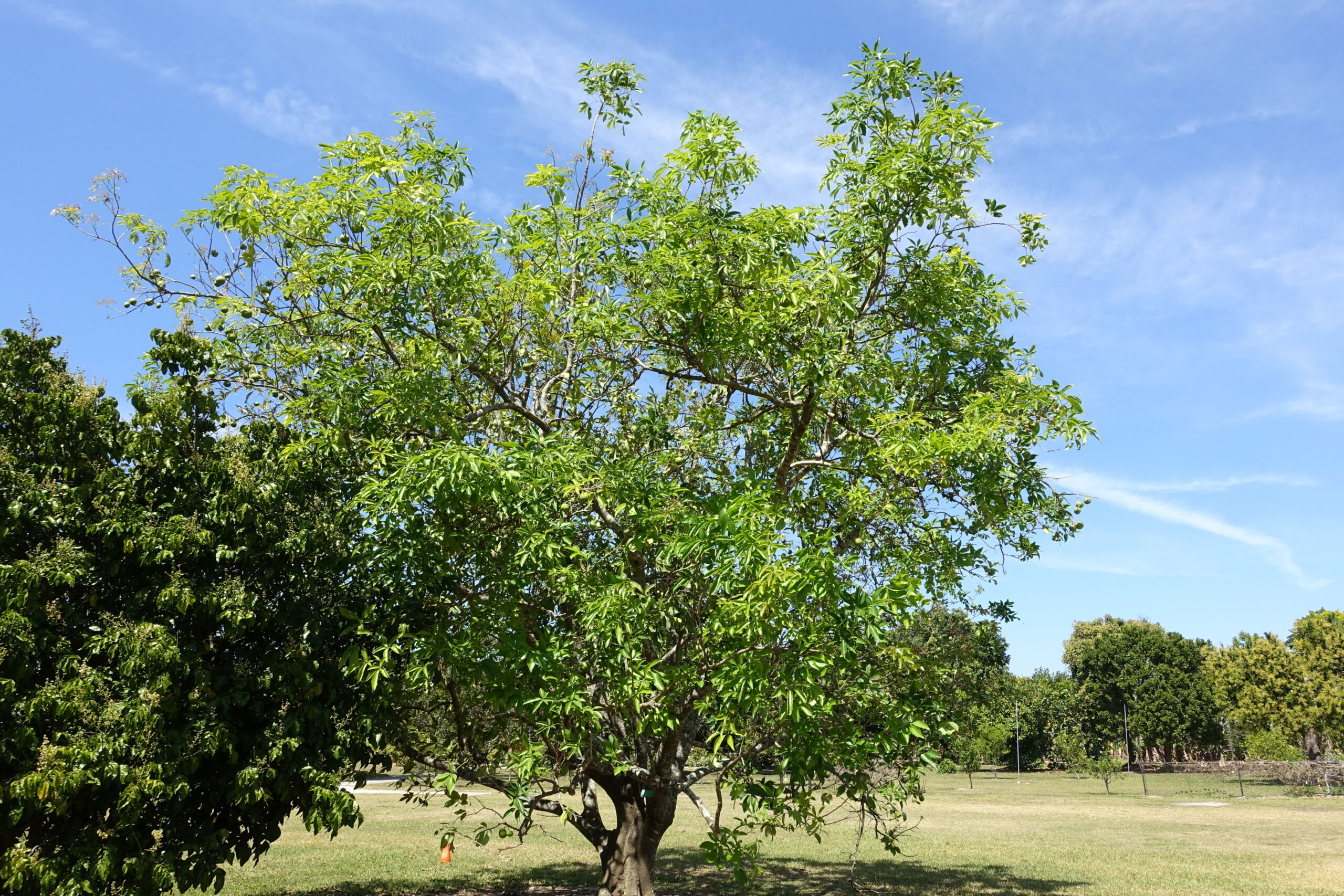
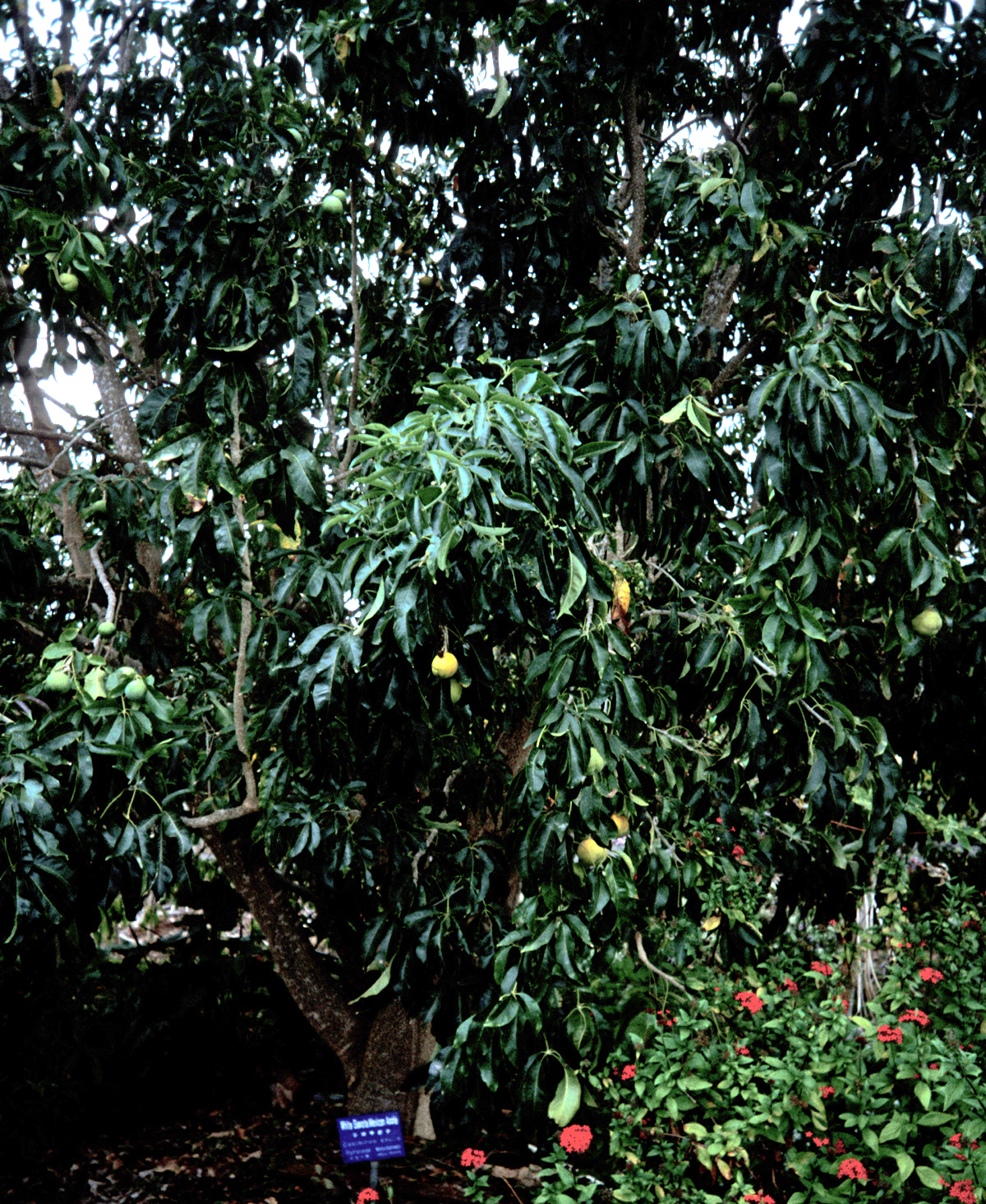
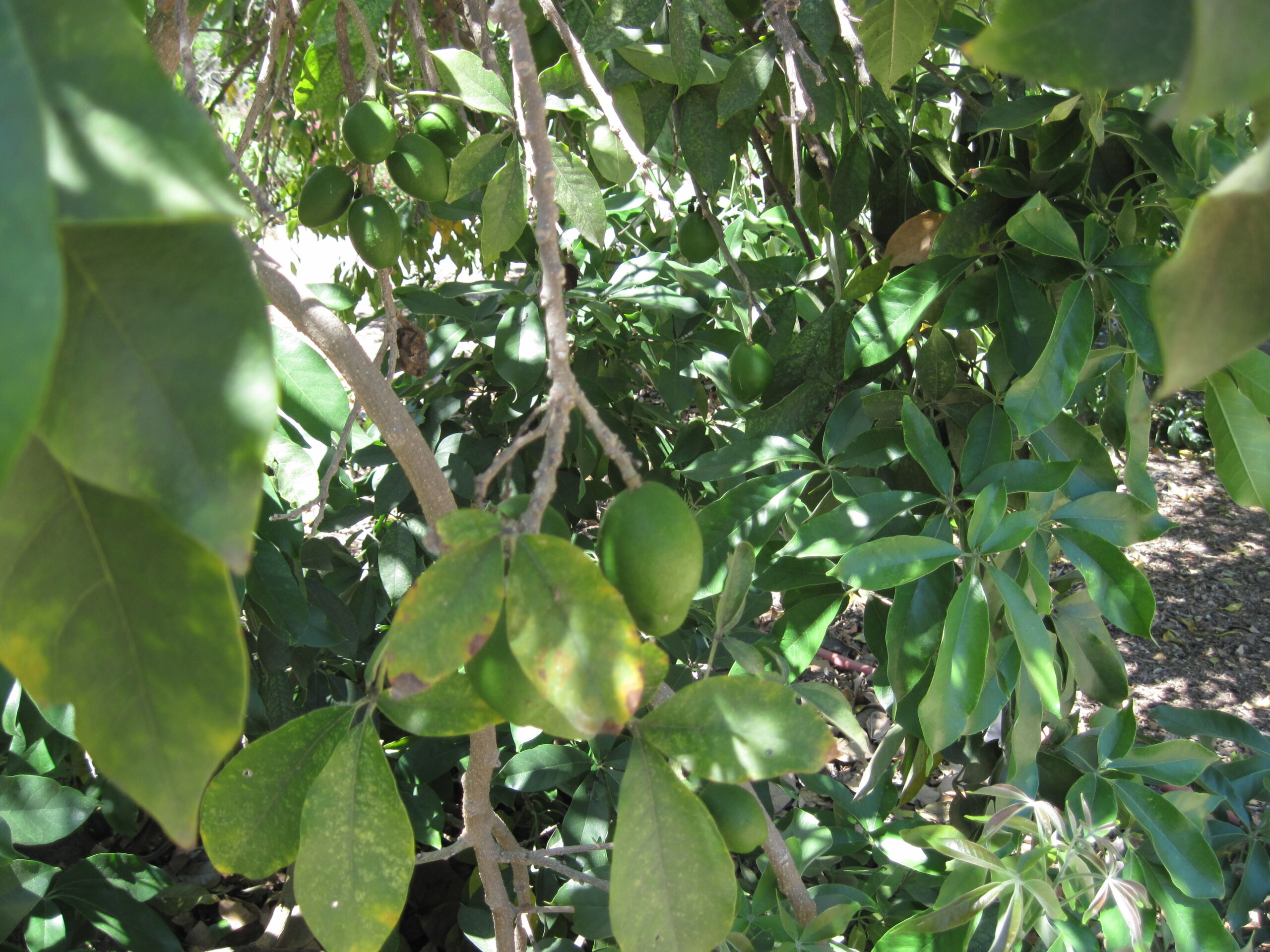
Casimiroa is a small genus of fruit trees that most gardeners meet through one species and then assume is the whole story, so this guide starts by widening the frame. Casimiroa is a genus of flowering plants in the citrus family, Rutaceae, with about 10 species native to Mexico and Central America, and its general common name is “sapote” — a word that immediately causes trouble, because most plants called sapote are not Casimiroa at all, a point this guide returns to below. The type species, the one that defines the genus, is Casimiroa edulis, the white sapote, also called casimiroa and Mexican apple, a tropical fruiting tree native to eastern Mexico and Central America south to Costa Rica. It is an evergreen tree, 5 to 16 metres tall in the wild accounts (to 18 metres in cultivation accounts, and 25 to 40 feet in the site’s own white sapote guide — a spread that tells you tree height depends on variety, rootstock, and pruning as much as on species), with alternate, palmately compound leaves of three to five leaflets, each 6 to 13 centimetres long, on petioles 10 to 15 centimetres long. The fruit is an ovoid drupe, 5 to 10 centimetres across, with a thin edible skin that turns from green to yellow when ripe and a pulp that ranges in flavour from bland to banana-like to peach to pear to vanilla flan, creamy-white in green-skin varieties and beige-yellow in yellow-skin ones, with a smooth texture like ripe avocado. That is the fruit that made the genus famous, and it is a fair reason for fame.
The rest of the genus is less famous but worth knowing, because a genus guide that only describes white sapote is a species guide wearing a false moustache. Casimiroa tetrameria, the woolly-leaf white sapote, also called yellow sapote and matasano, ranges from southern Mexico to Central America, and is distinguished by leaves with five leaflets, larger and thicker than those of white sapote and velvety-white underneath, with flower parts in fours rather than fives — a neat botanical fingerprint. Casimiroa sapota, the matasano, is another edible-fruited species grown in Mexico. Other members, like Casimiroa calderoniae of Puebla and Oaxaca, are wild highland trees with no garden career at all. The genus as a whole lives in the highlands of Mexico and Central America, up to 3,000 metres in elevation in some accounts, in subtropical woodlands and low forests, and it is cultivated far beyond that home — in the southern United States, the Caribbean, the Mediterranean, India, and the Philippines — wherever a warm climate and a patient gardener coincide. Some species are also used as shade trees in coffee plantations, as ornamentals, and occasionally as lumber, and the genus has a long history of traditional herbal use, which this guide reports without recommending: the leaves and seeds have been used traditionally as a sedative, and the fruit’s Nahuatl name, cochitzapotl, means “sleep-sapote.” The seed, in particular, is reported as fatally toxic if eaten raw by humans or animals, so the boundary is firm: eat the ripe fruit, leave the seeds and leaves alone, and do not brew anything from this genus on the strength of tradition.
The butterfly connection is the reason this guide exists, and it is written at genus level in the guide that prompted it. The Ruby-spotted Swallowtail guide lists, in its Host plants section, the citrus family Rutaceae, “including Citrus, Casimiroa, and Zanthoxylum species,” and then names the most common hosts recorded in Mexico: lemon (Citrus limon) and white sapote (Casimiroa edulis). That is two levels of mention in one guide — the genus name Casimiroa, standing for the genus as a host group, and the species white sapote, standing for itself — and this genus guide covers only the first. The species mention belongs to the white sapote species guide, which already exists on this site, and the coordinator should wire it there, not here. The genus guide’s job is the genus-level form: where a butterfly guide says “Casimiroa” without naming a species, that is this guide. Where it names white sapote, that is the species guide. Keeping those two wirings separate is the whole discipline of this project, and this guide states it plainly so nobody has to guess.
One plain-text disambiguation, because “sapote” is one of the great common-name traps in fruit gardening and this guide must not swallow its neighbours. This guide covers Casimiroa species only. White sapote (Casimiroa edulis) has its own species guide on this site and is not covered in particular by this genus guide, even though it is the type species and the most photographed member. Black sapote is not a Casimiroa at all — it is a persimmon relative, in the Ebenaceae — and mamey sapote is a Pouteria, in the Sapotaceae, the family that holds most of the other sapotes. Sapodilla, canistel, and the rest of the sapote crowd are likewise other genera, other families, other guides. The word “sapote” comes from the Nahuatl tzapotl, a general word for soft fruit, and it behaves like one: it names a texture and a tradition, not a genus. Buy and plant by Latin name, Casimiroa and then the species, and if a seller offers you a “sapote” without one, you do not yet know what tree you are buying.
How to grow
Growing Casimiroa starts with the only decision that matters: which species, and are you actually in its climate? The genus is tropical to subtropical, highland in origin, and its members are trees, not shrubs you can squeeze into a border. For white sapote, the best-documented member, the pattern is: plant a grafted tree in spring in well-drained soil, in full sun, with 20 to 25 feet of spacing, because the tree grows fast and large and needs room to be pruned to a pickable height rather than allowed to become a 40-foot problem. White sapotes are self-fertile, so one tree fruits, though cross-pollination can improve yields, and grafted trees fruit in 3 to 5 years, while seedlings take far longer and vary wildly in fruit quality — which is why grafted varieties with names, like Suebelle and Vernon, are the sensible purchase. Other Casimiroa species follow the same broad pattern — full sun, well-drained soil, room for a tree, patience — but their cold tolerance, fruit quality, and availability vary, and this guide does not pin a single zone range or spacing figure to the whole genus, because a genus that spans Mexican highlands to Central American lowlands does not honestly fit one number.
Propagation follows the fruit-tree pattern: grafting for named varieties, seed for rootstocks and for species without named varieties, with the caveat that seedling fruit is a lottery and seedling trees take years longer to fruit. Young trees need frost protection on cold nights at the edge of their range, while mature white sapotes handle light frosts that would damage mamey or sapodilla — that relative cold tolerance is one reason white sapote is the most widely grown Casimiroa in the southern United States. Prune to keep the tree pickable, thin crowded branches for airflow and light, and site it where a falling fruit the size of an orange will land on mulch, not on a roof or a parked car.
Florida note, stated by species rather than by genus, because the genus-level answer would be a lie. White sapote grows in Florida — the Fruit and Spice Park in Homestead grows it, south Florida gardeners grow it, and its zones 9 to 11 rating covers much of the state — but it is a tree that wants well-drained soil, full sun, and room, and young trees need frost protection in zone 9 cold snaps. Central and south Florida gardeners are in its world; north Florida gardeners are at its cold edge and should treat it as a marginal tree that needs a sheltered site and a frost plan. Other Casimiroa species are less tested in Florida and should not be assumed to share white sapote’s tolerance. Grow the species, in the place it suits, by its Latin name.
Water & feeding
Water, for a Casimiroa tree, is establishment water plus steady moisture, not swamp and not drought. Water deeply during establishment and dry spells; mature trees are moderately drought-tolerant but fruit better with steady moisture, and fruit drop in drought during development is the classic complaint. Mulch well to hold soil moisture and feed the soil community, and feed in spring with a balanced fruit-tree program rather than a heavy nitrogen push, which mostly produces leafy growth at the expense of fruit. The soil science here is the highland orchard story: well-drained, living soil, rich in organic matter from leaf litter and mulch, with fungi and microbes cycling nutrients steadily rather than in feast-and-famine bursts from synthetic fertilizer. A Casimiroa tree’s broad evergreen crown drops leaves year-round, and those leaves, returned as mulch, are part of the tree’s own fertility loop — a tropical fruit tree feeding the ground it stands in, the way highland forest trees have always done.
Common problems
- Wrong sapote. The most consequential problem in this guide. Black sapote, mamey sapote, sapodilla, and canistel are not Casimiroa. Buy by Latin name or you may grow a different family for a decade before the fruit gives you away.
- Seedling lottery. Seedling white sapotes vary wildly in fruit quality and take years longer to fruit. Buy a grafted named variety if fruit is the goal.
- Size. A fast-growing tree to 25–40 feet needs pruning to stay pickable and spacing of 20–25 feet. A Casimiroa planted six feet from a house is a future removal, not a garden feature.
- Frost on young trees. Mature white sapotes handle light frost; young ones need cover on cold nights at the edge of their range.
- Fruit drop in drought. Steady moisture during fruit development matters. A dry spell at the wrong moment drops the crop.
- Overripe fruit. White sapote ripens to soft, and overripe fruit ferments on the tree. Pick when the fruit gives slightly and the skin has yellowed, then ripen indoors until soft throughout — soft, not collapsed.
- Toxic seeds and leaves. The ripe fruit is the food. The seeds are reported as fatally toxic raw, and the leaves and seeds have traditional sedative uses that this guide does not recommend. Eat the fruit, leave the rest alone.
- Caterpillar hosts, not pests. Swallowtail caterpillars on Casimiroa foliage are the butterfly story this genus guide exists for. Do not spray the caterpillars — they are the reason the tree is in a butterfly garden at all.
Harvest
Casimiroa’s harvest is fruit, picked at the right moment and eaten with a spoon. For white sapote, pick when the fruit gives slightly and the skin has yellowed, then ripen indoors for a few days until soft throughout — the flavour ranges from mild vanilla to rich caramel by variety, so taste before committing to a variety if you can, and expect a long ripening season rather than a single harvest day. Eat the pulp; discard the seeds, which are large, oval, and toxic raw, and do not brew the leaves. The simplest harvest, though, is the one this genus guide was built around: a swallowtail drifting through a Casimiroa canopy in Mexico or south Texas, laying eggs on leaves that will feed its caterpillars, on a tree whose fruit will feed you later in the year. That is a tree doing two jobs at once — butterfly host and fruit crop — and it is a good summary of why a small Mexican genus with a confusing common name deserves a guide of its own, separate from the species guide of its most famous member.
Browse all plant & pest guides
Saving seeds
Read this warning first, because it belongs at the top of any Casimiroa seed advice. The seeds are poisonous, and so are the leaves and bark in their own way, carrying sedative compounds that have no business in a kitchen experiment. Eat the pulp, discard the seeds, do not brew the leaves, and keep seed jars labelled and out of reach of anyone who might mistake a large, handsome seed for something edible. This section is genus-level on purpose: Casimiroa spans Mexican highlands to Central American lowlands, and no single species recipe honestly covers every member, but the seed rule below holds across the genus, including the white sapote most Florida gardeners will actually grow, and where the species differ, the differences are named rather than smoothed over.
The genus-level seed rule is short, and it is unforgiving: plant fresh, or do not bother. Casimiroa seeds lose viability fast once they dry out, and seed more than about a month old is generally considered dead, so the usual seed-saving rhythm of dry, jar, and store for next year simply does not apply here. Scoop the seeds from a ripe fruit, wash every trace of pulp off, let them air-dry only briefly, and sow them within about three weeks of harvest, in deep containers, because like most fruit trees in this guide, Casimiroa makes a taproot early and dislikes being moved. Sow them in a free-draining mix, keep them warm and evenly moist, and move the seedlings to their permanent spot while they are still young. Do not jar them for later, do not refrigerate them dry hoping for a miracle, and do not be surprised if a seed you saved last season does nothing at all: that is not bad luck, it is the biology of a seed built to germinate in a warm, moist place soon after falling, not to wait out a winter in a drawer. In Florida’s humidity, the danger is the opposite of drying out, which is mold on pulp left on the seed, so clean them properly, sow them promptly, and let the Florida warmth do what a cold frame never could.
Seedlings do not grow true to the parent variety, and for Casimiroa that matters more than usual, because fruit quality varies wildly from seedling to seedling, from mild vanilla to rich caramel and, frankly, to bland or unpleasant. A seedling tree may also take seven to eight years to bear, while a grafted tree of a named variety often bears in three to four years, which is a long time to wait for a surprise you might not like. Named varieties must be multiplied vegetatively, by grafting or budding onto seedling rootstock, most successfully in the warm season when the trees are actively growing, and vigorous seedlings are the usual rootstock. Seed still has a real job: it grows your rootstocks, it grows a tree for a spot where any decent fruit will do, and it occasionally produces a seedling worth naming, which is how new varieties are born. Crossing between species happens readily in this genus, white sapote and woolly-leaf sapote hybridize and the hybrids are often vigorous, so if you grow more than one Casimiroa and plan to share seed, label each lot by mother tree and fruit, and be honest that the seedlings may be hybrids. Save seed only from fruit you grew and liked, sow it fresh, graft the varieties you love, and let the seed jar be a three-week waiting room, not a library.
Species
Casimiroa is a genus of about 10 species, and this guide covers the genus only — no single species is covered in particular here. Casimiroa edulis (white sapote, also called casimiroa and Mexican apple) is the type species and the most widely grown member, with its own plant-guides growing guide on this site, and it is listed here for completeness, not claimed by this genus guide. Casimiroa tetrameria (woolly-leaf white sapote, yellow sapote, matasano) is the woollier-leaved edible species of southern Mexico to Central America. Casimiroa sapota (matasano) is another edible-fruited species grown in Mexico. Casimiroa calderoniae is a wild species of Puebla and Oaxaca with no garden career. Named white sapote varieties, including Suebelle and Vernon, belong to the white sapote species guide, not to this genus guide, and they are named here only so a gardener chasing a variety knows where it lives. Grow a Casimiroa by its full Latin name, species included, and let this genus guide be the map, not a substitute for any species on it.