
🌿 Cassia fruticosa
What it looks like
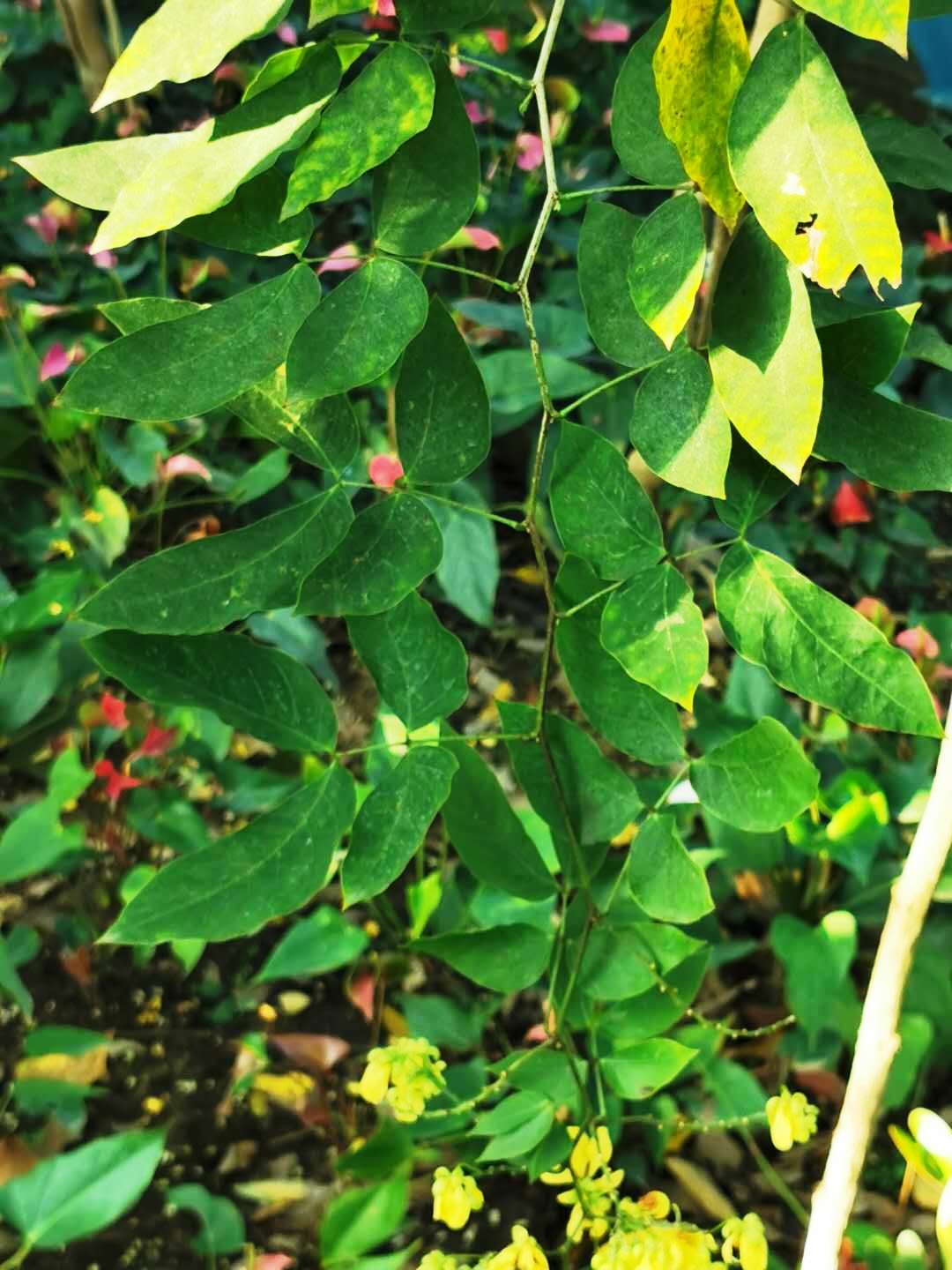
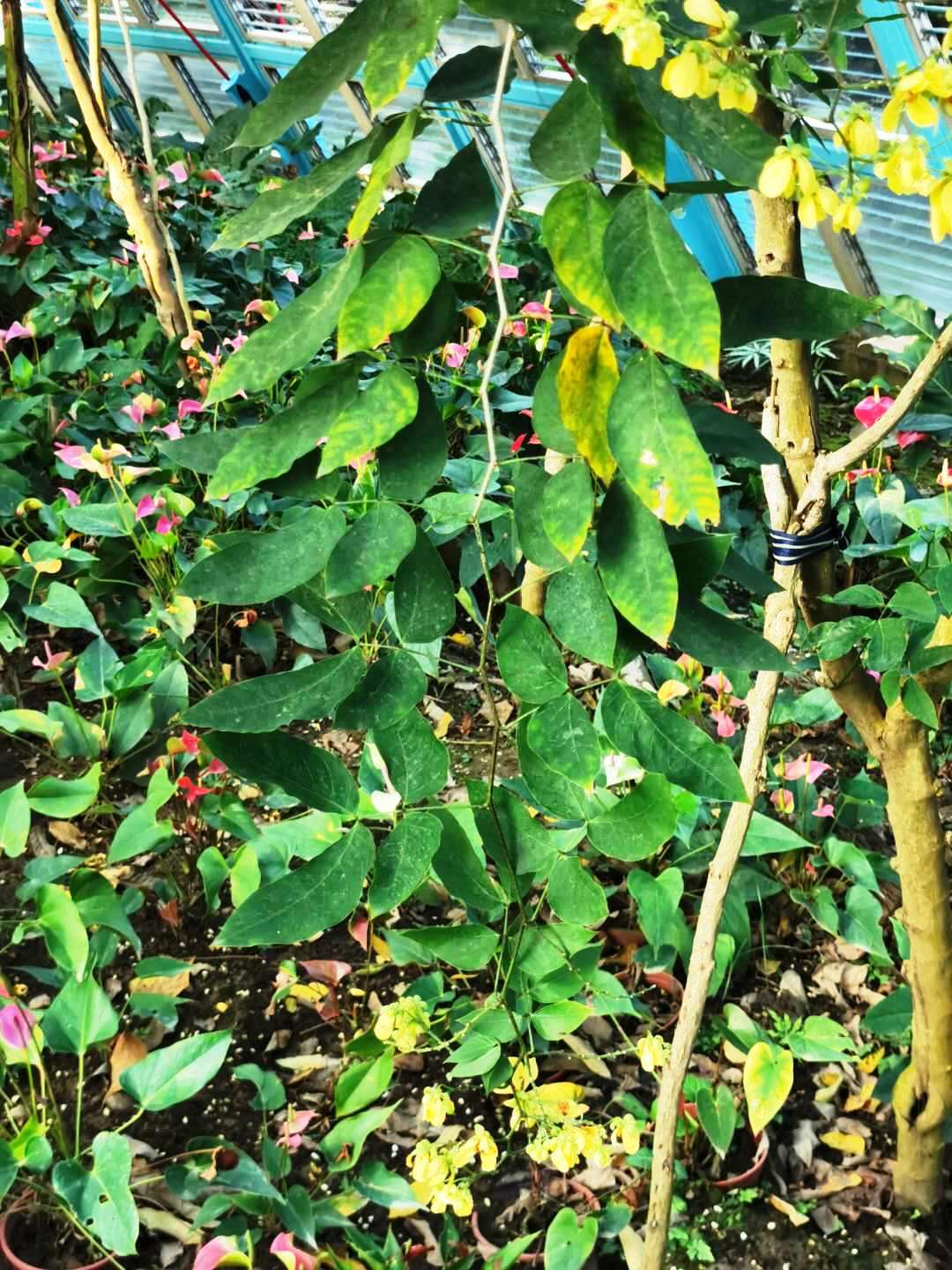
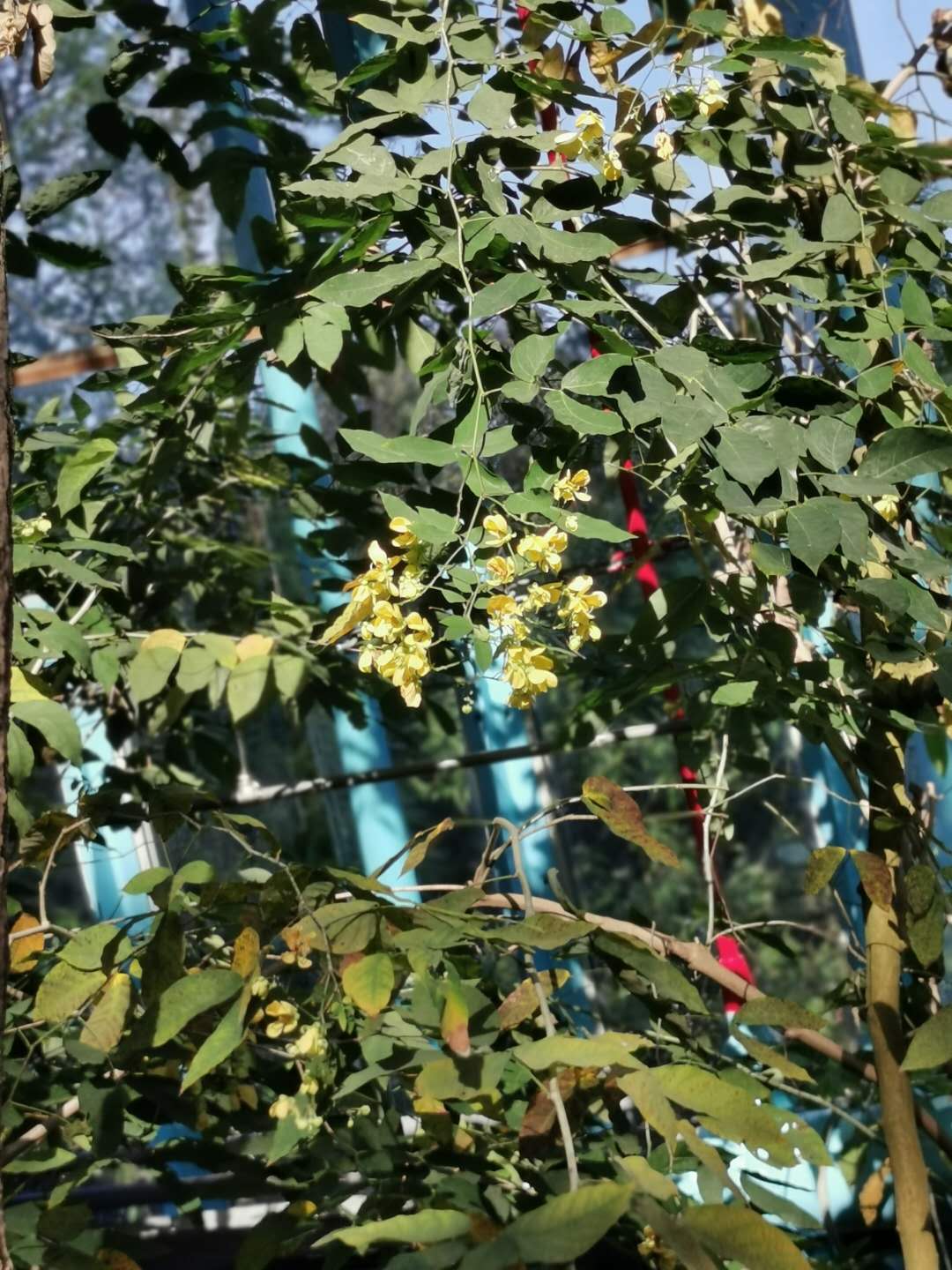
This guide starts with an honesty statement, because this is a plant whose paperwork is better documented than its garden performance. The butterfly guide that sent you here lists Cassia fruticosa in its Host plants section. That name is real — Philip Miller published Cassia fruticosa in 1768 — and the currently accepted name is Senna fruticosa (Mill.) H.S. Irwin & Barneby, following the 1982 revision that moved most New World Cassia species into Senna. The Royal Horticultural Society lists Senna fruticosa as the correct name, The Plant List records it as accepted with Cassia fruticosa Mill. as its synonym, and the IUCN Red List assessed Senna fruticosa in 2019 as Least Concern, with a stable population trend. So the identification verifies cleanly: one species, two names, old one in the butterfly guide, new one on the nursery tag. What does not verify cleanly is the garden detail — no USDA zone range, no mature size, and no soil pH range from an authoritative source was found in this pass — and this guide says so in its hero stats rather than inventing numbers to fill the boxes.
What is verified is the plant’s shape and place. Senna fruticosa is a shrub to small tree of the pea family (Fabaceae), in the subfamily Caesalpinioideae, and the IUCN assessment places it in forest habitat across Mexico and Central America — Belize, El Salvador, Guatemala, Honduras, Mexico, and Panama are listed as extant range states — with a very wide distribution, a large population, and no significant threats identified, which is why it carries the Least Concern verdict. The genus description fits it the way it fits most sennas: pinnate leaves, and terminal or axillary racemes of usually yellow, bowl-shaped, five-petalled flowers, followed by legume pods. One older flora description of a Panamanian variety describes a small, viney tree with moderate to large four-leafleted leaves, a petiole about three centimetres long, and a cylindrical gland between the lowermost pair of leaflets — a reminder that this is a plant with a scrambling, viney tendency in some forms, not a stiffly upright hedge, and that its leaves carry the little nectar glands that make sennas so interesting to ants and other insects.
That gland detail is worth a paragraph, because it is the senna clan’s secret social life. Many sennas carry extrafloral nectaries — small glands on the leaf stalk or rachis that secrete nectar outside the flowers — and ants patrol those glands, drinking the nectar and, in return, harassing the caterpillars and other herbivores they find on the leaves. It is a bodyguard arrangement, negotiated in sugar, and it means a senna shrub is never just a plant: it is a plant with a security detail, a caterpillar buffet, and a pollinator bar, all running at once. Whether fruticosa senna’s own glands run that exact trade at the same intensity as its better-studied cousins is not pinned down in the sources found here, and this guide does not claim it — but the glands are part of the genus pattern, and a gardener watching ants march up and down a senna stem is watching that pattern in action.
The butterfly context is specific and small, and this guide states it plainly rather than inflating it. The Ghost Yellow butterfly guide lists Cassia fruticosa in its Host plants section, which is the single mention this species guide covers. Sulphur caterpillars feed across the senna genus — the site’s senna genus guide covers that wider menu — but this species guide claims only the one exact mention: Cassia fruticosa, host plant, Ghost Yellow guide. If you plant fruticosa senna hoping for ghost yellows, you are planting a genuine recorded host, not a guaranteed butterfly magnet, and the honest expectation is sulphur caterpillars among yellow flowers in a warm climate, not a scheduled air show.
Two confusion warnings, because this plant’s name has been borrowed by strangers. First, some web sources describe Cassia fruticosa auct. — the auct. meaning the name as used by later authors, not by Miller — as the golden shower tree, Indian laburnum, or pudding-pipe tree. That is a misapplication: the golden shower tree is Cassia fistula, a different, famous species, and any source that tells you fruticosa senna is the golden shower tree is describing the wrong plant. Second, this species is not winter cassia. Winter cassia is Senna bicapsularis, the plant of the butterfly guide’s Cassia emarginata mention, and it has its own species guide kept strictly separate from this one. Fruticosa is fruticosa, emarginata is bicapsularis, and neither name covers the other, no matter how similar the yellow flowers look in a thumbnail.
How to grow
Grow fruticosa senna as a warm-climate shrub to small tree in full sun to light shade, in well-drained soil, and treat every specific number in this section as genus pattern rather than species fact, because the species facts were not verified in this pass. The senna pattern is: full sun for best flowering, soil that drains, room to spread, and protection from frost, because tropical sennas are not frost plants and a hard freeze is likely to cut them back or kill them outright. Plant it where it will not need to be moved — sennas establish a deep root system and resent transplanting once settled — and give it the sunniest, best-drained spot you have, because a tropical legume in shade and wet feet is a plant merely surviving, not a plant flowering.
Propagation follows the senna pattern too: seed or cuttings. Senna seeds generally have hard coats, and scarification — nicking or abrading the coat — is the standard trick for getting water in and germination started, while cuttings give a reliable copy of a good plant. This guide does not pin a germination time, a cutting season, or a first-flower age for fruticosa senna specifically, because none was verified, and a guide that invents those numbers is worse than a guide that admits the gap. If you grow this species, grow it as an experiment with a notebook: note when it flowers, how it handles your first cool snap, and what visits it, and you will know more about it in a year than the internet currently offers in a paragraph.
Pruning follows the shrub pattern: shape after flowering, remove dead or crossing wood, and do not shear it into a box, because a senna’s charm is its loose, arching, flower-tipped branches, not a clipped outline. If frost cuts it back, cut the dead stems to ground level in spring and watch for resprouts from the base, the way tropical shrubs often recover — but do not promise yourself that recovery, because no frost-recovery behavior for this species was verified, and a plant at the edge of its climate is a gamble, not a guarantee.
Florida note, stated as a non-claim, because Florida gardeners will ask. No Florida distribution for Senna fruticosa was verified in this pass, and no Florida-native claim is made for it here. It is a Mexican and Central American forest plant, and a Florida gardener planting it is planting a tropical curiosity, not a native restoration. If your goal is a Florida-native senna for sulphurs, the site’s senna genus guide points to the native options — privet senna, Chapman’s senna, partridge pea — and those are the plants to plant first. Fruticosa senna belongs in a warm-climate collection, a botanical garden, or a frost-free courtyard, where its ghost-yellow connection can be appreciated without pretending it is a plant Florida’s ecosystems asked for.
Water & feeding
Water fruticosa senna by the tropical-legume pattern: generously while it establishes, then moderately, with drainage doing more work than the hose. Deep watering in dry spells, a root zone that drains freely, and a thick mulch of wood chips or leaf litter to hold moisture and cool the roots — that is the whole program, and it is the program for most sennas, because most sennas come from places with a wet season and a dry season rather than from swamps or deserts. In a genuinely moist site with normal rainfall it should largely water itself once established; in a drought it wants a deep drink, not a daily sprinkle, because shallow watering makes shallow roots, and shallow roots make a shrub that falls over in the first storm.
Feeding: modest, as befits a nitrogen-fixer. Like other legumes, sennas partner with root-nodule bacteria that fix atmospheric nitrogen into forms plants can use, so a heavy fertilizer program mostly produces soft, leggy growth that flops out of shape. A spring topdressing of compost is the right scale of feeding, and in a mulched bed the nutrients arriving with leaf litter are often plenty on their own. The soil science here is the legume story: root-nodule bacteria take nitrogen gas from the air pockets in the soil and turn it into ammonium the plant can use, the plant feeds the bacteria sugars in return, and when leaves and fine roots die back, that nitrogen enters the soil organic matter for everything growing nearby. Planting a fruticosa senna at a sunny garden edge is therefore not just installing a yellow flower show — it is installing a slow-release nitrogen source that feeds the bed around it, and the sulphur caterpillars eating its leaves are part of that same cycle, turning shrub into butterfly and butterfly into the next generation of garden visitors.
Common problems
- Frost. A tropical shrub to small tree with no verified frost tolerance. Plant it only where freezes are rare or absent, or grow it in a container that can be sheltered; do not promise it a frost recovery that was not verified.
- Wrong plant on the tag. Some sources misapply Cassia fruticosa to the golden shower tree (Cassia fistula). If the tag promises a golden shower, you are looking at the wrong species — buy by Latin name, Senna fruticosa.
- Confusion with winter cassia. Winter cassia is Senna bicapsularis, a different species with its own guide. Similar yellow flowers do not make them the same plant.
- Soggy soil. A tropical legume in standing water is a plant with rotting roots. Plant where water drains through, not where it ponds.
- Invented garden numbers. No USDA zone, mature size, or pH range for this species was verified in this pass. Any source that quotes them precisely for fruticosa senna is guessing or borrowing from another senna — treat it as such.
- Caterpillar defoliation. Sulphur caterpillars may chew leaves, and that is the point of planting a host. A healthy shrub recovers, so do not spray the caterpillars — they are the crop.
- Ants on the stems. Ants patrolling senna leaf glands are normal, not an infestation. They are drinking extrafloral nectar, and they are part of the plant’s insect social life.
Harvest
Fruticosa senna’s harvest is flowers, seed, and butterflies — in that order, and with one firm boundary this guide states plainly. This is not a food or medicine plant in this guide’s telling: sennas as a genus have a long history as purgatives, and that history is a reason to leave the plant alone medicinally, not a reason to experiment with it. If you want seed, collect the legume pods after flowering and scarify the hard-coated seeds before sowing, with the caveat that no species-specific germination behavior was verified; if you want more plants, take cuttings for a reliable copy. If you want the real harvest, leave the plant standing through its bloom for the sulphurs and the pollinators, and prune only to shape after flowering.
The simplest harvest is a warm-climate afternoon beside a fruticosa senna in flower, watching sulphurs drift among yellow, bowl-shaped blooms and ants patrol the leaf stalks, and knowing that a plant with no famous common name and a solid Latin name is doing exactly what its genus evolved to do — bloom yellow, feed caterpillars, fix nitrogen, and come back next season a little bigger. Leave the pods you do not need for seed, cut only dead wood, and let the shrub be a shrub. That is the crop, and it arrives without a single spray — because spraying it would kill the very thing you planted it for.
Saving seeds
First, the boundary this guide has already drawn, restated here because seed envelopes have a way of inviting experiments: fruticosa senna is not a food or medicine plant. Sennas as a genus have a long history as purgatives, and the seeds carry that same chemistry. Save them to grow shrubs, not to brew, eat, or dose anything with. With that out of the way, here is the honest shape of saving seed from this plant, including one gap stated plainly rather than papered over.
Collect the legume pods after flowering, once they have turned brown and dry. Split them and shake out the hard seeds inside. Then comes the caveat: no species-specific germination behaviour has been verified for this particular senna, so what follows is the general senna pattern, not a promise about this species. Across the genus, the seed coat is the obstacle: it is waterproof by design, an evolutionary bet that some seeds should wait out a bad year rather than germinate into it. Unscarified senna seed can sit in soil for a long time doing nothing. To wake it, nick each coat lightly with sandpaper or a nail file, just enough to breach the coat without gouging the embryo, or pour hot (not boiling) water over the seeds and soak them overnight. Sow the ones that swell; repeat the treatment for the ones that stay hard.
Sow scarified seed shallowly, about a centimetre deep, in a warm, free-draining mix, and keep it warm, because this is a tropical shrub and its seeds germinate on tropical time. Across sennas generally, sprouts appear over one to a few weeks, and germination is patchy even with good seed, so sow more than you need and thin to the strongest. Treat your first batch as an experiment: note what you did, how many came up, and how long they took, because your notes become the species-specific data that does not yet exist in the literature. And if you want an exact copy of your plant rather than a seedling lottery ticket, take cuttings. Cuttings are the reliable route for this shrub and repeat the parent precisely, no germination gamble involved.
For storage, dry the seeds thoroughly before they go anywhere near a jar. Florida humidity is the quiet saboteur here: seed that feels dry on a damp afternoon may not be dry at all, so finish drying indoors, out of direct sun, until the seeds feel hard and cool. Then store in a labelled, airtight container with a small desiccant packet, somewhere cool and dark. Hard-coated legume seed stored this way generally keeps for a few years, though germination slowly declines, so sow older seed more thickly.
One last honest caveat. Open-pollinated seed is not guaranteed true: bees work senna flowers enthusiastically, and if other sennas are blooming nearby, some seedlings may be crosses. If purity matters, isolate by distance or by bagging a few flower clusters, or propagate by cuttings. And if you let pods ripen and drop where they fall, expect volunteers. Saved seed is a gift, but a shrub that plants itself everywhere is a chore wearing a gift’s clothing.
Browse all plant & pest guides
Species
Fruticosa senna (Senna fruticosa) is the species described here, filed under the butterfly guide’s mention form Cassia fruticosa. It is a single species, not a genus, and this guide claims no other senna. The site’s senna genus guide covers the wider senna menu — candlestick senna (Senna alata), coffee senna (Senna occidentalis), sicklepod (Senna obtusifolia), partridge pea (Senna chamaecrista), Maryland senna (Senna marilandica), privet senna (Senna ligustrina), winter cassia (Senna bicapsularis), and the rest — and it does not cover fruticosa senna at species depth, which is what this guide does. Winter cassia (Senna bicapsularis, the butterfly guide’s Cassia emarginata) is a different species with its own species guide, and the two guides are kept strictly separate: fruticosa is fruticosa, emarginata is bicapsularis, and neither name covers the other. The golden shower tree (Cassia fistula) is a third, different species that some sources mislabel with this plant’s old name, and it is listed here only so it is not mistaken for this plant.