
🌿 Cayenne Snakeweed
What it looks like
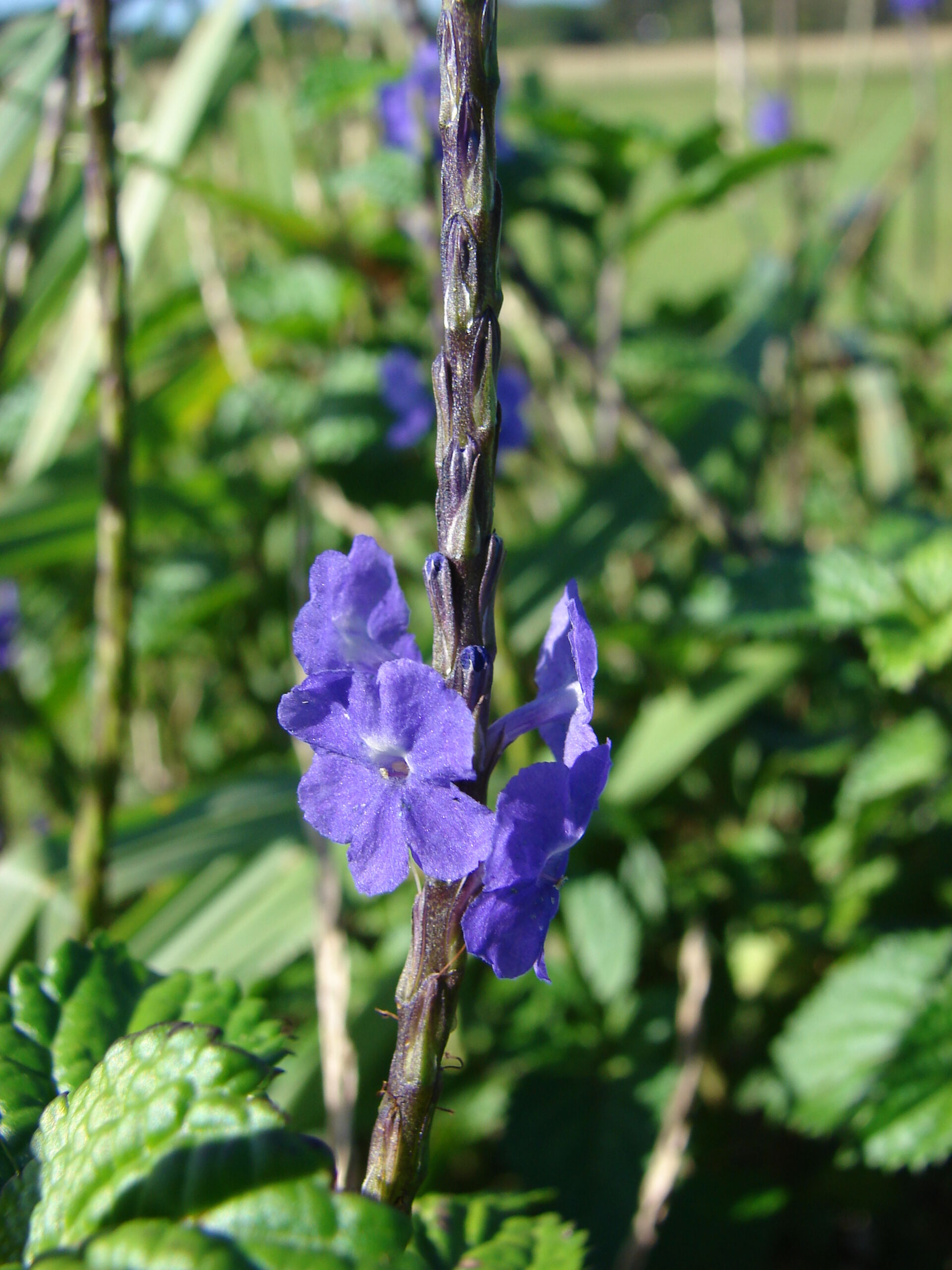
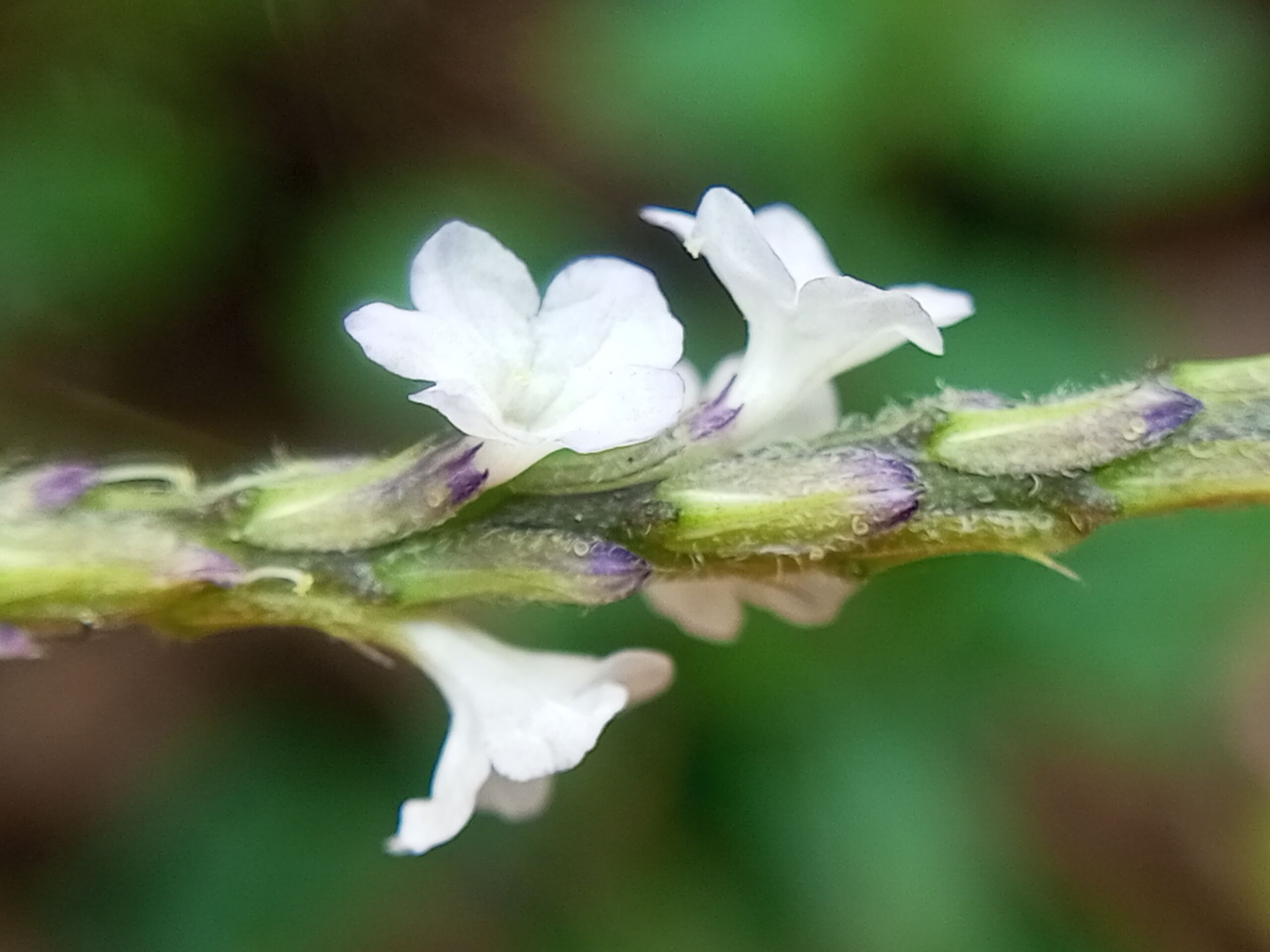
Cayenne snakeweed is a porterweed with an identity problem, and the identity problem is the whole story. Its scientific name is Stachytarpheta cayennensis (Rich.) Vahl, in the verbena family (Verbenaceae), and its common names pile up fast: blue snakeweed, dark-blue snakeweed, bluetop, nettle-leaf porterweed, nettleleaf velvetberry, rattail, rough-leaf false vervain, Cayenne porterweed, Cayenne vervain, and joee, among others. The genus name comes from Greek words for “spike” and “thick,” referring to the thickened flower spike that is the genus’s signature. If you have seen a porterweed, you know that spike: a long, slender, upright stem with tiny tubular flowers opening a few at a time along its length, so the plant always looks like it is in the middle of blooming, because it is.
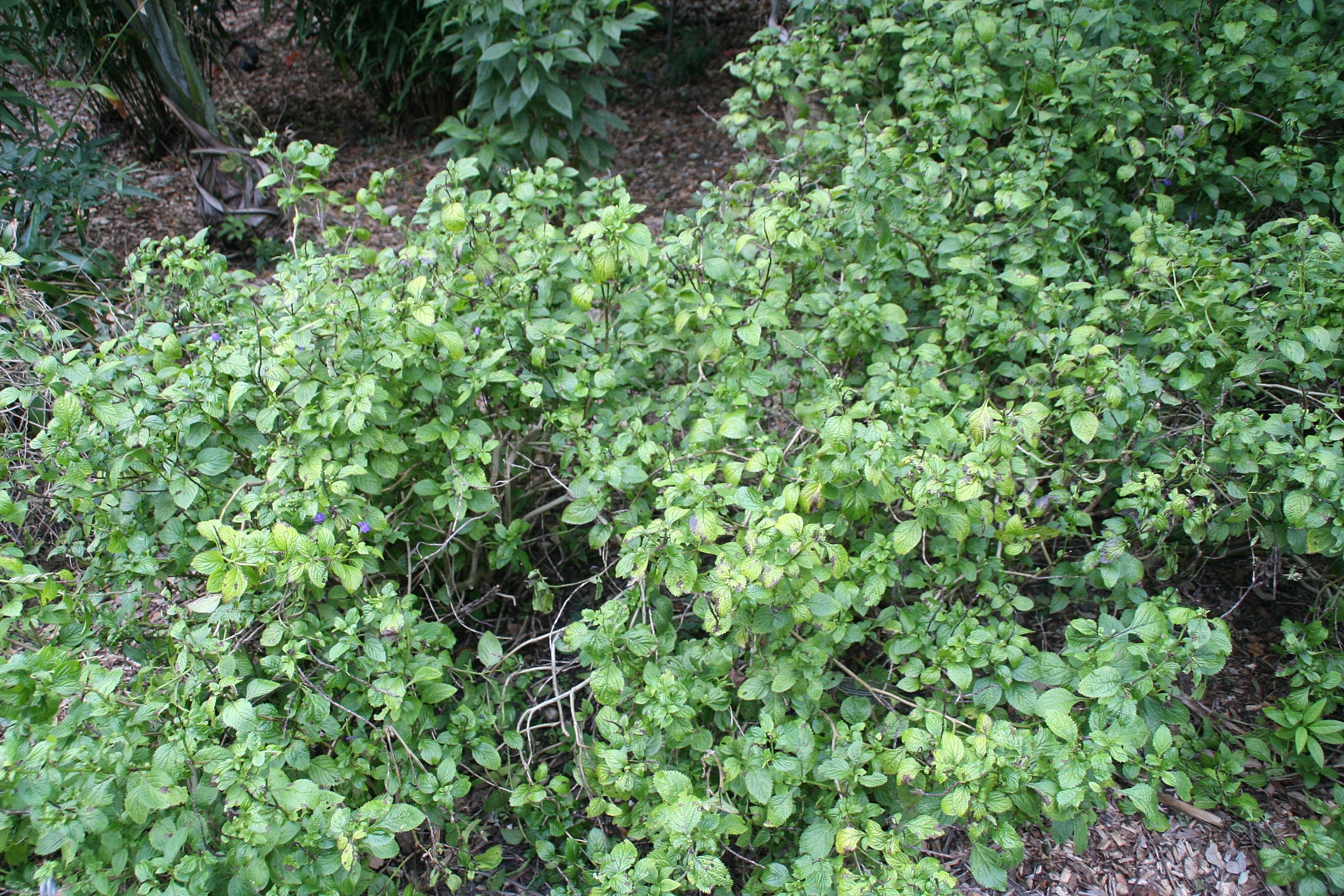
The plant itself is an upright herb or subshrub with a woody base, reaching about 6 feet tall, with opposite, lance-shaped, serrated leaves and numerous slender flower spikes carrying small, deep violet-purple flowers. It is native to the Americas, from Mexico south through Central and South America to Argentina, and through many Caribbean islands, growing in grasslands, savannas, and forested habitats. That native range is tropical America, and the plant has since become a pantropic weed — introduced, escaped, and naturalized across tropical regions worldwide, including Africa, Melanesia, Australia, Hawaii, and Puerto Rico. A plant that is a weed on three continents is telling you something about its ambitions, and Florida has heard it.
Here is the Florida part, stated plainly because it changes the whole guide. Cayenne snakeweed is listed as a Category II invasive species in Florida — by the Florida Invasive Species Council and its predecessor, the Florida Exotic Pest Plant Council, for the southern portion of the state — because it has escaped cultivation, self-seeds prolifically, naturalizes well beyond where it was planted, and hybridizes with the native blue porterweed. The Florida Wildflower Foundation says it plainly: it should not be used. This guide therefore does not recommend planting cayenne snakeweed in Florida, full stop. If you want a porterweed in Florida, the native one is blue porterweed (Stachytarpheta jamaicensis), and the difference is visible in the garden: the native is low, sprawling, and prostrate, usually under 2 feet, while cayenne snakeweed is upright, woody-based, and much larger. Nurseries have sold the wrong one under the native’s name, so buy by Latin name, from a trusted source, and check the habit: upright and tall is the warning sign.
The butterfly context is the reason this plant gets a guide despite that warning. The Tropical Buckeye guide lists cayenne snakeweed (Stachytarpheta cayennensis) in its Host plants section, alongside blue porterweed, white mangrove, and mock vervain — the caterpillars feed on it. That host record is genuine, and it is also the trap that makes this guide necessary: a butterfly gardener who reads “host plant” and rushes to plant it in Florida would be planting a listed invasive that threatens the very native porterweed the buckeye also uses. The honest butterfly advice is to feed tropical buckeyes with the native blue porterweed, and to know cayenne snakeweed so you can recognize it, remove it, and not buy it by mistake.
One plain-text disambiguation, because the porterweed shelf is crowded and the names overlap. This guide covers Stachytarpheta cayennensis only. Blue porterweed (Stachytarpheta jamaicensis) is a different species with its own live plant-guides growing guide and its own Academy native-plant profile, and it is not covered here. The genus Stachytarpheta as a whole has its own draft genus guide in this project, and that genus guide is not this species guide. And the name Stachytarpheta urticifolia is a tangle worth stating: some botanists treat it as a form of S. cayennensis, and the third photograph in this guide is filed on Commons under that name while its own description names it S. cayennensis — which is why the caption says so rather than pretending the filing is clean.
How to grow
The growing section of this guide comes with a gate on it: in Florida, do not grow it. That is not a preference, it is the invasive-species advice of the state’s own plant authorities, and this guide repeats it because the butterfly-host record makes it tempting to ignore. Outside Florida, in warm, frost-free tropical and subtropical climates where it is not listed as invasive, the plant is famously easy — full sun, well-drained soil, drought-tolerant once established — which is precisely why it escapes: a plant that needs nothing will grow anywhere it lands, including where you did not plant it.
Where it is grown, the pattern is: full sun, well-drained soil, and room for an upright shrub to about 6 feet, with flower spikes held above the foliage for most of the warm season. It flowers prolifically over a long period, which is why butterflies and hummingbirds visit it so reliably, and why it sets so much seed. Propagation is by seed and by cuttings, and seed is the problem: it self-seeds freely, and seedlings appear well beyond the parent plant. If you grow it where it is legal and not invasive, deadhead the spikes before seed ripens, pull volunteers promptly, and never dump prunings or seed where they can wash into wild ground. A porterweed that you cannot keep where you put it is a weed with a butterfly fan club.
Pruning is simple: cut back spent spikes to keep the plant tidy and to cut off the seed supply, and cut back hard in late winter or early spring in climates where it survives as a perennial, since it regrows vigorously from the woody base. In cooler margins it may die back and return from the roots if mulched, but this guide does not promise that performance anywhere specific — the plant’s range is tropical, and a frost is a frost. Container growing does not solve the invasive problem: a potted plant still sets seed, and seed still travels. The only containment that works is deadheading before seed, every time, without exception.
Florida note: Florida gardeners, read this as an identification guide, not a planting guide. If a “blue porterweed” you bought grows upright and woody past 2 feet, with larger, more erect habit than the low, sprawling native, suspect cayenne snakeweed, check it against its Latin name, and remove it before it seeds — and tell the nursery, because mislabeled porterweed is a known route by which this plant has spread. If you find it volunteering in a natural area, report it through your local extension or invasive-plant program rather than transplanting it into your garden as a “free butterfly plant.” The tropical buckeye does not need you to plant this species: it has the native porterweed, and the native is the one that belongs here.
Water & feeding
Water: cayenne snakeweed wants well-drained soil and tolerates drought once established, which is the porterweed pattern — these are plants of sunny, open, tropical ground, not of bogs. Water to establish a new plant, then back off; overwatering in heavy soil produces soft growth and root problems, and a plant that thrives on neglect does not reward fussing. In a warm climate with normal rainfall, an established plant largely waters itself, and its long flowering season is the proof: a plant that blooms for months on rainfall alone is not asking for irrigation.
Feeding: minimal. Porterweeds grow in average, well-drained soil without a fertilizer program, and heavy feeding mostly produces rank, floppy growth with more seed — the last thing a plant with an invasive record needs. A light compost topdressing at planting is plenty. The soil science is the tropical-weed story: fast growth, long flowering, and abundant seed on modest nutrition, which is why the plant colonizes disturbed ground so well. Feeding it is like giving a marathon runner an energy drink at mile two: unnecessary, and it only speeds up the part you were trying to slow down.
Common problems
- It is invasive in Florida. Category II listed, escaped from cultivation, self-seeding, naturalizing beyond plantings, and hybridizing with native blue porterweed. Do not plant it in Florida; remove volunteers before they seed.
- Mistaken identity. Sold and mistaken for native blue porterweed (S. jamaicensis). The native is low and sprawling; cayenne snakeweed is upright, woody, and to about 6 feet. Buy by Latin name from a trusted source.
- Hybridization. It hybridizes with the native blue porterweed, which threatens the native’s genetic integrity where the two meet. Another reason not to plant it near native populations.
- Prolific self-seeding. Long flowering means abundant seed, and seed travels. Deadhead before seed ripens wherever it is grown, and pull volunteers promptly.
- Frost. A tropical plant. Frost kills top growth, and this guide makes no cold-hardiness promise for any specific marginal climate.
- Caterpillar defoliation. Tropical buckeye caterpillars feeding on it is the host record, not a problem — but feed them with the native porterweed in Florida, not with this species.
Harvest
There is no kitchen harvest recommended in this guide, and no medicinal recommendation either, though the plant has a long traditional-medicine history under names like gervão in Brazil, where it has been used as a traditional antimalarial and anti-inflammatory plant in folk practice. A folk-use report is not a recommendation, and this guide makes none — and in Florida, the only harvest this guide recommends is removal: pull volunteers, bag the seed heads, and dispose of them so they do not reseed. The real harvest of a porterweed is the wildlife it feeds while it stands — butterflies at the flower spikes, hummingbirds working the same blooms — and in Florida that harvest belongs to the native blue porterweed, which feeds the same visitors without the invasive bill attached.
Browse all plant & pest guides
Saving seeds
Do not save this plant’s seed. That is the whole section in one sentence, and the rest of it explains why, because the reasoning matters more than the rule. Cayenne snakeweed is listed as a Category II invasive species for central and south Florida, it has escaped cultivation into natural areas, and it hybridizes with the native blue porterweed, Stachytarpheta jamaicensis, which is exactly the plant Florida gardeners usually meant to buy. Every seed you collect, store, share, or sow is a small bet that this plant will stay where you put it, and its track record says it will not.
The seed biology is the reason the warning is so blunt. Cayenne snakeweed sets an enormous amount of seed on its long flower spikes, and that seed germinates readily in warm, moist soil with no special treatment at all. It also roots easily from stem cuttings, so even a pruned branch tossed on a brush pile can become a new plant. In the wild it spreads through garden waste, rainwater, contaminated seed, and on vehicles, and in grazed fields it spreads faster still because livestock find it distasteful and eat everything around it instead, leaving the snakeweed standing in an ever-widening patch. It is a plant that treats neglect as a propagation strategy, and a gardener who deliberately saves its seed is doing the one job the plant cannot do for itself: carrying it somewhere new, on purpose.
So the useful seed skill for this species is seed prevention. If you already have cayenne snakeweed, deadhead the spent flower spikes regularly, before the seed matures and drops, and bag the cuttings and throw them away with household rubbish rather than composting them or dumping them at a woodland edge. Pull unwanted plants with their large roots, and keep cutting back any regrowth, because a plant cut down but left to flower will still set seed. If you bought a plant labelled as native blue porterweed and now suspect it is the taller, upright cayennensis, check it against the native’s low, spreading habit and do not pass cuttings or seed to friends until you are sure which species you actually have, since mislabelled plants are one of the main ways this species spreads. The native porterweed is the one to plant for butterflies; this one already has all the help it needs. Seed saving is a wonderful habit, but part of the craft is knowing which seeds belong in an envelope and which belong in the bin, and cayenne snakeweed’s seeds belong in the bin.
Species
Cayenne snakeweed (Stachytarpheta cayennensis) is the species this guide covers, and no varieties or cultivars of it are claimed here — no named garden variety of this species was verified, and this guide does not invent one. Its synonyms in botanical literature include Verbena cayennensis, Stachytarpheta urticifolia, Abena cayennensis, Valerianoides cayennensis, and Verbena dichotoma, among others, which is why older books and nursery tags may file it under a different name. Other Stachytarpheta species are not covered by this guide: blue porterweed (Stachytarpheta jamaicensis) has its own guide and profile, changeable velvetberry (Stachytarpheta mutabilis) is a separate species, and the genus as a whole has its own genus guide in this project. Buy and identify by Latin name, species by species, and let the tall, upright habit be your first warning that you are looking at cayennensis and not at the native.