
🌿 Coinvine
What it looks like
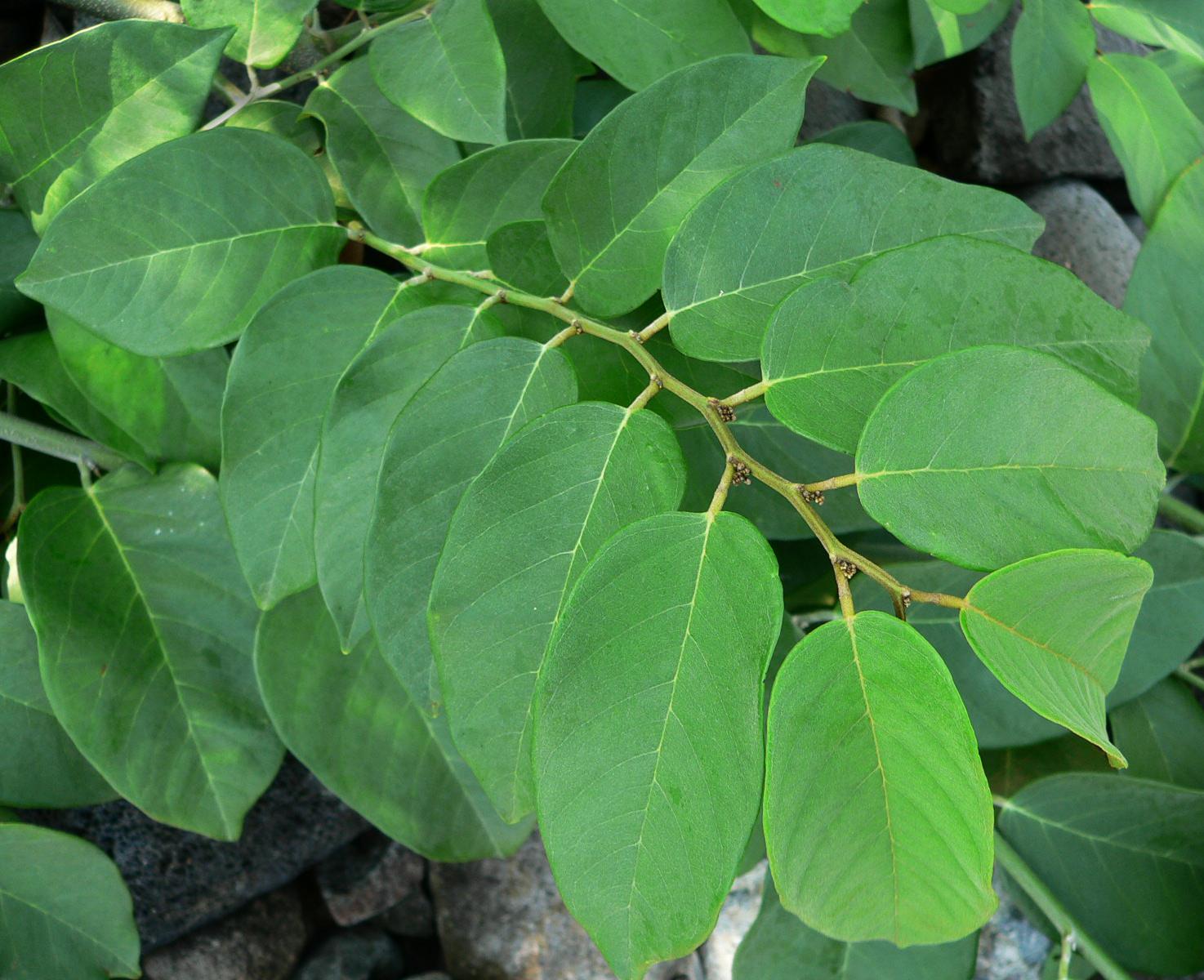
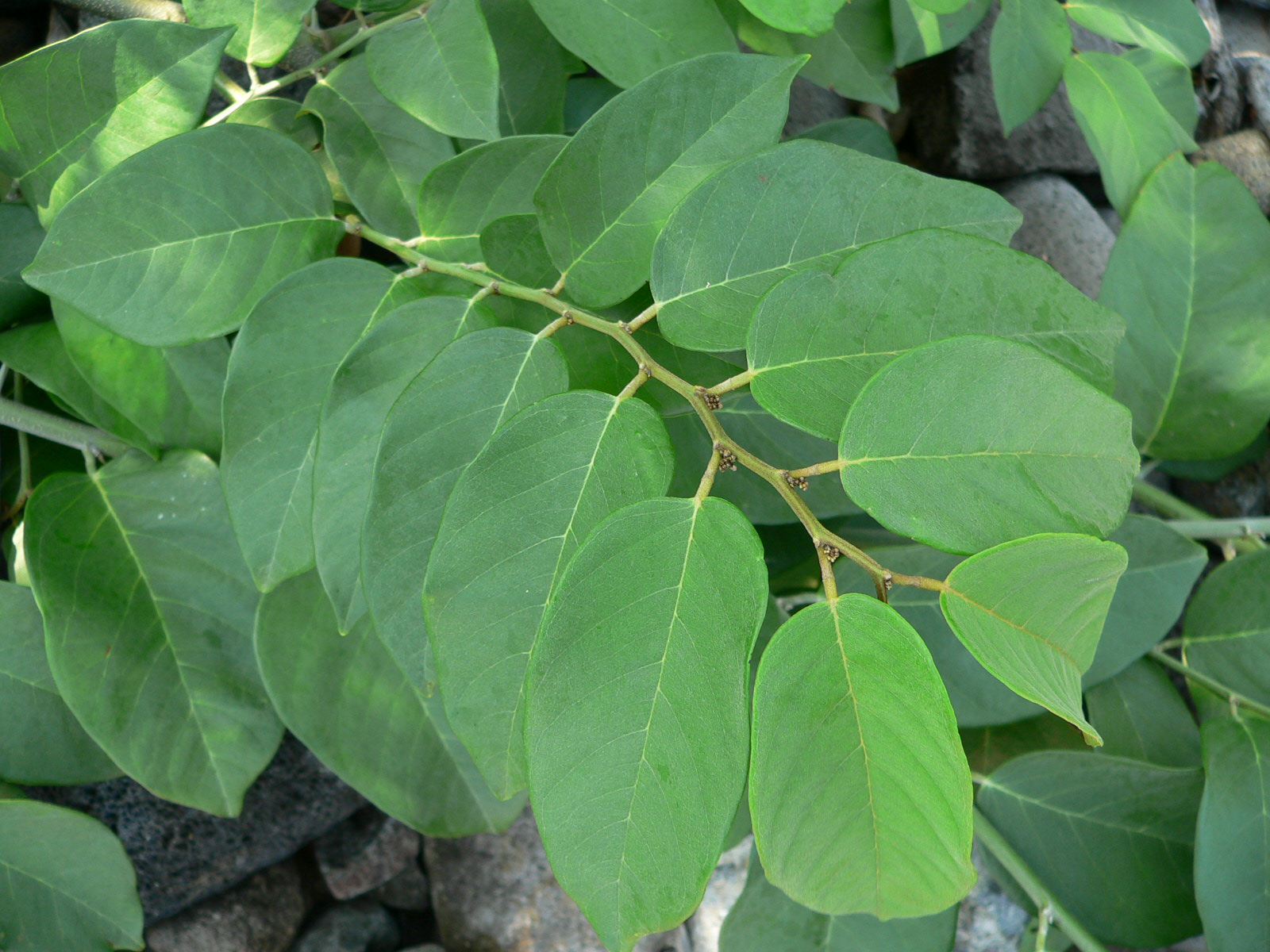
Coinvine is the plant that named itself after pocket change, and once you see the pods you never need the explanation twice. Dalbergia ecastaphyllum (L.) Taub., in the pea family (Fabaceae), is a scrambling shrub or small tree — sometimes a climbing vine, sometimes a woody shrub, depending on what it has to climb and how much wind it has to argue with — native to tropical and subtropical coasts on both sides of the Atlantic, from southern Florida through the Caribbean and Central America to northern South America, and across to tropical West Africa. In Florida it is a genuine native of the peninsula’s coasts, found from Brevard County south through the Keys on the Atlantic side and around to Pinellas County on the Gulf side, in maritime hammocks, beach dunes, coastal strands, coastal grasslands, coastal berms, scrubby flatwoods, shell middens, and mangrove edges. It is a plant of the edge where land meets salt water, and it looks like it: tough, glossy, and unbothered by conditions that would crisp a garden perennial.
The leaves are the identification trick, and they are worth learning, because coinvine’s leaves break the usual legume pattern. Most pea-family plants have divided, feathery leaves with many leaflets; coinvine’s leaves are unifoliolate — a single leaflet per leaf stalk, ovate to oblong, leathery, glossy green, 2.5 to 14 cm long — so at a glance it looks like an ordinary broadleaf shrub rather than a legume at all. The flowers are small and white, about a centimeter long, carried in clusters in the leaf axils, blooming mainly in spring and summer (April through August in the Florida flora records), and they are modest individually but showy in aggregate, a froth of white against dark glossy leaves. The pods are the payoff: flat, rounded, coppery-brown legumes 1.2 to 3.5 cm long and nearly as wide as they are long, each holding a single seed, shaped and sized very much like a coin — hence coinvine, coin vine, and coin-vine, all three spellings in use. A beach-dune plant that makes its own currency is a plant with a sense of humor, and this one spends it on holding dunes together: its scrambling, salt-tolerant growth stabilizes the inland sections of beach dunes, which is real ecological work disguised as a curiosity.
The butterfly story is the reason this guide exists, and it is a Florida story. The Statira Sulphur guide lists coinvine in its Host plants section: in Florida, statira sulphur caterpillars feed on coinvine and powder-puff, both pea-family plants, alongside Cassia and Senna species. Coinvine is also a recorded host for the gray hairstreak. A sulphur butterfly is a big, showy, yellow butterfly, and its caterpillars growing up on a dune vine is a reminder that butterfly gardening is not only about meadow flowers: a coastal garden with coinvine on a fence is a nursery for a butterfly most gardeners only ever see as a yellow flash over a parking lot. The genus name Dalbergia, meanwhile, carries a warning worth stating plainly: Dalbergia is the rosewood genus, and many of its timber species are protected under international trade rules. Coinvine itself is assessed as Least Concern, but the genus’s history is a reason to buy nursery-grown plants and never collect wild coastal plants, which are doing dune work where they stand.
One naming note, because the butterfly guide spells it differently and a gardener chasing the wrong spelling will find the wrong plant or none at all. The Statira Sulphur guide prints the Latin as Dalbergia ecastophyllum. That spelling is a recognized orthographic variant — an old misspelling that lingers in some references — but the accepted name is Dalbergia ecastaphyllum, and that is the name nurseries, floras, and this guide use. If a plant tag says ecastophyllum, it is the same plant with an old spelling; if a search returns nothing, try the accepted spelling first.
How to grow
Coinvine wants the conditions of its home coast, and it is honest about them: full sun, sandy or rocky well-drained soil, salt spray, and room. Plant nursery-grown stock in a sunny coastal garden — a dune garden, a beach-side fence, a maritime hammock edge, a large container by a sunny wall in the warmest zones — and give it a sturdy support or a bank to scramble over, because this is a plant that climbs by sprawling and leaning rather than by tendrils or twining stems. A fence, a pergola post, a rock wall, or an open dune slope all suit it; a small trellis in a shady courtyard does not. Space one plant per support and expect it to reach several meters of scrambling growth over time — the Florida botany records describe stems up to 8 meters long and 7 cm thick on old plants — so plant it where its ambition is an asset, not a maintenance problem, and prune after flowering to keep it off paths, roofs, and neighboring plants.
Soil is the easy part, which is rare enough to celebrate. Coinvine grows in sand, shell, and thin coastal soils that would starve a fussy perennial, and it tolerates salt in the soil and salt on the leaves, which is why it belongs on dunes and coastal strands rather than in a rich inland bed. Do not overfeed it: like most legumes it fixes its own nitrogen with root bacteria, so a rich fertilizer program mostly produces soft, leggy growth. A lean, sunny, well-drained site with normal rainfall suits it, and once established it tolerates dry spells better than most coastal shrubs, though it is not a desert plant — it grows where the water table and sea air keep things from getting truly arid. In containers, use a coarse, free-draining mix, a large pot, and a sunny position, and expect to water more often than in the ground, because a pot dries faster than a dune.
Florida note, by region, because coinvine’s Florida range is coastal and southern, not statewide. In coastal central and south Florida — the Atlantic coast from Brevard south through the Keys, and the Gulf coast around to Pinellas — coinvine is a native plant in its home habitat, and a coastal garden there is the right place for it. In north Florida it is outside its native range and will need the warmest, most protected coastal microclimate to survive winter, and inland gardeners anywhere in the state should treat it as a container plant to protect from cold rather than a landscape shrub. It is a tropical and subtropical coastal plant, not a plant for a Keystone Heights vegetable bed, and this guide says so rather than pretending every Florida garden is a beach dune.
Water & feeding
Water coinvine like a coastal plant: water to establish, then let it largely fend for itself in a site with normal coastal rainfall. New plantings want regular deep watering for their first season while roots find their depth, and container plants want watering whenever the top of the mix dries out. Established plants in the ground tolerate dry spells and salt, but they grow better and flower more with occasional deep watering in a prolonged drought — the goal is a deep root run, not a daily sprinkle, because shallow watering makes shallow roots, and shallow roots are what a dune plant cannot afford. Mulch with a coarse, salt-tolerant mulch like pine bark or shell, kept away from the stem, to hold moisture and suppress weeds without holding water against the wood.
Feeding: lean, as befits a legume. Coinvine’s root nodules host nitrogen-fixing bacteria, the pea family’s famous soil partnership, and those bacteria feed the plant nitrogen from the air in exchange for sugars from the roots — which is why coinvine thrives in poor sand where other shrubs go hungry, and why it is also a soil builder on dunes, leaving nitrogen behind for the plants that follow. A spring topdressing of compost is the right scale of feeding, if any is needed at all; heavy fertilizer is unnecessary and counterproductive. The soil science here is the dune story: poor, salty, sandy soil is a hard place to make a living, and coinvine’s trick is to bring its own fertilizer factory in its roots, trade with microbes, and spend the proceeds on leathery leaves and coin-shaped pods. Plant it on a dune and you are not just decorating a fence — you are installing a nitrogen-fixing, dune-holding, butterfly-feeding machine that runs on sun and salt air.
Common problems
- Wrong spelling, wrong plant. The butterfly guide’s ecastophyllum spelling is an orthographic variant. Buy and search by the accepted name, Dalbergia ecastaphyllum, and check the leaf: a single leathery leaflet per leaf stalk is the field mark.
- Cold. Coinvine is a frost-tender tropical and subtropical coastal plant. A hard freeze will damage or kill it, so north of its coastal range it belongs in a container that can be protected, not in the open ground.
- Too much ambition. Old plants scramble for meters and can swallow a fence, a small tree, or a neighboring shrub. Prune after flowering, give it a support sized for the adult plant, and site it where its spread is welcome.
- Too rich, too shady. Rich soil and shade produce leggy, sparse growth and few flowers. Coinvine wants sun and lean, well-drained soil; a pampered inland bed is the wrong address.
- Toxicity — handle with respect. Coinvine is toxic: historically, crushed roots and bark were used to stun fish, and the plant has been used as a vermifuge and diuretic in folk practice. Do not eat any part of it, do not brew it, and do not plant it where grazing animals or unsupervised children will sample it. The butterfly caterpillars can eat it; you should not.
- Wild collection. Never dig coinvine from dunes, hammocks, or mangrove edges. Coastal plants are doing erosion-control work where they stand, and nursery-grown stock is the honest source.
- Caterpillar feeding. Sulphur and hairstreak caterpillars will eat the leaves, and that is the point of planting it. A healthy vine recovers, so do not spray the caterpillars — they are the crop.
Harvest
Coinvine’s harvest is pods, cuttings, and butterfly-watching — in that order, and with one firm boundary. This is not a food or medicine plant, and no part of this guide recommends eating, brewing, or otherwise ingesting it: the same chemistry that once stunned fish is not a home remedy, and traditional uses are history, not a recommendation. If you want seed, collect the coin-shaped pods when they turn coppery-brown and dry, and sow from fresh seed, remembering that legume seeds often have hard coats and benefit from the scarification a nursery would apply — or simply buy nursery plants and skip the experiment. If you want more plants, take cuttings from vigorous growth, and plant them where they have room to scramble.
The simplest harvest, though, is a summer morning on a coastal fence with no agenda at all: white flower clusters against glossy leaves, a statira sulphur drifting over the dune it grew up on, and the knowledge that the vine over your head is holding sand, fixing nitrogen, and feeding caterpillars all at once. Leave most plants standing through the season for the butterflies, prune after flowering to keep the vine in bounds, and let it come back bigger next year. That is the crop, and it arrives without a single spray — because spraying it would kill the very thing you planted it for.
Browse all plant & pest guides
Saving seeds
The warning goes first, because coinvine’s history invites exactly the wrong kind of curiosity: this is not a food plant, not a medicine plant, and not a brewing experiment. The same chemistry that once let people crush its roots and bark to stun fish is not a home remedy, and no part of this guide recommends eating or ingesting any of it. What coinvine is, gloriously, is a coastal legume that makes its own pocket change — flat, round, coppery-brown pods about the size of a penny — and saving those coins is one of the easiest seed projects in the Florida native garden, provided you give the resulting vine somewhere to go.
Collect pods once they have turned from green to dry, papery, coppery brown and feel crisp in the hand, ideally before they start splitting and dropping their contents onto the mulch. Snip whole pods into a paper bag and let them finish drying indoors for a week or so, then open them to free the flat seeds inside — usually one or two per pod segment, neat as coins in a purse. Pick out the pod fragments, spread the seed thin to finish drying, and store it in a labeled, airtight container with a small desiccant packet, kept cool and dark. Florida humidity is the quiet saboteur here: seed that goes into a jar even slightly damp will mold, so dry it fully first, and sow the freshest seed first for the most even germination.
Like most pea-family seeds, coinvine seed wears a hard coat that is very good at its job — keeping water out until conditions are right — and a little human help goes a long way. Nick the coat lightly with sandpaper or a nail clipper, taking care not to cut into the seed itself, then soak the nicked seeds in lukewarm water for twelve to twenty-four hours; seeds that swell have taken up water and are ready, while any that stay hard and shrunken after soaking can be nicked again or discarded. Sow about half an inch deep in warm, sandy, well-drained mix, keep it consistently moist but not waterlogged, and expect sprouts within a few weeks in warm weather, with some stragglers taking longer — legume seed is punctual in aggregate and individualistic in detail. Give each seedling a sturdy support from the start, because coinvine is a scrambler by nature and will happily climb whatever it is given, including its neighbors.
Seedlings generally grow true to the species, which is a straightforward promise here: coinvine has no named garden varieties for a seedling to miss, and it is a straight Florida native species, so a coinvine seed grows up to be a coinvine, give or take the usual variation in vigor. The real planning question is not purity but space. One plant can scramble many feet and send out lateral branches in all directions, so save seed only for spots with a fence, a dune, or a sturdy trellis to show for it — and pull volunteers promptly in a small garden, because a vine that self-sows freely in its native coastal range will not ask permission. Planted where it has room, though, a seed-grown coinvine is a butterfly plant with a nitrogen-fixing habit and a pocketful of pennies, which is a combination no nursery tag quite captures.
Varieties
Coinvine is sold as the species, Dalbergia ecastaphyllum, and no distinct garden varieties are sold under this name — a gardener buying coinvine is buying the coastal species itself, not a cultivar of it. Related Dalbergia species a gardener may meet in the trade are timber trees, not garden vines: Dalbergia latifolia (Indian rosewood) and Dalbergia nigra (Brazilian rosewood) are rosewood timber species, protected under international trade rules, and they are not substitutes for coinvine in a butterfly garden. Buy coinvine by its Latin name, from nursery-grown stock, and let the species be the variety.