
🌿 Common Sweetleaf
What it looks like
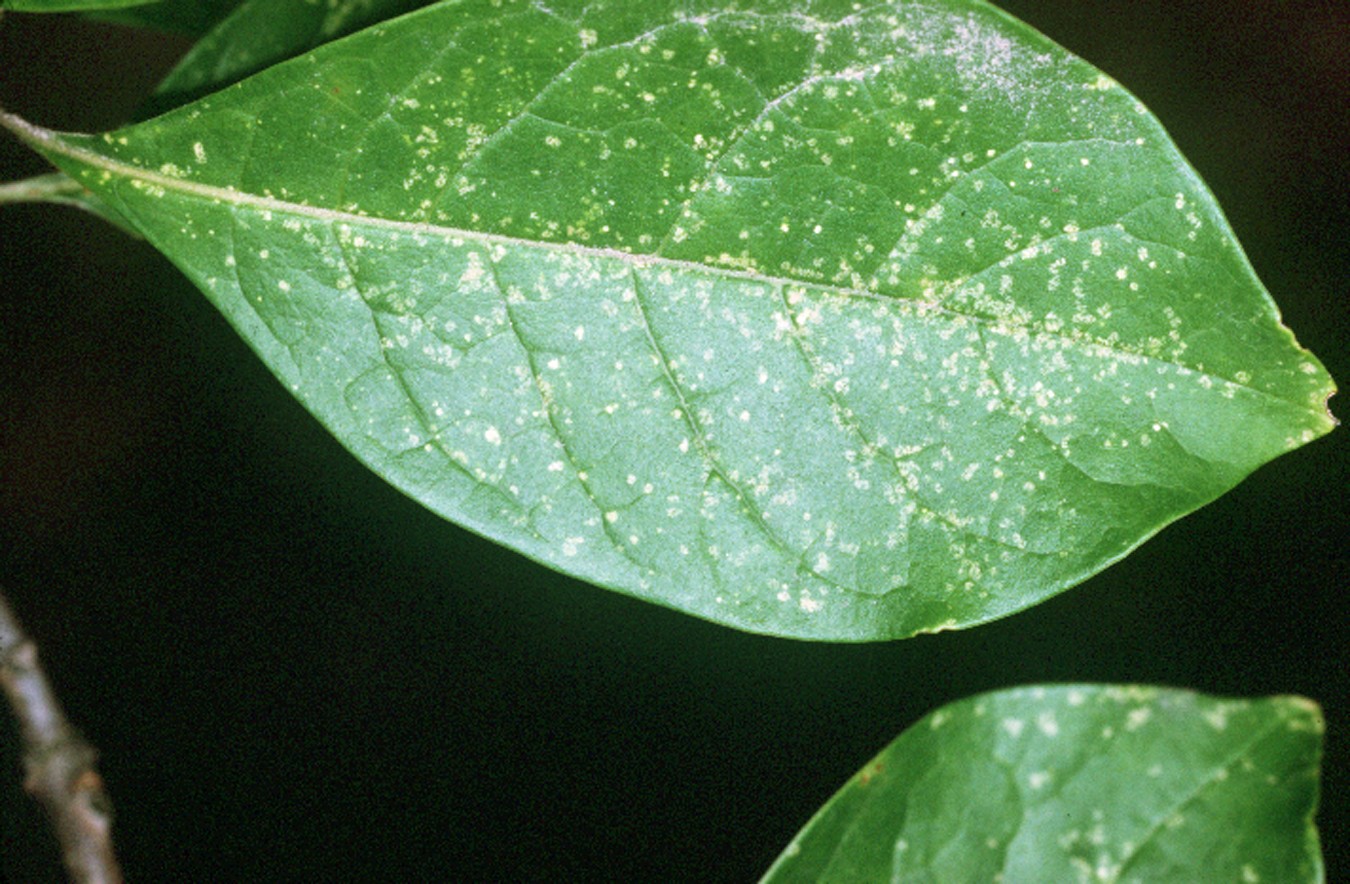
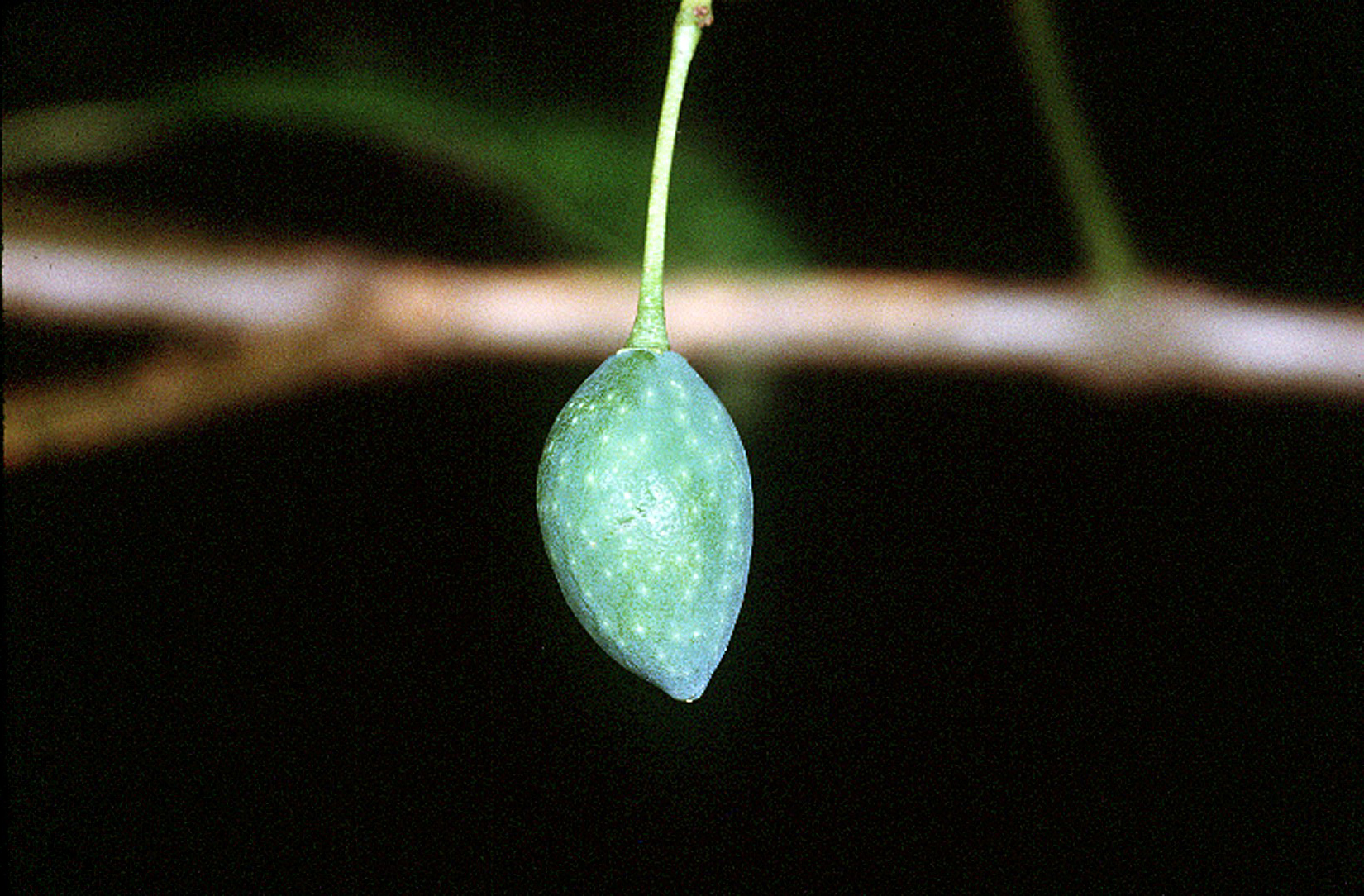
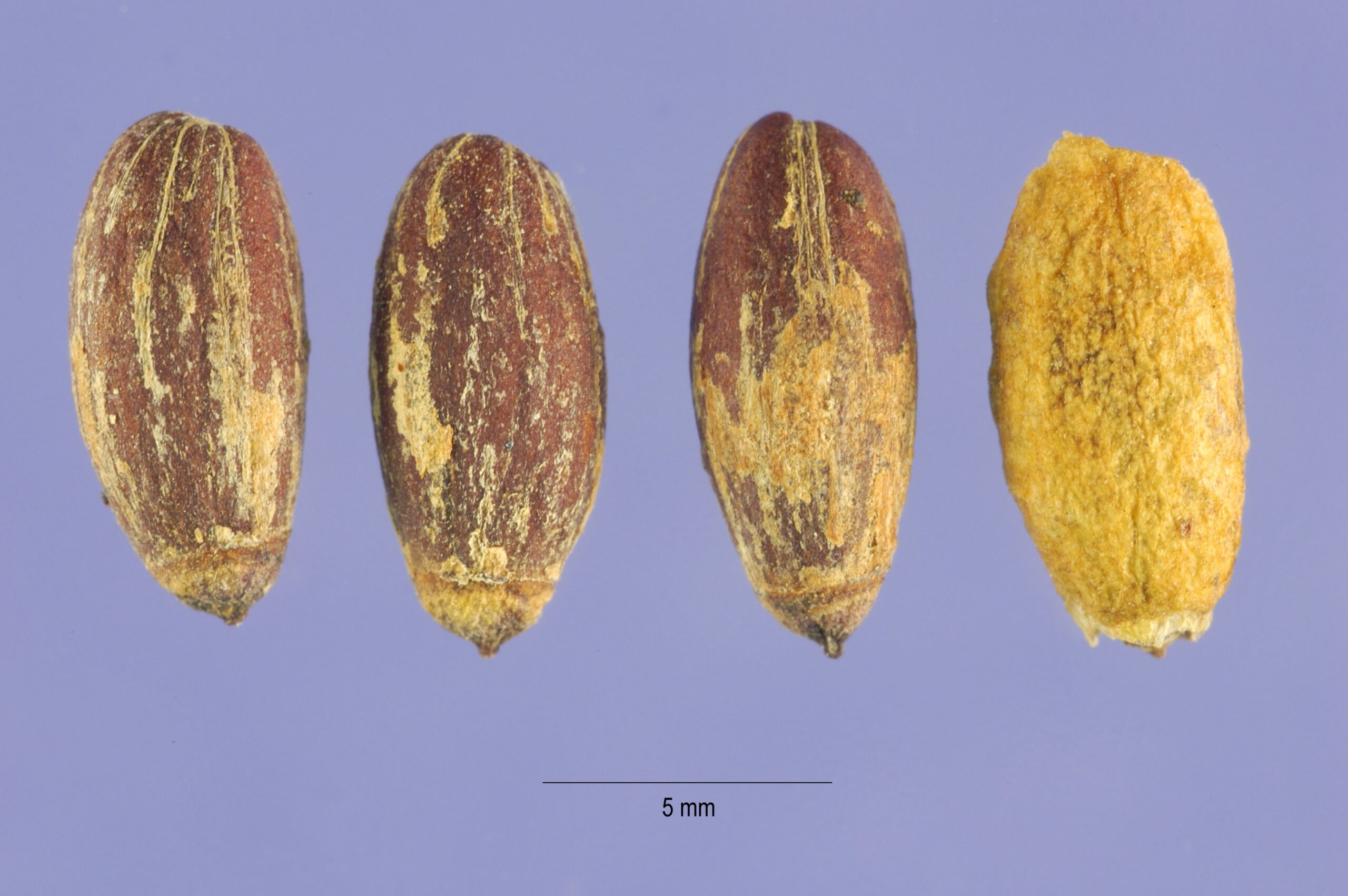
Common sweetleaf is a plant you are more likely to taste than to notice, which is a strange fate for a shrub that can reach small-tree size. Symplocos tinctoria is a deciduous to semi-evergreen shrub or small tree of the sweetleaf family (Symplocaceae), native to the southeastern United States, from the coastal plain north to Delaware and west to eastern Texas, growing as an understory plant in moist woods, along stream banks, and on wooded slopes. It typically reaches 10 to 20 feet, occasionally more, with a rounded, open habit, alternate elliptical leaves with finely toothed margins, and clusters of small, fragrant, creamy-white to pale-yellow flowers in spring, before or with the new leaves. The flowers are followed by small, olive-like drupes that ripen dark and are eaten by birds, which is how the plant travels from woodlot to woodlot without any help from gardeners at all.
The common name is literal, and it is the fastest identification test in the southeastern woods. Chew a leaf — or, more politely, taste a small piece — and it is distinctly sweet, which is why the plant is also called horse sugar: horses and other browsers seek it out for the same reason, and old-timers in the South knew it as the shrub whose leaves sweetened the walk. The sweetness is the plant’s calling card, and it is also a field mark worth more than any photograph: few southeastern understory shrubs taste like this. The Latin name tells the other half of the story. Tinctoria means “used for dyeing,” and sweetleaf leaves and bark were historically used to produce a yellow dye, a use that gave the plant a second career in farm households long before anyone planted it for butterflies. A plant that sweetens a walk and dyes cloth yellow is already earning its place; the butterfly story is the third career, and the rarest one.
That butterfly story is the reason this species guide exists, and it is unusually absolute. The King’s Hairstreak guide lists common sweetleaf (Symplocos tinctoria) in its Host plants section, and it names the plant with its Latin in the guide’s quick facts, as the host of a butterfly described there as very rare and local. King’s hairstreak caterpillars feed on sweetleaf, and the butterfly guide presents sweetleaf as its host plant, which makes this guide a conservation planting guide as much as a garden guide: planting common sweetleaf in its native range is planting the food plant of a butterfly most people will never see, and that is a good reason to plant it even if you never see the butterfly either. The family note matters here too. The butterfly guide notes that sweetleaf is the only North American native of the sweetleaf family, so this guide is not one member of a crowded family page — it is the family’s North American representative, and there is no close native cousin to confuse it with.
One plain-text disambiguation, because “sweetleaf” is a name that gets borrowed. This guide covers Symplocos tinctoria only, the southeastern shrub of the sweetleaf family. It is not the stevia plant sometimes sold as “sweetleaf” in herb catalogs, which is a different plant from a different family and continent, and it is not any of the other unrelated plants that share sweet-tasting leaves. Buy by Latin name, as always, and check the leaf-taste test against a trusted identification before tasting anything in the wild — the sweet taste is diagnostic for this species, but tasting is not a substitute for identifying.
How to grow
Growing common sweetleaf starts with accepting what it is: a woodland understory plant, not a sun-bed shrub. Give it part shade to shade, moist, acidic, humus-rich soil, and the dappled light of a woodland edge or a garden under high canopy, and it will grow steadily into a rounded shrub with spring flowers and good fall color, the leaves turning yellow in autumn in the deciduous part of its range. In the deep South it holds many of its leaves through winter, behaving as semi-evergreen, while farther north it drops them — same plant, different winter strategy, which is normal for a species spanning that much latitude. It does not want full sun in a hot, dry bed, and it does not want alkaline soil; both produce a thin, unhappy plant that tells you plainly it would rather be in the woods.
Plant in spring or fall, spacing shrubs 8 to 12 feet apart if you are planting a group, and mulch generously with leaf litter, which is both the mulch this plant evolved with and the soil-builder it wants. Water through the first two growing seasons until established, and after that it largely looks after itself in a moist woodland site, needing supplemental water only in genuine drought. Pruning is light: remove dead wood and crossing branches in late winter, and otherwise leave the natural rounded shape alone, because a sweetleaf pruned into a ball looks wrong in exactly the way a wild shrub forced into topiary looks wrong. It is not a fast plant, and it does not need to be — a shrub that will feed a rare butterfly for decades is allowed to take its time getting there.
Propagation follows the woodland pattern: seed, sown fresh in fall, which germinates after a winter’s cold, or softwood cuttings in early summer, which root moderately well. Seed-grown plants vary a little, which is fine for a wildlife planting, and nursery-grown stock is the practical route for most gardeners, since the plant is not a common nursery item and wild collection is never the answer. If your local native nursery does not carry it, ask — native nurseries track demand, and a request for Symplocos tinctoria is a request they understand.
Florida note, stated by range rather than by hope. Common sweetleaf is native to the Florida Panhandle, where it grows in the moist woods of the region’s stream valleys and slopes, and Panhandle gardeners planting for King’s hairstreak — a butterfly whose range includes the Panhandle — are planting inside the plant’s real range. Peninsula gardeners south of the Panhandle are outside that range, and should not expect the plant to perform as a peninsula shrub, nor assume a butterfly whose host is a Panhandle plant will follow it south. Plant the species where it belongs, and let the Panhandle have its sweetleaf.
Water & feeding
Water, for sweetleaf, is a question of woodland moisture without sogginess. The plant wants soil that stays moist — streamside moist, woodland-slope moist, leaf-litter moist — and in a genuinely moist site with normal rainfall it largely waters itself once established, while in a dry spell it wants deep watering and a root zone that does not dry out, because a thirsty sweetleaf thins out and drops leaves early, which defeats the purpose of planting an understory shrub. A thick mulch of leaf litter helps enormously, holding moisture and cooling the roots in summer, and it doubles as habitat for the soil life that keeps woodland soil healthy rather than sour. The mulch is not optional decoration here; it is the plant’s native soil cover, and a sweetleaf mulched with leaf litter is a sweetleaf at home.
Feeding: modest, across the board. Sweetleaf prefers moist, acidic, humus-rich soil, and a spring topdressing of compost or leaf mold is the right scale of feeding — not a heavy fertilizer program, which mostly produces soft growth and does nothing for a plant whose real need is soil structure and acidity. Do not lime the bed around a sweetleaf: it wants acid soil, and raising the pH toward neutral works against it. The soil science here is the woodland story: acidic, humus-rich soil is a nutrient highway, regularly replenished with leaf litter and organic matter, and the microbes, fungi, and invertebrates of that soil cycle nutrients steadily in warm, damp conditions. A sweetleaf’s roots live in that community, storing energy and sending up new growth through it, and its yearly leaf fall returns its own leaves to the soil as organic matter, feeding the next cycle. Planting common sweetleaf at a woodland edge is therefore not just filling a shady gap — it is installing a rare butterfly’s pantry on top of a soil-building machine.
Common problems
- Too much sun. The most common problem, and almost always a siting problem. Scorched, thin growth in a hot bed means it wants shade. Move it to dappled light or plant canopy above it.
- Alkaline soil. Sweetleaf wants acid soil. Yellowing and poor growth in limed or naturally alkaline beds mean the pH is wrong, not the plant.
- Drying out. The understory wants moisture. Thinning growth and early leaf drop usually mean the soil dried. Mulch with leaf litter, site it moist, and water in dry spells.
- Wrong sweetleaf. Stevia and other unrelated “sweetleaf” plants are different species from different families. Buy by the Latin name Symplocos tinctoria.
- Slow start. A woodland shrub takes its time. A sweetleaf that looks unimpressive in its first two years is often just building roots, and a sweetleaf in its fifth year is a rounded, flowering shrub with birds in it.
- Out of range. A Panhandle plant in a peninsula bed, or a southeastern plant in a dry western garden, is a plant out of place. Check the native range before you buy.
- Caterpillar feeding. King’s hairstreak caterpillars eat the leaves, and that is the point of planting it. A healthy shrub recovers, so do not spray the caterpillars — they are the crop.
Harvest
Common sweetleaf’s harvest is seed, cuttings, and the quiet knowledge that a rare butterfly’s food plant is growing in your woods — in that order, and with one firm boundary. The leaves’ sweetness is a tasting identification, not a crop recommendation, and no part of this guide recommends harvesting sweetleaf as a sweetener or a dye at any scale: the historic dye use is history, and a plant that feeds a rare butterfly is worth more standing than stripped. If you want seed, collect the ripe drupes in fall and sow fresh, because the seed expects a winter before it wakes up. If you want more plants, take softwood cuttings in early summer, though rooting is moderate rather than easy, and give every new planting two seasons to establish before you judge it.
The simplest harvest, though, is a spring morning under a sweetleaf in flower, with no agenda at all: small fragrant blossoms in the dappled light, birds working the branches later in the year for the drupes, and the knowledge that the shrub over your head is the only North American member of its family and the food plant of a butterfly most of the country will never see. Leave most plants standing through the season, prune lightly in late winter, and let the shrub come back bigger next spring. That is the crop, and it arrives without a single spray — because spraying it would kill the very thing you planted it for, and because a plant that has run its woodland system for a very long time does not need your intervention, only your willingness to plant it in shade and then get out of its way.
Browse all plant & pest guides
Saving seeds
Common sweetleaf will test your patience before it rewards you, and the first test comes before you ever touch a seed: this shrub is self-sterile. A single sweetleaf standing alone, however healthy and floriferous, will set little or no seed, because it needs pollen from a genetically different plant of the same species. If your shrub flowers beautifully every May and never fruits, that is not a failure of your gardening — it is the plant’s reproductive system working exactly as designed. Seed saving starts, therefore, with two plants, not one, and with bees doing the commuting between them.
When pollination succeeds, the fruit ripens in early fall — small dark drupes that follow the spring flowers. Collect them when they are fully ripe and soft, then clean the pulp away promptly; pulp left on seed invites mold, and mold is the quiet killer of slow-germinating seed. Here is the fork in the road, and it matters. Seed sown fresh, as soon as it is ripe, in a sheltered pot or cold frame, is the best-performing batch — the seed has not yet settled into its deep dormancy, and a winter outdoors can begin waking it. Stored seed is a longer game: it needs a period of cold stratification, and even then it can take up to a year to germinate. That is not a typo and not a reason to throw the pot away in spring. Sweetleaf seed operates on woodland time. Sow it, label it with species and date, keep the mix moist but never waterlogged, give it shade and shelter, and check it through the seasons without disturbing it. Seedlings, when they arrive, should be grown on in their pots through their first winter and planted out in late spring or early summer, once they are sturdy enough to face the woods on their own terms.
Storage, for the batch you cannot sow fresh, follows the usual discipline with a Florida accent: dry the cleaned seed thoroughly in the shade with good air movement, then keep it in a labeled paper envelope inside an airtight jar with a desiccant packet, cool and dark. Florida humidity will rehydrate seed left in an open envelope and spoil a year’s patience in a month. Do not expect stored sweetleaf seed to behave like bean seed; expect it to behave like a woodland shrub, which is to say slowly, and on a schedule you do not fully control.
Seedlings of the straight species grow true to species, though individual seedlings will vary in vigor and form, as seedlings do. But if you want an exact copy of a particular shrub — say, one that feeds the hairstreak caterpillars in your woods — cuttings are the honest shortcut: half-ripe wood cuttings a few inches long, taken with a small heel in summer, root well in a sheltered frame within about a month. Seed is how sweetleaf travels and varies; cuttings are how it repeats. Given that this shrub can live for decades once established, either route is an investment worth making — just make it with two plants, a labeled pot, and a calendar that has room for a year of waiting.
Varieties
Common sweetleaf is grown as the straight species, and for butterfly and wildlife planting the straight species is the right choice, because it is the plant the butterfly guide names. No named garden varieties of Symplocos tinctoria are claimed in this guide, and none is needed: the species varies naturally across its range, from more deciduous in the north to more evergreen in the deep South, and that natural variation is the variety a wildlife gardener wants. Buy nursery-grown plants of the species, by Latin name, from a native nursery, and let the plant’s own range variation do what a cultivar list would pretend to do.