
🌿 Green Rabbitbrush
What it looks like
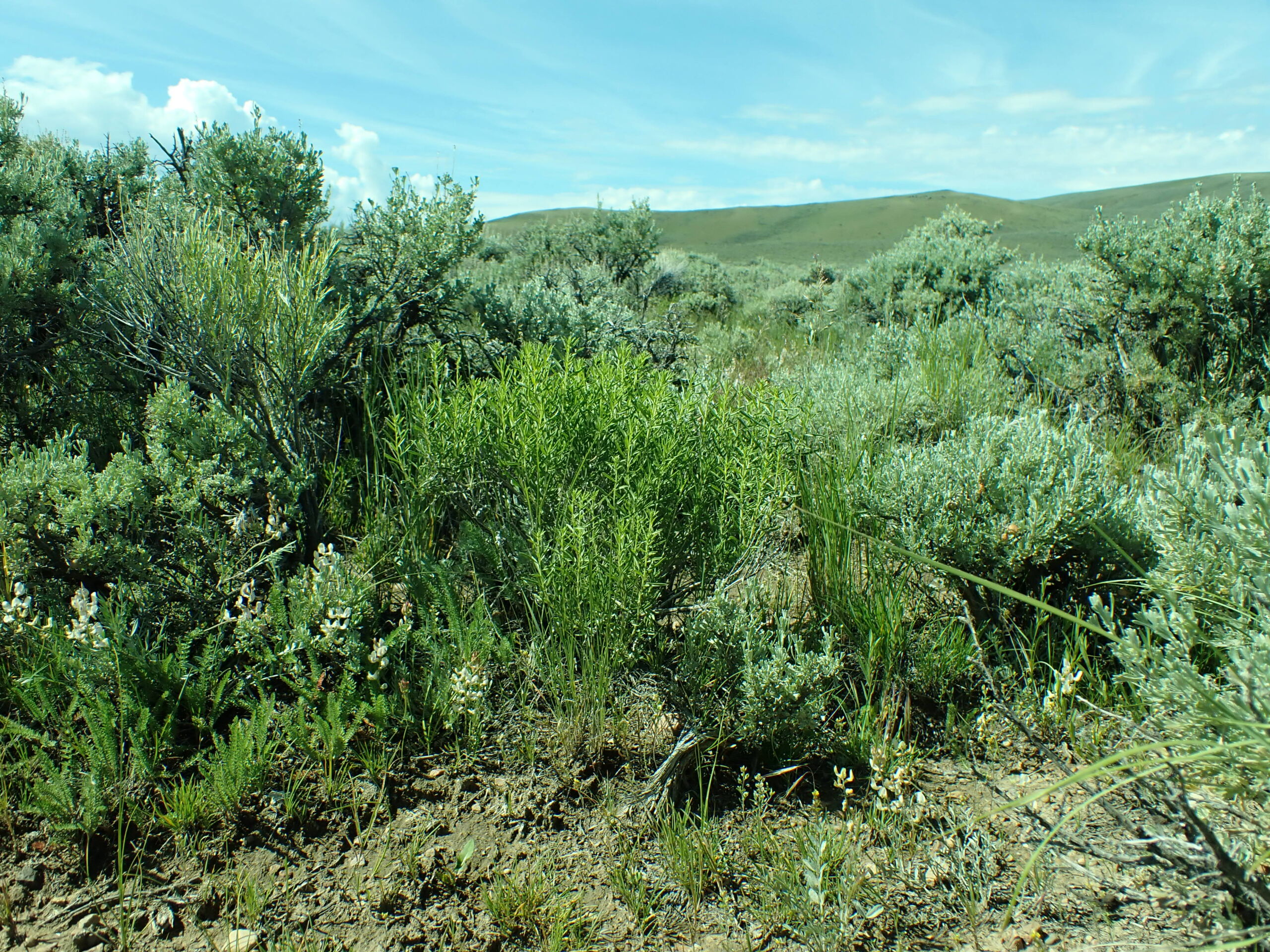
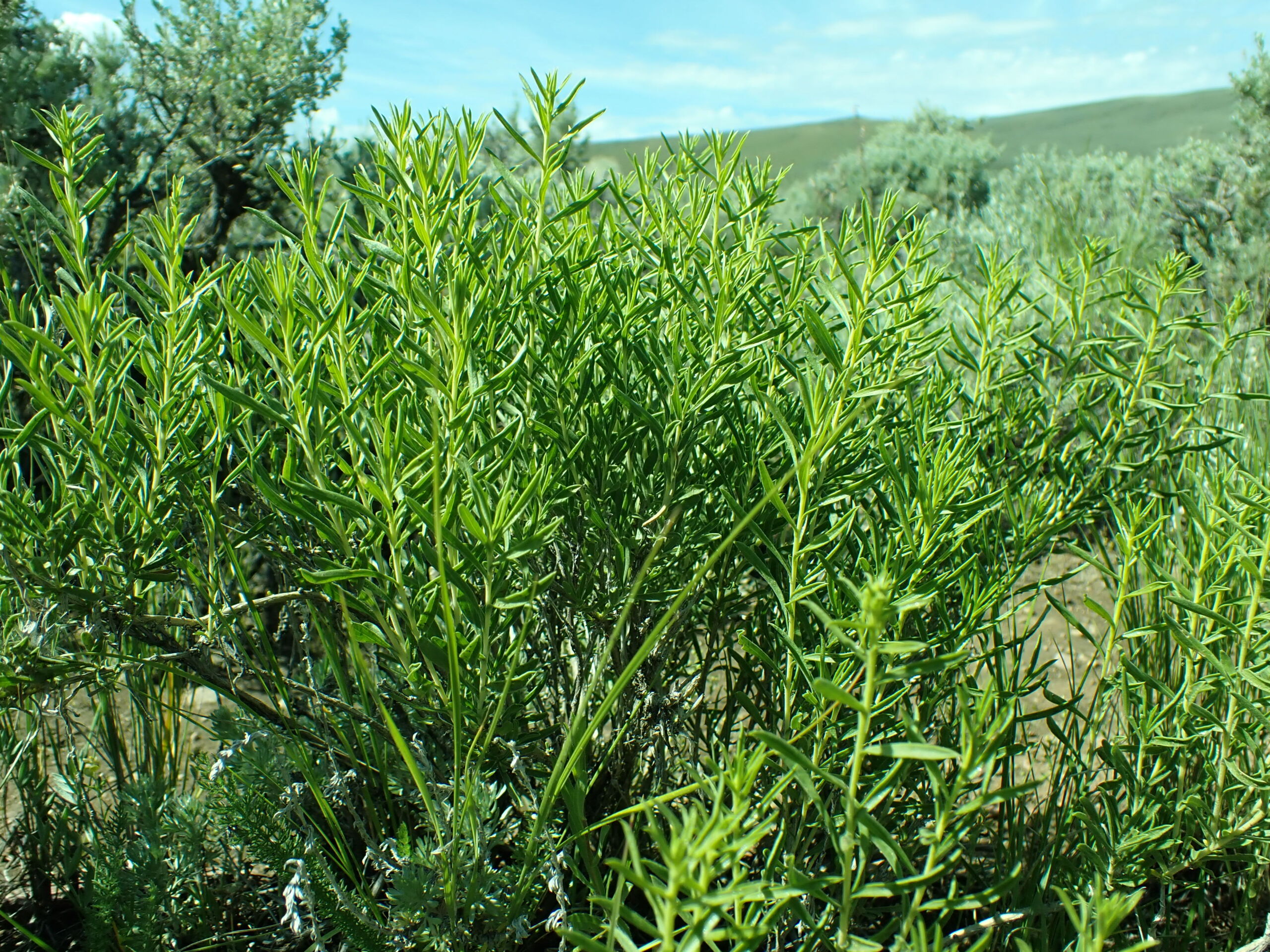
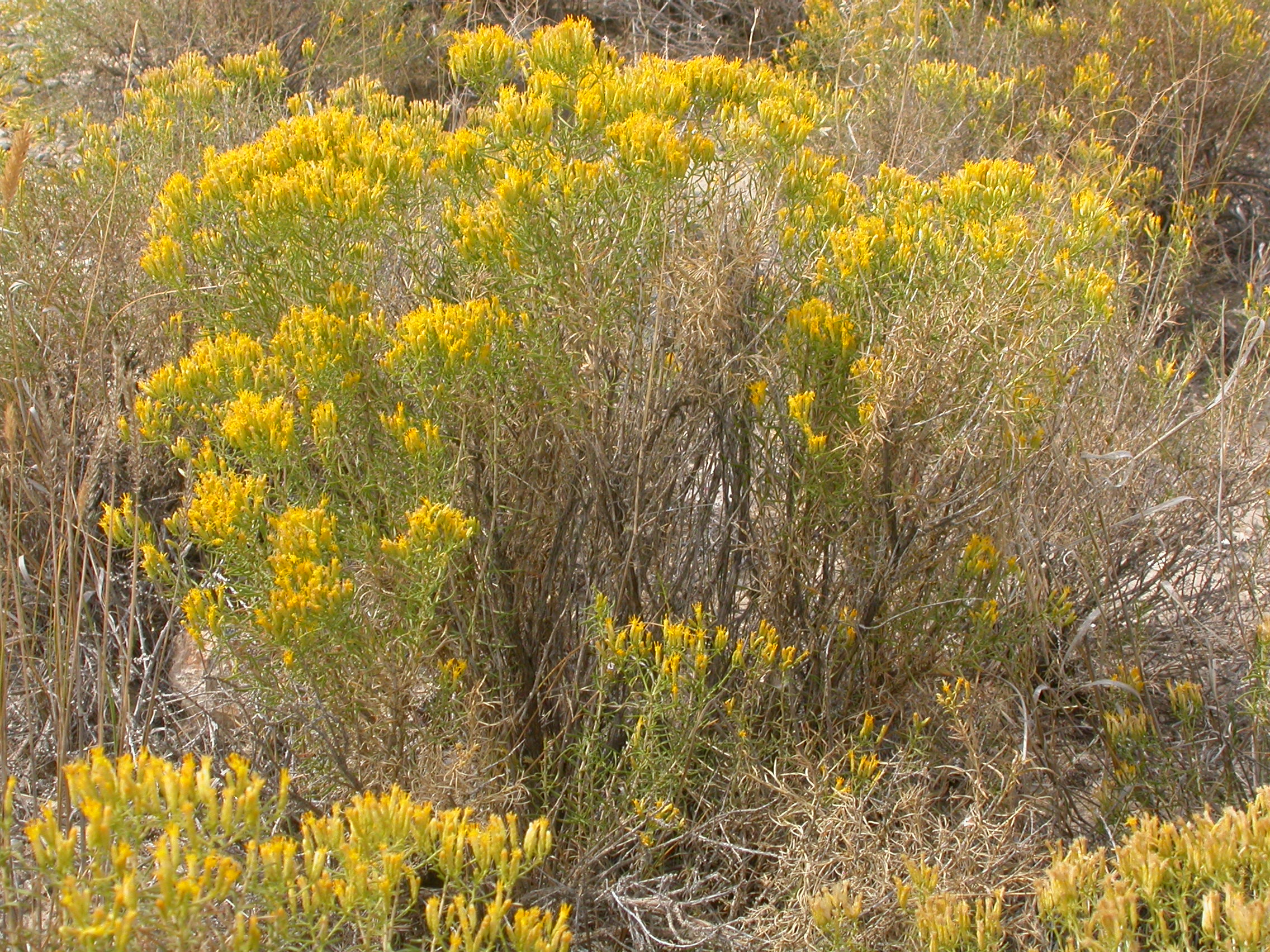
Green rabbitbrush is the rabbitbrush you identify by touching it, and then by looking at it. It is a tough, late-blooming shrub of the aster family, a few feet tall and often a little smaller than its gray cousin, with green — not gray — foliage that feels sticky or resinous to the touch, which is what the species name viscidiflorus is getting at: viscid means sticky, and this shrub wears its resin on its leaves. The flowers are the same late golden-yellow heads as the rest of the group, blooming in late summer and fall when most desert flowers are done, and the combination — green sticky leaves plus gold bloom — is the field mark that separates it from gray rabbitbrush at a glance, without a flower in sight. In the photo titles above it is also called yellow rabbitbrush, a reminder that common names in this group describe the flowers, the foliage, or the mood of the photographer, sometimes all three at once.
The butterfly context for this species is the Sagebrush Checkerspot guide, whose Host plants section says caterpillar hosts are sunflower-family plants of the dry West: green rabbitbrush (Chrysothamnus viscidiflorus), gray rabbitbrush (Ericameria nauseosa), desert yellow fleabane (Erigeron linearis), Mojave aster, and various asters in the genus Dieteria. This guide claims only the green rabbitbrush half of that list — the first species the guide names, and the one that shares the anchor role with gray rabbitbrush across much of the checkerspot’s range. The guide’s own summary says rabbitbrush is the anchor across much of the range, and that anchor has two species in it, which is why this guide and its gray companion guide exist side by side rather than as one blurred rabbitbrush. Do not merge them: a gardener who plants one expecting the other will get the wrong foliage, the wrong feel, and possibly the wrong size, even though both bloom gold.
One plain-text disambiguation, because the rabbitbrush names are a tangle and this species guide must not swallow its relatives. This guide covers Chrysothamnus viscidiflorus only, also called green rabbitbrush and yellow rabbitbrush, and now usually placed as Ericameria viscidiflora in current treatments — the butterfly guide uses the older Chrysothamnus name, and this guide files it under that name with the current name stated openly. Gray rabbitbrush (Ericameria nauseosa, formerly Chrysothamnus nauseosus) is a different species with its own growing guide, and it is not covered here: gray rabbitbrush is the grayer, felted, often larger cousin, and the two are told apart by foliage color and feel, not by flower color, since both bloom gold. The site’s Rabbitbrush genus guide covers Ericameria species as a group and does not replace this species guide. Buy and plant by Latin name, and let this guide be the green one, not a substitute for the genus.
How to grow
Grow green rabbitbrush the way the shrub-steppe grows it: full sun, sharp drainage, and no coddling. Give it full sun and very well-drained soil — sandy, gravelly, or rocky soil is ideal, and heavy clay that stays wet is the one soil it hates — in a spot with room for a shrub a few feet tall and wide, and space plants 3 to 5 feet apart if you are making a drift. Plant in spring or fall from nursery stock, water until established, and then back off: rabbitbrush is a dry-country shrub that wants lean soil and little summer water, and a gardener who waters it like a perennial border will grow soft, leggy stems that flop. Prune lightly in late winter or early spring to keep the shape tidy and remove dead wood, and do not shear it into a ball — a rabbitbrush sheared like a hedge loses the loose, late-blooming form that makes it a pollinator magnet.
The zone question is one this guide gives with the usual qualifier: the rabbitbrush group is listed for zones 3 to 9, varying by species and form, and green rabbitbrush sits inside that range as a cold-hardy, dry-country shrub of the interior West. It is a plant of sagebrush scrub, pinyon-juniper woodlands, dry gulches, washes, canyons, and brushy flats — not of humid gardens, not of wet ground, and not of shade. Florida note, stated plainly rather than hopefully: green rabbitbrush is not a Florida plant. Hot, humid, summer-wet Florida is the opposite of its dry shrub-steppe home, and a Florida gardener who wants late golden bloom should grow a Florida native instead. The Sagebrush Checkerspot’s host list is a description of a western butterfly’s caterpillar food across its range, not a planting list for a subtropical garden, and this guide says so rather than pretending otherwise.
For the dry garden, the honest translation is a xeric native-plant drift — not a row crop, not a border star, and not a plant to water weekly. A patch of green rabbitbrush in dry, sunny, open ground, unsprayed, allowed to bloom late, is a host and nectar stop for the Sagebrush Checkerspot and for a whole desert insect community besides. Do not spray it, because a rabbitbrush patch sprayed in late bloom is a pollinator party emptied of guests, and do not plant it where sticky foliage will brush a walkway — the resin that defines it is also the thing that makes it a poor neighbor to white pants.
Water & feeding
Water, for green rabbitbrush, is a question of establishment and then restraint. Water new plants until they root in, then water sparingly and only in true drought; once established, this shrub is deeply drought-tolerant and expects dry soil between waterings. Overwatering — the classic kind-gardener mistake with desert shrubs — grows soft stems, invites root rot, and shortens the plant’s life. In a container, the rule is the same with less forgiveness: a pot that stays wet is a dead rabbitbrush waiting for its gardener to notice.
Feeding: none, across the board. Green rabbitbrush grows in lean, often alkaline desert soils, and no fertilizer program at all is the right scale of feeding. Ordinary to poor, well-drained soil is plenty, and anything more mostly grows soft growth that flops. The soil science here is the resin story: those sticky, resinous leaves cut water loss and deter chewers, which is how a shrub survives a dry shrub-steppe summer on lean soil — the plant’s resin coat is its irrigation system and its armor in one, and no fertilizer can replace it.
Common problems
- Wet soil. The most predictable problem in this species. Green rabbitbrush wants sharp drainage and rots in soil that stays wet. Drainage matters more than fertility, and a rich, soggy bed is the wrong address.
- Wrong rabbitbrush, wrong tag. Gray rabbitbrush is Ericameria nauseosa. Check the Latin name, and buy by Latin name, not by common name alone.
- Genus hopscotch. This plant appears as Chrysothamnus viscidiflorus in the butterfly guide and as Ericameria viscidiflora in current treatments. The plant is the same; the label is not. Match the species name viscidiflorus or viscidiflora, not just the genus on the tag.
- Yellow rabbitbrush confusion. Yellow rabbitbrush is used for this species in photo titles and sometimes for the group. A tag that says only yellow rabbitbrush, with no Latin name, is a guess wearing a label.
- Spraying the late bloom. The golden flowers that feed checkerspots and a desert insect community are the point of the shrub. Spraying during late bloom empties it of the visitors this guide exists to feed.
- Wrong climate. Green rabbitbrush is a dry interior-West shrub. Humid, summer-wet climates — including all of Florida — are the wrong address, and no amount of care changes that.
Harvest
Green rabbitbrush’s harvest is a late-season harvest, not a food harvest, and this guide says so on purpose: no culinary or medicinal use is claimed here, and a resinous wild shrub is not a plant to experiment on. The harvest is masses of golden flower heads in late summer and fall over sticky green foliage, and, in sagebrush country, Sagebrush Checkerspot caterpillars eating the leaves and adults nectaring the bloom the way the butterfly guide describes — a shrub that is both nursery and nectar bar at the exact moment the desert needs one. Leave most shrubs to flower and seed, prune only lightly in late winter, and let the green rabbitbrush do what it has always done: stand green and sticky through the dry summer, bloom gold when everything else is done, and feed the last insects of the year. That is the crop, and it arrives without a single spray, because spraying it would kill the very thing that makes the patch worth standing in.
The simplest harvest is a late summer afternoon with no agenda at all: a dry wash in bloom, golden rabbitbrush against gray sage, checkerspots and bees working the last flowers of the year, and the knowledge that the shrub beneath you is the green half of a two-species anchor. That is enough, and it is honest.
Browse all plant & pest guides
Saving seeds
Green rabbitbrush seed saving is a race against the plant’s own dispersal system, and the plant usually wins unless you are paying attention. The yellow, button-like flower heads of late summer and fall ripen into small achenes, each with a feathery pappus built for wind travel, and seed ripens from late fall into early winter. The collecting window is the moment the heads turn brown and fluffy but have not yet emptied themselves all over the county. Cut whole stems with seed heads into a paper bag, or strip the heads gently into the bag, and let them finish drying indoors. If you shake a head over the bag and almost nothing comes out, it is not ready; if a light shake rains seed, you are exactly on time, and you should finish the job before the next windy afternoon does it for you.
Cleaning follows the same lazy-but-effective pattern as other aster seed. Dry the heads fully, rub them apart, and winnow away the fluff and chaff, keeping the heavier seed. A home gardener does not need a seed blower — a shallow tray, a gentle breeze, and a willingness to accept a little debris will do. Dry the cleaned seed thoroughly before storage, label it with species and year, and keep it cool, dark, and dry. One reference puts viability for this species at up to about three years in storage, which is a useful planning figure rather than a guarantee: sow fresh seed first, test older seed by sowing extra, and do not hoard it like a retirement fund.
For sowing, shallow is the whole sermon. Sow in fall directly where the plant is to grow, or in pots in spring, barely covering the seed — a light dusting of gritty mix, not a burial — in a sharply draining, sandy mix in full sun or light shade, and keep it moist until germination. A cold period is not strictly necessary for this species, though it can speed germination, and sources disagree on whether to bother: some recommend a short cold spell in the refrigerator before spring sowing, others simply sow in fall and let winter do it, and both approaches have produced plants. Germination often arrives within a couple of weeks in warm conditions and can stretch to a month, and seedlings are best planted out in late spring or early summer after frost. Do not overwater, do not enrich the soil into a swamp, and remember it is a sticky, resinous shrub, so handle seed heads with hands you are willing to wash.
Seed-grown plants will be green rabbitbrush, with the normal variation of a wild, variable species — different forms vary in leaf shape and size, and no named garden variety is claimed here, so do not expect uniform nursery clones. Cuttings of half-ripe wood in summer are the route to an exact copy. And a stewardship note, because this shrub earns it: green rabbitbrush is an early-successional native that increases after disturbance and overgrazing in its home range, which makes it a restorer of bare ground and, in the wrong spot, a plant that will happily take over a neglected corner. Sow it where a tough, golden, late-season native belongs, not as a scatter-and-forget weed, and in Florida — where it is out of its dry home range — treat it as a guide plant and a seed-science lesson, dried thoroughly and stored airtight against the humidity, rather than a plant to force into a wet garden.
Species
Green rabbitbrush (Chrysothamnus viscidiflorus, now usually Ericameria viscidiflora; also called yellow rabbitbrush) is the species this guide covers, and it is listed here for completeness alongside its relatives, in plain text, with the naming warning repeated because it matters. Gray rabbitbrush (Ericameria nauseosa, formerly Chrysothamnus nauseosus) is a different species with its own growing guide, and it is not covered here. The site’s Rabbitbrush genus guide covers Ericameria species as a group and does not replace this species guide. No named garden varieties of the wild species were verified, and none is claimed here. This guide covers Chrysothamnus viscidiflorus only.