
🌻 Giant Sunflower
What it looks like
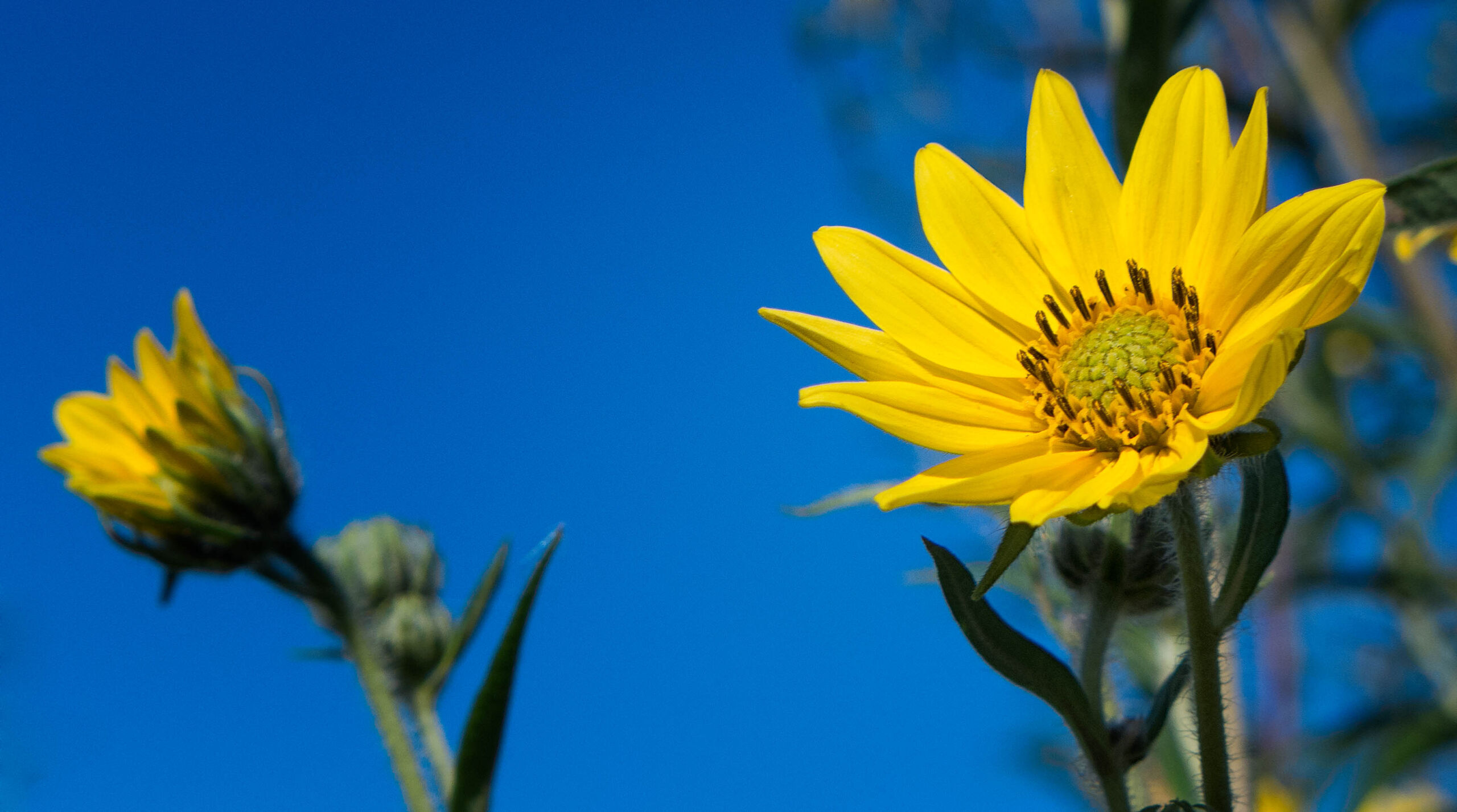
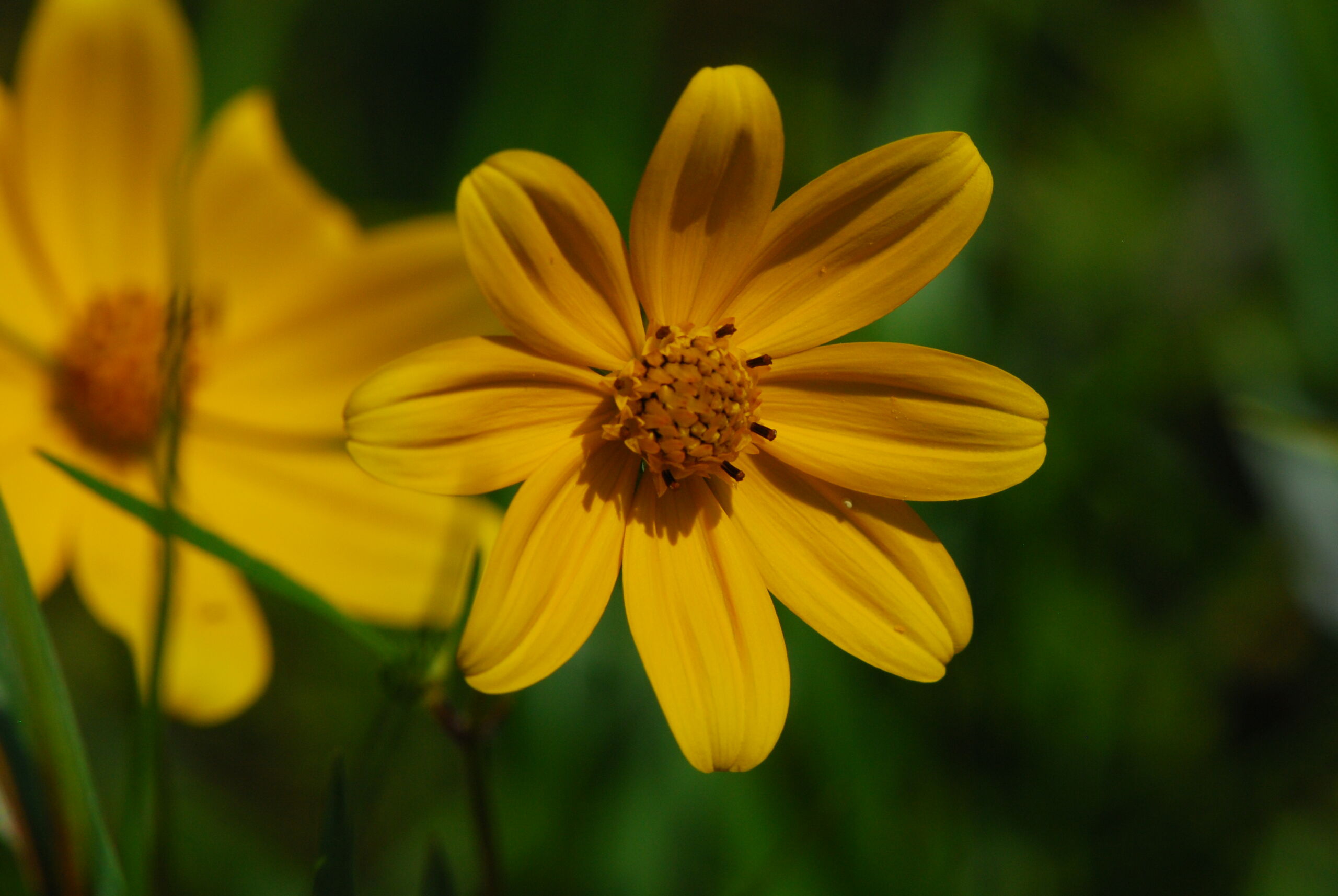
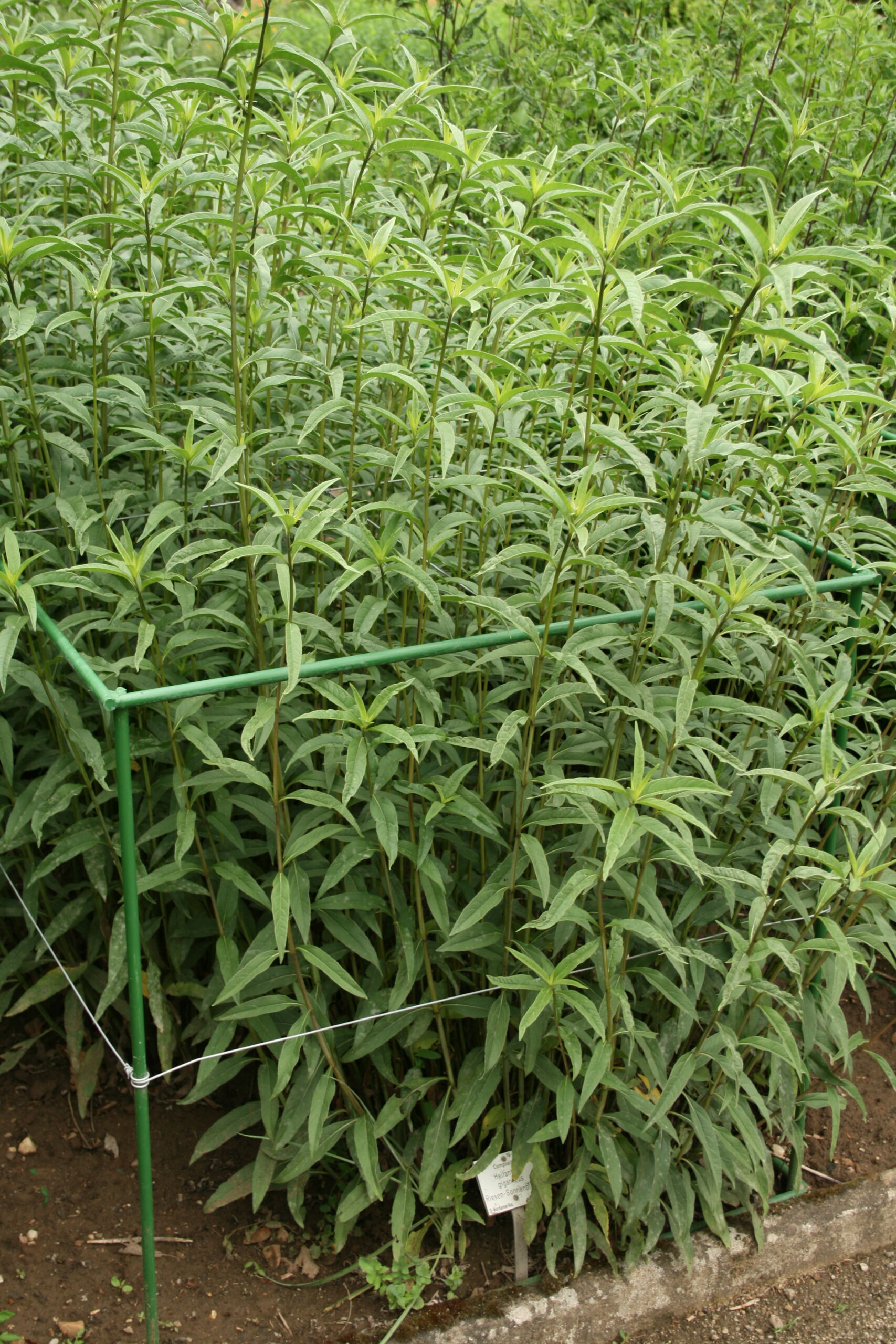
Giant sunflower earns its name the honest way: by being enormous. It is a tall perennial, commonly six to ten feet and sometimes more, with a stout, upright stem that rises from wet ground like a flagpole and branches near the top into a spray of yellow heads. The leaves are narrow and lance-shaped, often alternate on the upper stem, rough to the touch, and they taper to a point — a narrower leaf than the broad heart-shaped leaves of the garden annual, which is one of the quickest ways to tell this wild giant from its domestic cousin.
The flowers are sunflower-yellow and generous: heads a few inches across, with bright ray florets around a darker disk, opening in late summer into fall — later than many sunflowers, which is part of its value. It grows where other sunflowers would drown: marsh edges, wet meadows, stream banks, and boggy ground across eastern North America, from Canada south into the Southeast. A stand of giant sunflower in September, ten feet of yellow over wet grass, is one of the great sights of the eastern wetland edge, and it is visible from a satisfyingly long way away.
The butterfly context is the Gorgone Checkerspot guide, whose Host plants section names “giant sunflower Helianthus giganteus in central Georgia” among the sunflowers its caterpillars eat. This guide covers Helianthus giganteus only. Woodland sunflower, prairie sunflower, and the genus-level sunflowers have their own guides in this series, and none is covered here. Giant ragweed, Iva, and Viguiera, the other hosts in that list, are different plants and none is covered here.
One plain-text disambiguation, because the sunflower names are a thicket and this one has a name collision. This guide covers Helianthus giganteus only, also called giant sunflower and tall sunflower. “Swamp sunflower” is used for this species in some sources — including one photo caption in this guide — but it is also the common name of Helianthus angustifolius, a different, narrower-leaved southeastern species with its own Academy profile, and the two must not be confused. Common sunflower (Helianthus annuus) is a different, annual species with its own growing guide, and it is not covered here. The site’s Sunflowers genus guide covers Helianthus as a genus, and it is not this species guide. Buy and plant by Latin name.
How to grow
Giant sunflower is a plant for the wet corner — the rain garden, the stream bank, the low spot where the lawn stays soggy and everything else rots. Plant nursery plants in spring in full sun in moist to wet soil, give each plant two to three feet of room, and stand back: in good wet ground it will reach its full height in a single season, and it will come back every year from its rhizomatous roots, spreading into a colony. It tolerates standing moisture that would kill most perennials, and it is one of the few tall flowers that genuinely prefers the wet end of the garden.
It needs sun and space more than it needs care. Stake only if your site is exposed to wind — a ten-foot stem with a sail of leaves on top is a lever, and autumn storms know it. Cut stems back hard in late winter, divide congested clumps in spring, and do not plant it in a small border unless you enjoy being shaded by your flowers. In a dry bed it will sulk, stay short, and bloom sparsely, which is the plant telling you, politely, that you planted a wetland species in a desert.
Florida note, stated plainly rather than hopefully. Giant sunflower is an eastern temperate wetland plant, and while its range reaches the Southeast, it is not a plant built for a hot, humid, summer-long Florida garden — it wants a temperate winter and a wetland edge, not a subtropical summer. A Florida gardener who wants a native sunflower for wet ground should look to swamp sunflower (Helianthus angustifolius), the site’s Academy-profiled Florida native, instead. The Gorgone Checkerspot’s central-Georgia giant-sunflower record is a temperate story, not a Florida planting list, and this guide says so rather than pretending otherwise.
For the garden, the honest translation is a tall yellow screen for wet ground. Plant it at the back of a rain garden, along a pond edge, or as a summer screen where the soil stays moist, let it tower, and let the checkerspots, bees, and goldfinches do what they do. It is not a plant for the front of the border — it is a plant for the back, where height is a gift and the view over the fence is improved by ten feet of yellow.
Water & feeding
Water giant sunflower the way its habitat waters it: generously. It prefers moist to wet soil and tolerates seasonal standing water; in a rain garden or pond edge it largely waters itself. In a merely average border it will need regular watering through dry spells, and in a dry bed it will stay short and bloom poorly. Mulch thickly to hold moisture, and do not let a new planting dry out in its first summer — the roots are still shallow, and a dry August can set it back a year.
Feeding: modest. Wetland soil is usually rich enough on its own, and a little compost at planting is plenty. Heavy nitrogen fertilizer produces taller, weaker stems that fall over in the first storm — and at ten feet, a fallen giant sunflower is a cleanup project, not a disappointment. The soil science here is the wetland bargain: the plant spends its energy on height because in a marsh, height is light — the tallest stem gets the sun, the pollinators see it first, and the seeds rain down on open, wet ground where the next generation can start without competition.
Common problems
- Dry soil. The commonest failure. A wetland species in a dry bed stays short and blooms sparsely. Plant it wet, or do not plant it.
- Windthrow. Ten feet of stem plus a sail of leaves equals a lever. Plant in a sheltered spot or stake before the autumn storms, not after.
- Running. Rhizomes spread into colonies. Divide clumps every few years, or plant where a colony is welcome.
- Wrong sunflower, wrong tag. Swamp sunflower (Helianthus angustifolius) shares a common name and is a different species. Check the Latin name: giganteus, not angustifolius.
- Spraying the host patch. Checkerspot caterpillars eat the leaves. Spraying a sunflower patch for insects empties it of the very thing this guide exists to feed.
Harvest
Giant sunflower’s harvest is height and seed: stems for autumn arrangements that need something truly tall, divisions in spring for new wet corners, and seeds for the birds if you leave the heads standing. The simplest harvest is a September afternoon with no agenda: ten feet of yellow over wet grass, goldfinches working the heads, a checkerspot flickering over the leaves, and the knowledge that the wettest corner of the garden is also the tallest.
Saving seeds
Giant sunflower is a perennial with a rhizomatous rootstock, which means you get two legitimate ways to multiply it: seed, and division. Division is the fast, faithful route. In spring, as new shoots emerge, or in autumn after the top growth dies back, dig up a clump and split it with a fork or a sharp spade, making sure each piece carries a chunk of rhizome, some roots, and at least one growing point. Bigger pieces can go straight into their permanent spots; smaller ones do better potted up and grown on until they are rooting strongly, then planted out in spring. Water them in well and keep them moist until established. Divisions are clones, so what you split is exactly what you get — same towering stems, same late-season flowers — and dividing every few years also keeps an old clump vigorous instead of letting its center go tired and hollow.
Seed is the slower, cheaper, more adventurous route. The seeds ripen in fall, once the petals have fallen and the heads have dried down; cut the heads, rub the seeds out over a tray, and winnow off the chaff. Dry them thoroughly indoors — spread thin with good airflow for at least a week, longer in Florida humidity — and do not store anything that still bends instead of snapping. Then seal the plump, full seeds in a labeled, airtight container with a desiccant packet and keep it cool and dark. Florida humidity is the quiet saboteur of every seed jar in the state: seed that goes in merely damp will mold, and seed stored in a leaky container will quietly drink August air all summer, so dry hard and seal tight.
Sow in spring, either in a cold frame or directly where the plants are to grow, shallowly covered and kept moist until germination, which usually takes a week or three in warm soil. Seed from a straight species plant will generally come true to type, especially if no other sunflowers were flowering nearby, but remember that sunflowers are insect-pollinated outcrossers: bees carry pollen between species, and a mixed sunflower border can produce seedlings that wander from the parent. Named cultivars are the exception to the seed rule — a cultivar grown from seed may not repeat its named traits, and division is the only way to keep it exact. If you want more giant sunflowers and you do not care about exactness, seed is gloriously easy. If you want this exact plant, divide it and skip the lottery.
Species
Giant sunflower (Helianthus giganteus, also called tall sunflower and, in some sources, swamp sunflower) is the species this guide covers. Swamp sunflower in the strict sense (Helianthus angustifolius) is a different species with its own Academy profile, and it is not covered here. Common sunflower (Helianthus annuus), woodland sunflower (Helianthus divaricatus), and prairie sunflower (Helianthus petiolaris) are different species with their own guides, and none is covered here. The site’s Sunflowers genus guide covers Helianthus as a genus, and it is not this species guide. No named garden varieties of the wild species were verified, and none is claimed here. This guide covers Helianthus giganteus only.