
🌿 Iva Xanthifolia
What it looks like
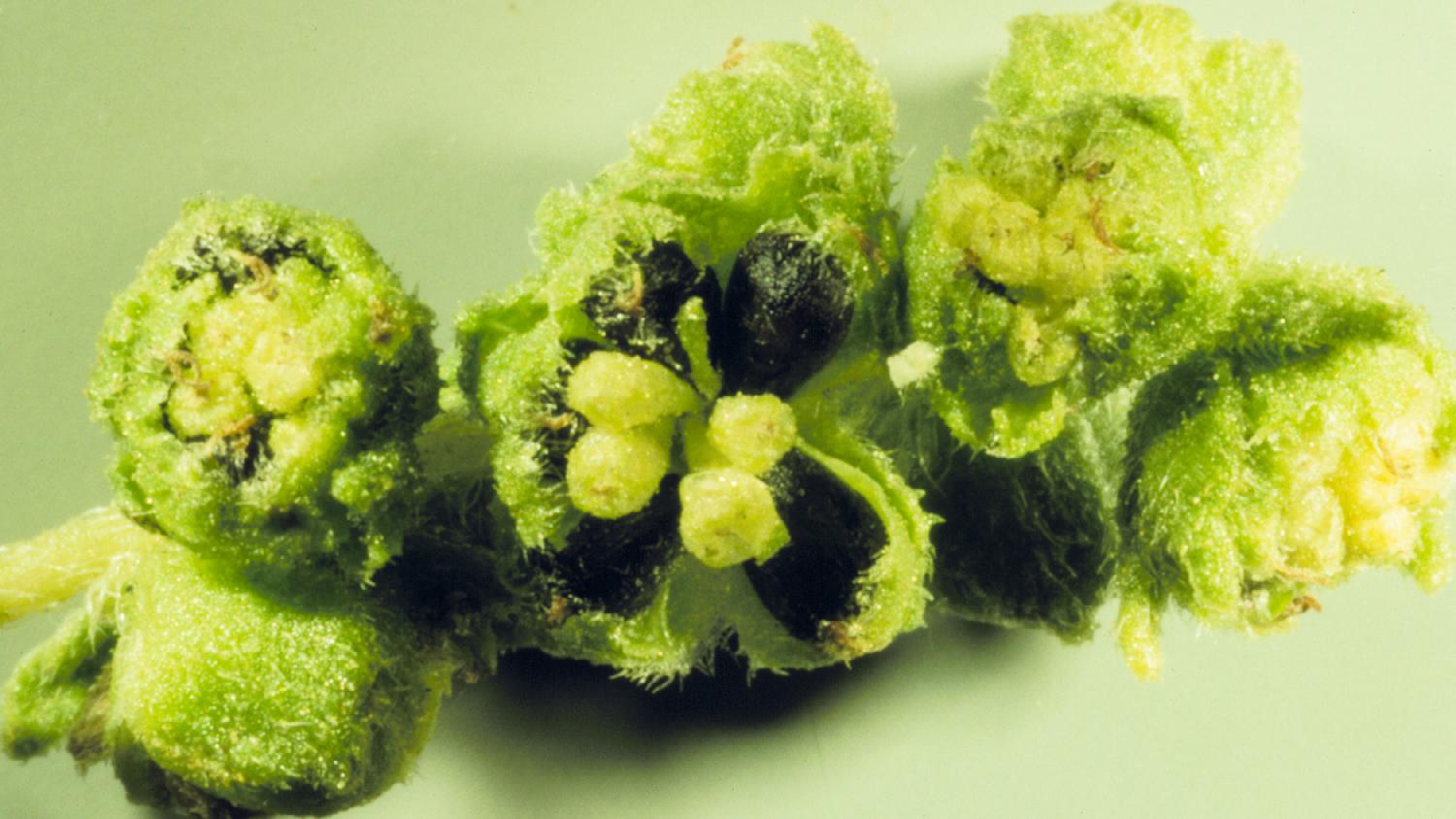
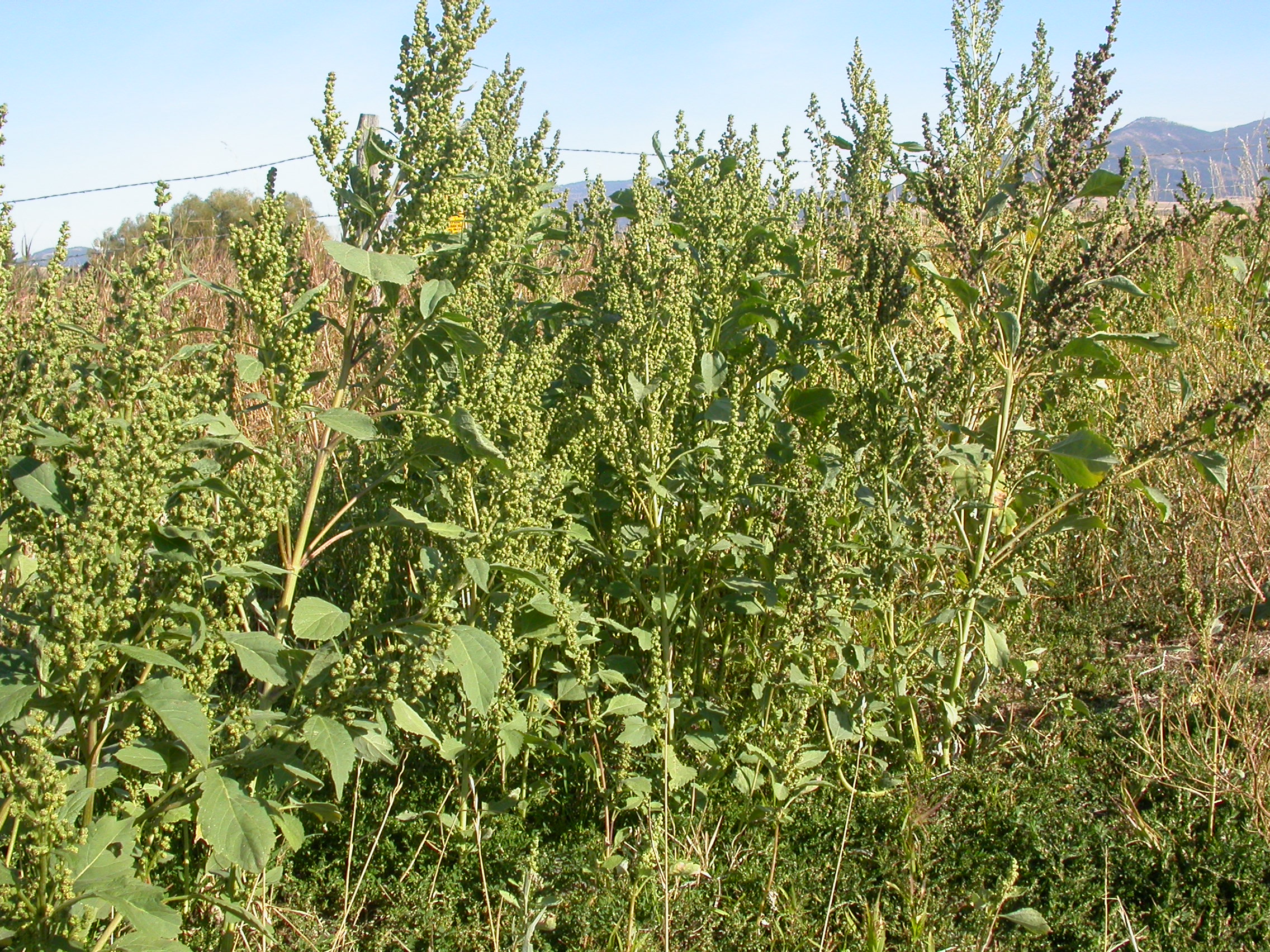
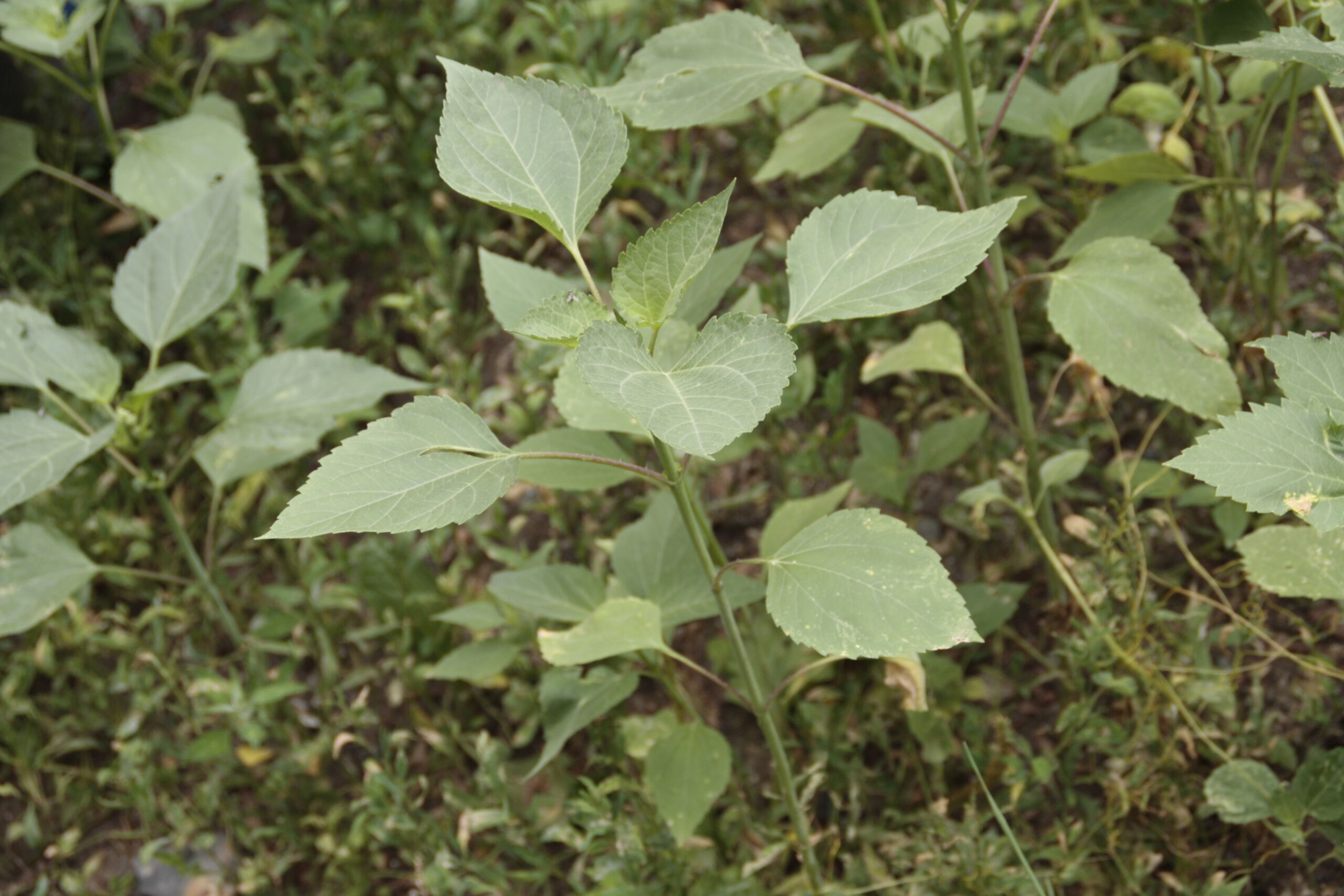
Giant sumpweed is a coarse annual herb, roughly eighteen inches to six feet tall in most accounts, with stout, erect, branched stems, and that height range is not a mistake, it is the plant answering good soil with height and poor soil with modesty. The leaves are long-stalked, ovate to deltoid, coarsely toothed, five to twenty centimeters long, mostly opposite below and sometimes alternate above, with a rough, hairy texture. The flowers are the opposite of showy: small, greenish-white, inconspicuous, in numerous branched, axillary racemes, with tiny involucres and a handful of florets each, and the fruit is a small achene, two to three millimeters long. This is a plant that puts its energy into seed, not into beauty, and a field of it in late summer looks like a crowd of green poles that forgot to flower.
The butterfly context is the Gorgone Checkerspot guide, which lists Iva xanthifolia among its sunflower-family hosts, alongside sunflowers, giant ragweed, and Viguiera multiflora, with sunflowers as the anchor across the range and the rest as regional variations. This guide claims that one regional host, and no other. Giant ragweed is a different species with its own guide, sunflowers are a genus with their own guides, and Viguiera is a different genus. The Gorgone’s caterpillars feed in groups when young and individually when mature, skeletonizing sunflower-family leaves from the underside, and a sunflower with a cluster of black-and-orange spiny caterpillars is very likely hosting Gorgones, or Silvery Checkerspots, which share the habit and the hosts.
How to grow
Here is the honest growing section for a weed: mostly, you do not grow it, you recognize it and you manage it. In the wild, giant sumpweed grows in moist, rich soil, in open areas, fields, streamsides, and disturbed ground across central and western North America, and it has been introduced and semi-naturalized in parts of Europe and western Asia, where it is invasive in disturbed habitats. It is an annual that reproduces by seed, germinates in spring, grows fast through summer, and flowers in late summer into fall, when its pollen joins the ragweed season and extends the misery for sensitized people. Its leaves can cause dermatitis in some people, and its pollen can cause autumn hay fever, and cows that eat it can give bitter-tasting milk, which is a trio of reasons not to invite it into a garden.
If it appears in your ground, the management is the same as for other weedy annuals: pull it before it sets seed, do not compost seeding plants, and do not let it stand through fall if you or your neighbors suffer from ragweed-family pollen. Do not plant it deliberately for butterflies, because the Gorgone’s anchor host is sunflower, and a garden of sunflowers feeds the same caterpillars without the hay-fever bill. A wild patch left standing in a field edge is a different matter from a planted patch in a yard, and this guide draws that line plainly: wild plants are habitat, planted weeds are a choice, and this is a choice not to make.
Water & feeding
Giant sumpweed prefers moist, rich soil, and it grows tallest where water and nutrients are plentiful, which is why it is commonest on stream banks, field edges, and disturbed ground that holds moisture. In a garden, that preference is a warning, not a recipe: a well-watered, well-fed bed is exactly where a sumpweed seed will become a six-foot plant. Feeding it is never the advice, and watering it is never the advice, because the plant’s whole strategy is to take available water and nutrients and turn them into seed as fast as possible. The soil science that matters is the family story: sumpweed sits in the sunflower family, in the ragweed tribe, sharing allergen groups with short ragweed, which is why its pollen season overlaps ragweed season and why a plant that looks unremarkable can dominate an allergy forecast.
Common problems
- Hay-fever pollen. Wind-pollinated, copious pollen, August through October, overlapping ragweed season. Do not let it stand to flower near homes.
- Dermatitis. Leaves can cause dermatitis in some people. Wear gloves when pulling it, and wash after handling.
- Seed bank. An annual that reproduces by seed alone, and it makes a lot of seed. Pull before seed sets, or you will meet it again next year, in greater numbers.
- Wrong sumpweed, wrong ragweed. Giant ragweed (Ambrosia trifida) is a much larger plant with large three-lobed leaves, and short ragweed (Ambrosia artemisiifolia) is a different species. Giant sumpweed has ovate, toothed leaves and is a different genus, whatever the common names suggest.
Harvest
There is no harvest for giant sumpweed in this guide, and that is a deliberate omission, not an oversight. It is not a food plant, not a tea plant, and not a cut flower, and the traditional uses that appear in some accounts are not a home recommendation for a plant whose pollen is a known allergen and whose leaves irritate skin. The harvest, if you insist on one, is a field edge cleared of a weed before it seeds, and a Gorgone checkerspot caterpillar that found a sunflower instead. That is a better trade than any sumpweed recipe, and it is the trade this guide recommends.
Browse all plant & pest guides
Saving seeds
Here is the deal with giant marsh elder, and it starts with a sneeze. Iva xanthifolia is a wind-pollinated aster-family weed whose pollen rivals ragweed as a fall allergen across the central and eastern United States, blooming roughly August through October, and its small dark seeds self-sow readily. It is also a native North American plant with real wildlife value — birds nest in it and quail eat its seeds — and its seeds were historically grown as a grain crop. So this section is seed-saving with a leash on, not a celebration and not a ban: the method is here, and so are the rules for keeping it from becoming your neighborhood’s least favorite plant.
Collect seed in fall when the heads have dried and the small dark seeds pull free easily. Bag the heads before you strip them — the seed is light and the whole point is controlling where it goes — and clean it by rubbing and winnowing away chaff. Dry the seed thoroughly before storage; in Florida humidity that means spread thin on paper until fully dry, then into a labeled envelope or an airtight jar with a desiccant packet, cool and dark. Seed stored dry and cool generally keeps for a few years, though fresh seed germinates most readily.
Sow in spring in moist, average soil in full sun, barely covered, or fall-sow and let winter stratify it naturally. Marsh elder seed is not demanding about pretreatment — fall sowing or a few weeks of cold-moist chilling both work — and germination arrives over a few weeks in warm, moist conditions. Thin ruthlessly; a single plant can reach six feet or more and throw a lot of pollen, so one plant is plenty for seed purposes and a thicket is a pollen factory.
Now the leash. Do not plant marsh elder near homes where allergy sufferers live, near schools, or anywhere its fall pollen cloud will be unwelcome — and if you or your neighbors have ragweed-type allergies, assume this plant will add to the misery, since the two seasons overlap almost exactly. Deadhead by default: cut heads before they mature unless you are deliberately saving seed, bag-and-trash any heads you remove for control (do not compost them, since the seed survives a casual pile), and never scatter or casually share seed. Grow it, if you grow it, as a contained curiosity or a wildlife patch far from the house, not as a border plant. A native plant with a 4,000-year history as a crop deserves respect, and respect here means keeping its pollen and its progeny where you put them.
Species
Giant sumpweed (Iva xanthifolia, now usually Cyclachaena xanthiifolia, also called giant marshelder, rag sumpweed, burweed marsh elder, and carelessweed) is the species this guide covers, filed under the butterfly guide’s name and spelling. Giant ragweed (Ambrosia trifida) and short ragweed (Ambrosia artemisiifolia) are different species in a related genus, and neither is covered here. Other Iva species are not covered here. This guide covers Iva xanthifolia only, as a wild host plant to recognize and manage, not to plant.