
🫘 The Sutton Fava Bean
What it looks like
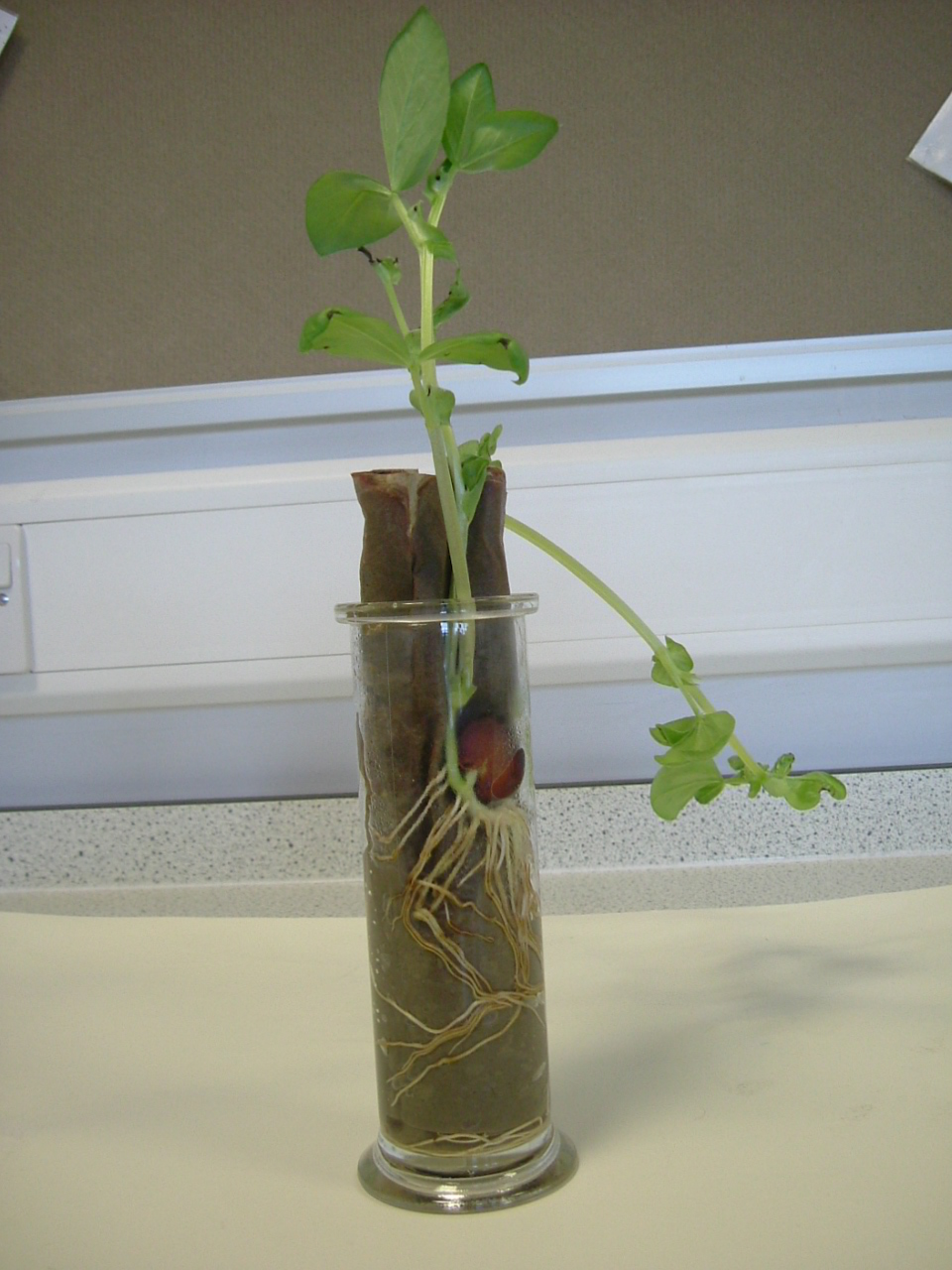
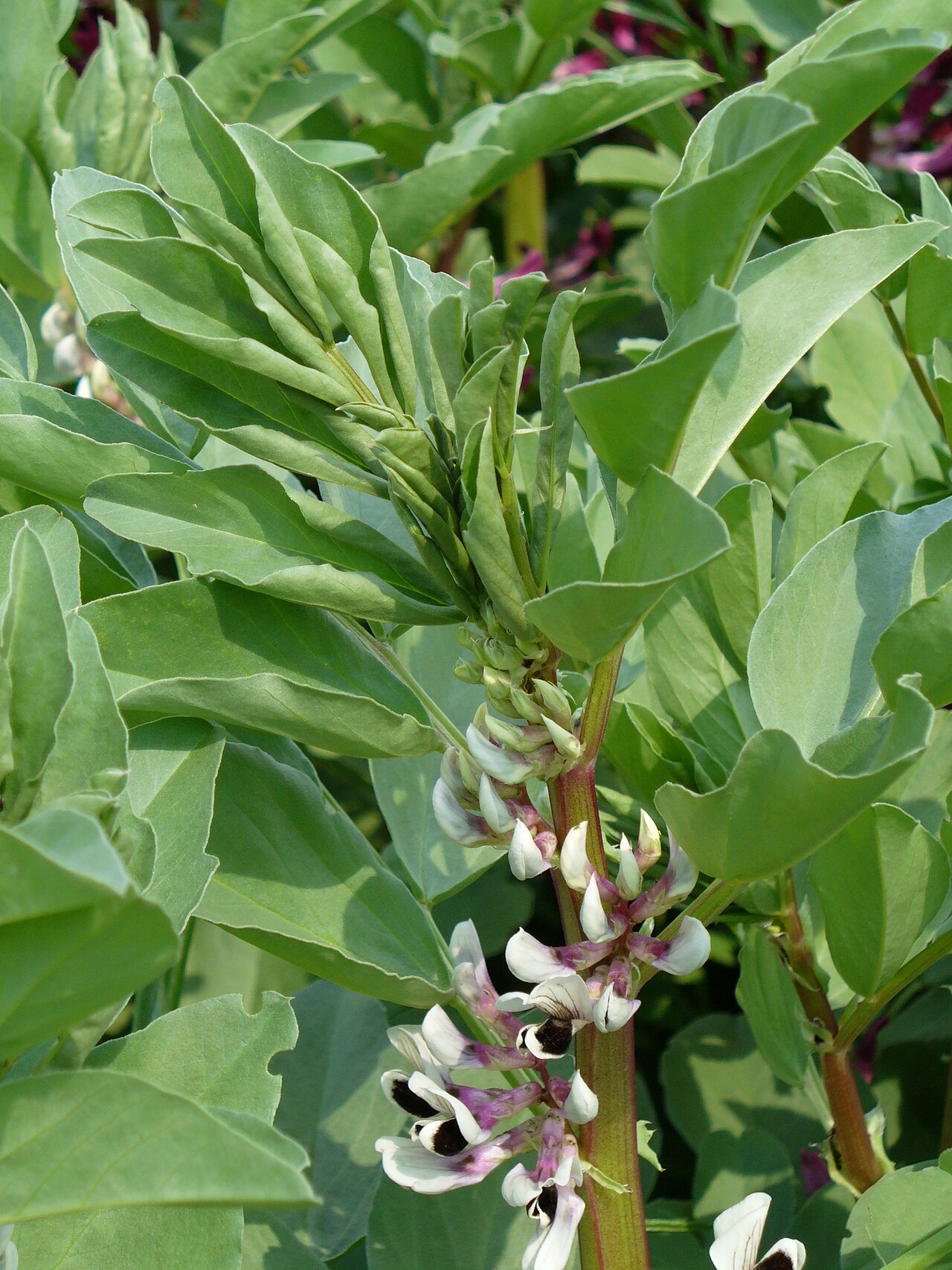
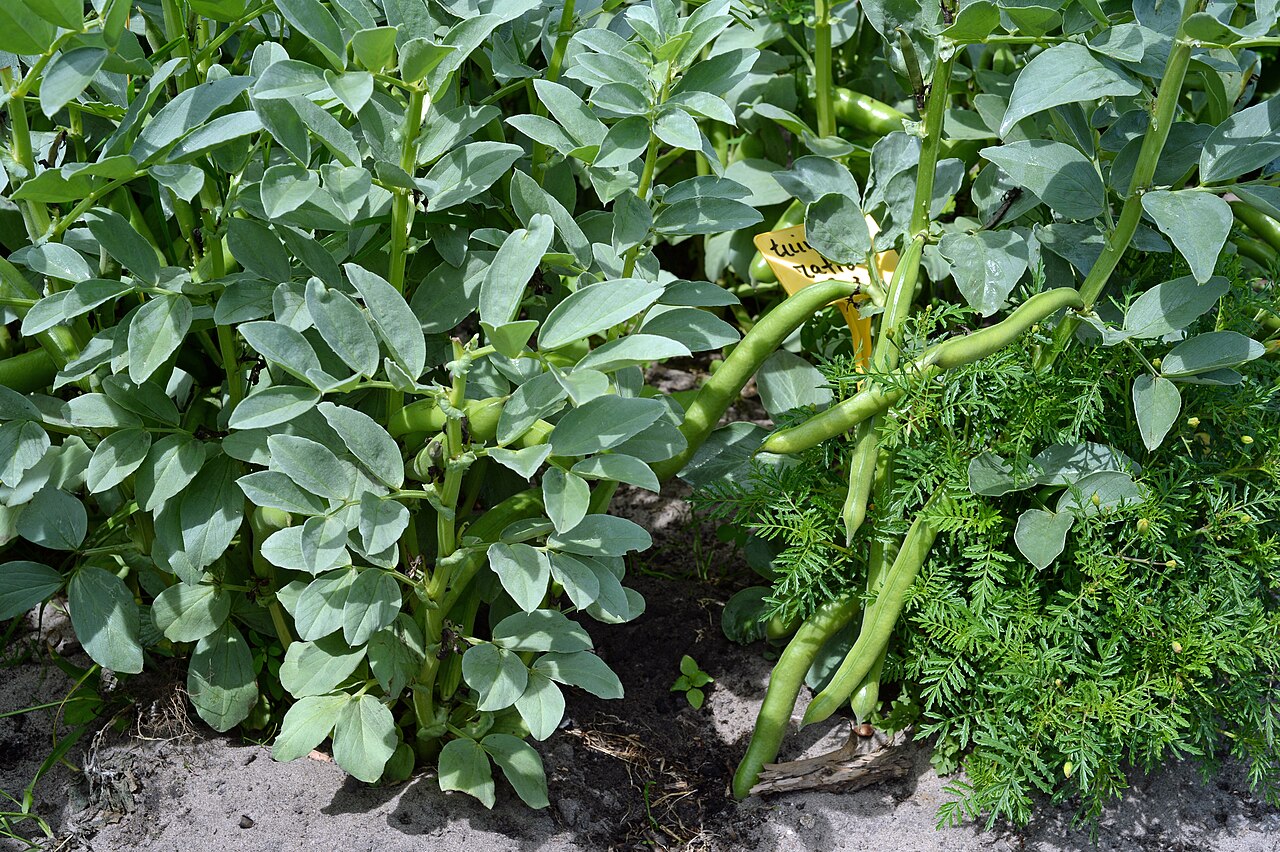
No verified photo of ‘The Sutton’ itself was found, so the pictures below show the species — the same plant, photographed generally.
Why this variety
The Sutton is the fava bean for gardeners who looked at a four-foot broad bean plant and thought: lovely, but where would I put it? At 12-14 inches tall, it is a true dwarf — great for limited space, containers, and windy spots where tall favas would lodge — and it still produces small, green, tender, tasty beans in real quantity. It even won recognition from the Royal Horticultural Society, which does not hand out praise to small plants lightly.
In Florida, The Sutton’s size is a genuine advantage, not just a novelty. Favas are cool-season plants that stop setting pods when summer heat arrives, so the whole game is getting pods filled before the heat. A dwarf plant in a pot can be tucked into the coolest, most sheltered corner you have, and a container at least five gallons with good drainage will hold it happily. Small plant, serious bean.
If you have not grown the species before, start with the Fava Bean growing guide for the general picture, then come back here for what makes this variety different.
How to grow
Sow The Sutton in fall or late winter in Florida — favas are a cool-season crop, and the Florida window is the cool half of the year. Sow seeds 1-2 inches deep, 4-6 inches apart in rows 18 inches apart, in full sun. The dwarf habit means no staking in most situations, though a windy site still appreciates a little support.
Work worm castings into the bed at planting; castings carry a low burn risk and support the long cool-season growth without forcing soft, aphid-prone shoots. As a legume, The Sutton fixes nitrogen, so skip nitrogen fertilizer — and when you are done, dig the plants in: a bed of favas dug in after harvest leaves nitrogen for the next planting.
Water & feeding
About an inch a week, especially during flowering and pod-fill — drought means small, tough beans. Water at the base and keep the soil evenly moist without waterlogging; favas in wet feet rot, and favas in dry soil sulk. Mulch holds moisture through dry spells.
Common problems
- Black bean aphids on shoot tips — pinch tips early once pods have set (this also deters aphids and pushes energy into pods), blast with water, encourage ladybugs.
- Chocolate spot (brown blotches on leaves) in wet weather — improve airflow, space plants, avoid working wet plants.
- Rust in humid conditions — rotate beds and remove affected leaves.
- Poor pod set in heat — the Florida deadline. Sow early enough that pods fill before summer heat arrives; a late sowing is the usual cause.
Harvest
Pick pods when they feel plump and the beans inside are clearly swollen, but while pods are still green and flexible, about 80-90 days from sowing. Shell, then decide: young beans can be cooked and eaten with minimal fuss, while mature beans are usually blanched and slipped out of their tough skins for the tender inner bean. One caution worth knowing, from the species guide: a small number of people with G6PD deficiency (favism) can have a serious reaction to fava beans, so mention it when sharing a harvest.
Browse all plant & pest guides
Saving seeds
The Sutton is the fava bean for gardeners who looked at a four-foot broad bean plant and thought: lovely, but where would I put it? At 12–14 inches tall, it is a true dwarf — great for limited space, containers, and windy spots where tall favas would lodge — and it still produces small, green, tender, tasty beans in real quantity, winning recognition from the Royal Horticultural Society, which does not hand out praise to small plants lightly. It is an English variety from around 1950, and fava beans are largely self-pollinating legumes with no F1 hybrid seed in the trade, so saved seed comes true — dried beans can simply be reserved for planting the next year’s crop. The one caution is bees: favas do get insect visitors, so keep seed plants isolated from other fava varieties in flower if purity matters. The full method is in the Saving seeds section of the Fava Bean guide.