
🫘 Sweet Lorane Fava Bean
What it looks like
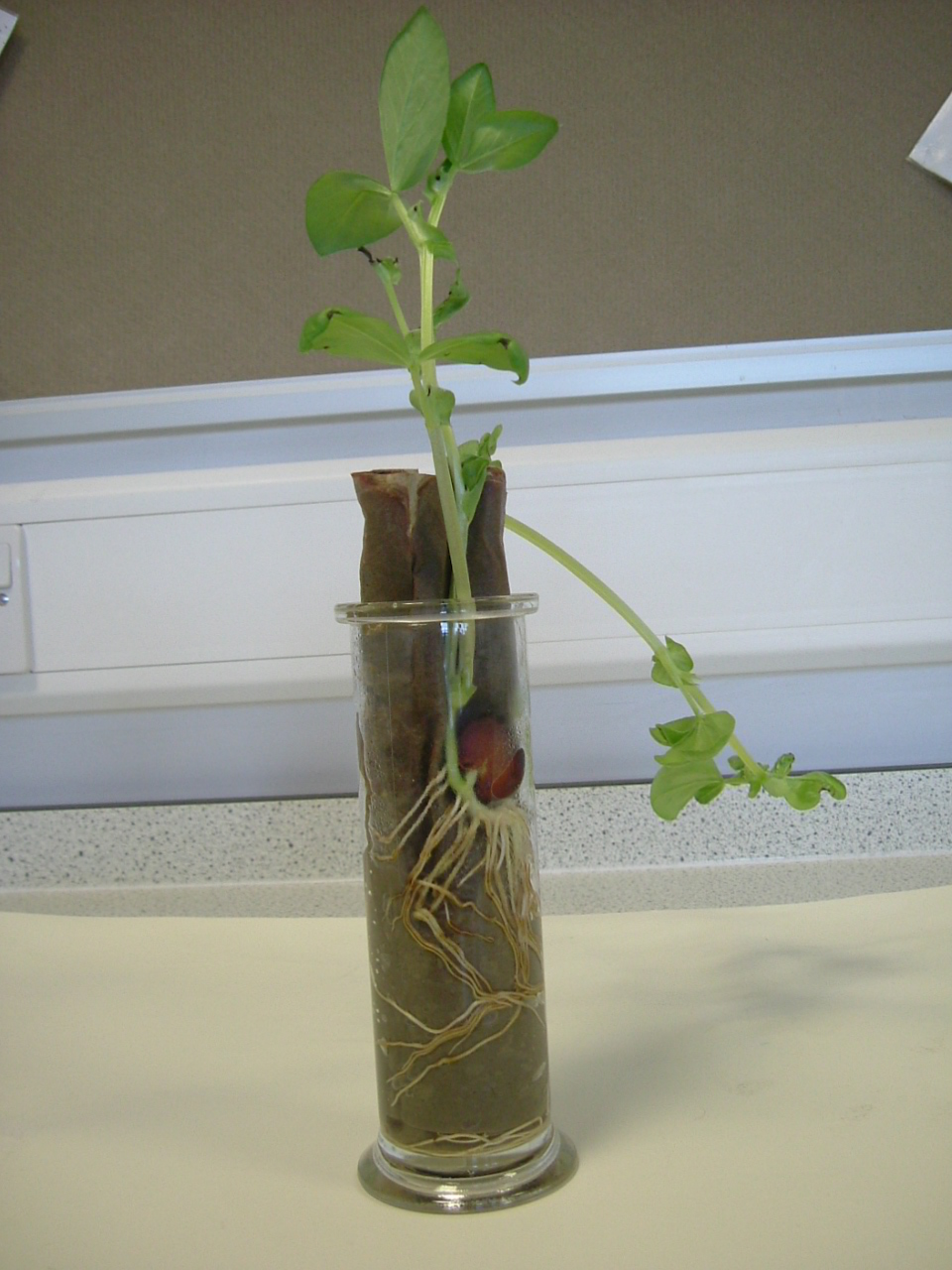
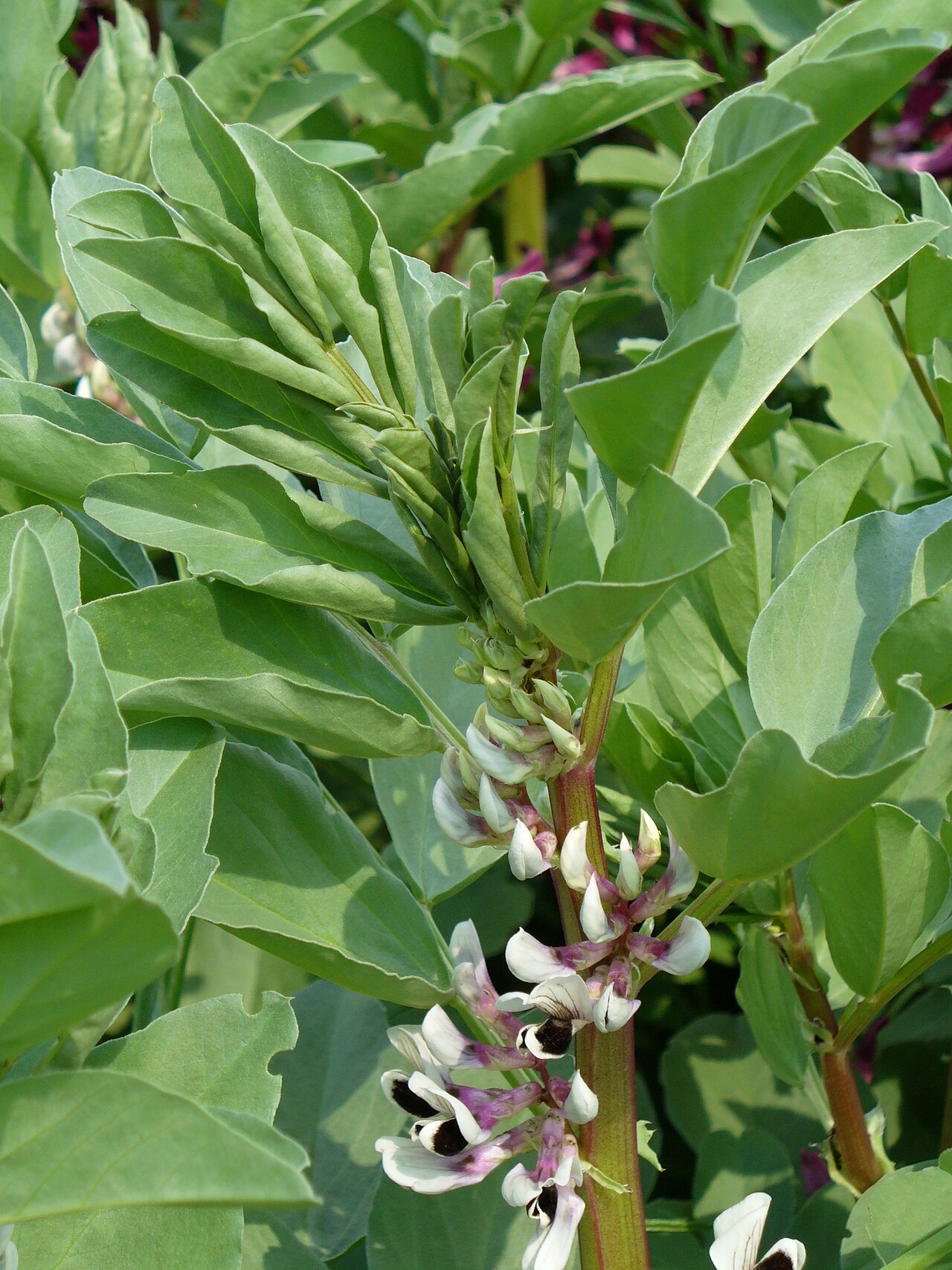
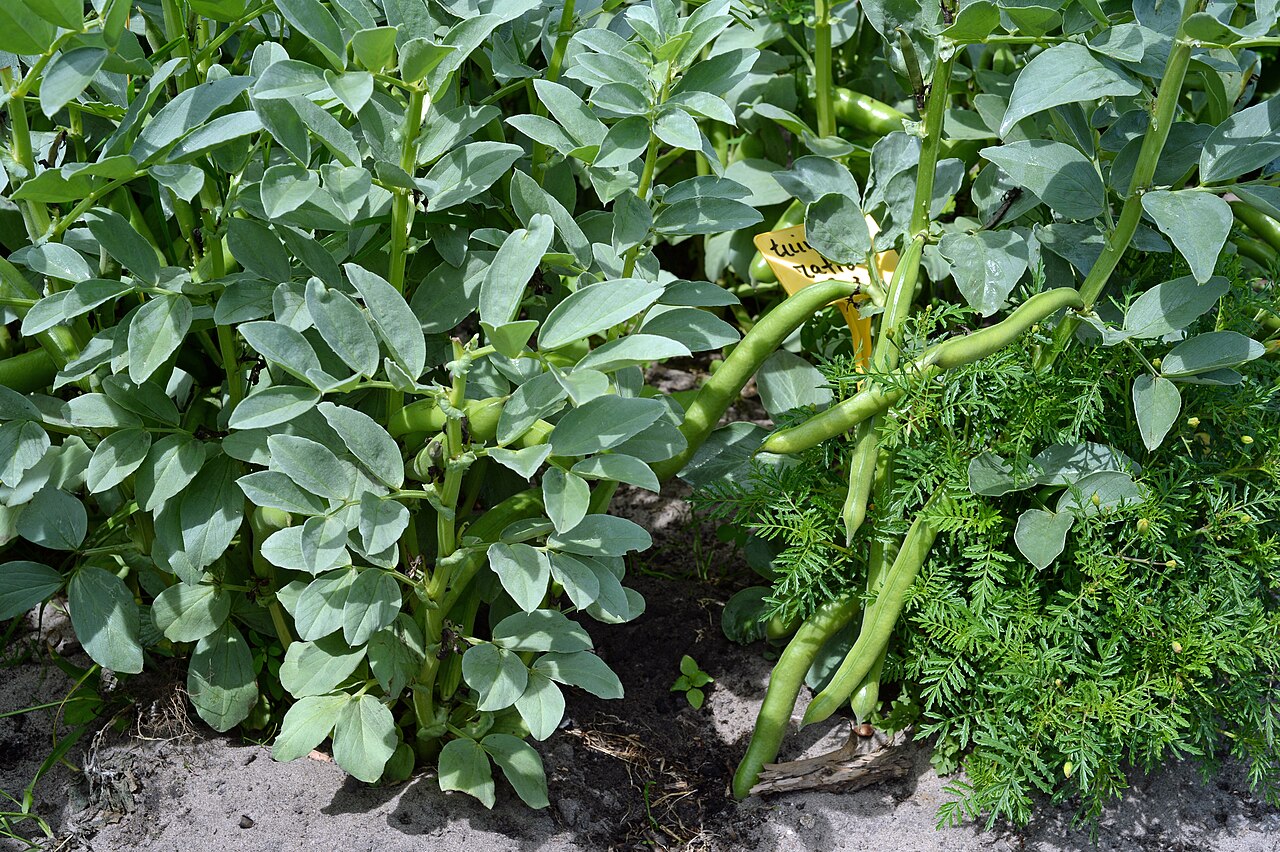
No verified photo of ‘Sweet Lorane’ itself was found, so the pictures below show the species — the same plant, photographed generally.
Why this variety
Sweet Lorane is the fava for people who love fava flavor but not fava faff. It is a small-seeded variety bred for low tannin in its skins — which means less of the bitter flavor favas are known for, faster cooking times, and, gloriously, no need to peel. Most fava recipes include a tedious step where you blanch each bean and slip it out of its skin; Sweet Lorane lets you skip it.
It was selected by Steve Solomon for great flavor and re-selected more recently for color and taste, and it doubles as a cover crop: excellent nitrogen fixer, small seeds that go a long way, and plants 30-36 inches tall that are very productive. It is also exceptionally cold hardy, tolerating temperatures down to 10°F, which makes it well-suited for fall planting and overwintering — and in Florida, that cold hardiness translates into a plant that simply does not care about your winter.
If you have not grown the species before, start with the Fava Bean growing guide for the general picture, then come back here for what makes this variety different.
How to grow
Sow Sweet Lorane in fall in Florida — southern growers may struggle to reach harvest with spring plantings, but fall sowing for a spring harvest works, since favas germinate in temperatures as low as 35°F and stop setting seed once temperatures hit 80°F. Sow 1-2 inches deep, 4-6 inches apart in rows 18-24 inches apart, in full sun. Plants reach 30-36 inches, so a simple support helps in wind.
Work worm castings into the bed at planting and skip nitrogen fertilizer — Sweet Lorane fixes its own nitrogen and makes a superb cover crop dug in after harvest. As a food crop, it is also excellent dried: allowed to fully mature, the beans hold their shape and develop a rich flavor for soups and stews.
Water & feeding
About an inch a week, especially during flowering and pod-fill, watered at the base. Sweet Lorane does great in cold weather but does not do well in heat, so the watering job is really about keeping the plant comfortable until harvest, not rescuing it from summer — if summer arrives before harvest, the season is over. Mulch to hold moisture and steady the root zone.
Common problems
- Black bean aphids on shoot tips — pinch tips once pods have set, blast with water, encourage ladybugs.
- Chocolate spot in wet weather — improve airflow, space plants, avoid working wet plants.
- Rust in humid conditions — rotate beds and remove affected leaves.
- Poor pod set in heat — the Florida rule for all favas: fall sowing, spring harvest, no exceptions worth making.
Harvest
Pick pods when plump and green, about 95 days from sowing, and cook the small beans without peeling — that is the variety’s whole gift. For fresh eating, shell and cook like peas; for dry use, let pods dry fully on the plant, then shell and store airtight. Dried Sweet Lorane makes excellent soup beans that hold their shape in slow cooking. As with all favas, mention the favism caution when sharing a harvest: a small number of people with G6PD deficiency can react seriously to fava beans.
Browse all plant & pest guides
Saving seeds
Sweet Lorane is the fava for people who love fava flavor but not fava faff. It is a small-seeded variety bred for low tannin in its skins — which means less of the bitter flavor favas are known for, faster cooking times, and, gloriously, no need to peel. Most fava recipes include a tedious step where you blanch each bean and slip it out of its skin; Sweet Lorane lets you skip it. It was selected by Steve Solomon for great flavor and re-selected more recently for color and taste, and it doubles as a cover crop: excellent nitrogen fixer, small seeds that go a long way, and plants 30-36 inches tall that are very productive. It is also exceptionally cold hardy, tolerating temperatures down to 10°F, which makes it well-suited for fall planting and overwintering — and in Florida, that cold hardiness translates into a plant that simply does not care about your winter. As an open-pollinated fava bean it comes true from seed: let pods dry fully on the plant until they rattle, then shell out the hard beans and dry them indoors for another week or two before storing. Sow Sweet Lorane in fall in Florida — southern growers may struggle to reach harvest with spring plantings, but fall sowing for a spring harvest works, since favas germinate in temperatures as low as 35°F and stop setting seed once temperatures hit 80°F. Sow 1-2 inches deep, 4-6 inches apart in rows 18-24 inches apart, in full sun. Plants reach 30-36 inches, so a simple support helps in wind. Work worm castings into the bed at planting and skip nitrogen fertilizer — Sweet Lorane fixes its own nitrogen and makes a superb cover crop dug in after harvest. As a food crop, it is also excellent dried: allowed to fully mature, the beans hold their shape and develop a rich flavor for soups and stews. The full method is in the Saving seeds section of the Fava Bean guide.