
🫘 Dainagon Adzuki Bean
What it looks like
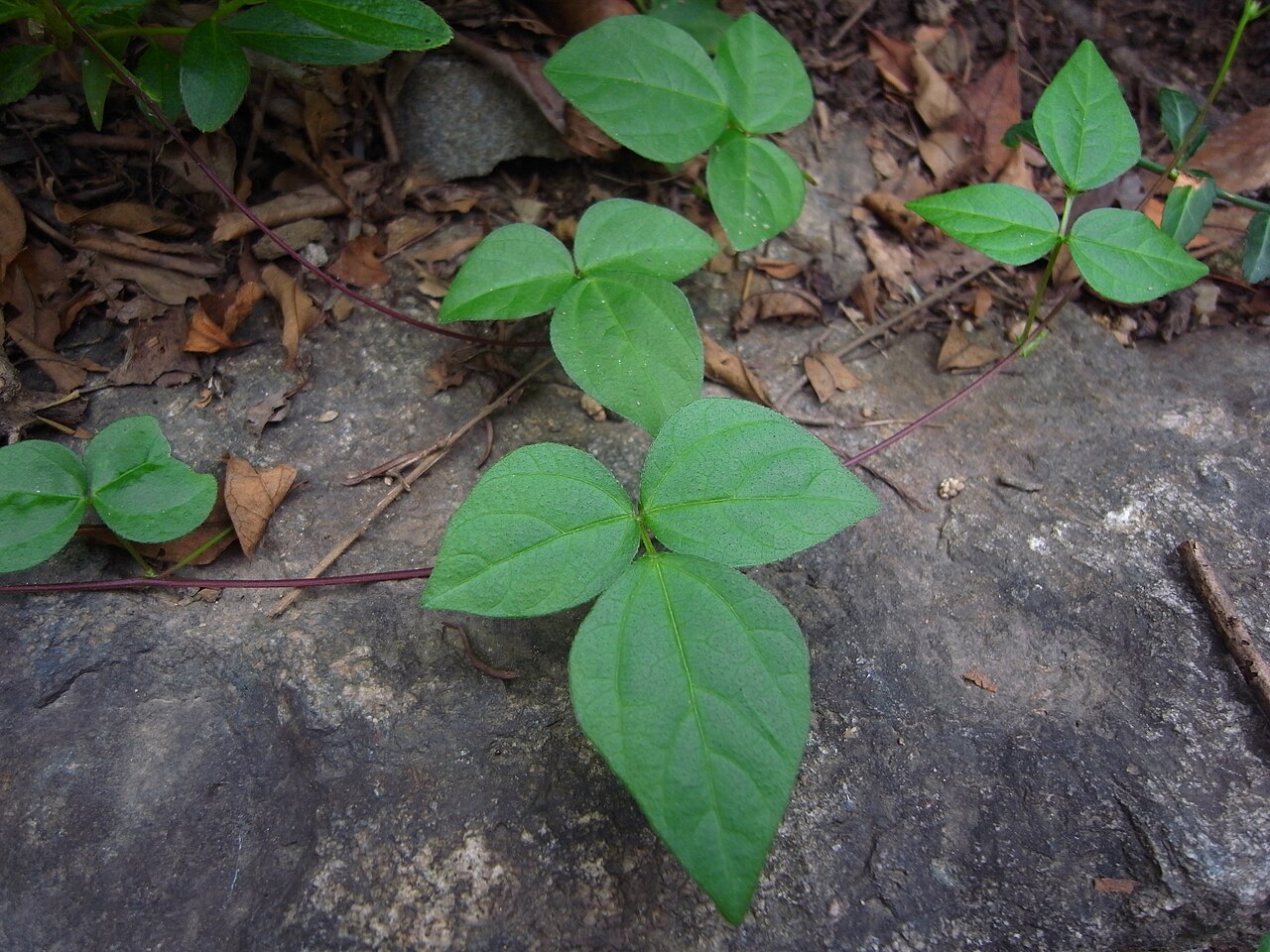
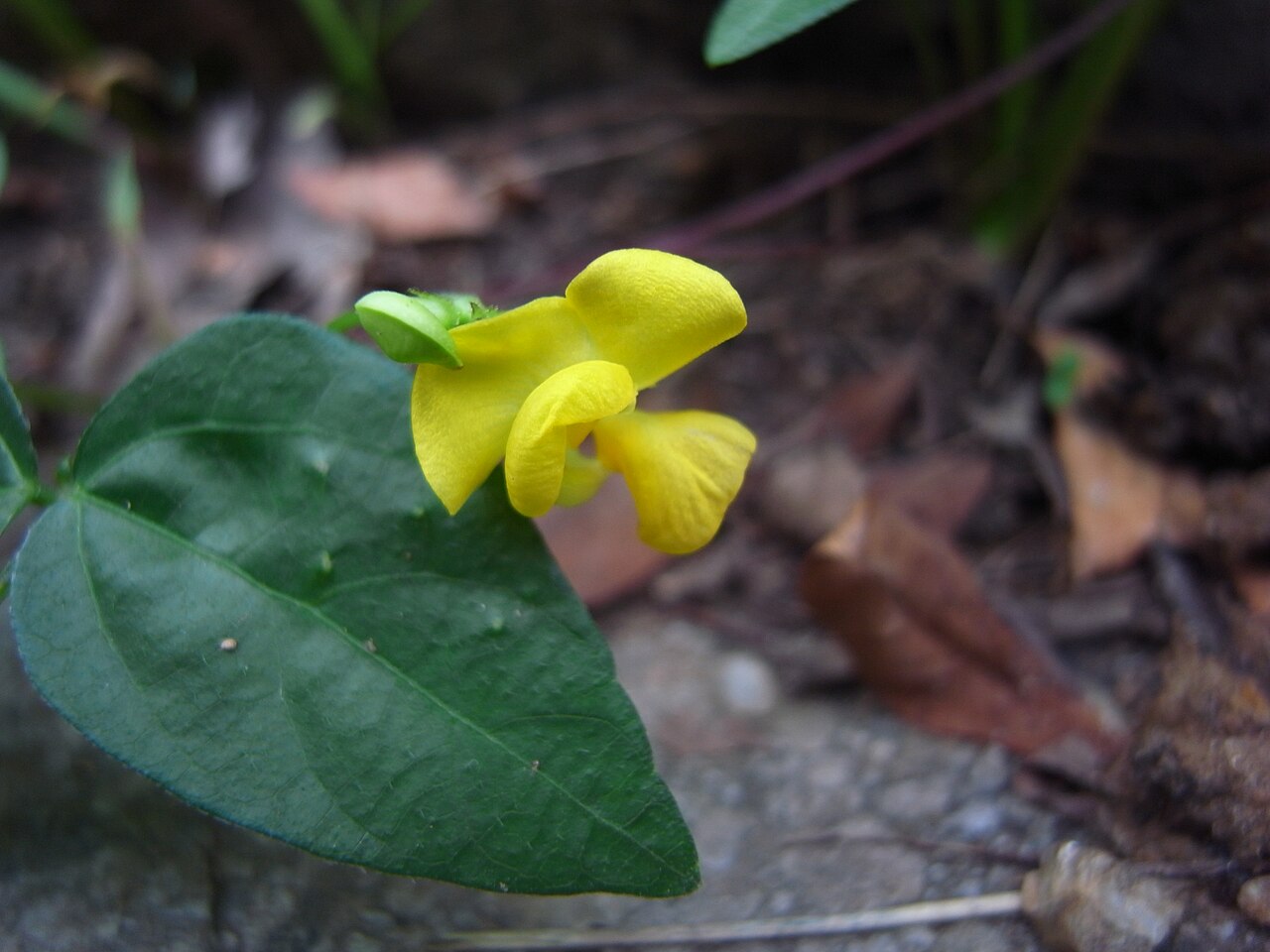
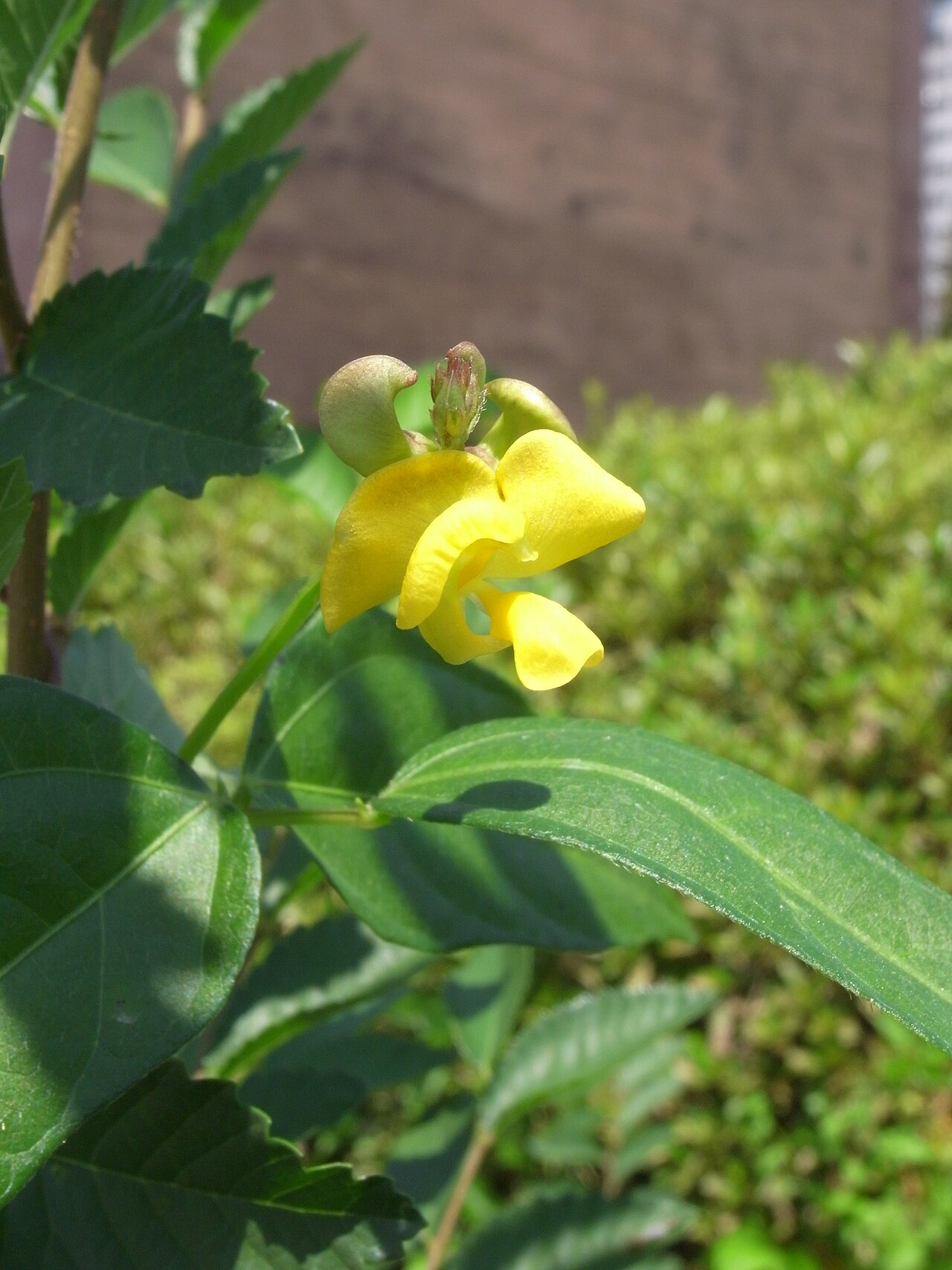
No verified photo of ‘Dainagon’ itself was found, so the pictures below show the species — the same plant, photographed generally.
Why this variety
Dainagon is the premium adzuki — the large-grained, deep-red variety that Japanese confectionery treats as the good stuff. Where ordinary adzuki makes smooth bean paste, Dainagon makes coarse bean paste (tsubuan) and candied beans (kanoko mame), where the whole, large grain is the point. The grains are barrel-shaped, vivid red when fully ripe, and bigger than common adzuki — which is why Dainagon commands higher prices and a reputation for requiring more skill to grow.
That reputation is honest: Dainagon’s large grain size means lower yields than common adzuki and a longer cultivation period, and the Tamba Dainagon of Hyogo Prefecture has been famous for quality since the Edo period precisely because it is not easy. For a Florida gardener, Dainagon is a warm-season bush bean project with a dessert at the end — red bean rice (sekihan) for celebrations, made from beans you grew yourself.
If you have not grown the species before, start with the Adzuki Bean growing guide for the general picture, then come back here for what makes this variety different.
How to grow
Direct-sow Dainagon after the last frost, when soil is 65-85°F — cold, soggy soil rots seed and slows emergence — planting about an inch deep, 4-6 inches apart in rows 18-24 inches apart, in full sun. Plants are short and bushy, 1-2 feet tall, and many adzuki varieties are short-day plants, flowering as days shorten, so choose your sowing date with your latitude in mind.
Inoculate seed with the appropriate rhizobium on ground where adzuki has never grown. Adzuki competes poorly with weeds, so start with a clean bed and weed early — weed competition is the top yield-killer for adzuki, ahead of pests and weather. Work a little compost or castings in at planting; as a nitrogen-fixing legume, Dainagon needs little nitrogen fertilizer.
Water & feeding
Keep soil moist but not soggy, and avoid wetting foliage. Do not overwater late in the season — dry pods are the goal, and late water invites mold on maturing pods. Mulch to hold moisture in sandy soil without keeping foliage wet.
Common problems
- Cold soil — wait for warm soil; emergence is slow below 55°F.
- Weed competition — the top yield-killer for adzuki; weed early and mulch.
- Aphids and leafhoppers — row cover early, insecticidal soap if needed.
- Pods shattering — harvest promptly when pods are dry and rattling.
Harvest
Harvest when pods are dry and rattling, about 80-100 days after sowing, and shell beans for storage in airtight jars for up to a year. Dry beans fully before storing — any dampness invites mold. Cook Dainagon like other dry beans, soaking first for even cooking; its destiny is sweetened uses — anko paste, red bean soup, sekihan celebration rice, and desserts where the large, intact grain shows.
Browse all plant & pest guides
Saving seeds
Dainagon is a traditional Japanese adzuki variety, so it comes true from seed — save seed from your best plants and let it dry fully before storing. The full method is in the Saving seeds section of the Adzuki Bean guide.