
🌿 Ginger Mint
What it looks like
Why this variety
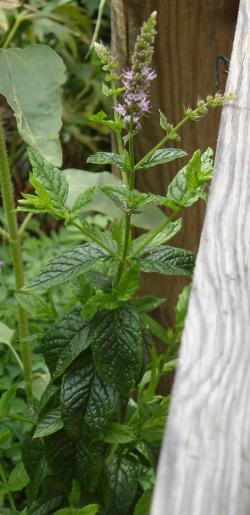
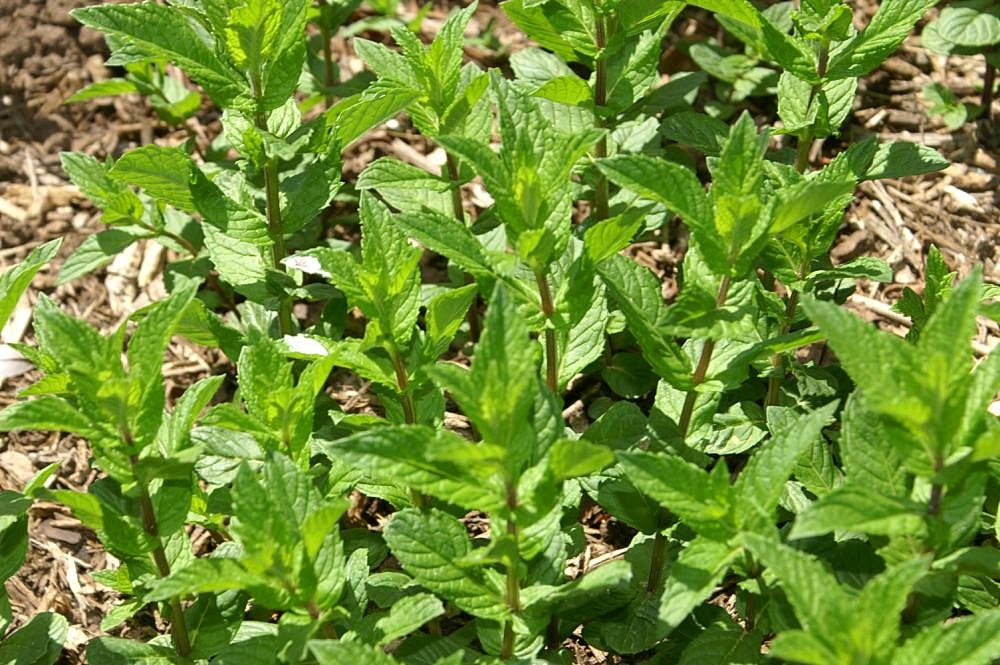
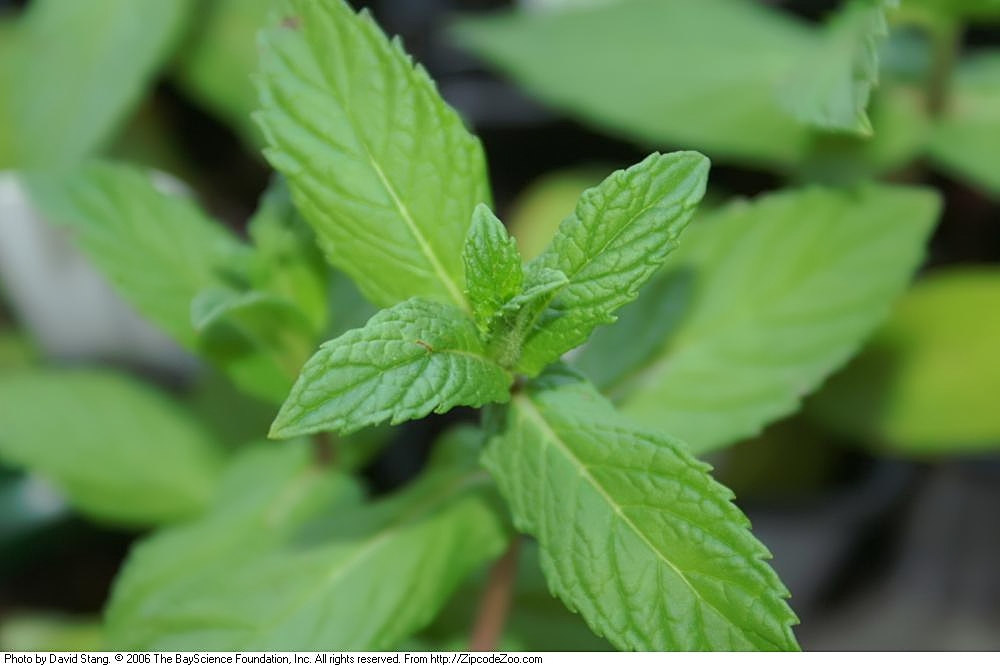
Ginger mint is grown as much for its looks as for its flavor: smooth, bright green leaves splashed and flecked with gold, on a plant that stays lower and more polite than most mints, around 18 inches tall. Its scent is the surprise — a mild, spicy warmth with a hint of ginger and fruit, rather than the menthol blast of peppermint or the clean cool of spearmint.
That gentle character is exactly why cooks like it. Ginger mint adds zest to cool summer soups and vinaigrettes, sings in baked goods like scones and gingerbread, and behaves beautifully in tea, lemonade, and fruit punch, where a stronger mint would elbow everything else off the stage. And because it is variegated, it earns its pot on the patio even in weeks when nobody cooks with it.
How to grow
Pot it, always. Ginger mint is a mint, and mints do not respect boundaries: runners underground, takeover within a season, regret shortly after. A pot at least 12 inches wide, rich moist soil, and a start from cuttings or a nursery plant — named mints do not come true from seed, and variegated ones lose their variegation fastest of all if you try.
Give it afternoon shade in the hottest climates and cut it back hard a few times a season; it responds by growing back bushier and better variegated. In Florida it grows nearly year-round, and in cold zones it dies back in winter and returns from its roots in spring, like every mint that has ever been underestimated.
Water & feeding
Keep soil consistently moist, about an inch a week, more in containers. Variegated leaves can scorch in blazing sun and dry pots, so steady water plus afternoon shade keeps the gold splashing bright instead of crisping brown at the edges.
Feed lightly: a little worm castings at planting and a light spring top-dress. Overfeeding pushes soft, leggy, mostly-green growth with less flavor — and on a variegated plant, excess nitrogen also pushes the leaves back toward plain green, which defeats the entire point.
Common problems
- Losing variegation — all-green shoots are reversions; cut them out promptly or they outgrow the variegated growth.
- Mint rust (orange pustules) — improve airflow, remove affected leaves, cut to the ground if badly rusted; it regrows clean.
- Escaping its pot — lift containers occasionally and trim runners from drainage holes.
- Aphids on tender tips — blast with water or use insecticidal soap.
Harvest
Snip sprigs as needed once established, taking no more than a third at once, and harvest in the morning after the dew dries for the strongest oils. Use fresh for drinks, soups, and vinaigrettes; for drying, cut stems before flowering and hang in a dark, airy spot.
Chop it into scones and gingerbread where its ginger note belongs, or freeze it in ice cubes for lemonade and punch — gold-flecked leaves frozen in ice are the rare garnish that looks deliberate and tastes like something.
Browse all plant & pest guides
Saving seeds
Ginger mint is a variegated named mint, and named mints do not come true from seed — variegated ones lose their variegation fastest of all — so start from cuttings or a nursery plant, and keep it in a pot, since mints do not respect boundaries. The Saving seeds section of the Mint guide covers seed for the species generally.