
🌿 Kentucky Colonel Mint
What it looks like
Why this variety
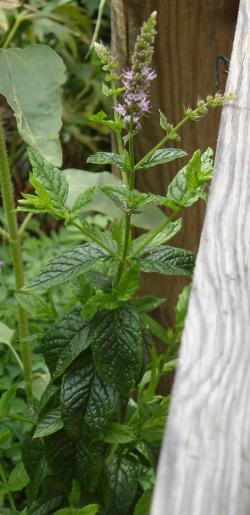
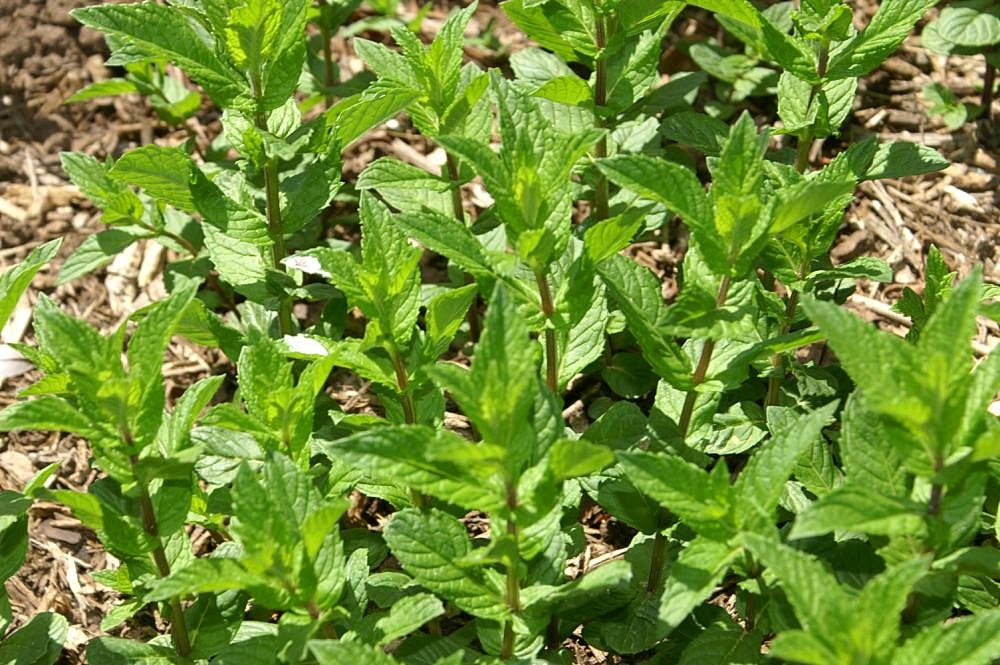
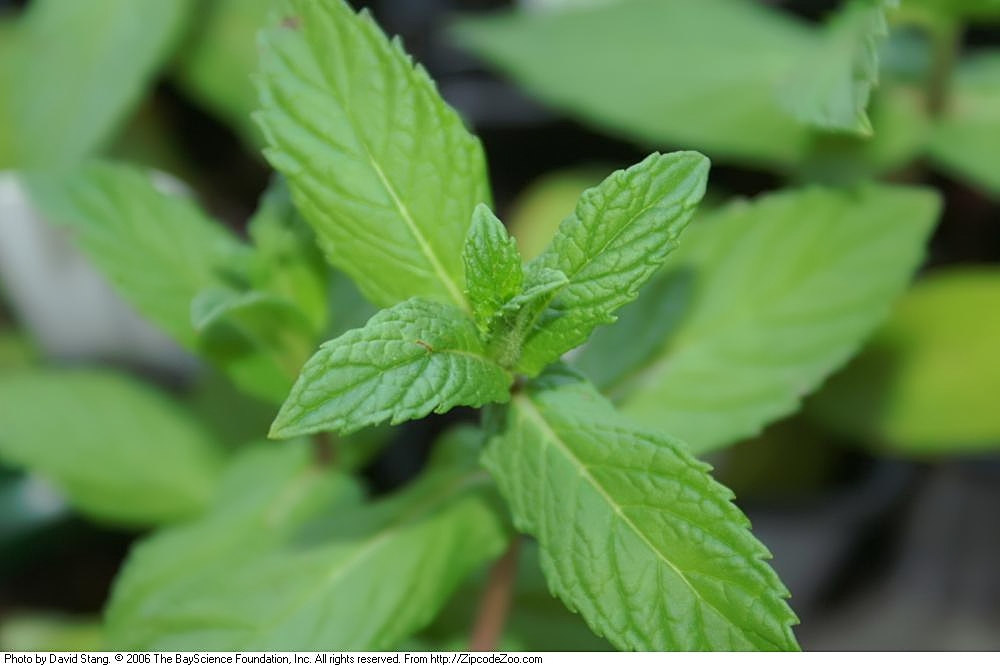
Kentucky Colonel is spearmint refined: an improved spearmint selection with bright green, slightly crinkly leaves and a pure spearmint flavor with no harsh notes, bred to be the mint in a mint julep and every other summertime beverage. Among the possibly hundreds of spearmint forms in gardens, it is one of the two — with English mint — that herb references single out as superior.
It is also the more disease-resistant spearmint, which matters in a humid garden where ordinary spearmint can look tired by midsummer. If you grow one mint for cooking and drinks, this is the strong, quiet candidate: milder and sweeter than peppermint, clean enough for tea, sauces, jellies, peas, carrots, and lamb, and famous enough that its name on a plant tag is a promise, not a guess.
How to grow
Pot it, like every mint worth growing. Kentucky Colonel spreads by runners and will take a bed if you let it, so give it a pot at least 12 inches wide and rich, moist soil, and start from cuttings or nursery plants rather than seed — spearmint from seed is variable, and this cultivar’s clean flavor is the whole point.
It grows 1–2 feet tall, is happiest with afternoon shade in the hottest climates, and in Florida grows nearly year-round. Cut it back hard a few times a season; it answers abuse with bushier growth. In cold zones it dies back in winter and returns from its roots in spring, right on schedule.
Water & feeding
Keep soil consistently moist, about an inch a week, more in containers. Mint wilts fast in dry pots and recovers just as fast — treat a wilted pot as a reminder, not a funeral.
Feed lightly: a little worm castings in the potting mix at planting and a light spring top-dress. Overfeeding makes soft, leggy growth with less flavor, and a julep mint with diluted oils is a mint in name only.
Common problems
- Mint rust (orange pustules on leaves) — improve airflow, remove affected leaves, avoid overhead watering; badly rusted plants can be cut to the ground and will regrow clean.
- Escaping its pot — runners sneak out of drainage holes, so lift containers occasionally and trim escapees.
- Aphids cluster on tender tips — blast with a strong jet of water or use insecticidal soap.
- Flea beetles chew small holes in leaves — usually cosmetic on a plant this vigorous.
Harvest
Snip sprigs as needed once established, taking no more than a third at once, and harvest in the morning after the dew dries for the strongest oils. For a julep, bruise the leaves gently rather than shredding them — you want the oils released, not the chlorophyll, which is the difference between a clean drink and a grassy one.
Dry stems before flowering for winter tea, or freeze chopped leaves in water in ice cube trays for drinks. Fresh is best for juleps, teas, and jellies, where Kentucky Colonel’s mild, pure spearmint flavor is the point and the garnish in one.
Browse all plant & pest guides
Saving seeds
Kentucky Colonel is spearmint refined, an improved spearmint selection with bright green, slightly crinkly leaves and a pure spearmint flavor with no harsh notes, bred to be the mint in a mint julep, and it is grown from cuttings or nursery plants rather than seed — spearmint from seed is variable, and this cultivar’s clean flavor is the whole point. The Saving seeds section of the Mint guide covers seed for the species generally.