
🐱 Purrsian Blue Catmint
What it looks like
Why this variety
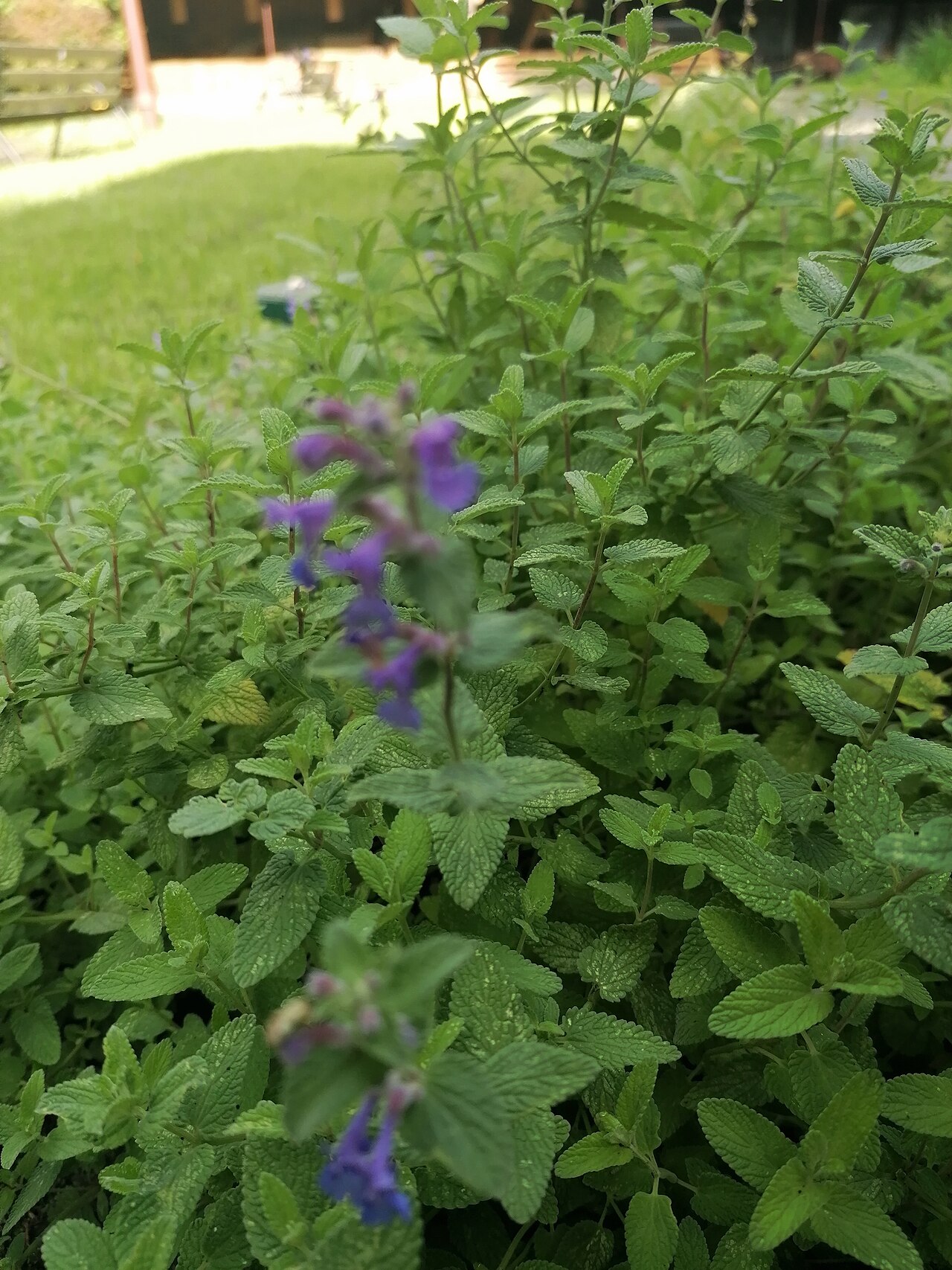
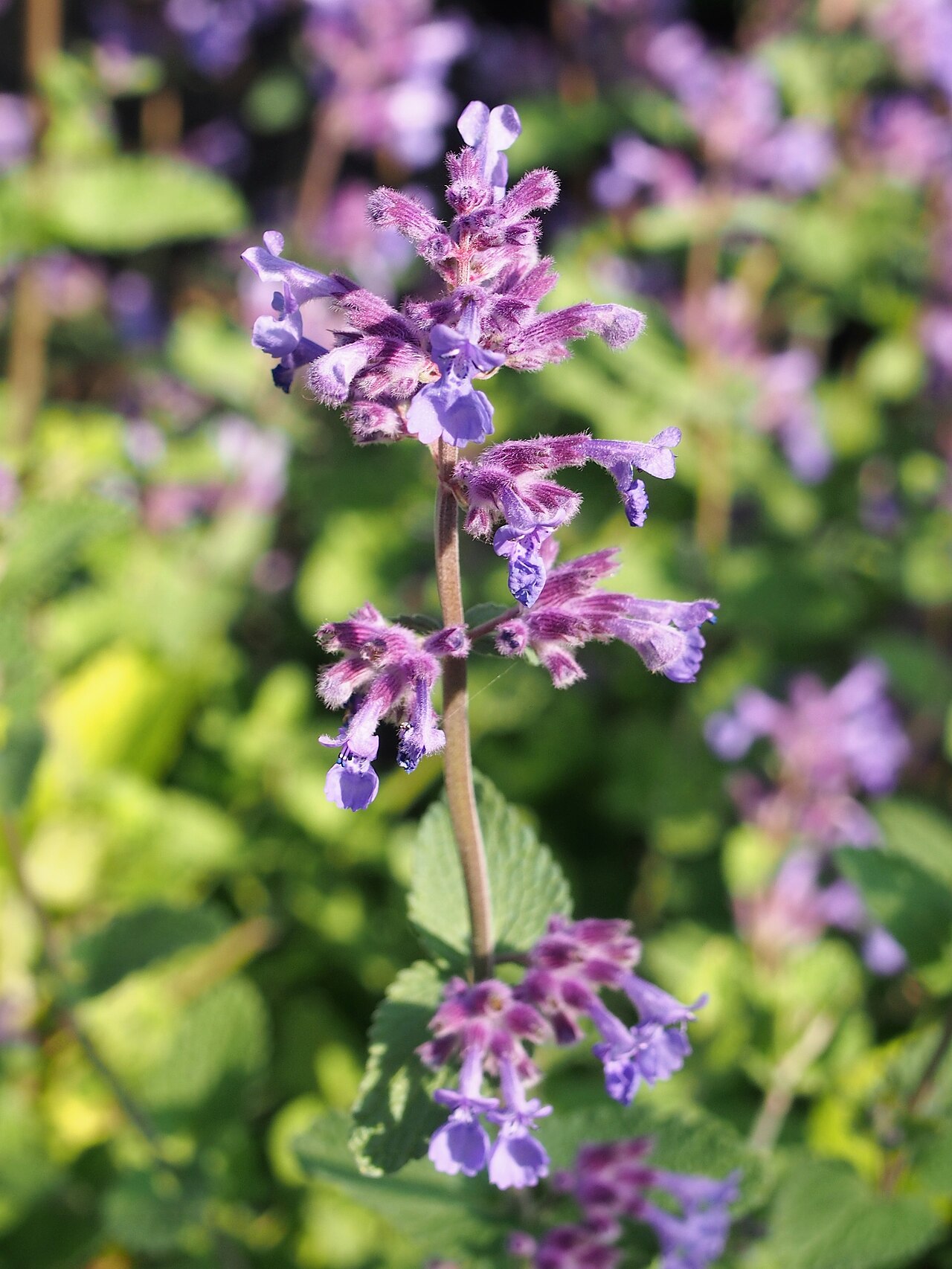
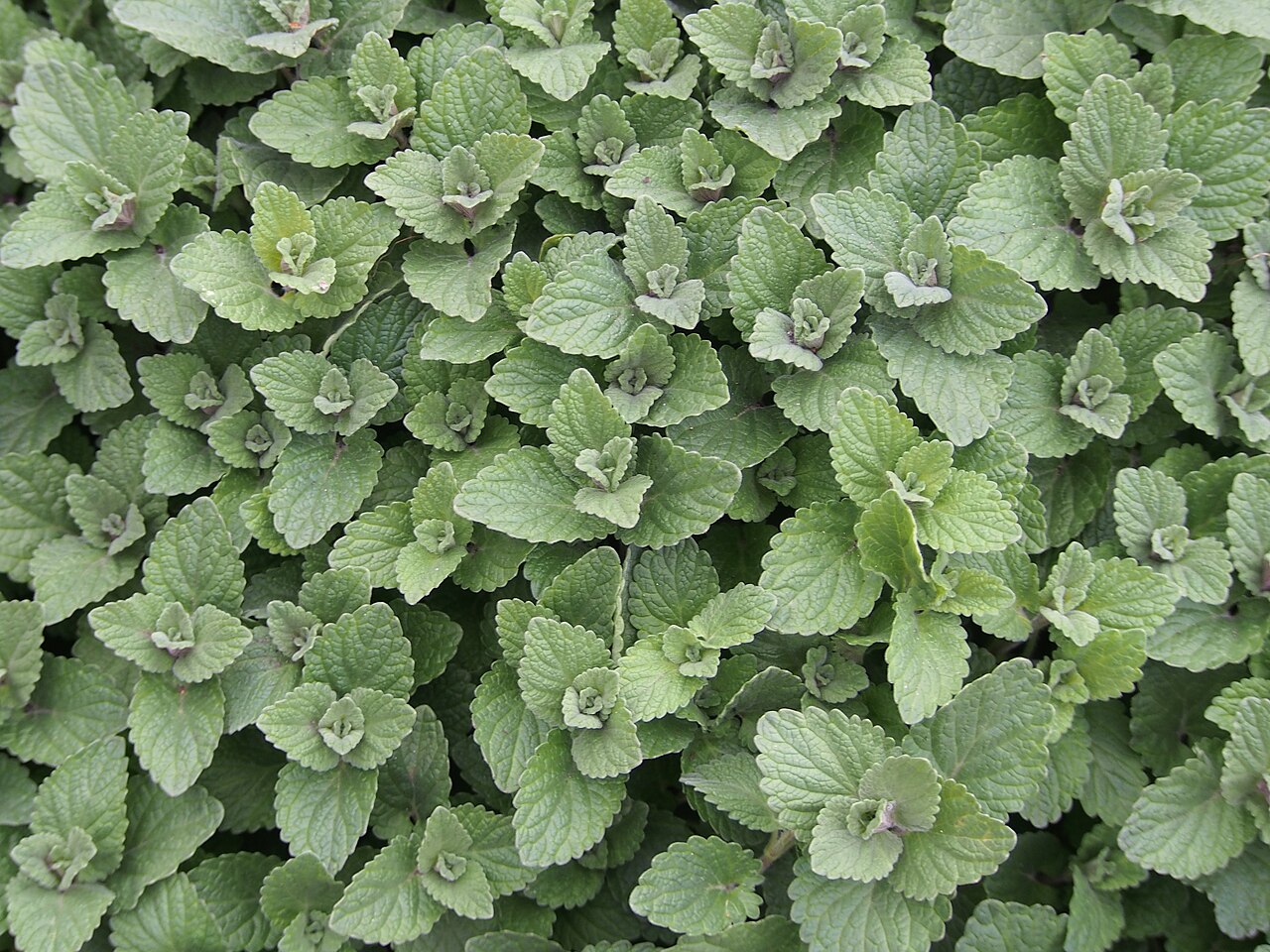
Purrsian Blue is the catmint that made older catmints look sparse: a 2018 introduction with extraordinary flower density — up to 50% more spikes per plant than Walker’s Low Catmint — on a compact, naturally rounded mound about 14–18 inches tall, with deep periwinkle-blue flowers over dark purple calyxes that make the bloom look denser still. It is the tidy, improved catmint for gardeners who loved Walker’s Low but not its sprawl.
It also tolerates partial shade better than most catmints, which makes it valuable for east-facing foundations or under high-canopy trees where other catmints stretch and flop. And like all faassenii hybrids, it is sterile: it rarely sets viable seed and never spreads by runners, so it stays a tidy mound instead of a neighborhood project.
How to grow
Plant in spring in full sun and well-drained soil. Catmint is the low-maintenance perennial landscapers reach for when they want months of lavender-blue bloom without babysitting, and Purrsian Blue is the most compact expression of that idea — give it sun, drainage, and room for an 18-inch mound, and get out of its way.
Shear it back by half after the first flush and it reblooms, often more densely the second time. In Florida, be blunt about the trial: catmint is a North and Central Florida plant, not a South Florida perennial, and drainage is the whole game — wet, poorly drained soil is its main enemy, and a raised bed or a gritty, sunny spot is the difference between a perennial and an annual.
Water & feeding
Water to establish; mature catmint is drought-tolerant and needs little supplemental water. In Florida, that means water the first season and through dry spells, then let it be — overwatering in summer is a bigger risk than underwatering.
Feed little or nothing. Catmint tolerates poor soil, and rich feeding pushes soft, floppy growth that needs staking — the opposite of the tidy mound you bought. A light spring top-dress of worm castings is more than enough.
Common problems
- Flopping in the center after the first flush — shear back by half and it regrows neatly; Purrsian Blue flops less than taller types, but no catmint is flop-proof.
- Wet, poorly drained soil — the main killer, especially in Florida summers; fix drainage or grow it in a raised bed.
- Few pests; occasionally aphids — blast with water; the flowers attract beneficial insects that help.
- Cats rolling in it — a feature for some gardens, a flattened plant for others; catmint’s nepetalactone is milder than catnip’s, so cats notice it without the full frenzy.
Harvest
Catmint is not harvested for the kitchen — it is an ornamental perennial, grown for flowers and foliage, and cats’ interest in it is a bonus, not the point. The harvest here is horticultural: shear back by half after the first bloom flush for a tidy rebloom, and cut back in late winter before new growth.
Deadhead or shear spent spikes through summer to keep the mound dense and flowering into fall; a well-sheared Purrsian Blue gives months of periwinkle bloom on a plant that asks for almost nothing in return.
Browse all plant & pest guides
Saving seeds
Purrsian Blue is the catmint that made older catmints look sparse: a 2018 introduction with extraordinary flower density — up to 50% more spikes per plant than Walker’s Low Catmint — on a compact, naturally rounded mound about 14–18 inches tall, with deep periwinkle-blue flowers over dark purple calyxes that make the bloom look denser still. It is the tidy, improved catmint for gardeners who loved Walker’s Low but not its sprawl. As a sterile faassenii hybrid it does not come true from seed: like all faassenii hybrids, it is sterile — it rarely sets viable seed and never spreads by runners, so it stays a tidy mound. Buy plants, and propagate by cuttings or division. Plant in spring in full sun and well-drained soil, and shear it back by half after the first flush and it reblooms, often more densely the second time. The full method is in the Propagation section of the Catmint guide.