
🐱 Little Trudy Catmint
What it looks like

Why this variety
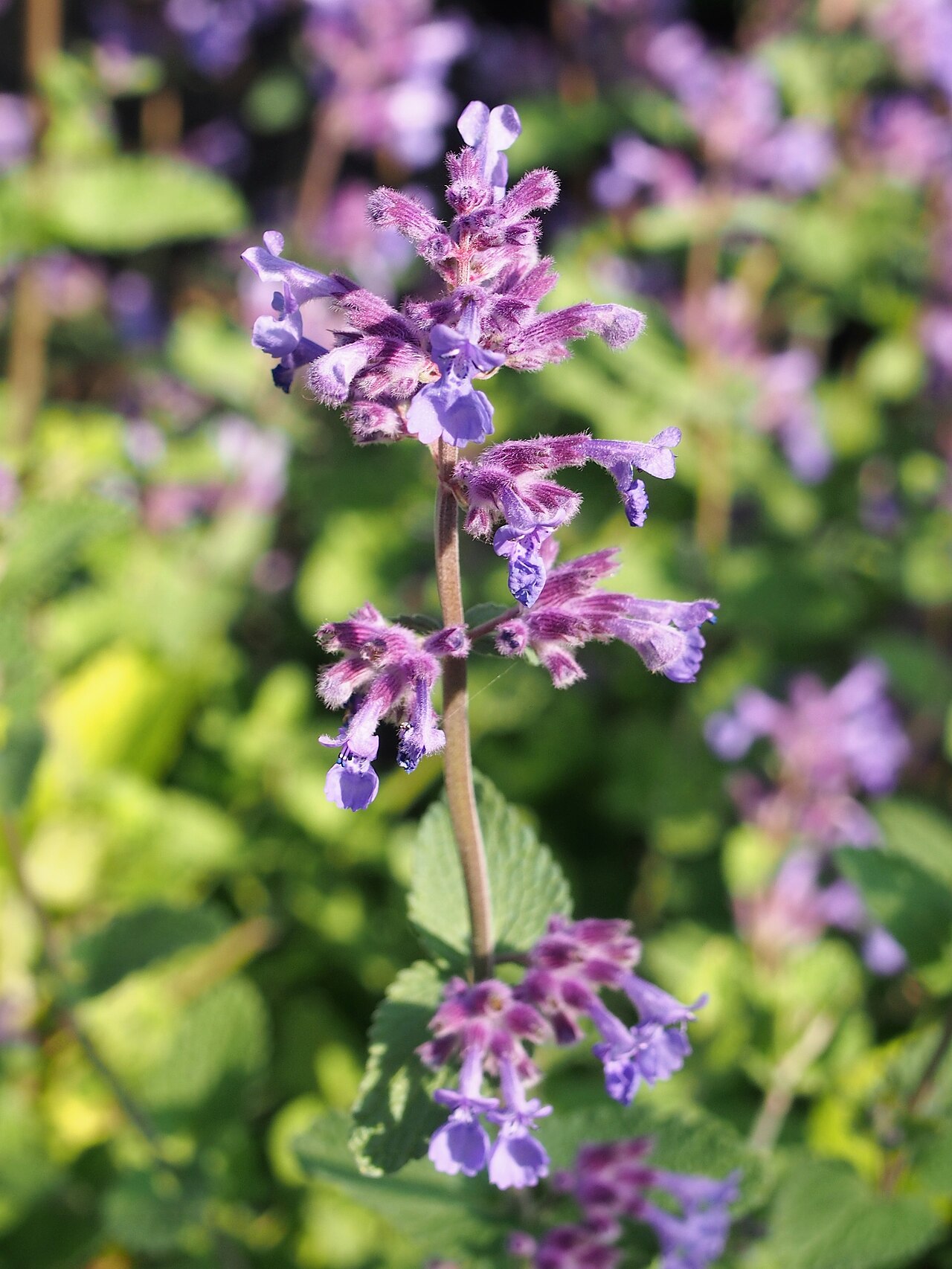
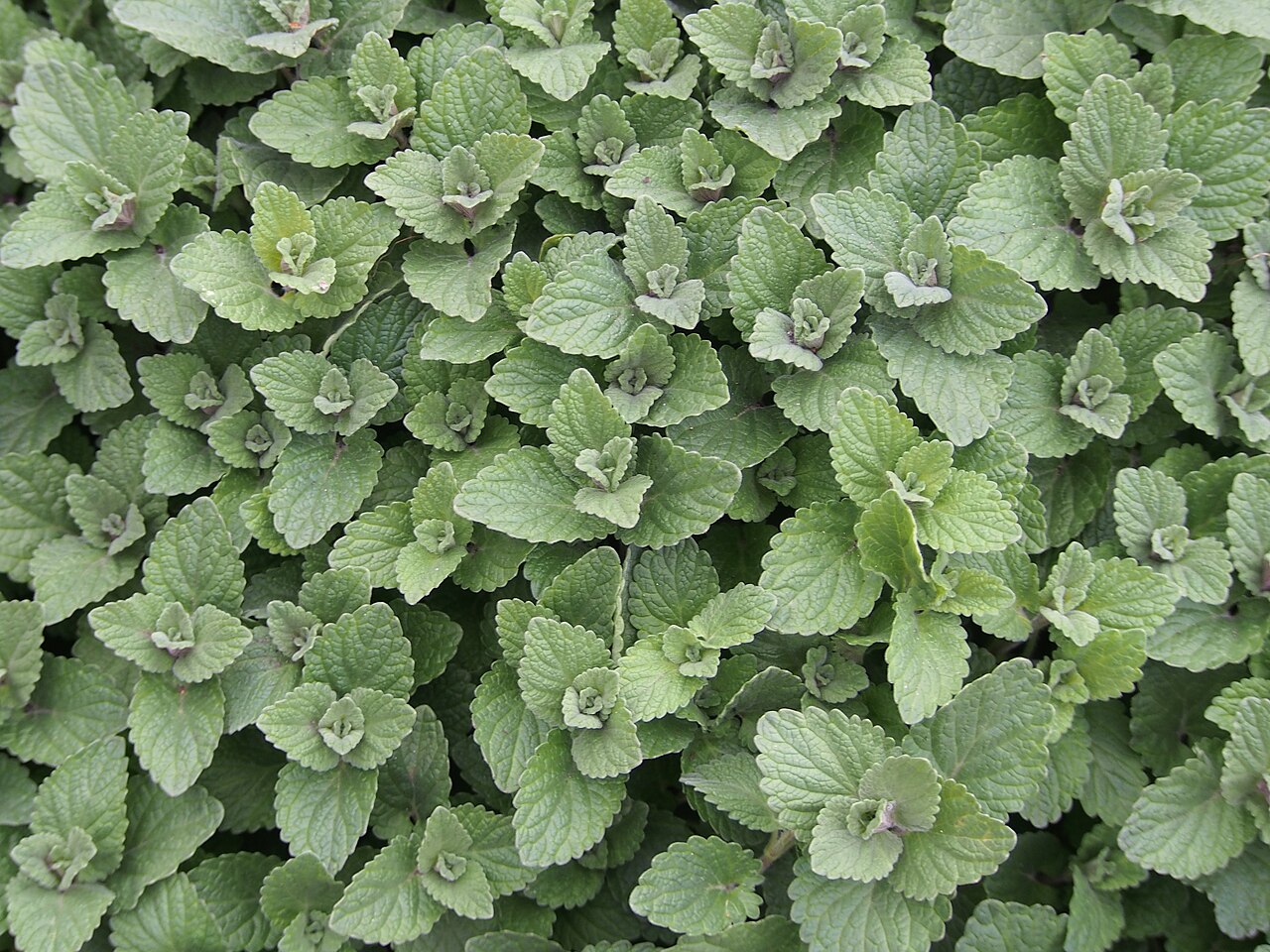
Little Trudy is catmint miniaturized without losing its nerve: a tight, 10- to 12-inch mound with fine-textured, silver-serrated, finely cut foliage and vivid violet-purple flowers from early summer through frost. It is the standout for hot, dry, southern gardens among the small catmints, with exceptional heat and humidity tolerance — no wilting or fungal issues even in long hot stretches — and an airy look that keeps it free of the fungal problems that trouble denser plants.
That combination — petite, heat-tough, long-blooming — makes it the catmint for path edges, containers, rock gardens, and the front of a sunny border where Walker’s Low Catmint would swallow the path and Six Hills Giant Catmint would swallow the garden. It is small the way a good tool is small: exactly the size for the job.
How to grow
Plant in spring in full sun and well-drained soil. Little Trudy wants the same deal as every catmint — sun, drainage, and benign neglect — but its finely cut foliage gives it an edge in humidity, drying faster after rain than broad-leafed types. Space plants to their mature mound size, and don’t crowd them: airflow is what keeps a small plant healthy in a hot garden.
Shear back by half after the first flush and it reblooms. In Florida, the honest framing still applies: a North and Central Florida trial, not a South Florida perennial, and drainage is the whole game. A raised bed or sunny, gritty spot gives Little Trudy its best shot at perennial life here; a soggy flat bed gives it root rot.
Water & feeding
Water to establish; mature catmint is drought-tolerant and needs little supplemental water. Little Trudy is drought-deciduous in prolonged dry spells — it may drop leaves and look done, then revive rapidly with rain or irrigation, which is a survival strategy, not a death.
Feed little or nothing. Poor soil suits it, and rich feeding pushes soft growth that flops. A light spring top-dress of worm castings is plenty.
Common problems
- Flopping after the first flush — shear back by half; Little Trudy’s compact habit flops less than tall types, but shearing still renews it.
- Wet, poorly drained soil — the main killer; fix drainage or grow in a raised bed.
- Drought leaf-drop in prolonged dry spells — alarming but temporary; water and it revives.
- Cats rolling in it — a feature or a flattened plant, depending on your cats; the effect is milder than catnip.
Harvest
Catmint is an ornamental perennial, not a culinary or medicinal herb — grown for flowers and foliage, with cats’ interest as a bonus. The harvest is horticultural: shear back by half after the first bloom flush for a tidy rebloom, and cut back in late winter before new growth.
Deadhead spent spikes through summer to stretch bloom into fall. A well-sheared Little Trudy gives months of violet-purple flowers on a 12-inch mound, which is an absurd amount of color per square inch of garden.
Browse all plant & pest guides
Saving seeds
Little Trudy is a named catmint cultivar, a tight 10-to-12-inch mound with vivid violet-purple flowers, and named catmints are kept true by division, not by seed — seedlings would not hold the petite habit or the heat-tough, finely cut foliage. Divide the clump in spring, space plants to their mature mound size for airflow, and shear back by half after the first flush for a rebloom. The Propagation section of the Catmint guide covers how to divide and multiply catmint.