
🫘 Orient Wonder Yardlong Bean
What it looks like
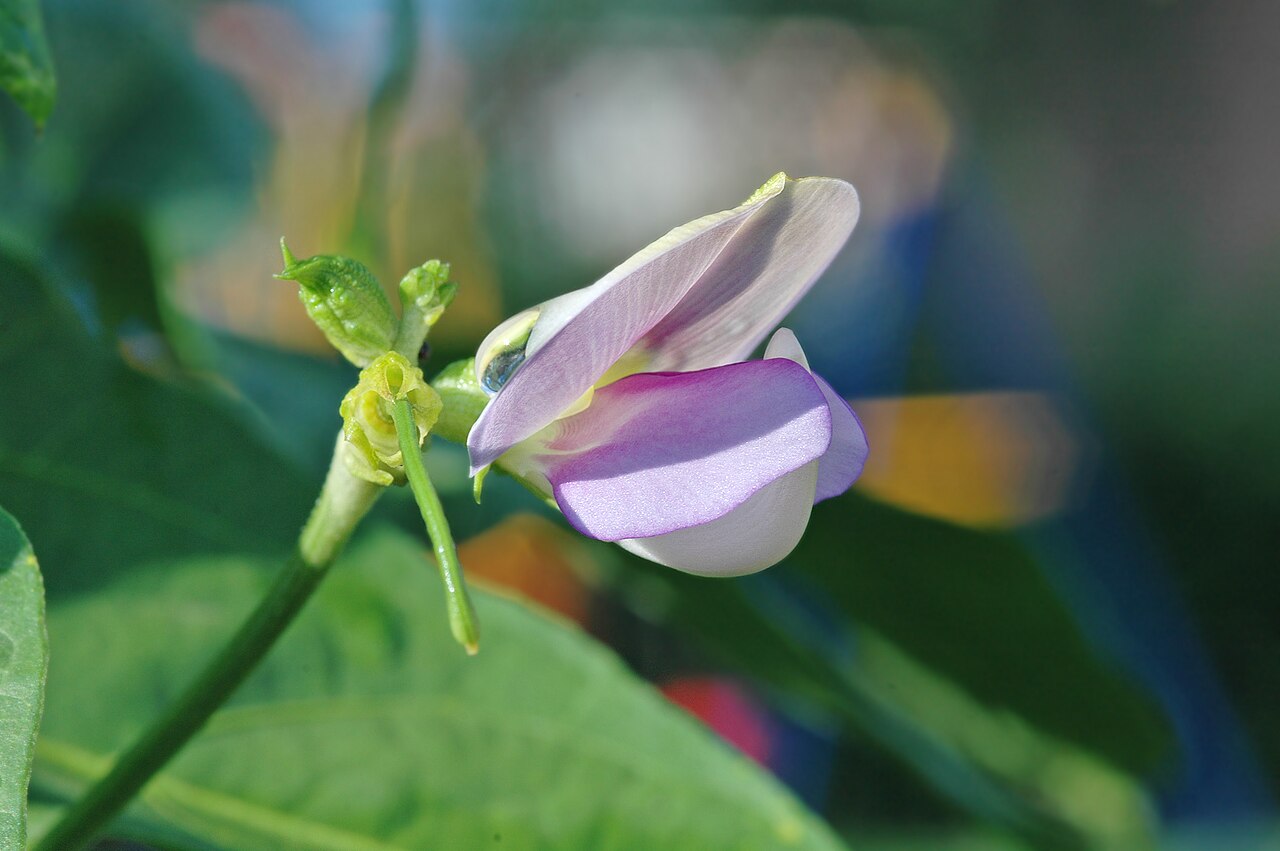
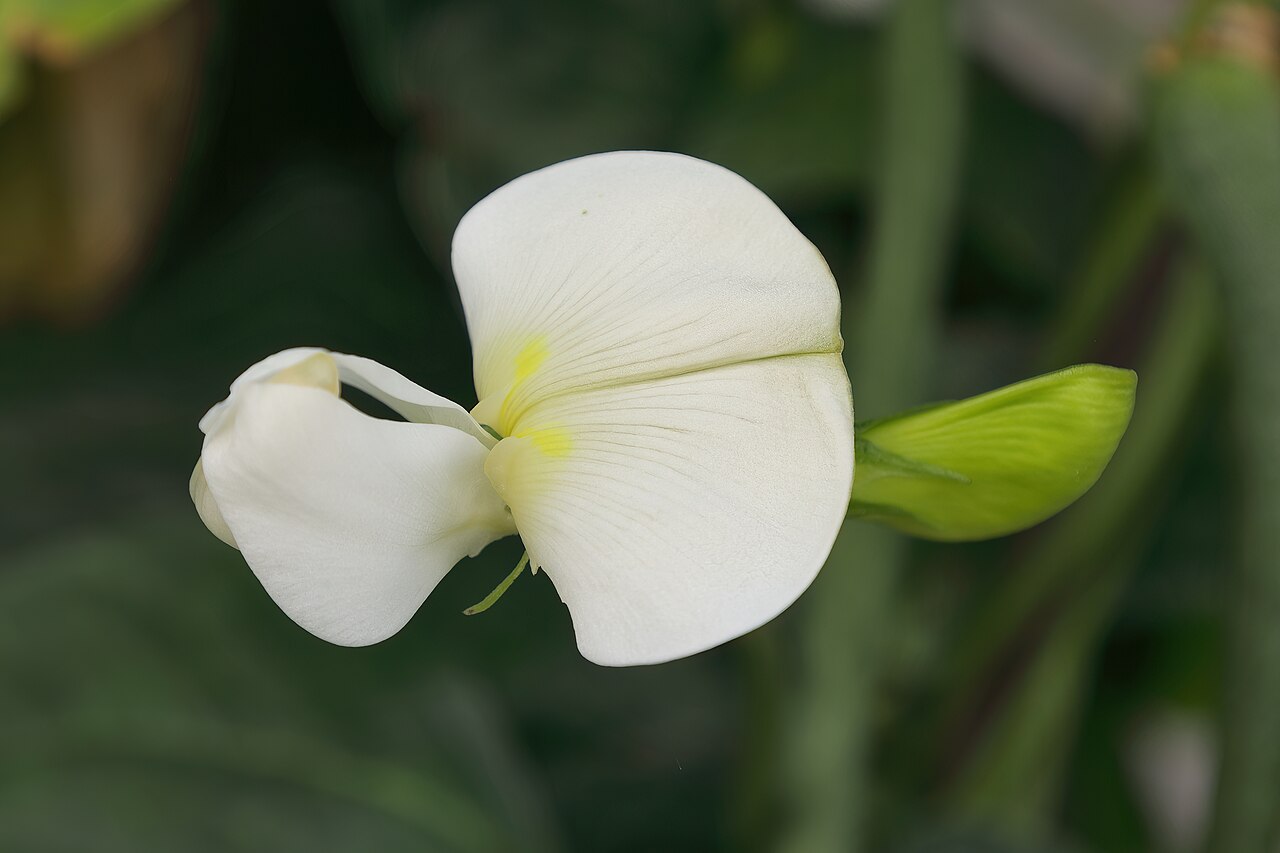
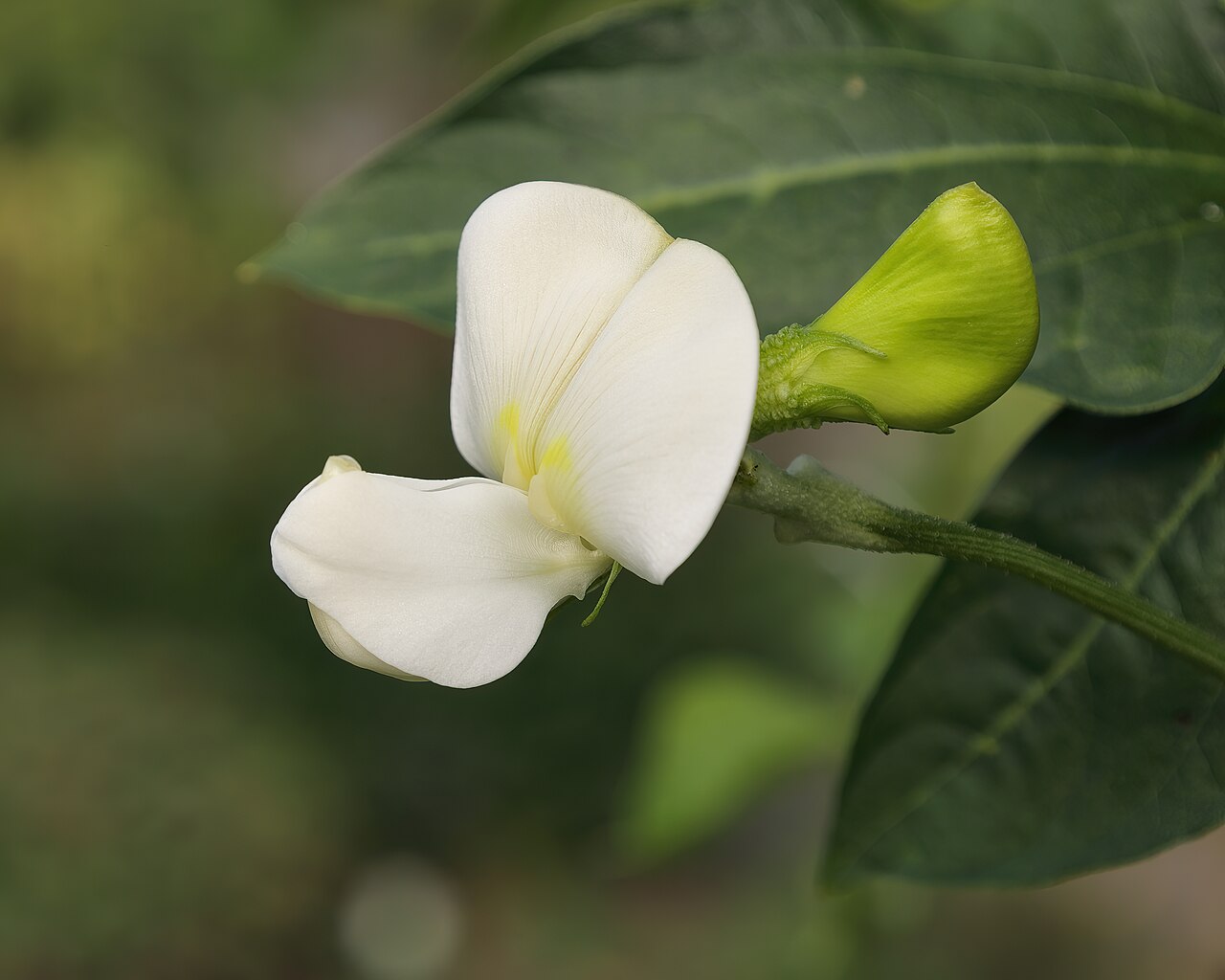
Why this variety
Orient Wonder is the yardlong bean most gardeners start with, and many never leave: smooth, dark-green, stringless pods that hang in pairs, stay tender longer than most types because the seeds develop slowly, and can reach 30 inches if you forget to pick them — which you will, once, and then never again. It is vigorous, heat-tolerant, and famously productive, the bean that makes a trellis look like it is working overtime.
The slow seed development is the practical magic: most yardlongs go seedy and tough fast, but Orient Wonder pods stay smooth and slender at eating size for days longer, forgiving a missed picking day. In Florida heat it produces all summer if picked often, and it tolerates weather swings — cool, dry, hot, humid — better than traditional snap beans.
How to grow
Direct-sow after all danger of frost, when soil is at least 65–70°F; cold soil rots the seed. Sow about an inch deep at the base of a sturdy trellis at least 6 feet tall — these vines are heavy and need real support. They are heat-loving and frost-sensitive, thriving at 77–95°F, and they fix their own nitrogen, so inoculating seed with cowpea-type inoculant helps on ground where cowpeas have never grown.
Water & feeding
Water deeply at the base, about an inch a week, and more during flowering and pod formation; dry soil at flowering gives low yields and fibrous pods. Do not over-fertilize with nitrogen — you will get leaves instead of beans. Compost at planting and a low-nitrogen side-dress when pods form is plenty.
Common problems
- Cold, wet soil — wait for warm soil; seedlings collapse in cold ground.
- Aphids and bean beetles — row cover early, hand-pick, and encourage ladybugs.
- Rust and mildew in humid weather — space for airflow, water at the base, and remove badly affected leaves.
- Tough pods — you waited too long; pick young and pick often.
Harvest
Pick at 12–18 inches long, still slender, firm, and flexible, before seeds bulge — every 1–2 days at peak. Snip pods into short lengths and stir-fry, dry-fry, or add to curries; frequent picking keeps vines producing for 6–8 weeks.
For the crop in general, see the Yardlong Bean growing guide. Browse all plant & pest guides.
Saving seeds
Orient Wonder is the yardlong bean most gardeners start with, and many never leave: smooth, dark-green, stringless pods that hang in pairs, stay tender longer than most types because the seeds develop slowly, and can reach 30 inches if you forget to pick them — which you will, once, and then never again. It is vigorous, heat-tolerant, and famously productive, the bean that makes a trellis look like it is working overtime. As an open-pollinated variety it comes true from seed: direct-sow after all danger of frost, when soil is at least 65 to 70°F — cold soil rots the seed — sow about an inch deep at the base of a sturdy trellis at least 6 feet tall. The full method is in the Saving seeds section of the Yardlong Bean guide.