
🌴 Yellow Sweet Cassava
What it looks like
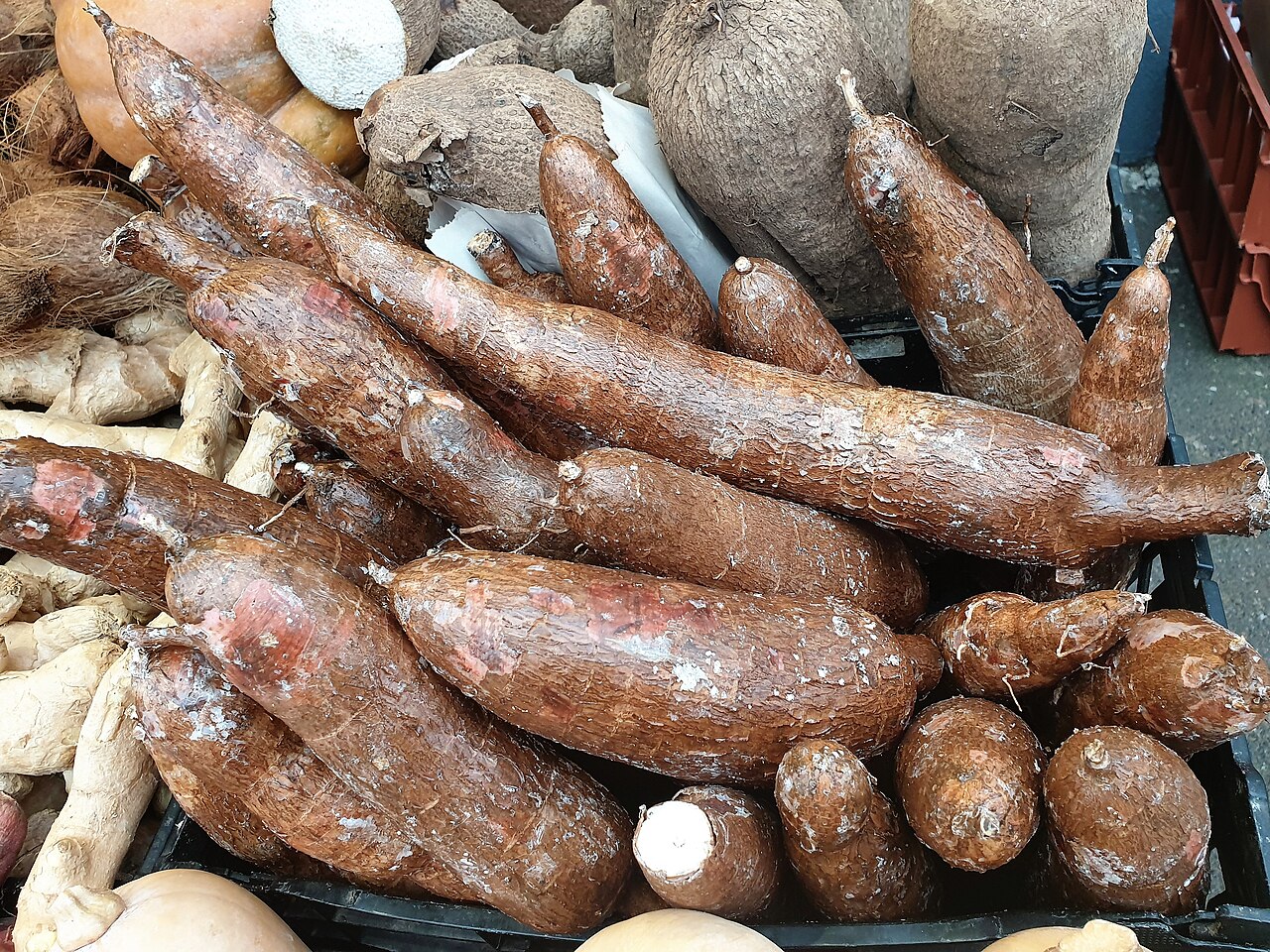
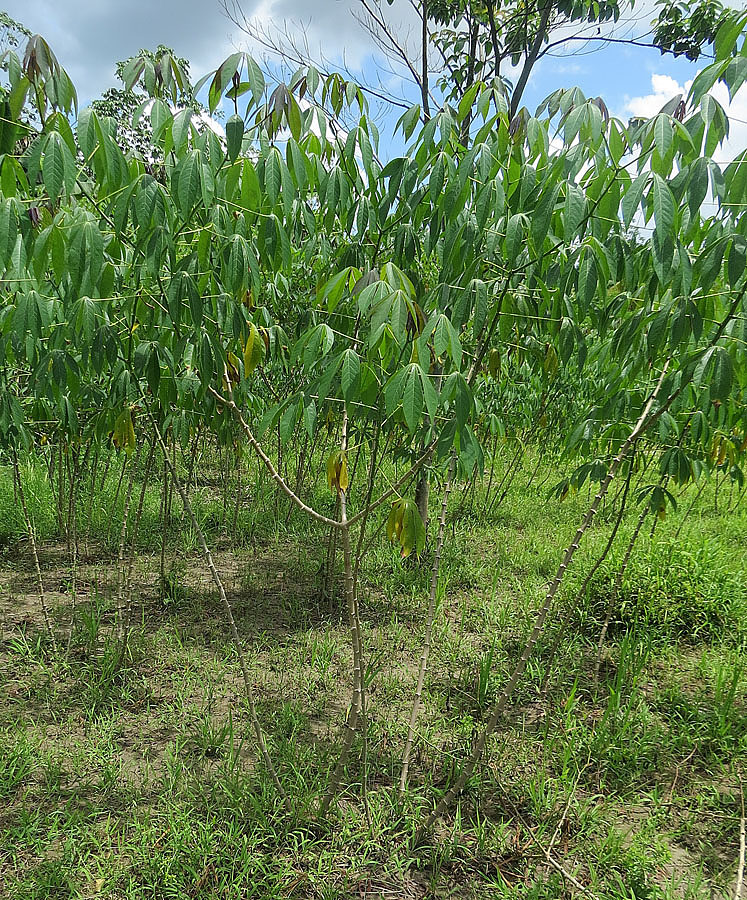
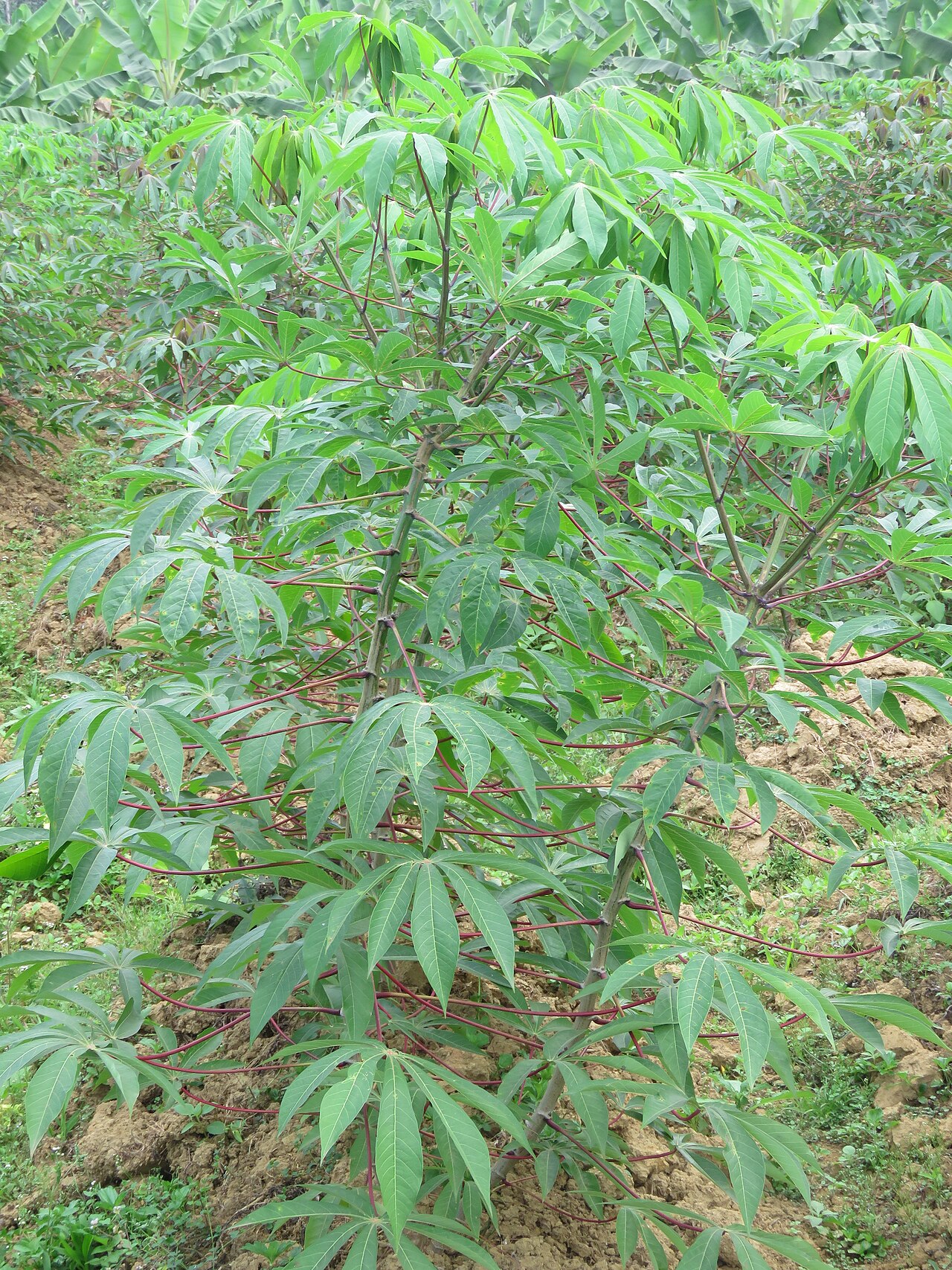
Photos show the species; no verified photo of ‘Yellow Sweet Cassava’ itself was found, so these species photos are used with attribution rather than a padded substitute.
Why this variety
Yellow sweet cassava is the golden-fleshed form sold by nurseries as a vigorous, woody perennial shrub with distinctive palmate leaves and long, tuberous roots — the type whose yellow flesh sets it apart from the white-fleshed cassavas at the market. The yellow color is not a dye or a trick: it comes from carotenoid pigments in the root, the same family that colors carrots and sweet potatoes, and it makes the cooked root look as sunny as it tastes. It is a sweet type, which means it is grown to be eaten as a vegetable after peeling and cooking, not processed for starch like bitter types.
As a garden plant it is a set-and-forget crop in the best sense: plant a cutting, keep weeds down while it establishes, and harvest a bounty of homegrown carbohydrate ten to twelve months later. In Florida that means a spring planting and a late-fall or winter harvest in the frost-free south, or an annual crop further north with cuttings saved indoors. If CMC40 is the Florida nurseries’ high-yield selection, yellow sweet is the colorful, golden-fleshed alternative — same species, same culture, a different root on the plate.
For the general picture, start with the Cassava growing guide — this guide covers what makes Yellow Sweet Cassava different.
How to grow
Plant stem cuttings in spring after frost danger, eight to twelve inches long, three to four inches deep, three to four feet apart, in full sun and well-drained soil — the species standard, since no separate spacing is published for this type. Cassava grows in poor, sandy soil where other crops sulk, but it will not tolerate standing water, so mound or raise the bed if summer storms puddle there. Work compost or worm castings into the planting hole, mulch while cuttings establish, and then mostly leave it alone: water through dry spells and weed while plants are small.
Growth stops below about 60°F and frost kills the plant, so in zone 8 take cuttings before the first freeze and overwinter them frost-free indoors. Do not rush the harvest: early varieties are ready in eight to ten months, but yellow sweet types are typically ready in ten to twelve, when leaves yellow, stems turn woody, and roots separate easily from the soil. A root dug too early is thin; a root left too long gets woody — the sweet spot is when the plant starts to look tired.
Water & feeding
Water while cuttings establish and through dry spells, but never let roots sit in water — cassava tolerates drought far better than wet feet. Mulch to hold moisture and suppress weeds while plants are small. Feed lightly: cassava needs about the same soil and fertilizer as sweet potatoes, and in poor soil it still produces, which is the point of the crop. Work compost or worm castings into the planting hole and side-dress modestly mid-season if growth looks pale.
Common problems
- Frost — the hard limit. Growth stops below 50°F and frost kills the plant; in zone 8, save cuttings indoors before the first freeze.
- Root rot in poorly drained soil — mound or raise the bed if summer storms puddle there.
- Cassava hornworm — large caterpillars that can defoliate plants. Handpick; plants usually regrow, but severe defoliation shrinks roots.
- Harvesting too early — thin, disappointing roots. Wait the full season and let the plant look tired before you dig.
Harvest
Harvest at ten to twelve months, when leaves yellow and stems are woody: cut the stem to about a foot above the soil line, lift the plant, and pull the roots free with a fork. Use roots within a few days of harvest, because cassava deteriorates fast once dug. Peel completely, remove the woody core, rinse, and cook thoroughly — boil, fry, or mash — and discard the cooking water. Never eat cassava raw, even sweet types, and boil young leaves thoroughly for at least fifteen minutes with the water discarded if you use them as greens.
Use roots promptly after harvest — cassava deteriorates within days, unlike potatoes — and always peel and cook thoroughly, never raw.
Browse all plant & pest guides
Saving seeds
Yellow sweet cassava is the golden-fleshed form sold by nurseries as a vigorous, woody perennial shrub with distinctive palmate leaves and long, tuberous roots — the type whose yellow flesh sets it apart from the white-fleshed cassavas at the market. The yellow color is not a dye or a trick: it comes from carotenoid pigments in the root, the same family that colors carrots and sweet potatoes, and it makes the cooked root look as sunny as it tastes. It is a sweet type, which means it is grown to be eaten as a vegetable after peeling and cooking, not processed for starch like bitter types. As a garden plant it is a set-and-forget crop in the best sense: plant a cutting, keep weeds down while it establishes, and harvest a bounty of homegrown carbohydrate ten to twelve months later. In Florida that means a spring planting and a late-fall or winter harvest in the frost-free south, or an annual further north. Do not bother with seed: cassava is grown from stem cuttings, eight to twelve inches long, planted three to four inches deep in spring after frost danger — and in zone 8, take cuttings before the first freeze and overwinter them indoors, because frost kills the plant. The full method is in the Propagation section of the Cassava guide.