
🎃 Blue Hubbard Squash
What it looks like
Why this variety
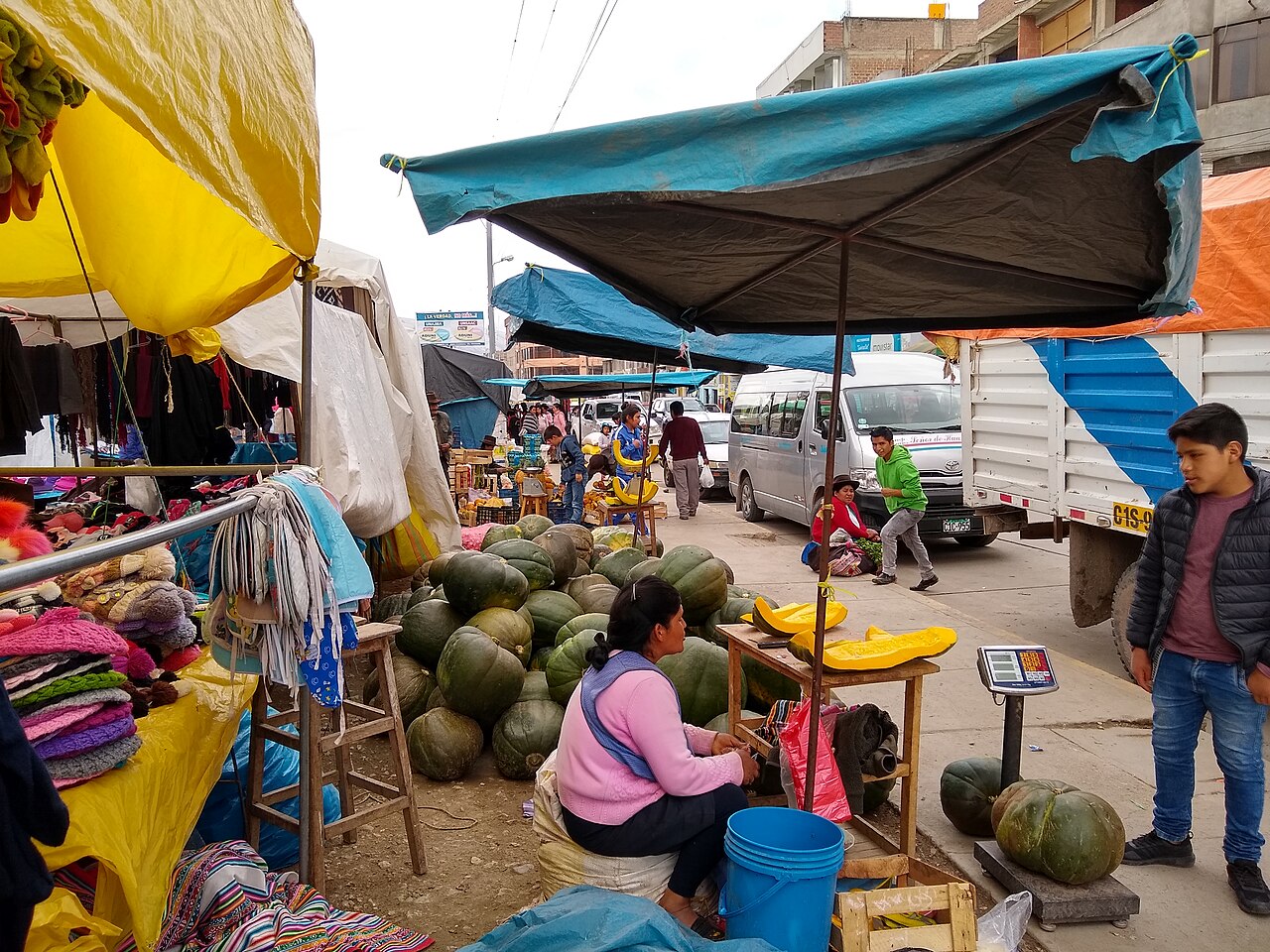
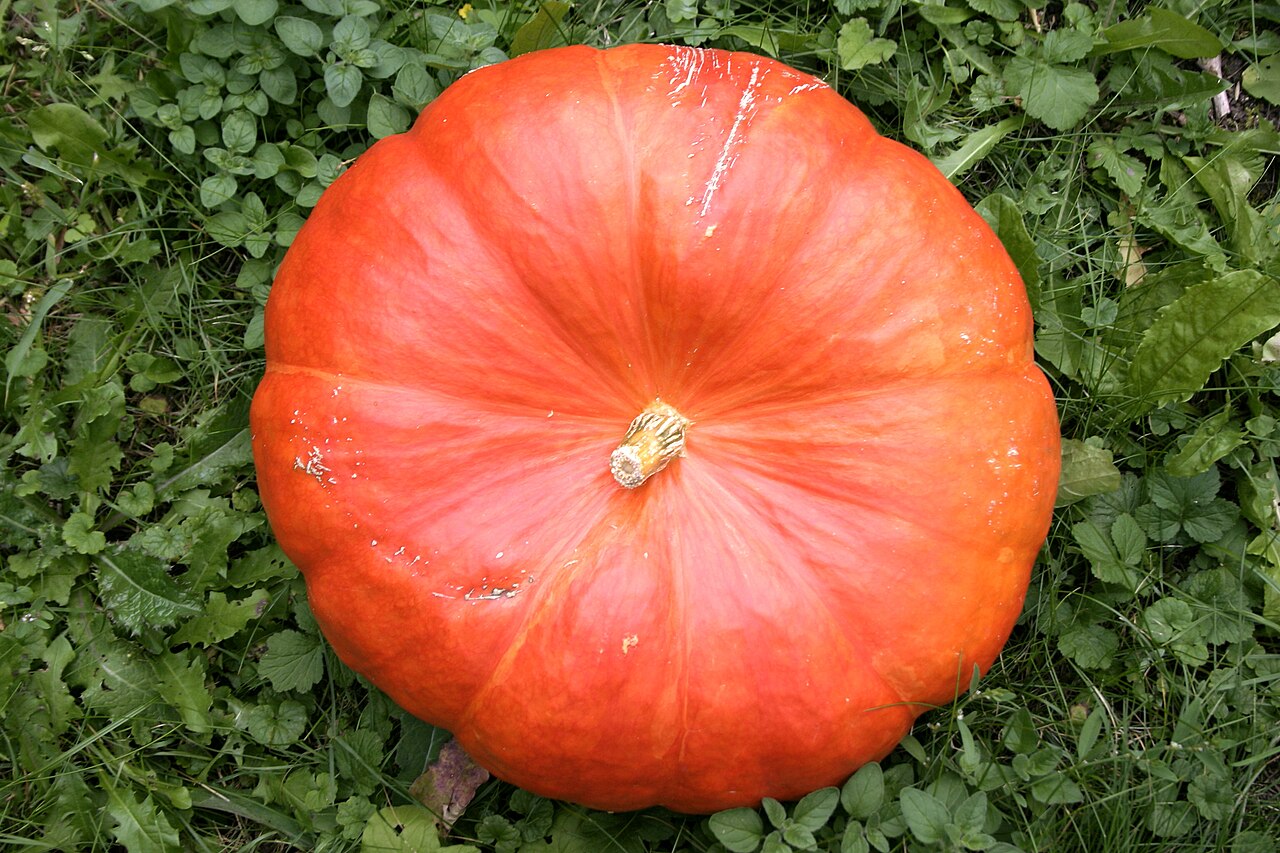
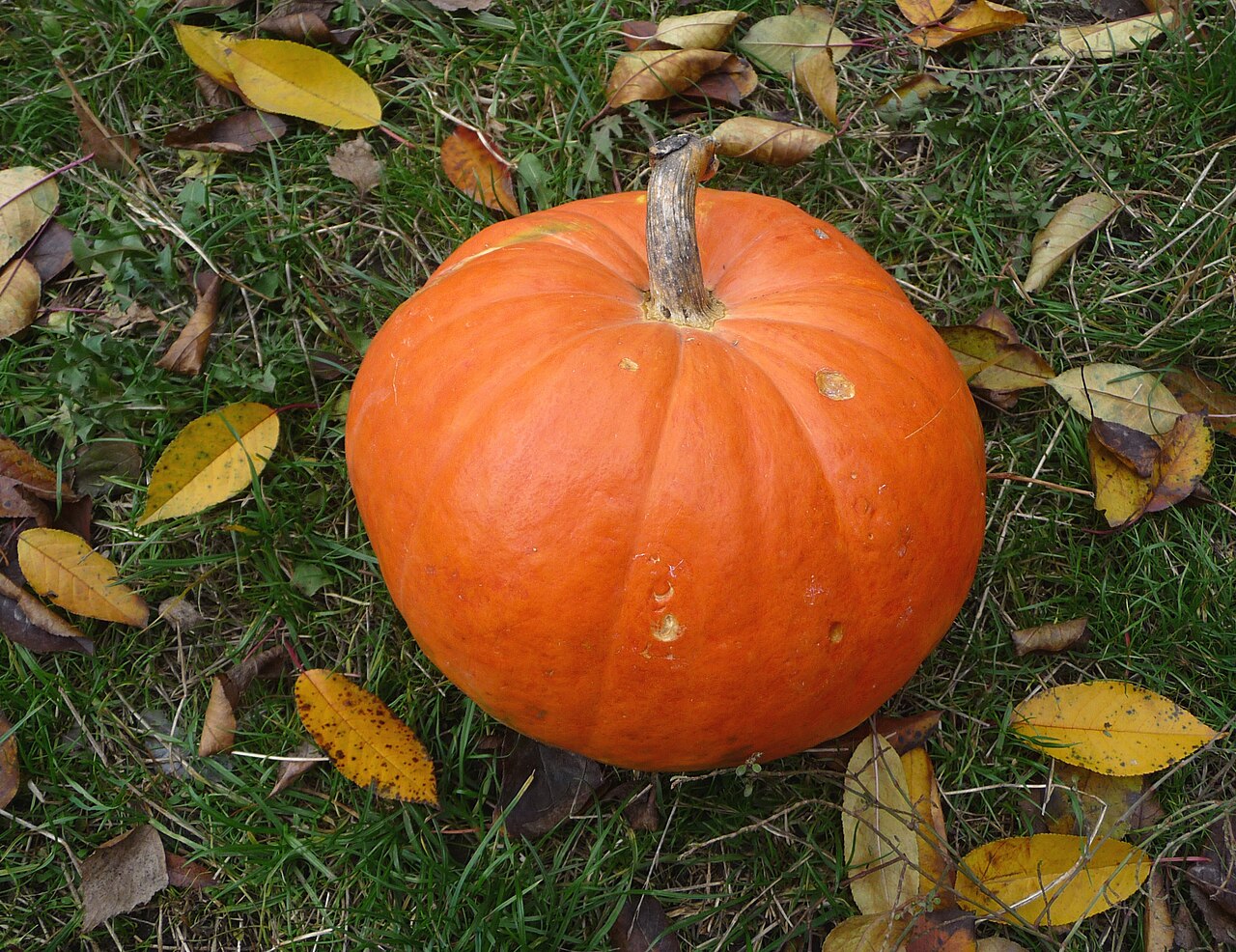
Blue Hubbard is the winter squash that announces itself: enormous, warty, slate-blue-gray fruit, often 15–20 pounds and sometimes far bigger, with thick, sweet, deep-orange flesh. It is a Cucurbita maxima, the species that gives us the biggest squash on earth, and it has been grown since the 1800s because the flesh is genuinely superb — dense, dry, and sweet, the kind of squash that makes a pie taste like it was made by someone who knew what they were doing.
The blue skin is not decoration; it is a storage strategy. Thick, hard rinds are what let a winter squash sit in a cool, dry spot for months without rotting, and Blue Hubbard's rind is one of the thickest in the squash world. That is why old farm kitchens grew it: one vine could feed a family through winter, one fruit at a time, carved up like a roast.
Florida translation: Blue Hubbard needs a long, warm season, which Florida has — the challenge is humidity, not heat. Give it room, air, and morning sun, water at the soil line, and plant early in spring so fruit matures before the worst late-season mildew. Its size means one fruit is a project, so plan the freezer space before you plant three hills.
How to grow
Direct-sow 1 inch deep after all frost danger, when soil is at least 65–70°F, in hills of 3–4 seeds thinned to 2 plants. Dig compost deep into the hill before planting, not just on top — winter squash roots go deep and feed hard all season. Vines will cover serious ground, so give them room or train them up a very strong trellis with fruit slung in netting; a 20-pound squash does not hang from twine.
Water & feeding
Deep watering, 1–2 inches a week, at the base, in the morning — never overhead, which spreads mildew. A generous handful of worm castings in each planting hill plus a mid-season side-dress feeds the long season steadily; castings carry a low burn risk and add the organic matter sandy soil loses every summer. Mulch thickly to hold moisture and keep fruit clean, and slip a board or straw pad under ripening fruit so it does not sit in wet soil.
Common problems
- Powdery mildew — white dust on leaves in humid weather. It usually arrives late, after fruit is mostly made, so keep watering at the soil line, space for airflow, and do not panic; a mildewed vine with mature fruit has already done its job.
- Squash vine borer — a moth larva that tunnels into stems and wilts a vine overnight. Watch for sawdust-like frass at the stem base, slit and remove the grub if you catch it early, and bury a healthy stem node so the vine roots again.
- Squash bugs — bronze egg clusters under leaves, then gray nymphs that suck vines dry. Scrape eggs off weekly; that one habit beats most sprays.
- Poor fruit set — usually missing pollinators. Winter squash has separate male and female flowers on the same plant, and the female (with a tiny squash behind the petals) needs a bee visit. Hand-pollinate in the morning if bees are scarce: pick a male flower, dab pollen onto the female's stigma.
Harvest
Harvest when the rind is hard enough that a fingernail does not dent it easily, the stem is dry and corky, and the skin has colored fully to slate blue-gray. Cut, do not pull, leaving 2–3 inches of stem attached — a broken stem invites rot in storage. Cure in a warm, dry spot for about ten days, then store cool and dry; well-cured Blue Hubbard keeps for months.
In the kitchen, winter squash is a storage crop, not a fresh-eating race: roast cut-side down until soft, scoop and puree, or cube and roast with olive oil and salt. The puree freezes in portions for soups, pies, and breads all winter, which is the real payoff of a fall harvest.
Browse all plant & pest guides
Saving seeds
Blue Hubbard is an open-pollinated variety, so it comes true from seed — save seed from your best fruit, and keep it away from other winter squash to avoid crossing. The full method is in the Saving seeds section of the Winter Squash guide.