
🥬 Belleville Sorrel: Growing Guide
What it looks like
Why this variety
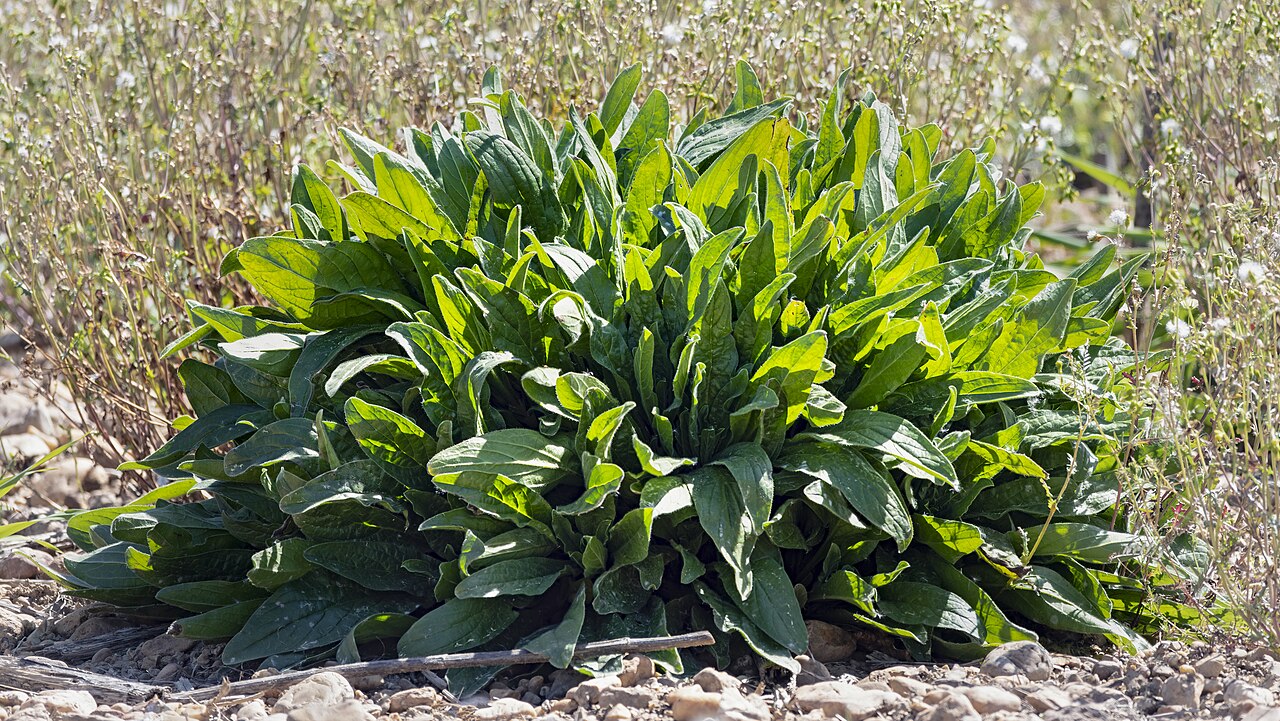
Belleville is the French sorrel that soup-makers reach for: broad, tender leaves with a mild, refined lemon flavor, on a vigorous perennial plant that crops heavily from spring onward. It is the sorrel for the pot rather than the garnish — leaves big enough to wilt into soup by the handful, with a tang that brightens rich broths without souring them.
Sorrel’s lemon flavor comes with no lemon involved: oxalic acid in the leaves triggers the same sour receptors as citrus juice, which is why sorrel tastes like sunshine and vinegar had a baby. Belleville’s mildness is a matter of leaf size and selection — larger, faster-growing leaves dilute the acid slightly, giving a rounder sourness than wilder sorrels, and a flavor that plays well with cream, eggs, and fish.
Florida translation: Belleville is a perennial sorrel here, and it wants the coolest, moistest corner you can give it — part shade, rich soil, steady water, and a mulch blanket. In Florida it grows best fall through spring and may sulk in high summer; plant it where afternoon shade arrives early, snip flower stalks as they appear, and divide clumps every few years to keep leaves large.
How to grow
Sow Belleville Sorrel directly or start indoors, spacing as listed in the hero block. Sorrel is a hardy perennial: plant it once, and it returns each spring, one of the first things ready to pick. Give it rich, moist soil and part shade in hot climates — sorrel’s lemon tang sharpens in sun and heat, and softens into something more refined with a little afternoon shade and steady water.
Weed well while plants establish; once a sorrel clump is going, it outcompetes most weeds and asks for very little. Divide clumps every three to four years to keep leaves large and tender.
Water & feeding
Sorrel likes steady moisture: about an inch a week, mulch to hold it, and worm castings in spring as growth resumes. Drought-stressed sorrel makes small, fiercely sour leaves; well-watered sorrel makes the big, lemony leaves soups are built on. It is not fussy about feeding — one spring top-dress a year is plenty.
Common problems
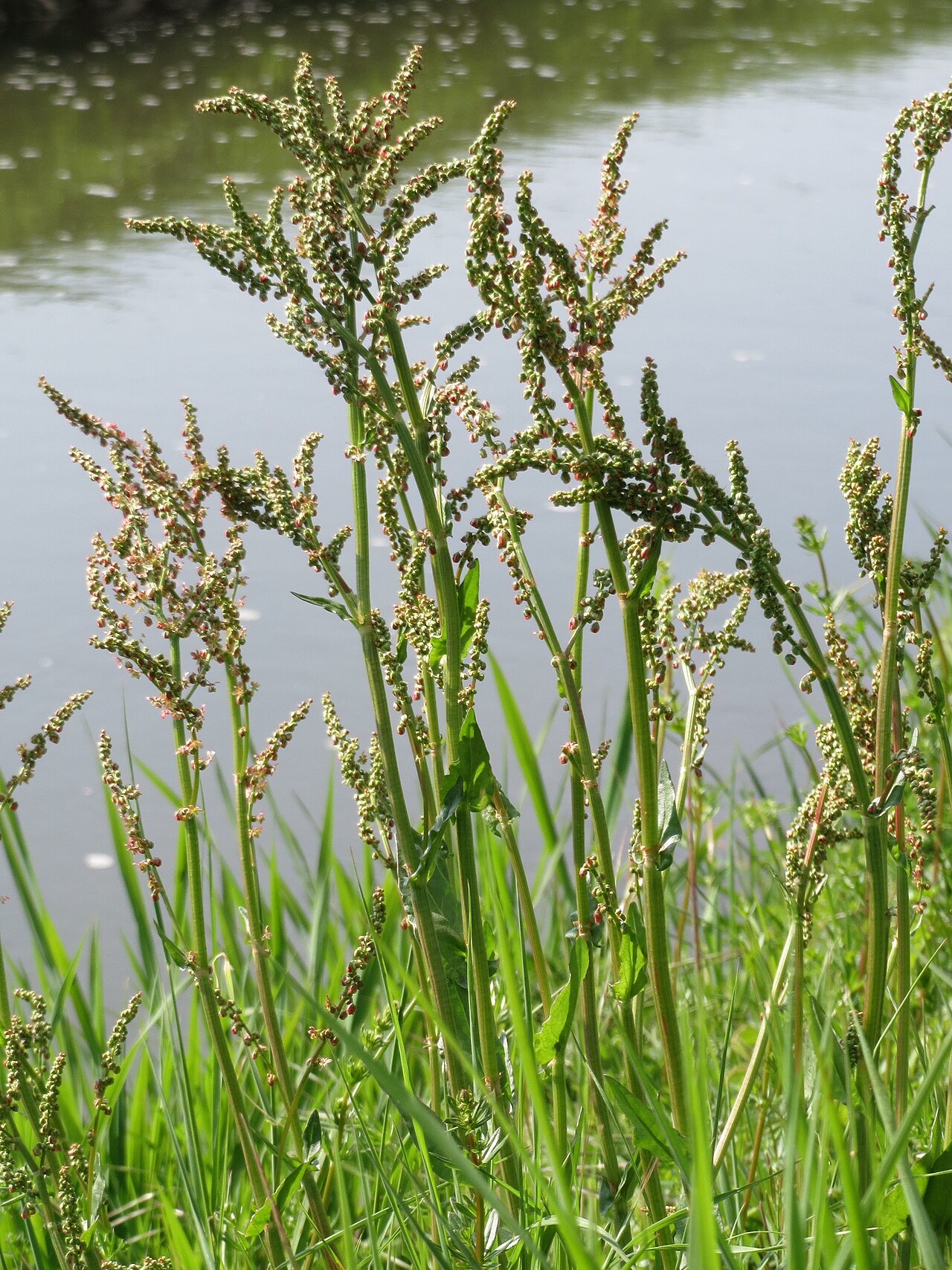
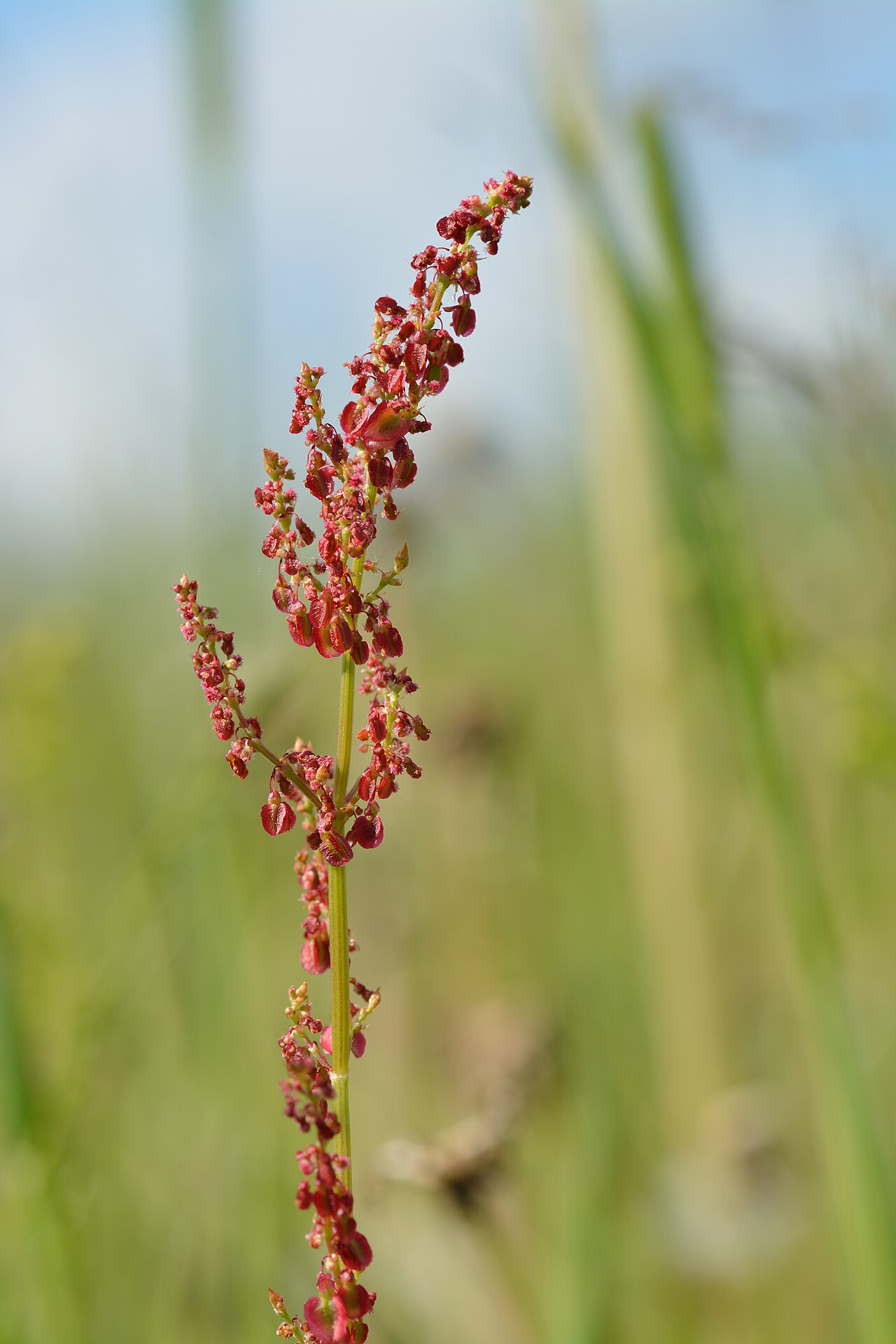
Sorrel is nearly pest-free, which is part of its charm. Slugs may nibble low leaves in damp weather; hand-pick at dusk. The real management job is flowering: flower stalks make leaves smaller and tougher, so snip stalks as they appear unless you want seed.
A note on moderation: sorrel’s oxalic acid means it is best enjoyed as part of a varied diet rather than by the bushel at every meal, especially for anyone sensitive to oxalates. Cooking softens the tang and the oxalate load alike.
Harvest
Pick Belleville Sorrel leaves from the outside of the clump, a few at a time, from about 60 days after sowing — and for years after, since established plants return each spring. Young leaves are the most tender; older leaves are best cooked. Use fresh leaves the day you pick them (they wilt fast) or cook and freeze sorrel in batches for soups and sauces.
Nerdy fact: Belleville sorrel is the sorrel of French potagers, where it has been grown for centuries as a soup green — and French cooks treat it the way Italian cooks treat basil: as a staple, not an accent, which tells you everything about how seriously sorrel deserves to be taken.
Saving seeds
Belleville is an open-pollinated variety, so it comes true from seed — save seed from your best plants, and keep it away from other sorrels to avoid crossing. The full method is in the Saving seeds section of the Sorrel guide.