
🥬 Escarole
What it looks like
Why this variety
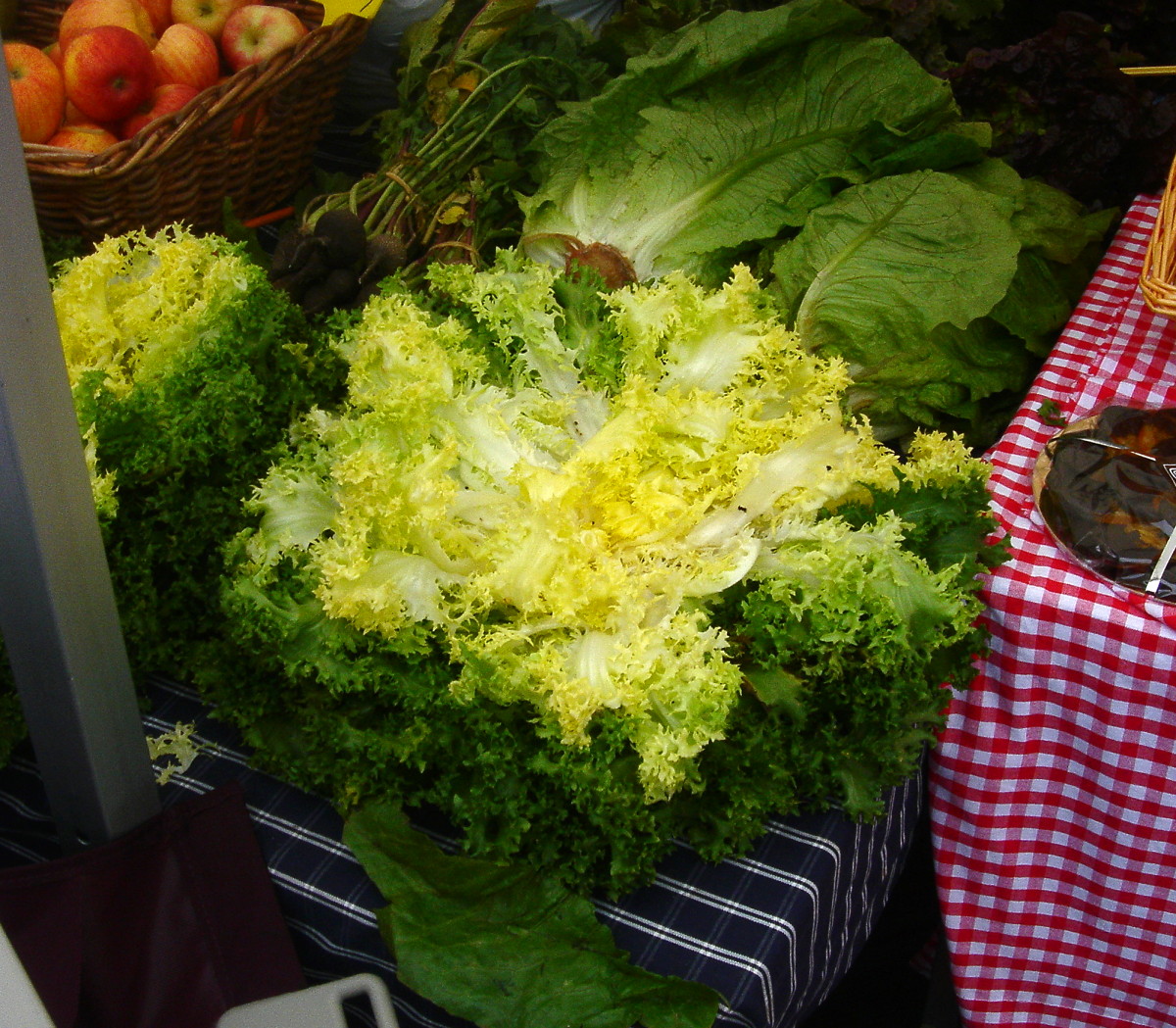
Escarole is endive’s gentler half: same species as curly endive, but the broad-leafed variety, with smooth, wide leaves and a mild flavor that cooks into soups and braises instead of shouting from salads. If curly endive is the bitter showpiece, escarole is the workhorse — the green that made escarole-and-bean soup a classic.
The broad leaves are the point. They hold up to heat in the pot without dissolving, they blanch to a creamy, buttery heart, and they are far less bitter than curly types — mild enough that even bitter-green skeptics usually come around. In Florida it is a fall-through-spring crop, planted early enough to head up before summer.
How to grow
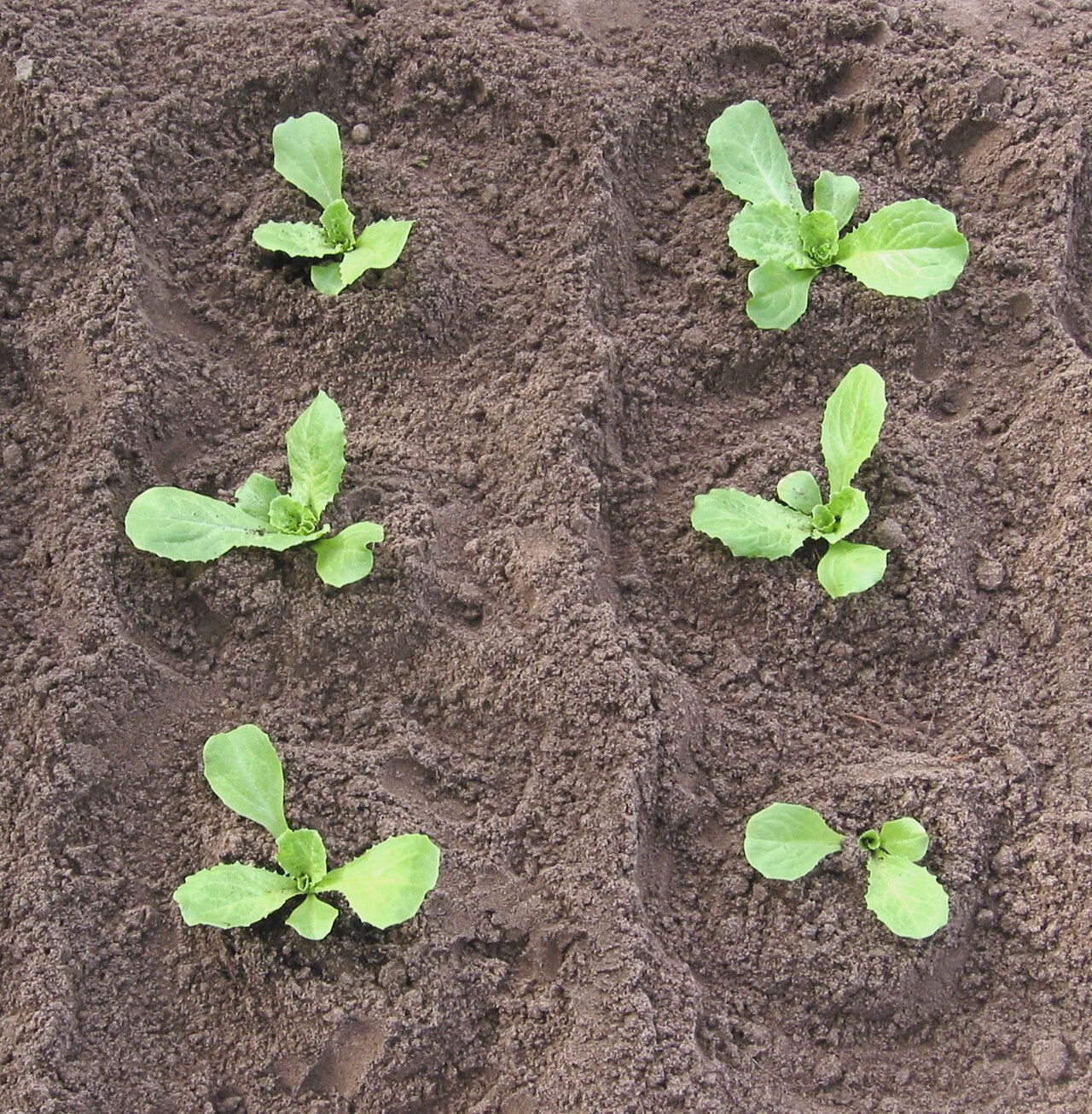
Sow seeds 1/4 inch deep, started indoors 6–8 weeks before transplanting or direct-sown in the bed. Transplant at 12 inches apart with rows 18 inches apart. Escarole is a cool-season crop that wants a long, steady run — most types take 48–90 days — so in Florida it belongs to the fall-through-spring garden, planted early enough to head up before heat arrives.
Escarole is the broad-leafed half of endive: same species (Cichorium endivia), but the latifolium variety, with smooth, broad leaves instead of frills. That matters in the kitchen — broad leaves cook down like a green rather than shattering like a salad leaf — and in the garden, because escarole heads blanch themselves more readily. The inner heart turns creamy yellow-white on its own as outer leaves shade it, though tying outer leaves loosely a couple of weeks before harvest makes the heart even paler and milder. For the crop’s curly cousin, see the Endive guide.
Water & feeding
Escarole wants steady moisture — about an inch a week at the soil line, with mulch to hold it. Uneven water causes tipburn and bottom rot, the two complaints that trace back to the watering can. Feed with worm castings at planting and one side-dress as heads fill; escarole is a moderate feeder, and in sandy soil a split feed beats one big dose that washes past the roots. Water in the morning so leaves dry before night.
Common problems
- Bolting in heat — a central stalk means the plant has decided summer is here. Plant for the cool months, choose slow-bolting types like Coral, and harvest before sustained warmth.
- Tipburn — brown, papery leaf edges, usually from uneven water and fast growth. Mulch and water evenly.
- Bottom rot — mushy lower leaves in wet, crowded conditions. Give airflow, space properly, and avoid overwatering late in the day.
- Slugs and snails — ragged holes and slime trails, worst after rain. Beer traps, boards flipped in the morning, and mulch pulled back from stems help.
- Aphids — clusters in the heart and on undersides. Blast with water or use insecticidal soap; check hearts before eating.
Harvest
Cut escarole heads whole at the base when full and firm, with a well-blanched creamy heart. Outer leaves can be picked earlier for cooking, but the head is the prize — a tight, pale-centered rosette that braises beautifully with beans, wilts into soup, or grills in wedges. Harvest in the morning and use within a few days; the broad leaves wilt faster than cabbage but hold better than curly endive.
Saving seeds
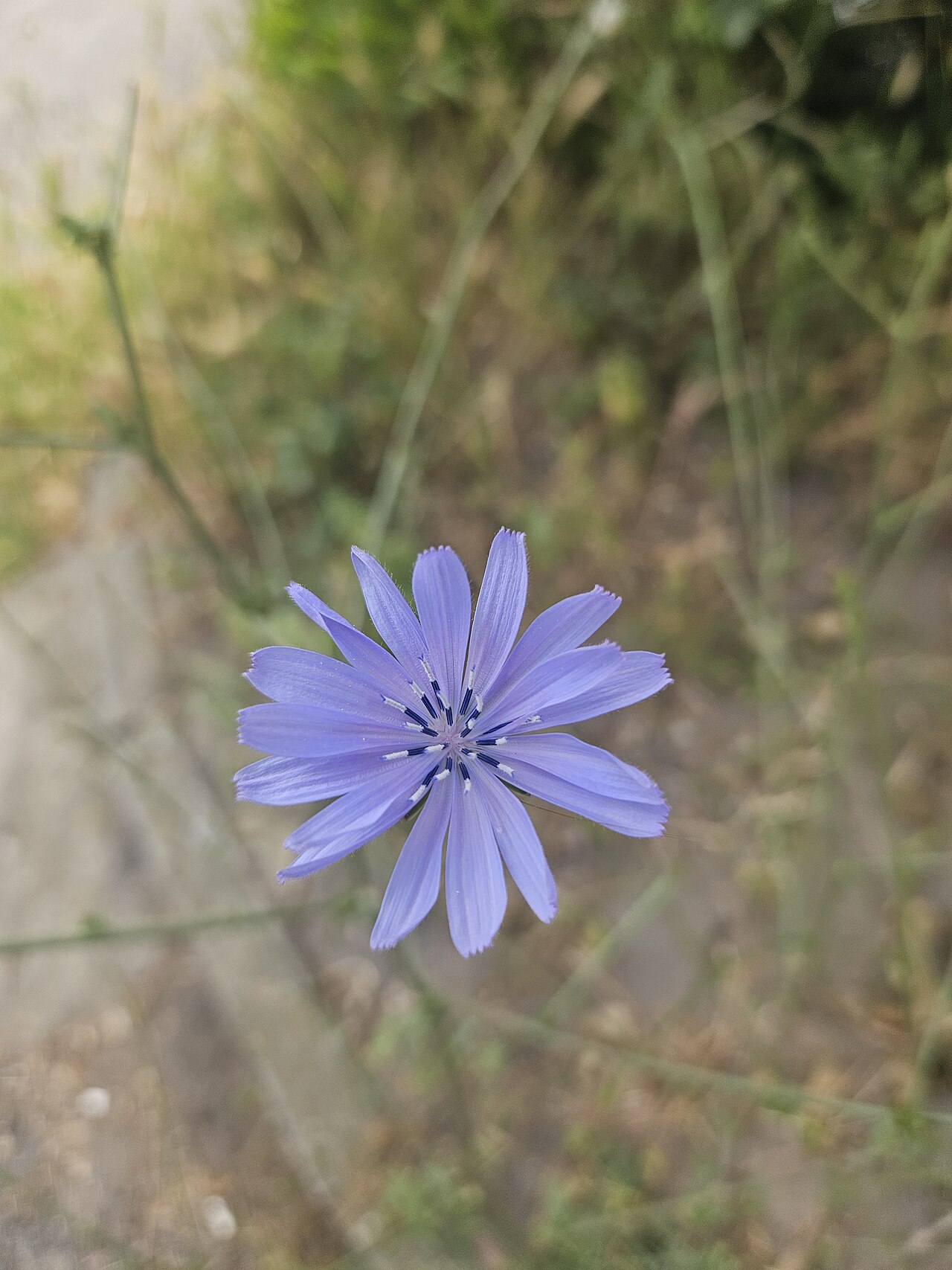
Escarole asks one big favour before it gives you a single seed: it wants a winter first. Escarole is a biennial, which means the plant you eat in fall is only halfway through its life plan. It grows its rosette, sits through cold weather, and only then — in its second spring — throws up a tall, branching flower stalk with pale blue, daisy-like flowers and sets seed. If you eat every head, you get no seed, full stop. So the seed saver’s first decision is made at harvest time: mark your best two or three plants — the ones with the fullest hearts, the latest bolting, the flavour you actually want more of — and leave them in the ground, uneaten, like a small act of faith.
In Florida’s mild winters, that is usually the whole overwintering plan: leave the chosen plants in place under a thick layer of mulch and let them ride out the cool months. Where winters are genuinely hard, the classic method is to cut the plants down to a couple of inches, dig the roots, and store them in damp sand somewhere just above freezing, around the mid-30s Fahrenheit, then replant after the last frost. Either way, spring brings the flower stalk, and your job switches from gardener to patient observer. Seed ripens progressively along the stalk, not all at once, and escarole seed has an annoying habit: it clings to the plant. Do not wait for the whole stalk to look dry, or the earliest, best seed will already be on the ground. Harvest individual heads as they dry and the seeds feel firm, and finish drying them indoors in a dry, ventilated spot for at least a week or two. Then thresh them the satisfying way: heads in a sturdy bag, rubbed hard, beaten with a rolling pin, or pressed — escarole seed famously refuses to shatter politely, so a little force is not cheating, it is the method.
Cleaning is sieves and winnowing: shake out the twigs and chaff, blow gently across a plate to lift the lightest debris, and keep the plump, firm seeds. Dry them thoroughly — in Florida, that means indoors with airflow, then into an airtight jar with a desiccant packet, stored cool and dark — and they will reward you: one source puts escarole seed viability at about five years, another stretches it to eight, so call it five-plus years with good storage and do not trust a jar that has spent a summer in a hot shed. On crossing: escarole is mostly self-pollinating and barely crosses, which makes it one of the friendlier seed crops for a small garden. Still, if you grow curly endive or another escarole variety nearby, or wild chicory wanders in, an occasional cross is possible, so give seed plants a little distance — or a mesh cage, which works precisely because escarole mostly pollinates itself — if you want the variety to stay itself. Save from several plants, not one lonely hero, to keep the gene pool healthy. And the hybrid warning applies here too: open-pollinated varieties grow true when isolated, but seed from an F1 hybrid will scatter back into its parents’ traits. Save seed from the varieties you love, label the jar with variety and year, and next fall’s soup will taste faintly of victory.
Browse all plant & pest guides
Varieties
Every named variety of Escarole with its own growing guide:
- Coral Escarole — The modern escarole: a medium, upright, self-blanching head with a creamy heart, slow to bolt, and ready in just 48 days.
- Full Heart Batavian Escarole — The classic escarole: broad, smooth, dark-green leaves wrapped around a deep, buttery blanched heart — the soup green by which others are judged.