
🥬 Coral Escarole
What it looks like
Why this variety
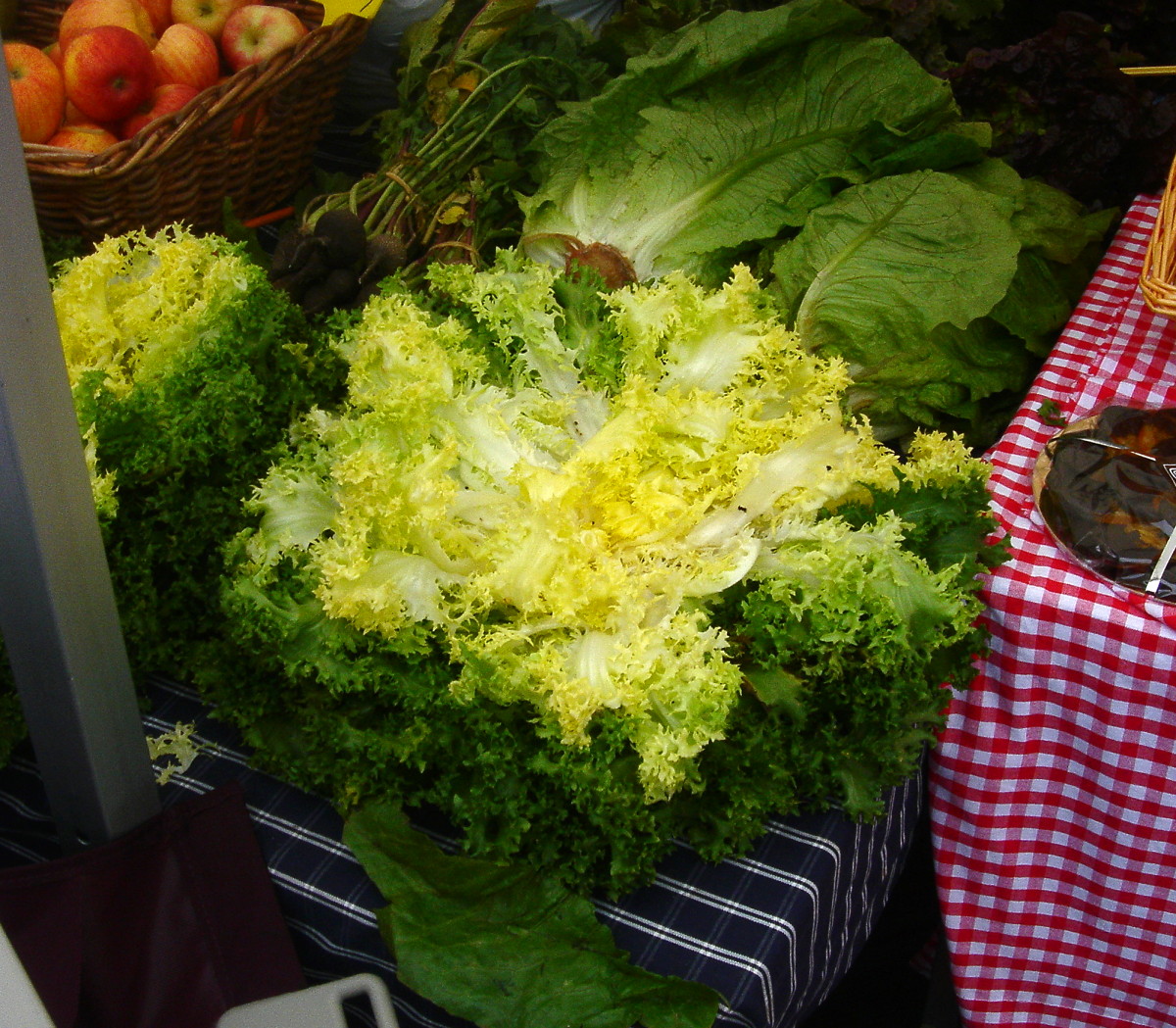
Coral is the modern escarole, bred by Johnny’s Selected Seeds to replace the older Nuvol: a medium, upright, dense head of wavy, broad, mid-green leaves that partially self-blanches to a creamy yellow-white, well-filled heart. At just 48 days it is one of the fastest escaroles — nearly twice as quick as the old heirloom types — which makes it the escarole for gardeners who don’t want to wait all season for soup.
Slow bolting is the other half of the pitch. Coral holds its head through warm spells that would push older escaroles to flower, which matters in Florida, where a spring heat wave can arrive with no notice. The self-blanching habit means less work too: the inner leaves shade themselves, so the heart turns creamy without tying.
How to grow
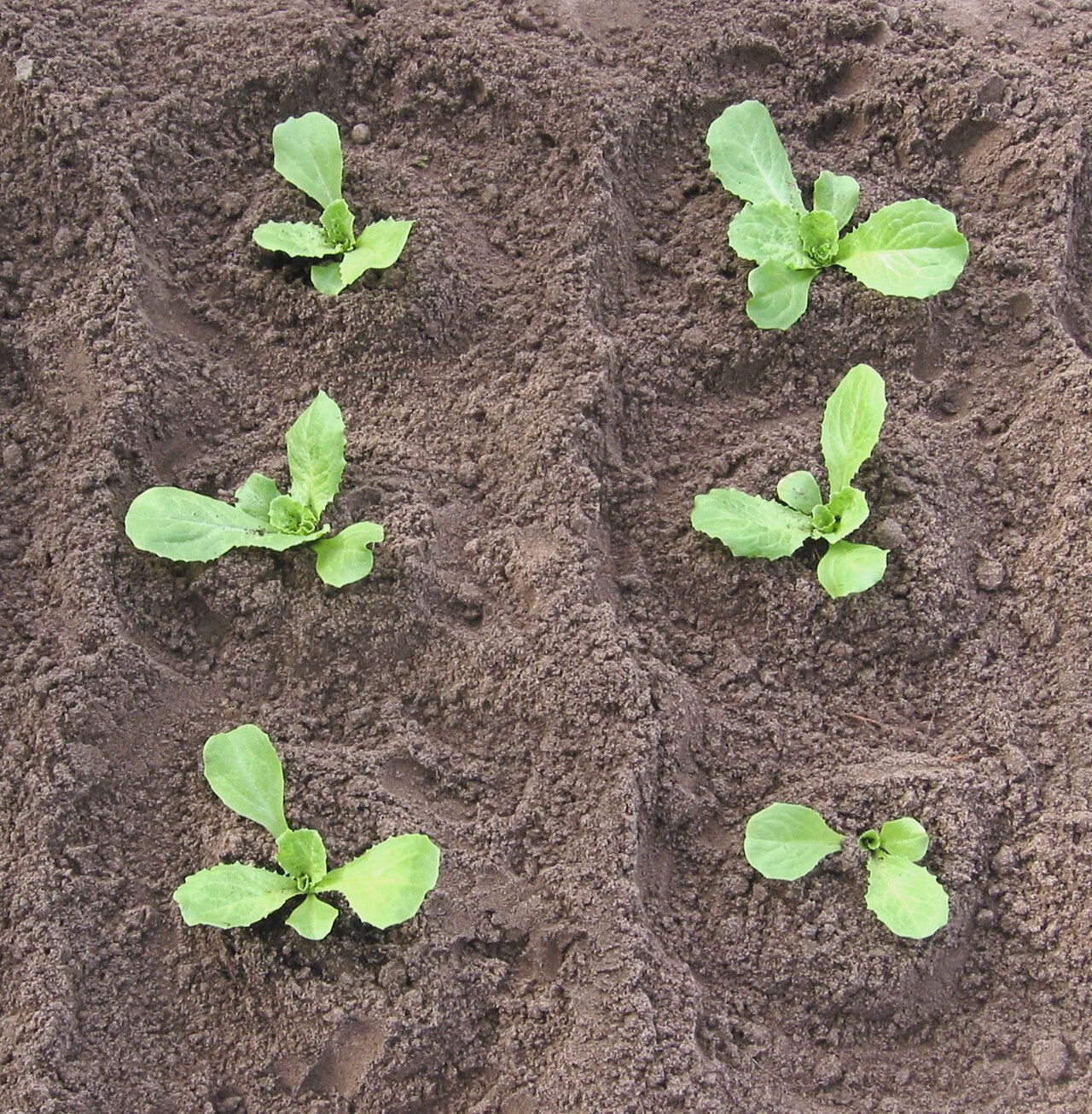
Sow seeds 1/4 inch deep, started indoors 6–8 weeks before transplanting or direct-sown in the bed. Transplant at 12 inches apart with rows 18 inches apart. Escarole is a cool-season crop that wants a long, steady run — most types take 48–90 days — so in Florida it belongs to the fall-through-spring garden, planted early enough to head up before heat arrives.
Escarole is the broad-leafed half of endive: same species (Cichorium endivia), but the latifolium variety, with smooth, broad leaves instead of frills. That matters in the kitchen — broad leaves cook down like a green rather than shattering like a salad leaf — and in the garden, because escarole heads blanch themselves more readily. The inner heart turns creamy yellow-white on its own as outer leaves shade it, though tying outer leaves loosely a couple of weeks before harvest makes the heart even paler and milder. For the crop’s curly cousin, see the Endive guide.
Water & feeding
Escarole wants steady moisture — about an inch a week at the soil line, with mulch to hold it. Uneven water causes tipburn and bottom rot, the two complaints that trace back to the watering can. Feed with worm castings at planting and one side-dress as heads fill; escarole is a moderate feeder, and in sandy soil a split feed beats one big dose that washes past the roots. Water in the morning so leaves dry before night.
Common problems
- Bolting in heat — a central stalk means the plant has decided summer is here. Plant for the cool months, choose slow-bolting types like Coral, and harvest before sustained warmth.
- Tipburn — brown, papery leaf edges, usually from uneven water and fast growth. Mulch and water evenly.
- Bottom rot — mushy lower leaves in wet, crowded conditions. Give airflow, space properly, and avoid overwatering late in the day.
- Slugs and snails — ragged holes and slime trails, worst after rain. Beer traps, boards flipped in the morning, and mulch pulled back from stems help.
- Aphids — clusters in the heart and on undersides. Blast with water or use insecticidal soap; check hearts before eating.
Harvest
Cut escarole heads whole at the base when full and firm, with a well-blanched creamy heart. Outer leaves can be picked earlier for cooking, but the head is the prize — a tight, pale-centered rosette that braises beautifully with beans, wilts into soup, or grills in wedges. Harvest in the morning and use within a few days; the broad leaves wilt faster than cabbage but hold better than curly endive.
Browse all plant & pest guides
Saving seeds
Coral is a modern escarole bred by Johnny’s to replace the older Nuvol, but whether it is a hybrid or open-pollinated isn’t pinned down in the sources checked — buy fresh seed to be safe rather than counting on saved seed. The Saving seeds section of the Escarole guide covers the species method.