
🖤 Enorma Scorzonera
What it looks like
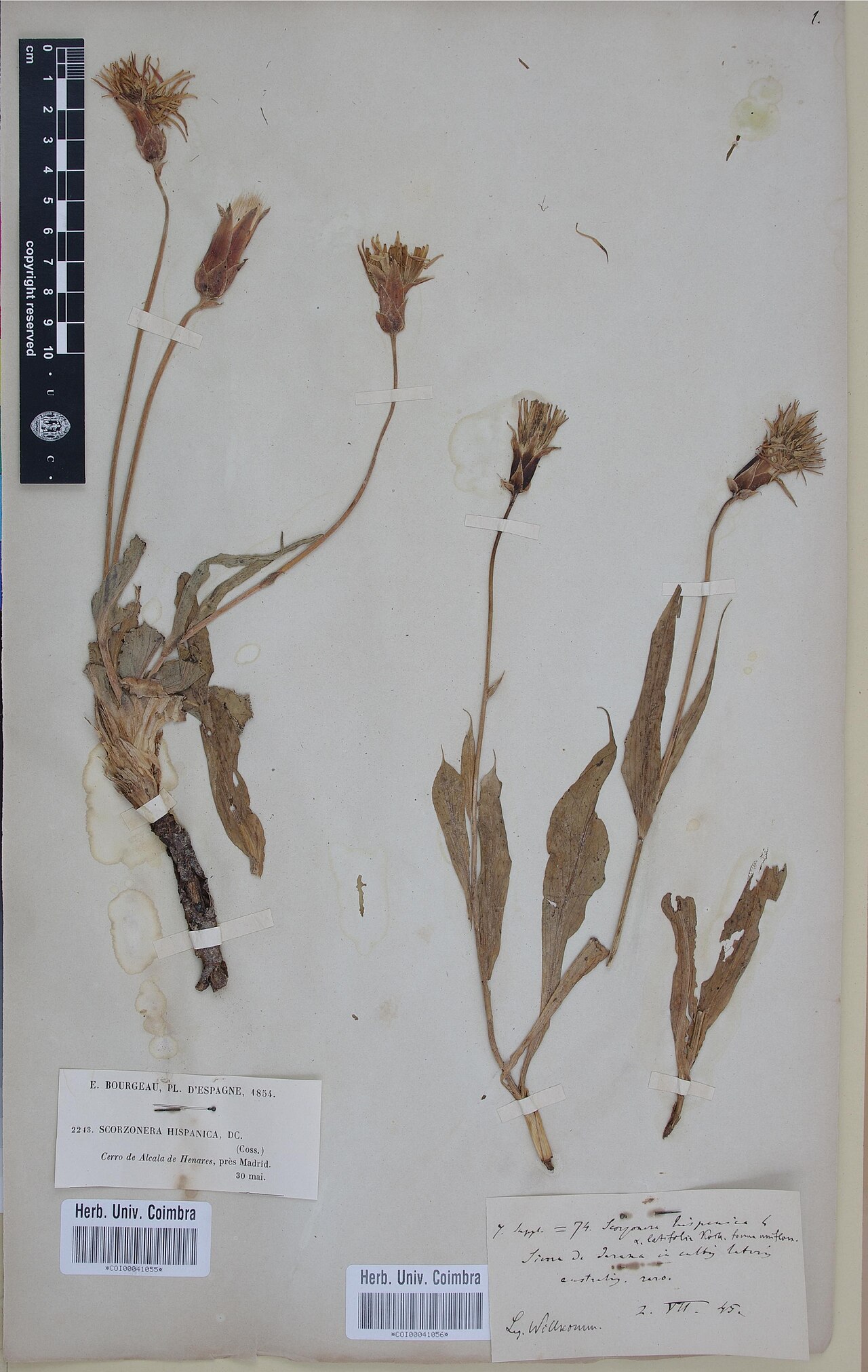
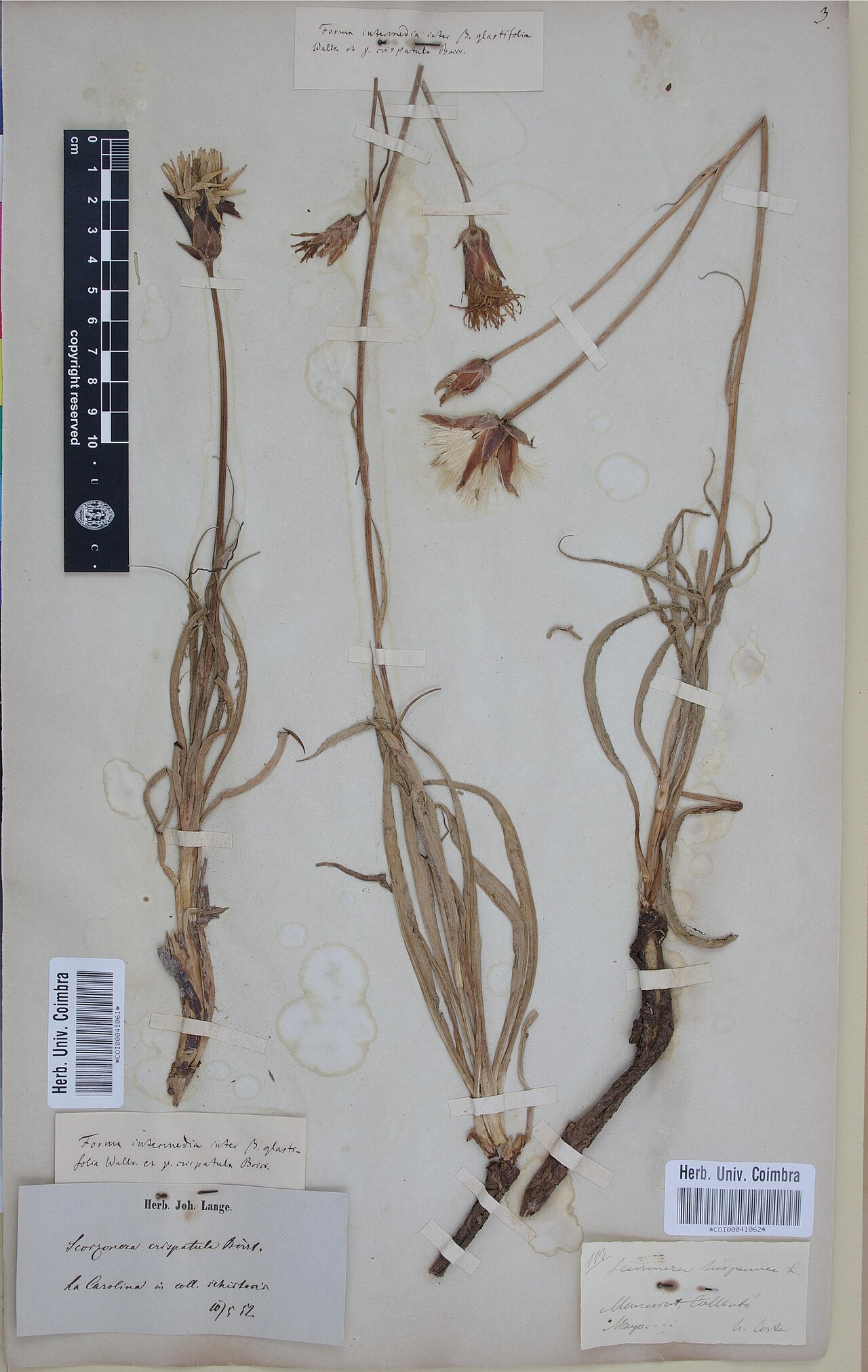
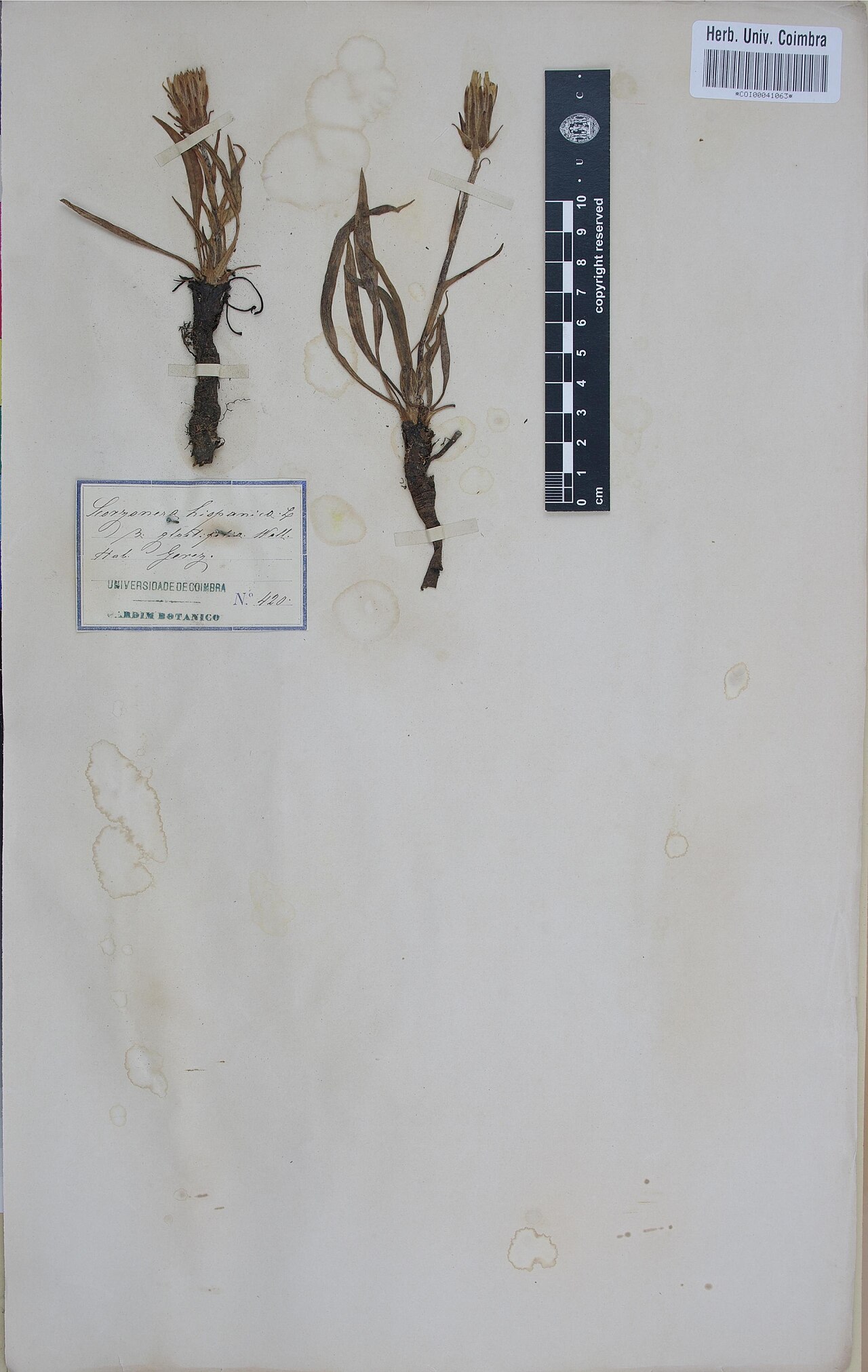
Why this variety
Enorma is the scorzonera for gardeners who do not want to wait all year: at about 80 days it is one of the earliest black salsifies, with long, straight, smooth black roots about 9 to 11 inches long and a bright white interior. It is also noted for resisting bolting well, which matters for a root that would rather flower than fatten if the weather confuses it — and it is widely available as organic seed, which is how many American gardeners first meet it.
Peel it like a carrot and the payoff is immediate: white flesh, oyster-like savor, and a root that holds up in mash, stews, and thin strips on the grill. Enorma’s roots also exude a white sap when cut, the plant’s latex showing itself — wash it off after harvest and the root is ready for the pan. For a first scorzonera, Enorma’s earliness and straight roots make it the least fussy introduction.
If you are new to choosing between cultivars, the Varieties Matter guide explains why the name after the plant matters as much as the plant itself. And if you want the whole clan at a glance, the broader Scorzonera guide covers scorzonera generally.
How to grow
In Florida, Enorma is a north-Florida trial: sow in fall for a cool-season crop, or in very early spring where winters are mild enough, and give it deep, loose, stone-free soil. Scorzonera is a perennial by nature but is grown as an annual root crop; left in the ground a second year, roots get larger, though in Florida heat the first-year harvest is the sensible goal.
Direct-sow fresh seed — scorzonera seed, like salsify seed, loses viability quickly — and keep the bed moist through germination, which takes ten to twenty days. Thin to the final spacing and do not transplant: the taproot forks if disturbed, and a forked scorzonera is a pain to peel.
Water & feeding
Even moisture and a mulch layer keep roots straight and smooth. Dry soil gives short, woody roots; a deep, loose bed with compost worked in gives Enorma the room to reach its full length. Feed lightly — compost at planting beats heavy fertilizer, which pushes leafy tops.
Common problems
Bolting is the headline risk for scorzonera, and Enorma’s resistance to it is a genuine advantage, not marketing fluff. Otherwise the troubles are familiar: stones that fork roots, crusting soil that traps seedlings, and roots that snap if you try to yank them — dig around and down, and lift gently, since a broken root is a wasted root.
Harvest
Dig in late fall, after the roots have had their season, and note that flavor improves after a few frosts in colder climates — in north Florida, a cool spell does the same favor on a smaller scale. Roots exude white sap when cut, so wash them after harvest. They store well, and can be left in the ground and dug as needed through the cool season.
Nerdy fact: Scorzonera’s old folk names — viper’s herb, serpent root — come from a medieval belief that it cured snakebite, a claim with no evidence behind it but a great story. The root’s real magic is culinary: black skin, white flesh, and a flavor that made it the oyster plant of European winter kitchens.
Saving seeds
Enorma’s hybrid status isn’t pinned down — no source states whether this early black salsify is open-pollinated or a hybrid, so buy fresh seed to be safe. The full method is in the Saving seeds section of the Scorzonera guide.